Resident Alien Card vs. Permanent Resident Card: Key Differences and Commonalities
While the terms "Resident Alien Card" and "Permanent Resident Card" describe the same legal authorization to live and work in the United States, they represent different eras of immigration documentation. Both refer to Form I-551, but...
While the terms "Resident Alien Card" and "Permanent Resident Card" describe the same legal authorization to live and work in the United States, they represent different eras of immigration documentation. Both refer to Form I-551, but "Resident Alien Card" is the legacy designation used primarily before 1997, whereas "Permanent Resident Card" is the modern, official name for what is popularly known as a Green Card.
Contents
Understanding the distinction is vital for long-term residents, employers, and legal professionals, especially when navigating employment verification, international travel, and card renewals in 2026. Although the underlying immigration status—Lawful Permanent Resident (LPR)—remains identical regardless of the card's title, the physical documents have vastly different security features, expiration rules, and administrative implications.
The Evolution of Form I-551: From Resident Alien to Permanent Resident
The history of the Green Card is a story of shifting terminology and advancing security technology. For decades, the Immigration and Naturalization Service (INS)—the precursor to today’s United States Citizenship and Immigration Services (USCIS)—issued documents labeled "Resident Alien Card." The word "alien" was the standard legal term used in the Immigration and Nationality Act (INA) to describe any person who is not a citizen or national of the United States.
In the late 1990s, specifically around 1997, the Department of Justice and the INS began transitioning to the term "Permanent Resident Card." This shift was partly a branding effort to use more inclusive language and partly a functional update to coincide with the introduction of more sophisticated anti-counterfeiting measures. By 2026, the term "Resident Alien" has largely been phased out of official USCIS communications, though millions of these legacy cards remain in circulation.
Regardless of the name printed on the header, both documents serve as primary evidence of an individual's status as a Lawful Permanent Resident. This status allows an individual to live and work indefinitely in the U.S., join the armed forces, and eventually apply for U.S. citizenship through naturalization, provided they meet the residency and character requirements.
Legal Status vs. Document Validity
It is a common misconception that if a "Resident Alien Card" expires, the holder’s legal status also expires. In reality, lawful permanent residency does not expire simply because the physical card does. However, the card is the required "proof" of that status. Without a valid, unexpired card, an LPR may face significant hurdles when attempting to re-enter the U.S. after foreign travel, applying for a new job, or renewing a driver’s license.
The Problem with "No Expiration Date" Cards
Between 1977 and 1989, many Resident Alien Cards were issued without an expiration date. While USCIS has occasionally discussed a formal "call-in" program to require the replacement of these cards, as of 2026, many remain technically valid for proof of status. However, they lack the biometric data and machine-readable zones (MRZ) found on modern Permanent Resident Cards.
Carrying a card issued in the 1980s is increasingly risky. Customs and Border Protection (CBP) officers may experience difficulty verifying the document’s authenticity at ports of entry, leading to secondary inspections and delays. Furthermore, modern electronic verification systems used by employers (E-Verify) and state DMVs are optimized for the newer Permanent Resident Card formats.
Comparing Features: Legacy vs. Modern Documentation
The transition from Resident Alien to Permanent Resident coincided with a technological leap. Modern cards are among the most secure identity documents in the world, utilizing holographic images, laser engravings, and optical memory stripes.
| Feature | Resident Alien Card (Legacy) | Permanent Resident Card (Modern) |
|---|---|---|
| Official Form Number | I-551 | I-551 |
| Common Title | Resident Alien | Permanent Resident |
| Standard Color | Often pink, white, or light blue | Distinctive green (various shades) |
| Expiration Period | Often none (pre-1989) or 10 years | 10 years (Standard) or 2 years (Conditional) |
| Security Features | Basic signature, photo, and fingerprint | Holograms, RFID, laser engraving, micro-text |
| I-9 Compatibility | List A document (if unexpired) | List A document |
| Machine Readable | Limited or non-existent on oldest versions | Fully machine-readable and scannable |
Employment Eligibility and the I-9 Process
For employers, distinguishing between a Resident Alien Card and a Permanent Resident Card is a routine part of the Form I-9, Employment Eligibility Verification process. Both documents fall under "List A," meaning they establish both identity and employment authorization.
In 2026, the guidance from the USCIS I-9 Central remains clear: as long as the document appears genuine and relates to the person presenting it, an employer must accept it. However, if a "Resident Alien Card" has a printed expiration date that has passed, it is no longer valid for a new hire’s I-9.
If the card has no expiration date, it is still acceptable for I-9 purposes, but employers should be aware that the employee may eventually need to replace it to ensure their records align with modern digital verification standards. Employees are not required to provide a new card during "re-verification" if they are a Lawful Permanent Resident whose 10-year card has expired; re-verification is generally only required for temporary residents or those with specific time-limited work authorizations.
Traveling Internationally with Older Cards
Travel is perhaps the area where the distinction between a "Resident Alien Card" and a "Permanent Resident Card" causes the most friction. Airlines are the first line of defense; they are required by international law to ensure passengers have valid entry documents for their destination.
Many airline ticketing agents are trained to look for an expiration date. If you present an old "Resident Alien Card" without an expiration date, you may face boarding denials from agents who are unfamiliar with the 1977–1989 document series. Even if the airline allows you to board, CBP officers at U.S. airports in 2026 strongly prefer the modern Permanent Resident Card. If your card is old or damaged, CBP may advise you to file Form I-90, Application to Replace Permanent Resident Card immediately upon your return.
How to Update Your Card in 2026
If you are still holding a card that says "Resident Alien," it is highly recommended to upgrade to a "Permanent Resident Card." This process is handled through Form I-90. Reasons for replacement include:
- Expiration: Your current card is expired or will expire within six months.
- Legacy Format: You have one of the "no expiration" cards issued before 1989.
- Name Change: Your legal name has changed due to marriage, divorce, or court order.
- Damage or Loss: The card is mutilated, lost, or stolen.
- Incorrect Data: The original card was issued with a typo or administrative error.
The filing fee for Form I-90 in 2026 generally remains around $415, plus an $85 biometrics fee, though applicants should always check the USCIS Fee Schedule for the most current figures. The process involves submitting the application online or by mail, attending a biometrics appointment to have your fingerprints and photo taken, and waiting for the new card to arrive via mail.
Common Mistakes and Misconceptions
One of the most frequent errors is confusing "Resident Alien" status with "Conditional Resident" status. A Conditional Resident is typically an individual who obtained residency through marriage to a U.S. citizen and has a card valid for only two years. This is not the same as a legacy "Resident Alien Card." Conditional residents must file Form I-751 to remove conditions; they cannot simply use Form I-90 to renew their card.
Another mistake is the belief that a "Resident Alien" does not have the same rights as a "Permanent Resident." Legally, the terms are interchangeable in terms of rights and responsibilities. Both are required to pay U.S. taxes on global income, register for the Selective Service (if male and between ages 18-25), and maintain a permanent residence in the U.S. to avoid "abandonment of status."
Frequently Asked Questions
Is a Resident Alien Card the same as a Green Card?
Yes. "Green Card" is the informal nickname for the document. Whether the card is titled "Resident Alien" or "Permanent Resident," it serves as the official proof of Lawful Permanent Resident status in the United States.
Can I still use my Resident Alien Card if it has no expiration date?
Technically, yes, as long as it was issued between 1977 and 1989 and is in good physical condition. However, many government agencies and private institutions (like banks) may find it difficult to verify. It is highly recommended to replace it with a modern Permanent Resident Card to avoid administrative delays.
Do I need to be a Permanent Resident to work in the U.S.?
No. While Permanent Residents have a "Green Card" which allows them to work for any employer, other "resident aliens" (in the tax sense) may have different types of work authorization, such as H-1B visas or Employment Authorization Documents (EADs). However, for permanent, unrestricted work authorization, the I-551 (Permanent Resident Card) is the standard document.
How long does it take to replace an old Resident Alien Card in 2026?
Processing times for Form I-90 vary based on USCIS workload. In 2026, applicants should expect a wait time ranging from 6 to 12 months. During this waiting period, you can request an ADIT stamp (Alien Documentation, Identification, and Telecommunication) in your passport as temporary evidence of your status for travel and work.
What is the main difference in appearance between the two?
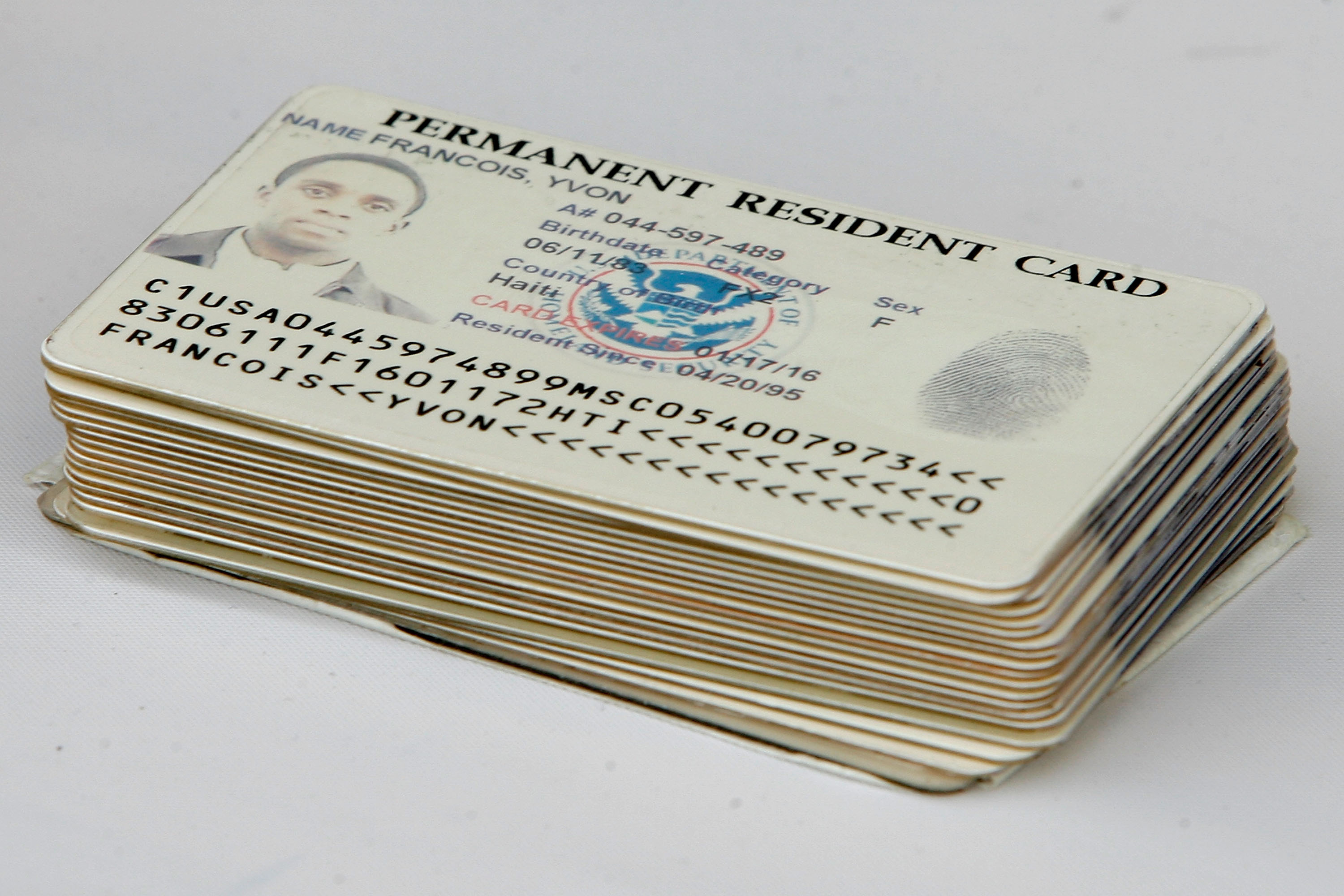
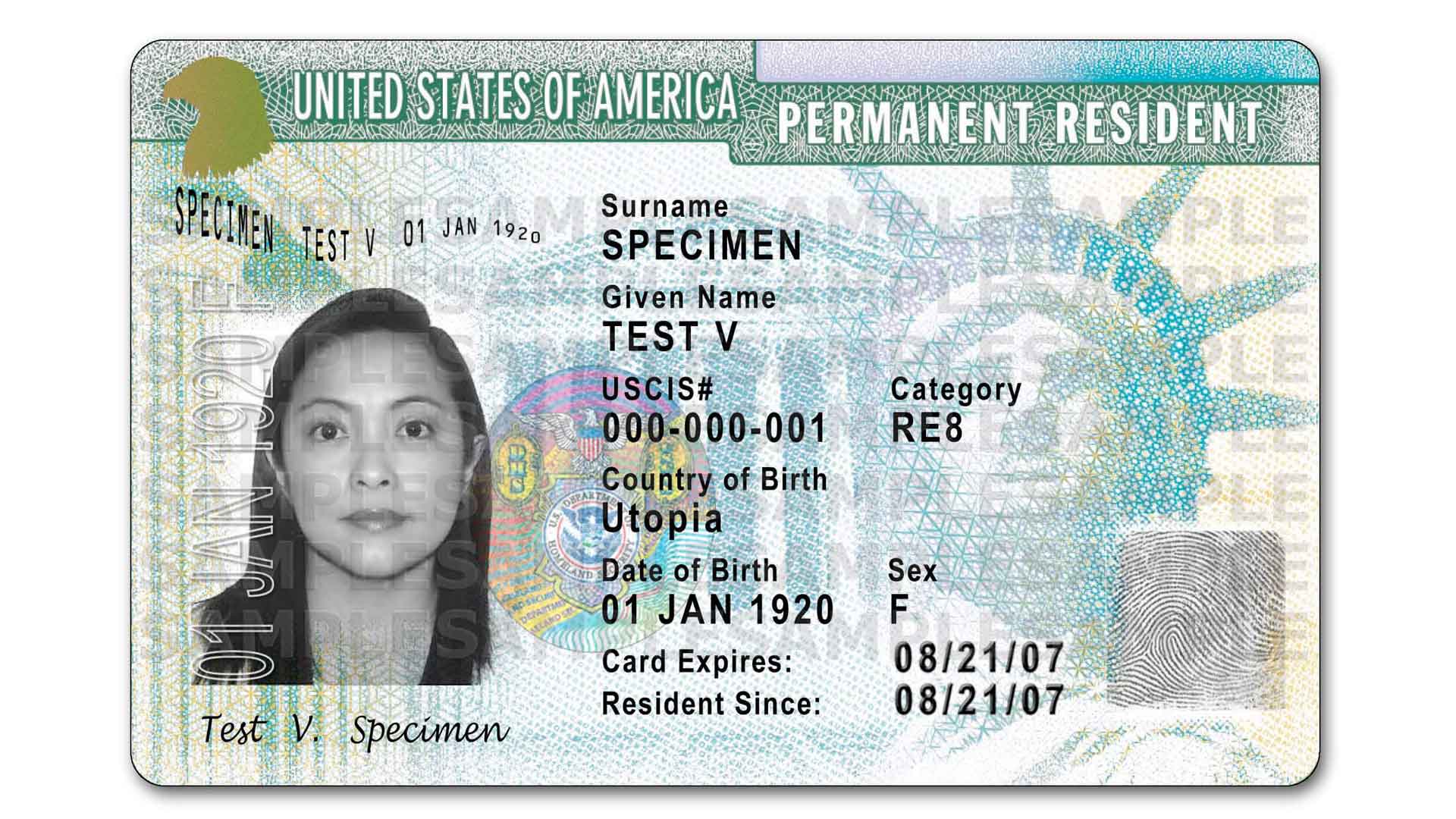
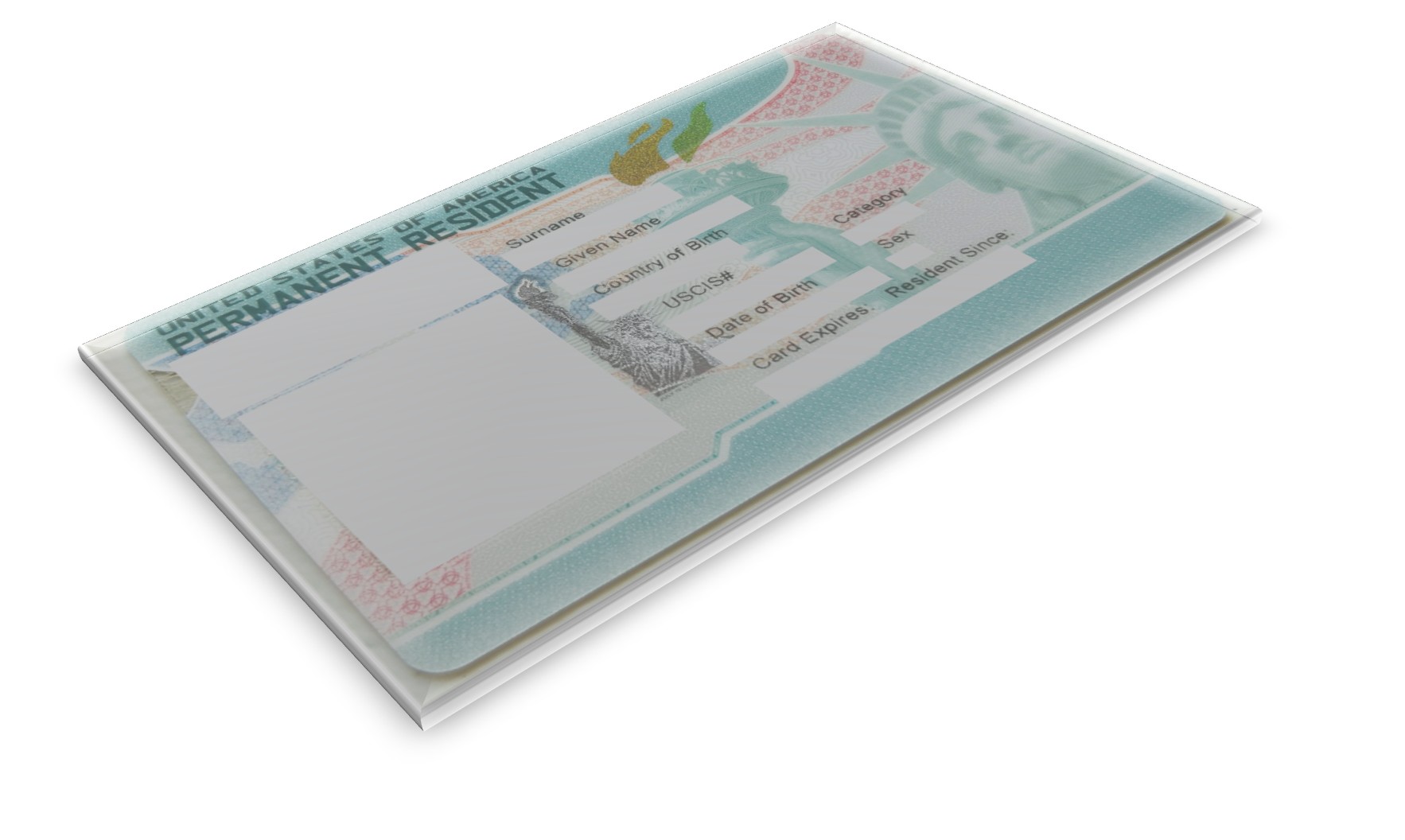
The legacy Resident Alien Cards often featured a pinkish-white background or a simple light blue pattern with a visible signature on the front. Modern Permanent Resident Cards are primarily green and feature highly complex holographic images of the Statue of Liberty, an American flag, and intricate micro-printing that is difficult to replicate.
Final Recommendation
If you currently possess a document labeled Resident Alien Card, your primary goal should be to verify its expiration date. If the card is expired or was issued over 30 years ago without an expiration date, you should initiate the renewal process via Form I-90 as soon as possible. While your legal status as a permanent resident remains intact, the "Resident Alien" branding is an artifact of an older system. Transitioning to a modern Permanent Resident Card ensures your documentation is compatible with 2026 security standards, simplifies international travel, and streamlines any future employment or naturalization processes.
Image Gallery