Understanding Airport Ground Delays: Causes, Impacts, and Passenger Rights
A ground delay is an air traffic control management initiative where departing flights are held at their departure gates or hardstands instead of being cleared for takeoff, usually implemented to match arrival capacity at congested des...
A ground delay is an air traffic control management initiative where departing flights are held at their departure gates or hardstands instead of being cleared for takeoff, usually implemented to match arrival capacity at congested destination airports or to manage severe weather disruptions en route.
Contents
Air travel relies on a delicate balance of timing, weather windows, and airspace capacity. When this balance is disrupted by severe weather, equipment outages, or overwhelming air traffic volume, air traffic control agencies must intervene to maintain safety across the national airspace system. One of the primary tools utilized by aviation authorities is the ground delay. Understanding how these delays work, why they happen, and what rights passengers retain during them can help travelers navigate the complexities of modern commercial aviation.
What is a Ground Delay and How Does it Function?
A ground delay is a regulatory measure enacted by air traffic control—such as the Federal Aviation Administration (FAA) in the United States or Eurocontrol in Europe—to manage the flow of traffic into a constrained airport or airspace sector. Rather than allowing aircraft to take off and subsequently enter a holding pattern, circle in the air, or burn excessive fuel while waiting for a landing slot, air traffic control restricts the aircraft at its origin airport.
The mechanism relies on precise traffic management programs. When an airport experiences a reduction in capacity—due to low visibility, thunderstorms, or runway maintenance—the acceptance rate of arriving flights drops. Air traffic management computers calculate the discrepancy between scheduled arrivals and available arrival slots. They then assign specific departure clearance times, known as Expect Departure Clearance Times (EDCT), to flights heading to the affected destination.
During a ground delay, the aircraft remains parked at the gate with its doors open or closed, depending on the expected duration and airline policy. Passengers may remain seated on the plane or be asked to deplane if the delay is prolonged. The core objective is safety and efficiency: keeping aircraft on the ground consumes significantly less fuel, reduces airborne congestion, and prevents mid-air holding bottlenecks that strain air traffic controller workloads.
Primary Causes of Airport Ground Delays
Ground delays do not happen at random; they are systematic responses to specific operational bottlenecks. The most common catalyst is adverse weather. Low-pressure systems, heavy snowfall, thick fog, high winds, and severe convective thunderstorms drastically reduce the arrival capacity of an airport. For instance, when thunderstorms line up along a major arrival corridor, air traffic control must route flights around the hazardous cells, effectively narrowing the available airspace and forcing a reduction in landing rates.
Another frequent cause is heavy air traffic volume and scheduling saturation. Major hub airports operate close to 100 percent capacity during peak morning and evening banks. If a single runway is temporarily taken out of service for FOD (Foreign Object Debris) removal, emergency medical equipment response, or minor snow clearing, the system's capacity instantly drops below scheduled demand.
Additionally, technological failures and infrastructure issues trigger ground delay programs. Outdated radar systems, facility power outages, telecommunication glitches, or shortages of certified air traffic controllers can force a regional or national flow control restriction. In these instances, the restriction acts as a safety valve, ensuring that the number of airborne aircraft never exceeds the reduced capacity of the ground infrastructure to manage them safely.
The Ground Delay Program (GDP) vs. Ground Stops
It is essential to distinguish between a general Ground Delay Program and a Ground Stop, as these two air traffic control actions carry vastly different implications for travelers and airline operations.
A Ground Delay Program (GDP) is a tactical, time-extended traffic management initiative. Under a GDP, flights destined for a specific airport are assigned individual delay times at their origin stations, spread out over hours to match the reduced arrival rate. Passengers on a flight under a GDP might experience a delay of 30 minutes, two hours, or more, but the departure time is calculated and managed systematically.
Conversely, a Ground Stop is an emergency measure of last resort. A Ground Stop halts all departures bound for a specific airport or sector across a wide geographic area. No aircraft is permitted to push back or take off for the destination until the ground stop is lifted. Ground stops are typically implemented with little warning due to sudden safety hazards, such as an active tornado over an airfield, a runway excursion, or a catastrophic air traffic control center computer failure.
| Traffic Management Type | Scope of Restriction | Duration | Typical Trigger |
|---|---|---|---|
| Ground Delay Program (GDP) | Origin-specific departure holds for flights heading to a constrained destination. | Moderate to long (hours); calculated via EDCT slots. | Forecasted weather, sustained high volume, reduced arrival capacity. |
| Ground Stop | Complete prohibition of departures heading to a specific airport or sector. | Short to moderate (variable); indefinite until safety is restored. | Sudden severe weather, runway emergencies, system outages. |
| Airborne Holding | Holding patterns in the sky near the destination airport. | Short (limited by aircraft fuel reserves). | Unexpected arrival congestion close to touchdown. |
Passenger Rights and Regulations During Ground Delays
When an aircraft is subjected to a ground delay, passengers often wonder about their legal protections, particularly regarding tarmac delays where passengers are confined inside the aircraft cabin while parked on the tarmac.
Regulatory bodies enforce strict rules regarding tarmac holds. In the United States, the Department of Transportation (DOT) mandates that for domestic flights, airlines cannot permit an aircraft to remain on the tarmac for more than three hours without providing passengers an opportunity to deplane. For international flights originating or departing from U.S. airports, the strict limit is four hours. Exceptions are made exclusively for safety, security, or air traffic control reasons that prevent the pilot from safely taxiing back to a gate.
During these extended holds, airlines are legally required to provide specific amenities:
- Food and Water: Adequate food and potable water must be provided no later than two hours after the aircraft leaves the gate (in departure delays) or touches down (in arrival delays), provided safety or security considerations do not preclude such service.
- Working Lavatories: Fully operational lavatories must be maintained throughout the duration of the delay.
- Medical Attention: Adequate medical assistance must be available if a passenger experiences a health emergency while on board.
- Comfortable Cabin Climate: The aircraft must maintain a comfortable cabin temperature and adequate ventilation.
Failure to comply with these regulations can result in severe financial penalties for the airline per affected passenger. However, these rules apply strictly to tarmac delays—times when the aircraft has pushed back or landed and is stuck on the pavement. If an aircraft is held at the departure gate with the doors open and passengers permitted to enter and exit the terminal, the tarmac delay clock does not run in the same manner.
How Airlines and Air Traffic Control Coordinate Delays
Managing a ground delay requires intricate digital coordination between airlines, airport operators, and air traffic control authorities like the FAA’s Air Traffic Control System Command Center (ATCSCC). When a capacity reduction is anticipated, traffic management coordinators analyze demand data and establish a flow control initiative.
Airlines receive these restrictions through automated aviation messaging systems. Airline dispatchers and system operations control (SOC) centers then review their schedule and determine how to absorb the delay efficiently. Airlines utilize sophisticated software tools to swap departure slots between their own flights, prioritizing international arrivals, connecting bank banks, or high-yield routes.
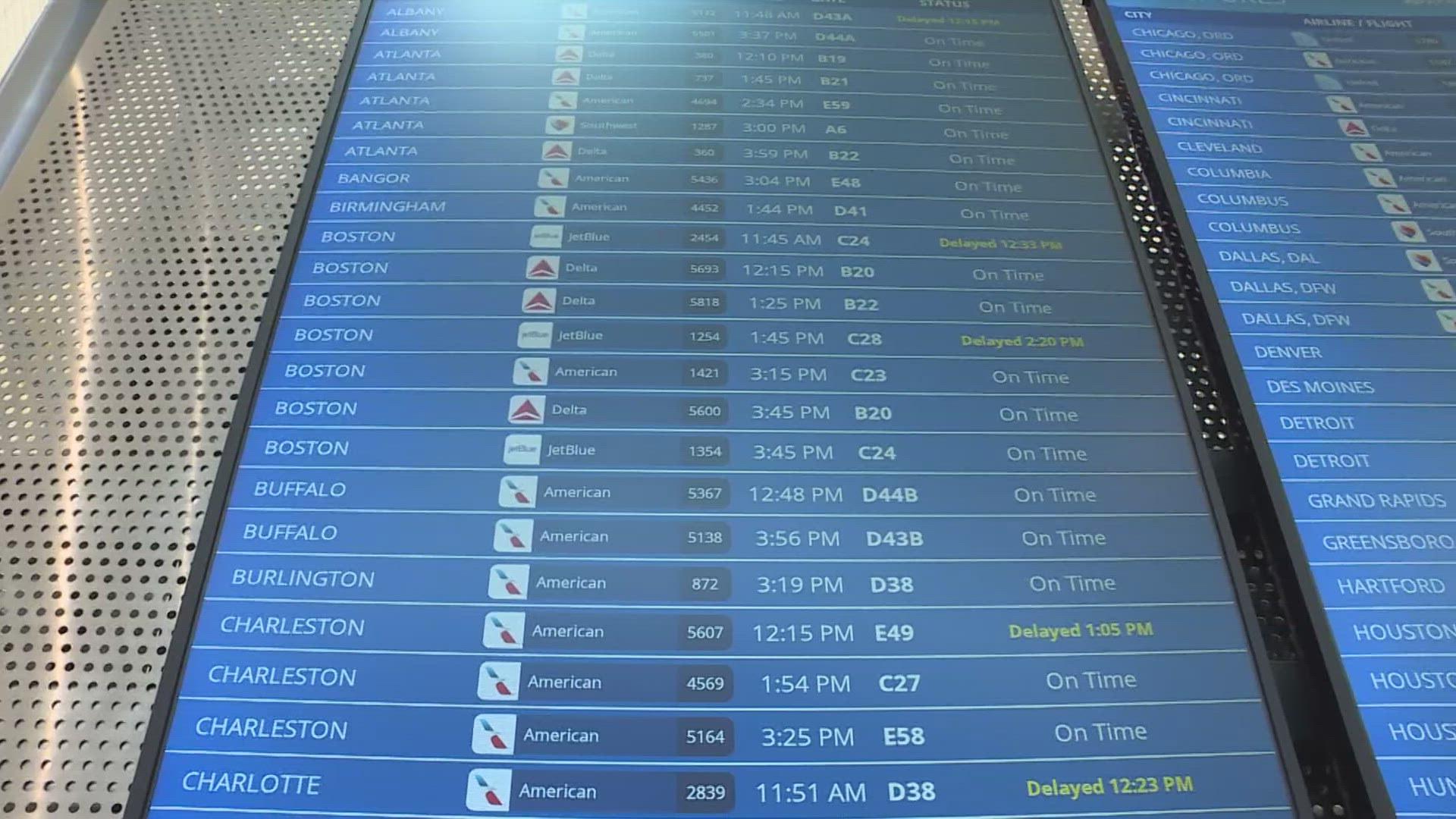
For passengers, this coordination manifests as updated departure times on flight status boards and mobile applications. When an Expect Departure Clearance Time (EDCT) is assigned, the flight cannot push back from the gate until that precise minute arrives. Attempting to push back early or taxi out of sequence violates air traffic control instructions and can result in severe administrative penalties for the flight crew and airline.
Common Misconceptions About Airport Ground Delays
Travelers often hold several misconceptions regarding why ground delays occur and how airlines manage them. Recognizing these operational realities can clarify why certain decisions are made during disruptions.
One common myth is that airlines intentionally manufacture or exaggerate delays for operational convenience. In reality, ground delays are mandated and strictly controlled by government air traffic management agencies, not the commercial airlines. Airlines lose millions of dollars during ground delays due to crew scheduling conflicts, missed connections, and wasted fuel burn during taxi operations.
Another misconception is that an airline can simply request an exemption or bypass a ground delay to make up time. Because air traffic control manages the National Airspace System as a unified grid, bypassing a flow control restriction creates immediate safety risks and potential airborne congestion hazards. Every flight slot is tracked via radar and flight plan automation; unauthorized departures are intercepted and penalized.
Finally, passengers frequently assume that if the weather looks clear at their departure airport, no weather-related ground delay should apply. Air traffic management is systemic. A flight departing from a sunny airport in Chicago heading to a stormy airport in New York will be held in Chicago because New York cannot safely accept the arrival stream. The weather constraint exists at the destination or along the en-route flight path, not necessarily at the point of origin.
Practical Strategies for Travelers Facing Ground Delays
Navigating a ground delay successfully requires proactive preparation and calm execution. When an air traffic control program is implemented, traditional rules of travel logistics shift.
First, monitor official aviation tracking tools rather than relying solely on airline gate displays, which can sometimes experience data lag. Real-time traffic management logs and air traffic control advisories provide early indicators of how long a ground delay program might be extended or whether a ground stop is likely to be upgraded.
Second, understand your deplaning options. If your flight is sitting at the gate under a ground delay, listen carefully to flight crew announcements. If the delay is projected to exceed an hour or two, passengers often have the right to request to deplane and return to the terminal. However, be aware that deplaning may require your checked baggage to be offloaded, which can result in missing the flight entirely if the ground delay suddenly lifts and the aircraft departs.
Third, maintain digital connectivity and leverage airline mobile applications. If a ground delay threatens your connecting flight, use the airline app or customer service chat functions to secure alternative routing before the queue at the airport service desk becomes overwhelming. Automated rebooking tools can place you on the next available flight while you are still seated in the terminal.
Finally, purchase travel insurance that covers trip interruption and delay contingencies, or book tickets using credit cards that offer comprehensive travel protection benefits. These policies often reimburse unexpected meal, transport, and hotel expenses incurred during prolonged air traffic control disruptions.
Frequently Asked Questions
What is an EDCT and how does it affect my flight?
An EDCT stands for Expect Departure Clearance Time. It is a specific departure time assigned by air traffic control to a flight under a ground delay program. Your aircraft cannot legally push back from the gate or taxi for takeoff before this exact minute, ensuring the destination airport is not overwhelmed with arriving traffic.
Can airlines ignore a ground delay order?
No. Air traffic control orders, including ground delay programs and ground stops, are legally binding federal directives. Airlines and pilots who violate these directives face severe regulatory fines, loss of operating privileges, and heightened safety scrutiny from aviation authorities.
Are airlines required to compensate passengers for ground delays?
Compensation requirements depend heavily on jurisdiction. In the United States, airlines are not legally required to provide cash compensation for weather or air traffic control delays, though they must provide food, water, and restroom access during extended tarmac holds. In the European Union (EU261 regulations) and the United Kingdom, extraordinary circumstances like severe weather are generally considered outside the airline's control, exempting them from statutory cash compensation, though care and assistance obligations still apply.
What happens to my checked luggage if I deplane during a tarmac delay?
If you choose to deplane during an extended tarmac delay and leave the aircraft, airlines must follow strict security protocols. In many cases, if a passenger permanently leaves a flight, their checked baggage must be located and offloaded from the cargo hold before the aircraft can depart, which can cause significant further delays for all remaining passengers.
How can I check if a ground delay program is active at my airport?
Travelers can check live air traffic management programs directly through official government aviation websites, such as the Federal Aviation Administration’s Air Traffic Control System Command Center (ATCSCC) status page, or by using commercial flight tracking services that display airport arrival and departure delay advisories in real time.
Summary and Next Actions
Ground delays are an unavoidable reality of modern commercial aviation, serving as a vital safety mechanism designed to balance airspace demand with airport capacity. While frustrating for travelers, understanding that these holds are governed by air traffic control authorities rather than airline preference provides clarity during disruptions.
When facing an airport ground delay, monitor your flight's Expect Departure Clearance Time, track weather patterns along your route, utilize airline mobile applications for instant rebooking options, and remember your rights regarding tarmac delay limits and basic passenger amenities. By staying informed and prepared, you can navigate air traffic management restrictions with minimal stress and maintain control over your travel itinerary.
Image Gallery