Auto Cycle Insurance in CT Explained: A Comprehensive 2026 Guide
In Connecticut, an "autocycle" is a three-wheeled motor vehicle equipped with a steering wheel and seating that does not require the operator to straddle or sit astride the vehicle. To legally operate an autocycle in CT, you must maint...
In Connecticut, an "autocycle" is a three-wheeled motor vehicle equipped with a steering wheel and seating that does not require the operator to straddle or sit astride the vehicle. To legally operate an autocycle in CT, you must maintain a specialized insurance policy that meets the state's minimum liability requirements of $25,000 per person, $50,000 per accident, and $25,000 for property damage.
Contents
Understanding the Autocycle Designation in Connecticut
To navigate the insurance landscape, one must first understand how Connecticut law defines the vehicle. According to Connecticut General Statutes § 14-1, an autocycle is distinct from a traditional motorcycle. While a motorcycle generally involves a straddle-seat and handlebar steering, an autocycle—such as the Polaris Slingshot or the Vanderhall—utilizes a cockpit, steering wheel, and pedals similar to a passenger car.
Despite these automotive-style controls, the Connecticut Department of Motor Vehicles (DMV) and insurance carriers often categorize them in a "hybrid" space. For registration purposes, they are frequently treated similarly to motorcycles, but for licensing, they are more accessible. As of 2026, Connecticut residents only need a standard Class D driver's license to operate an autocycle; a specialized motorcycle endorsement (M endorsement) is not required. This distinction is critical because it influences how insurance underwriters assess risk. Since the barrier to entry is lower than a motorcycle, insurers look closely at driving records rather than specialized motorcycle safety course completions.
Minimum Insurance Requirements in Connecticut for 2026
Connecticut is a "fault" state, meaning the person responsible for a multi-vehicle accident is liable for the resulting damages. To protect the public and the owner, the state mandates specific minimum coverage levels. These limits apply to autocycles just as they do to passenger vehicles and motorcycles.
Mandatory Liability Coverage
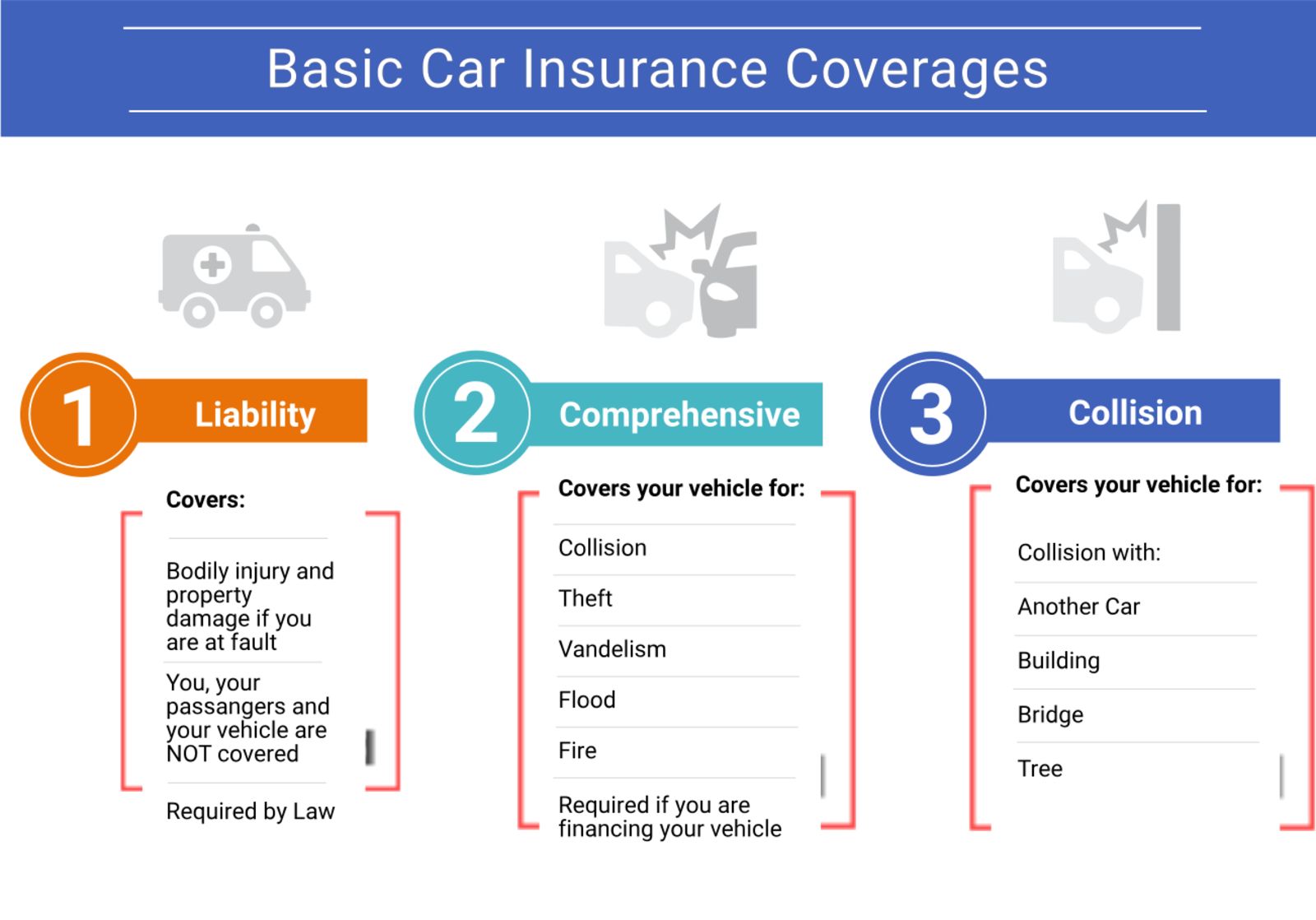
Liability insurance covers injuries or property damage you cause to others. In Connecticut, you must carry at least:
- $25,000 Bodily Injury per person: The maximum amount your insurance will pay for a single person's medical expenses in an accident you caused.
- $50,000 Bodily Injury per accident: The total cap for all individuals injured in a single incident.
- $25,000 Property Damage: Covers repairs to other vehicles, fences, or structures damaged in the accident.
Uninsured and Underinsured Motorist (UM/UIM) Coverage
Connecticut law also requires Uninsured/Underinsured Motorist coverage. This is a vital protection for autocycle owners. Because these vehicles are often more exposed than traditional cars, being hit by a driver without insurance can lead to devastating financial and physical consequences.
- UM coverage protects you if you are hit by a driver who has no insurance.
- UIM coverage kicks in if the at-fault driver’s insurance limits are too low to cover your total medical bills.
The state minimum for UM/UIM matches the liability limits ($25,000/$50,000), though many agents recommend higher limits given the high cost of modern medical care in the New England region.
Optional but Recommended Autocycle Coverages
While the state only mandates liability and UM/UIM, the unique nature of three-wheeled vehicles often necessitates additional protection. Autocycles are frequently higher-value "toy" vehicles used for recreation, making them targets for theft or susceptible to weather-related damage.
Comprehensive and Collision Coverage
If you are financing your autocycle, your lender will require these coverages. Even if you own the vehicle outright, they are highly advisable.
- Collision Insurance: This pays for damages to your autocycle resulting from a collision with another vehicle or an object (like a tree or guardrail), regardless of who is at fault.
- Comprehensive Insurance: This covers "non-collision" events. Given that many autocycles have open cockpits, they are vulnerable to theft, vandalism, fire, and animal strikes.
Custom Parts and Equipment (CPE)
Autocycle owners are known for customization. From aftermarket lighting kits to high-end audio systems and custom paint, the value of modifications can quickly exceed $5,000 or $10,000. Standard insurance policies usually only cover the vehicle as it left the factory. If you have modified your ride, you should add Custom Parts and Equipment coverage to ensure your investments are protected in a total loss scenario.
Roadside Assistance and Trip Interruption
Because autocycles are often used for touring or weekend trips along the Connecticut shoreline or through the Litchfield Hills, breakdown coverage is a practical addition. Towing a three-wheeled vehicle requires specialized flatbed equipment; a standard "hook" tow truck can damage the drivetrain or chassis.
Factors Influencing Autocycle Insurance Rates in CT
Insuring an autocycle in Connecticut can sometimes be more expensive than insuring a sedan, but cheaper than a high-performance sportbike. Several variables determine the premium for 2026:
- Vehicle Type and Value: A high-end Vanderhall Carmel with an enclosed cabin and premium finishes will cost more to insure than a base-model Polaris Slingshot.
- Operator Age and Experience: While a motorcycle endorsement isn't required, insurers still favor older, more experienced drivers. A 20-year-old with a new Class D license will face significantly higher premiums than a 45-year-old with a clean 20-year driving history.
- Usage Patterns: Is the autocycle a daily commuter or a "sunny day" vehicle? Connecticut insurers often offer discounts for low-mileage usage or "lay-up" periods during the winter months (typically November through March) when the vehicle is stored in a garage.
- Location: Rates in urban centers like Bridgeport, Hartford, or New Haven are generally higher than in rural towns like Sharon or East Haddam due to higher risks of theft and traffic density.
Comparison: Autocycle vs. Motorcycle vs. Car Insurance in CT
| Feature | Autocycle | Motorcycle | Passenger Car |
|---|---|---|---|
| CT License Required | Class D (Standard) | Class M (Motorcycle) | Class D (Standard) |
| Minimum Liability | 25/50/25 | 25/50/25 | 25/50/25 |
| Helmet Law (CT) | Only under 18* | Only under 18* | N/A |
| Safety Features | Seatbelts/Roll-bar | None | Airbags/Crumple zones |
| Typical Policy Type | Motorcycle or Specialty | Motorcycle | Personal Auto |
*Note: While CT law specifies age-based helmet requirements, some insurance carriers may offer discounts for helmet use or mandate them as a condition of specialized high-performance coverage.
How to Register and Insure Your Autocycle in Connecticut
The process for getting an autocycle on the road involves a specific sequence of actions to ensure you are compliant with both the DMV and state law.
Step 1: Secure Insurance
You cannot register a vehicle in Connecticut without proof of insurance. Contact an agent who specializes in powersports or motorcycle insurance. Ensure the VIN (Vehicle Identification Number) is correctly identified as an autocycle so the policy reflects the correct vehicle type. Using a standard "auto" policy for a three-wheeler may result in a claim denial if the carrier does not support autocycles on that specific policy form.
Step 2: Obtain an Official Bill of Sale and Title
For new autocycles, you will need the Manufacturer’s Certificate of Origin (MCO). For used vehicles, you need the previous owner’s title signed over to you.
Step 3: Visit the DMV or Partner Office
Bring your proof of insurance (Card or ACORD form), the title/MCO, and a completed Application for Registration and Title (Form H-13B). You will be required to pay sales tax (6.35% for vehicles under $50,000; 7.75% for those over $50,000) and registration fees.
Common Mistakes to Avoid
- Assuming Standard Auto Insurance Covers It: Many drivers try to add an autocycle to their existing GEICO or Progressive "car" policy. While these companies insure autocycles, they usually do so under their motorcycle or powersports division, not the standard auto policy.
- Neglecting Underinsured Motorist Coverage: Because autocycles lack the steel cage of a car, injuries in an accident are often more severe. Selecting the bare minimum UIM coverage can leave you with hundreds of thousands of dollars in medical debt if a low-limit driver hits you.
- Forgetting Seasonal Storage Rules: If you choose a "lay-up" policy to save money in the winter, remember that the vehicle is not covered if you take it out for a rare warm day in January. Always call your agent to reactivate full coverage before hitting the road.
Frequently Asked Questions
Do I need a motorcycle license for a Slingshot in CT?
No. As of 2026, Connecticut law classifies these as autocycles, which only require a standard Class D driver's license. You do not need to take a motorcycle safety course or hold an "M" endorsement to legally drive one.
Are autocycles required to have seatbelts in Connecticut?
Yes. By definition, an autocycle in CT is a three-wheeled vehicle where the operator does not straddle the seat. These vehicles come equipped with seatbelts and often roll-over protection bars. Under CT law, seatbelt use is mandatory for the driver and any passengers.
Can I get a multi-policy discount?
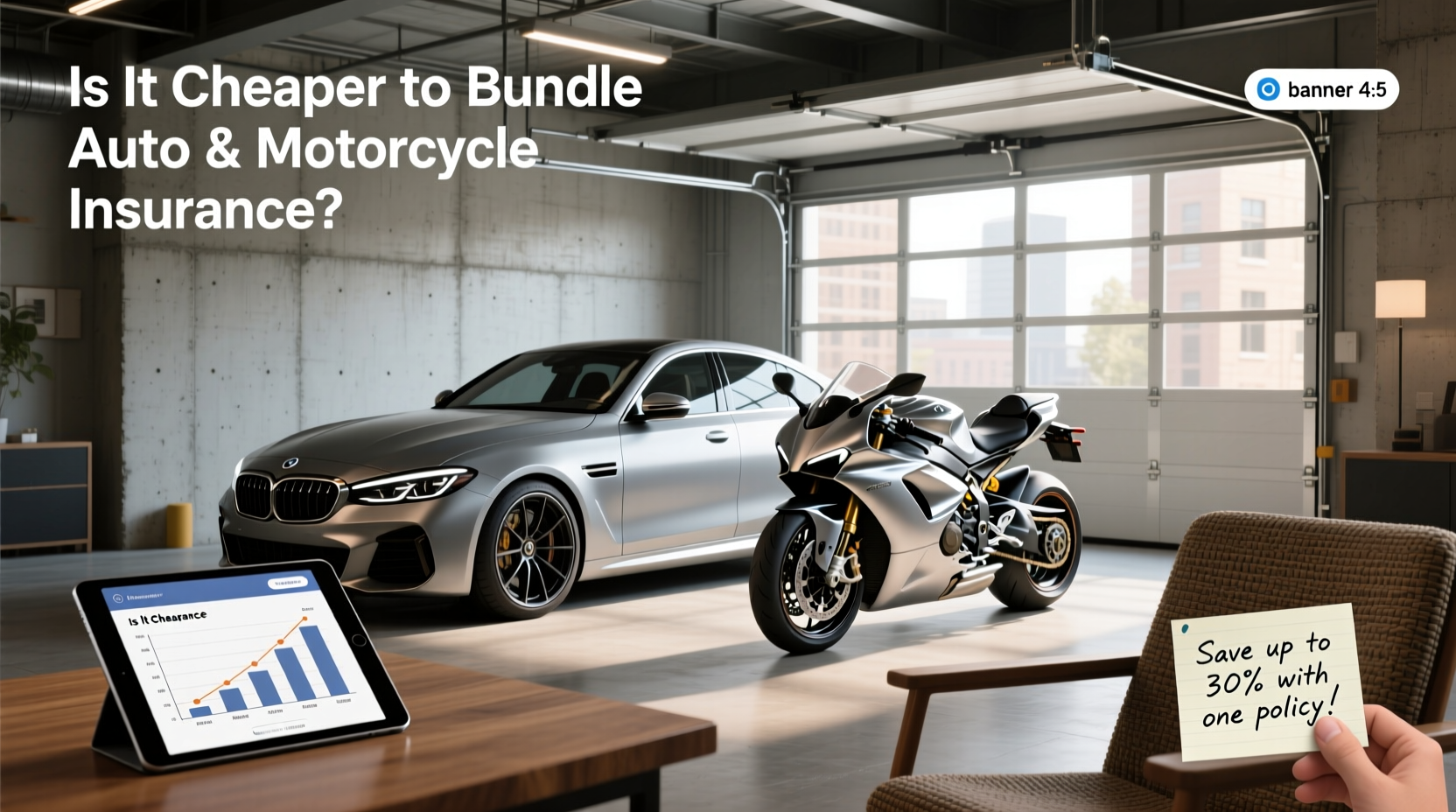
Most major carriers in Connecticut offer multi-policy discounts if you bundle your autocycle insurance with your homeowners, renters, or primary auto insurance. This is often the most effective way to lower your premiums.
Is an autocycle covered under my umbrella policy?
In most cases, yes, but only if your underlying autocycle policy has high enough liability limits. Most umbrella policies require you to carry at least $250,000/$500,000 in underlying liability. If you only carry the CT state minimums, your umbrella policy will not "gap" the difference.
Does CT require a helmet in an autocycle?
Connecticut law requires helmets for motorcycle operators and passengers under the age of 18. While an autocycle is technically a three-wheeled motorcycle under some federal definitions, the presence of a roll-cage and seatbelts changes the safety profile. However, it is highly recommended to wear a helmet in open-cockpit autocycles to protect against road debris.
Final Recommendation for 2026 Owners
When seeking autocycle insurance in Connecticut, do not settle for the state minimums. Given the unique exposure of three-wheeled vehicles and the high cost of litigation and medical care in 2026, aim for liability limits of at least $100,000/$300,000. Additionally, specifically request Agreed Value coverage if you own a high-end or vintage three-wheeler; this ensures that in the event of a total loss, you receive a pre-determined amount rather than a depreciated "market value" that might not account for the vehicle's rarity or custom upgrades.
Image Gallery