How Long to Cook Brown Beans: A Complete 2026 Guide to Methods and Timing
To cook brown beans to a creamy, tender consistency, you should expect to spend 45 to 90 minutes for stovetop simmering if the beans have been pre-soaked. In an electric pressure cooker, the time reduces significantly to 20 to 30 minut...
To cook brown beans to a creamy, tender consistency, you should expect to spend 45 to 90 minutes for stovetop simmering if the beans have been pre-soaked. In an electric pressure cooker, the time reduces significantly to 20 to 30 minutes. Unsoaked beans require more time, typically 1.5 to 2.5 hours on the stovetop.
Contents
Brown beans, encompassing varieties like the Swedish Brown (bruna bönor), Pinto, and Roman beans, are dietary staples valued for their protein content and earthy flavor. However, achieving the perfect texture—where the bean is soft through the center but the skin remains intact—requires an understanding of heat transfer, hydration, and the specific variety of bean you are using. In 2026, with the prevalence of high-efficiency multi-cookers and a renewed focus on traditional "slow-food" techniques, mastering the timing for these legumes is essential for both nutrition and culinary excellence.
Understanding the "Brown Bean" Category
Before setting a timer, it is important to identify exactly which bean you are cooking. While "brown beans" is a generic term, it usually refers to a few specific cultivars:
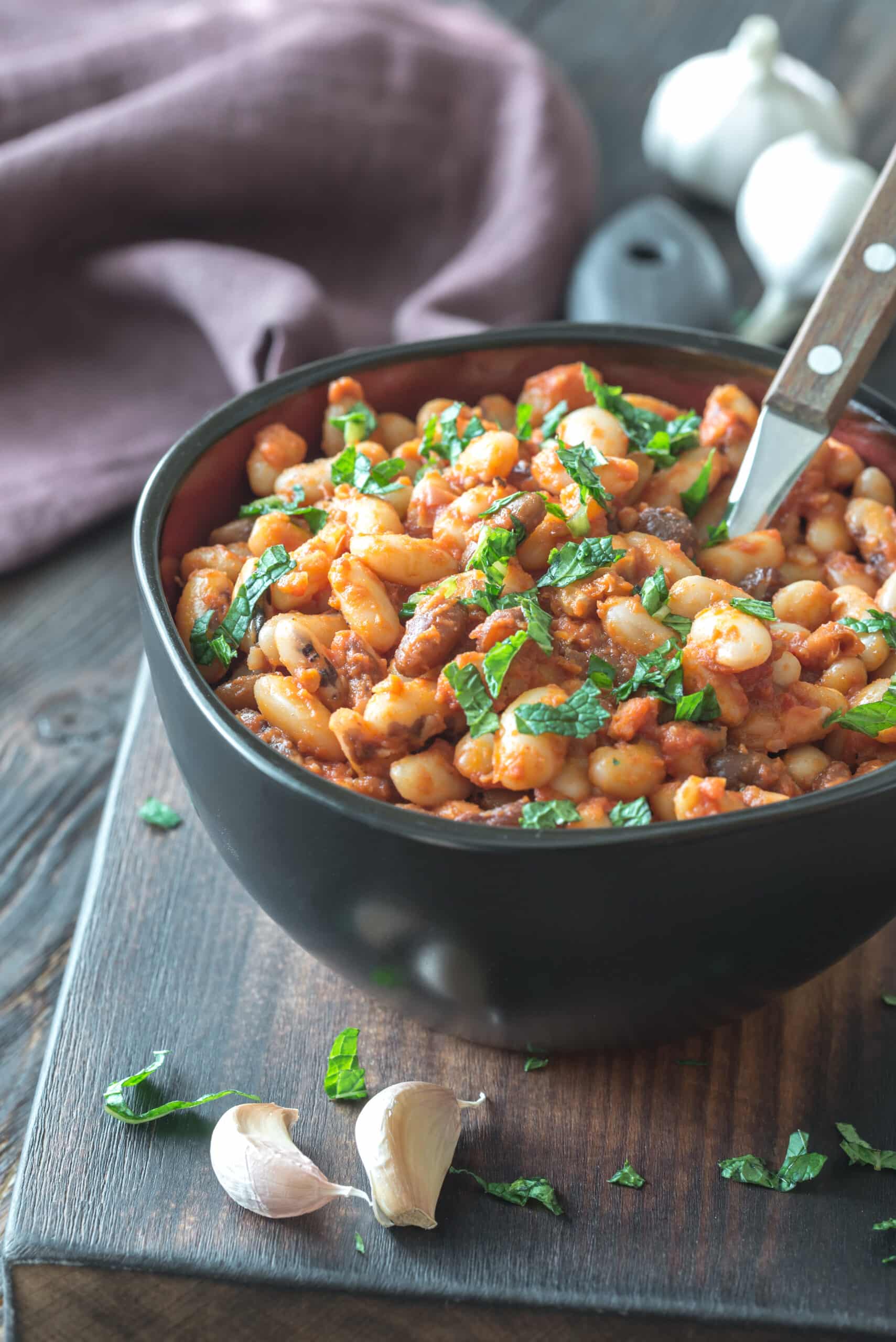
- Swedish Brown Beans: Small, oval, and tan-colored. These are traditionally used in Scandinavian cuisine, often prepared with a sweet-and-sour sauce. They have a delicate skin and creamy interior.
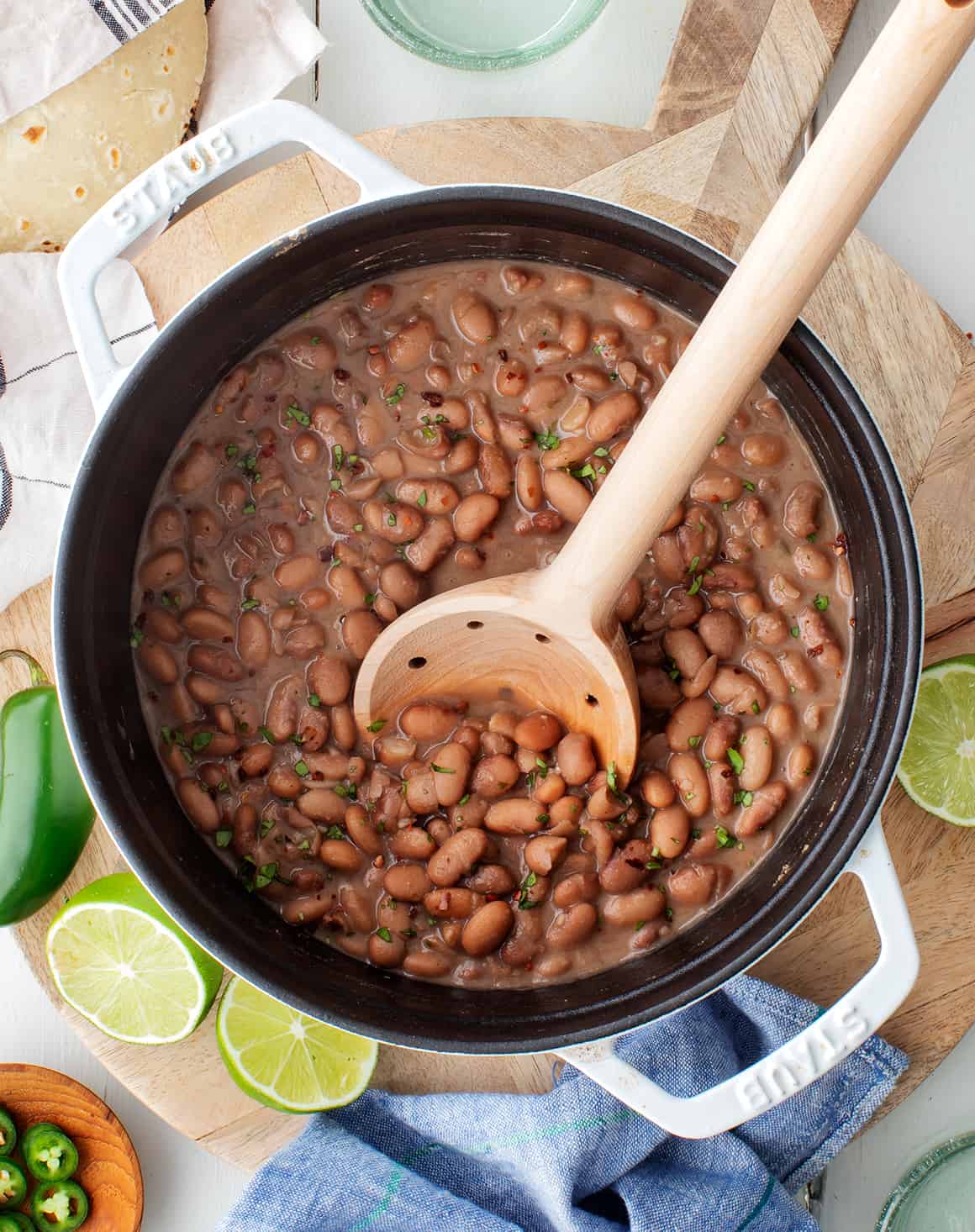
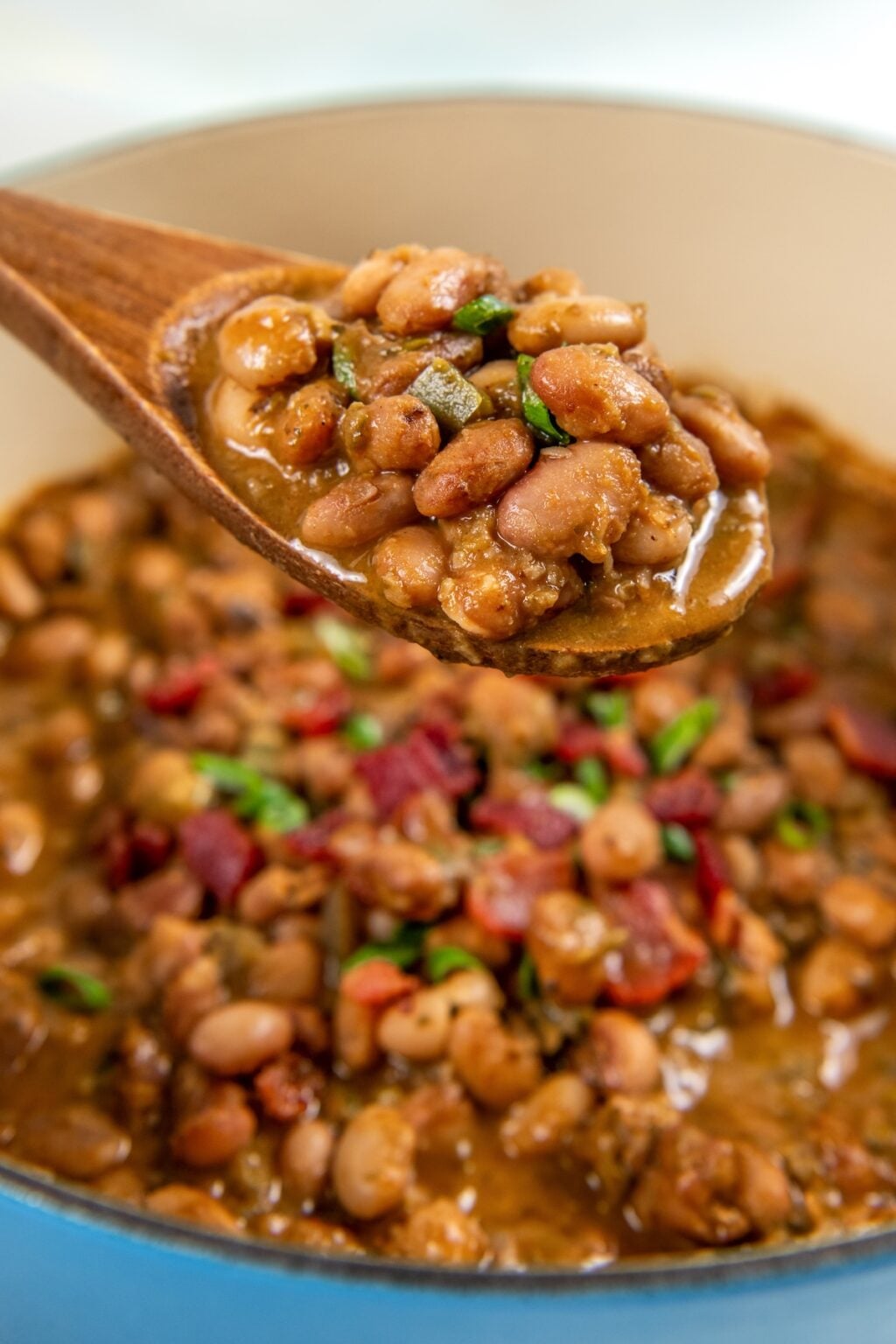
- Pinto Beans: Perhaps the most common brown bean in North America. They are speckled when raw but turn a solid pinkish-brown when cooked. They are slightly sturdier than Swedish varieties.
- Borlotti (Cranberry) Beans: These have a marbled appearance that fades to a uniform brown/tan after boiling. They are nuttier and denser.
- Dutch Brown Beans: Similar to the Swedish variety, these are popular in stews and are known for their ability to thicken the cooking liquid naturally.
Each variety has a slightly different starch-to-fiber ratio, which influences how long the cell walls take to break down under heat.
The Preparation Phase: Why Soaking Matters
The time you spend cooking is directly affected by the time you spend prepping. Soaking is not merely a traditional step; it is a chemical process that hydrates the starch granules and dissolves complex sugars (oligosaccharides) that can cause digestive discomfort.
The Overnight Soak (8–12 Hours)
This is the gold standard. By allowing the beans to sit in cold water overnight, you ensure that moisture reaches the very center of the bean. This reduces the actual boiling time by roughly 25% to 30%. In 2026, most culinary experts still recommend this method for the most uniform texture.
The Power Soak (Quick Soak)
If you are short on time, place the beans in a pot, cover with two inches of water, and bring to a rolling boil for two minutes. Remove from heat, cover, and let them sit for one hour. This mimics the hydration of an overnight soak and allows you to move to the cooking phase much sooner.
Stovetop Cooking Times and Techniques
The stovetop remains the most common method for cooking brown beans because it allows the cook to monitor the texture and adjust the seasoning throughout the process.
Soaked Brown Beans
Once soaked and rinsed, place the beans in a heavy-bottomed pot. Cover with fresh water (about 2-3 inches above the beans).
- Time: 45 to 75 minutes.
- Procedure: Bring the water to a boil, then immediately reduce to a very low simmer. Cooking beans at a hard boil will cause them to bounce against each other, leading to broken skins and a mushy exterior while the inside remains grainy.
Unsoaked Brown Beans
If you skip the soak, the "testa" (the outer skin) remains tough for a longer duration.
- Time: 1 hour 45 minutes to 2 hours 30 minutes.
- Procedure: You will need to add more water periodically as it evaporates. The extended cooking time also means more nutrients may leach into the water, so using this liquid in your final dish (like a soup or stew) is highly recommended.
Modern Pressure Cooker (Instant Pot) Times
The adoption of electric pressure cookers has revolutionized legume preparation. Pressure cooking forces moisture into the bean at temperatures exceeding the standard boiling point (212°F or 100°C).
| Method | Soaked Time | Unsoaked Time | Pressure Level |
|---|---|---|---|
| Swedish Brown | 15–20 mins | 30–35 mins | High |
| Pinto Beans | 20–25 mins | 40–50 mins | High |
| Roman/Borlotti | 20–25 mins | 45–55 mins | High |
| Dutch Brown | 18–22 mins | 35–40 mins | High |
Critical Safety Note: When pressure cooking beans, never fill the pot more than halfway. Beans create foam as they cook, which can clog the pressure valves. Always use a Natural Release (allowing the pressure to drop on its own for 15–20 minutes) rather than a Quick Release. A sudden drop in pressure can cause the beans to literally explode inside their skins.
Slow Cooker and Oven-Baking Methods
For those who prefer a "set-and-forget" approach, the slow cooker or oven-baking methods are ideal, especially for traditional recipes like Boston Baked Beans or Swedish Bruna Bönor.
The Slow Cooker
- Low Setting: 8 to 10 hours.
- High Setting: 5 to 7 hours.
- Caution: Always boil brown beans for at least 10 minutes on the stovetop before putting them in a slow cooker. Many brown bean varieties contain phytohaemagglutinin (a lectin), which can cause food poisoning if not neutralized by high heat. Slow cookers sometimes fail to reach the temperature necessary to destroy this toxin.
Oven-Baking (The Dutch Oven)
Baking beans in a heavy cast-iron Dutch oven provides a consistent, 360-degree heat source.
- Temperature: 325°F (163°C).
- Time: 2 to 4 hours, depending on whether they were soaked. This method is superior for developing deep, caramelized flavors in the cooking liquid.
Scientific Factors Affecting Cook Time
It is frustrating when beans remain hard even after hours of boiling. This is usually due to one of three environmental factors:
1. Water Hardness
If your tap water is high in minerals like calcium and magnesium (hard water), these minerals can bond with the pectin in the bean’s cell walls, strengthening them and preventing them from softening. In 2026, many home cooks use filtered water or add a tiny pinch of baking soda (1/8 teaspoon per pound) to the water to increase the pH and soften the skins.
2. Acidic Ingredients
Adding acidic components like tomatoes, vinegar, lemon juice, or molasses too early in the cooking process will keep the beans hard indefinitely. Acid prevents the starch from gelatinizing. Rule of thumb: Always add acidic seasonings only after the beans have reached your desired tenderness.
3. The Age of the Bean
Dried beans are not immortal. If a bag of brown beans has been sitting in a pantry for three or four years, the starches undergo a chemical change called "hard-to-cook" (HTC) defect. These beans may never soften, regardless of how long you boil them.
Troubleshooting and Determining Doneness
To check if your brown beans are finished, use the "Blow Test" or the "Mash Test."
- The Blow Test: Take a few beans on a spoon and blow on them gently. If the skins crack and curl back, they are nearly done.
- The Mash Test: Press a bean against the roof of your mouth with your tongue. It should give way easily without any "gritty" or "chalky" sensation in the center.
If your beans are still tough after the recommended time, add a cup of hot water (never cold water, which can shock the beans and make them tougher) and continue simmering. Check every 10 minutes.
Frequently Asked Questions
Can I cook brown beans without soaking them?
Yes, you can cook brown beans without soaking, but it will take roughly twice as long on the stovetop. You also lose the opportunity to rinse away the flatulence-causing sugars that are released during the soaking process. If you choose not to soak, the pressure cooker is your best tool to save time.
Why do my beans fall apart before they are soft?
This usually happens when the water is kept at a rolling boil rather than a gentle simmer. The mechanical agitation of the boiling water breaks the skins before the interior starch has fully hydrated. To prevent this, keep the water at a "lazy bubble."
Is it safe to eat brown beans that are slightly crunchy?
It is not recommended. Undercooked beans are difficult to digest and contain higher levels of lectins, which can cause gastric distress. Always ensure the center is creamy and fully cooked.
Should I salt the water at the beginning or the end?
There is an old culinary myth that salt toughens beans. Modern testing has shown that salting the soaking water actually helps soften the skins by allowing sodium ions to replace calcium in the pectin. However, you should still avoid adding heavy salt to the boiling water until the beans are about halfway cooked to ensure the best texture.
How long do cooked brown beans last in the fridge?
Cooked brown beans will stay fresh in an airtight container for 4 to 5 days. They also freeze exceptionally well. To freeze, let them cool in their cooking liquid, then store them in freezer-safe bags for up to 6 months.
Final Recommendation for 2026 Cooks
For the best balance of flavor, texture, and energy efficiency, soak your brown beans overnight and cook them in a Dutch oven at a low simmer on the stovetop for 60 minutes. This method allows you to skim off any foam, monitor the texture precisely, and produce a rich, natural gravy from the bean starches. If you are in a rush, the electric pressure cooker is a reliable secondary choice, provided you use the natural pressure release to protect the integrity of the bean skins.
Image Gallery