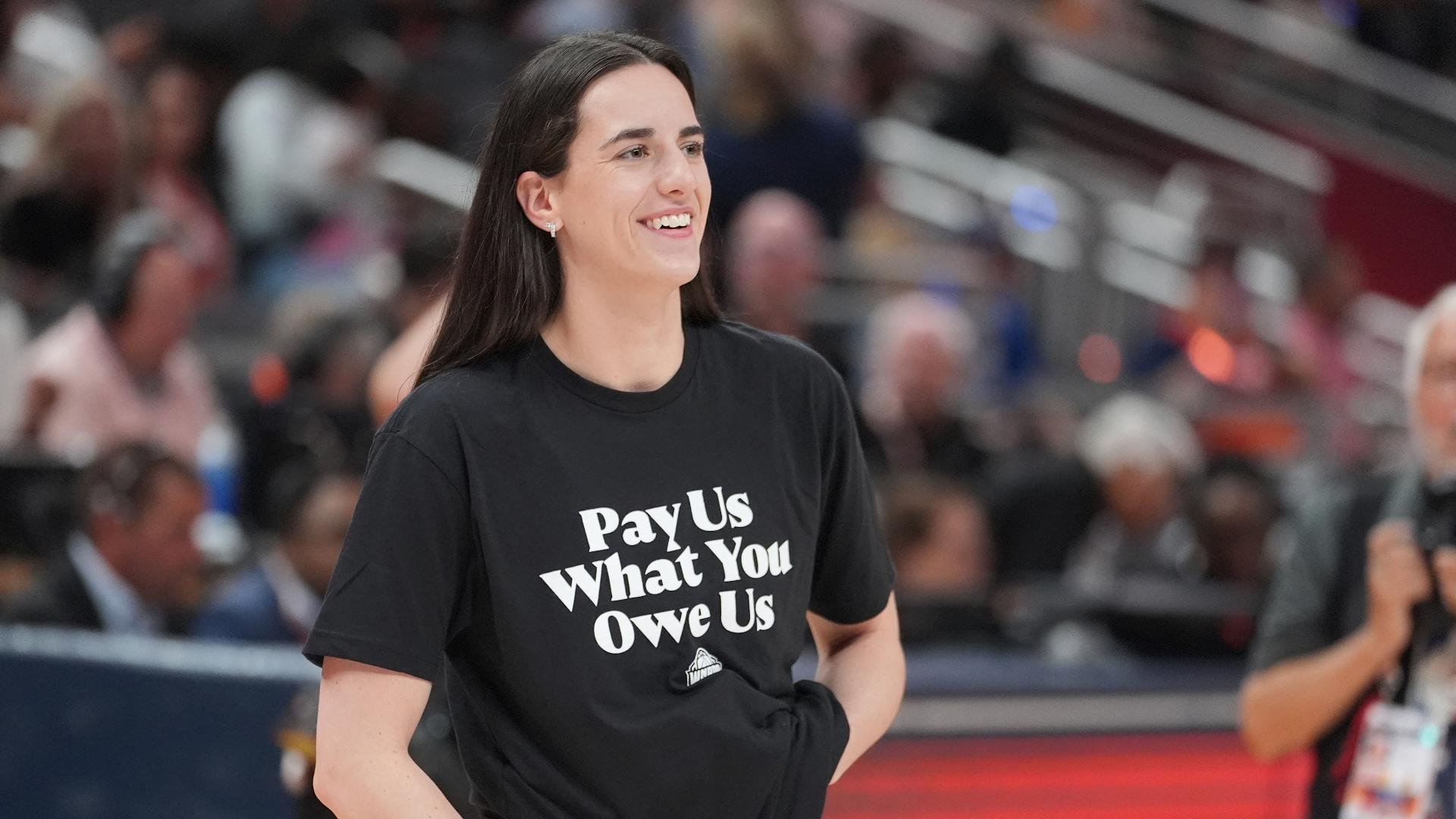
Caitlin Clark and the 2026 WNBA All-Star Game: A Spotlight on the League’s Evolution
The participation of Caitlin Clark in the 2026 WNBA All-Star Game represents a defining moment in the modern era of women’s professional basketball. As one of the league’s most influential figures, Clark’s involvement continues to driv...
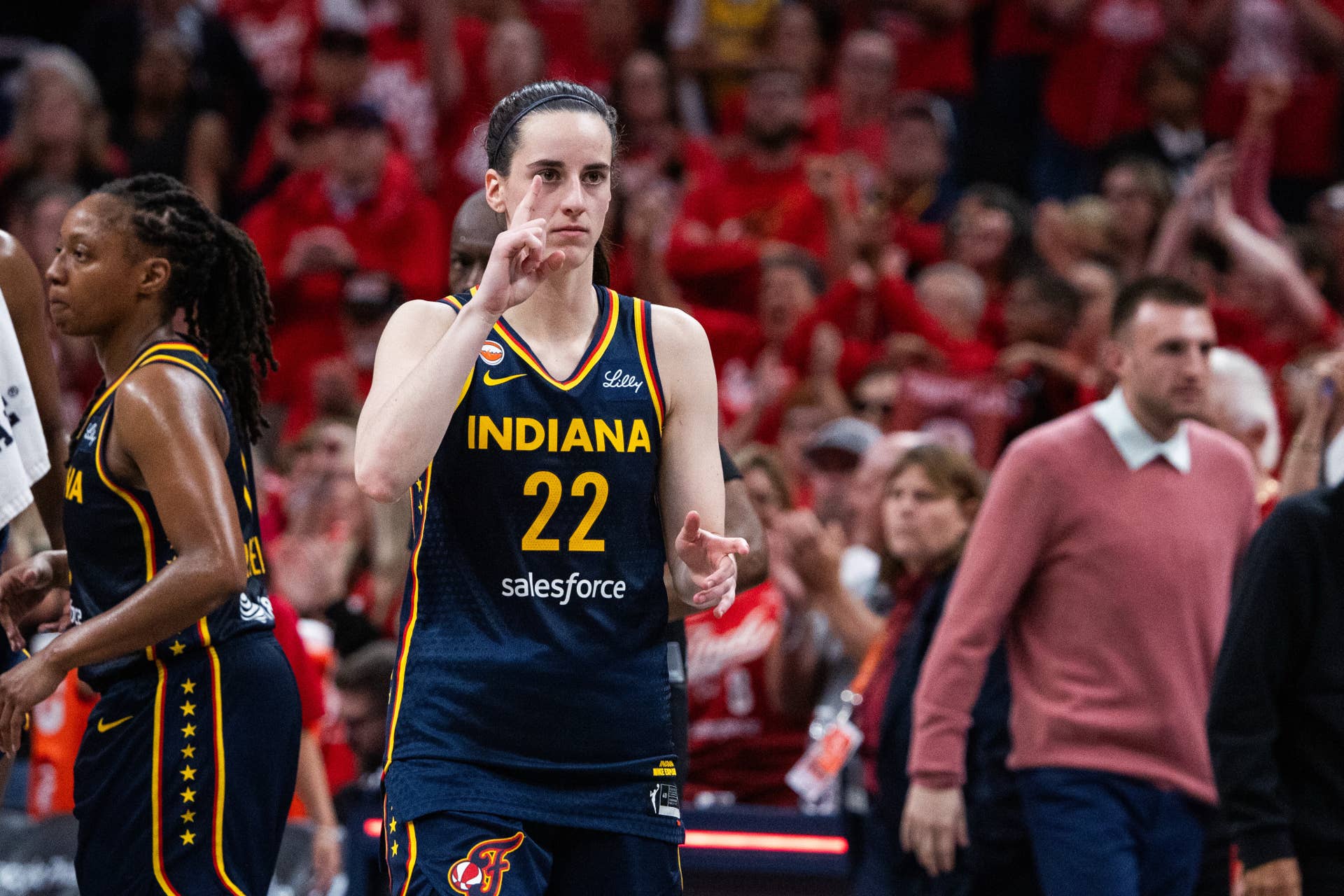
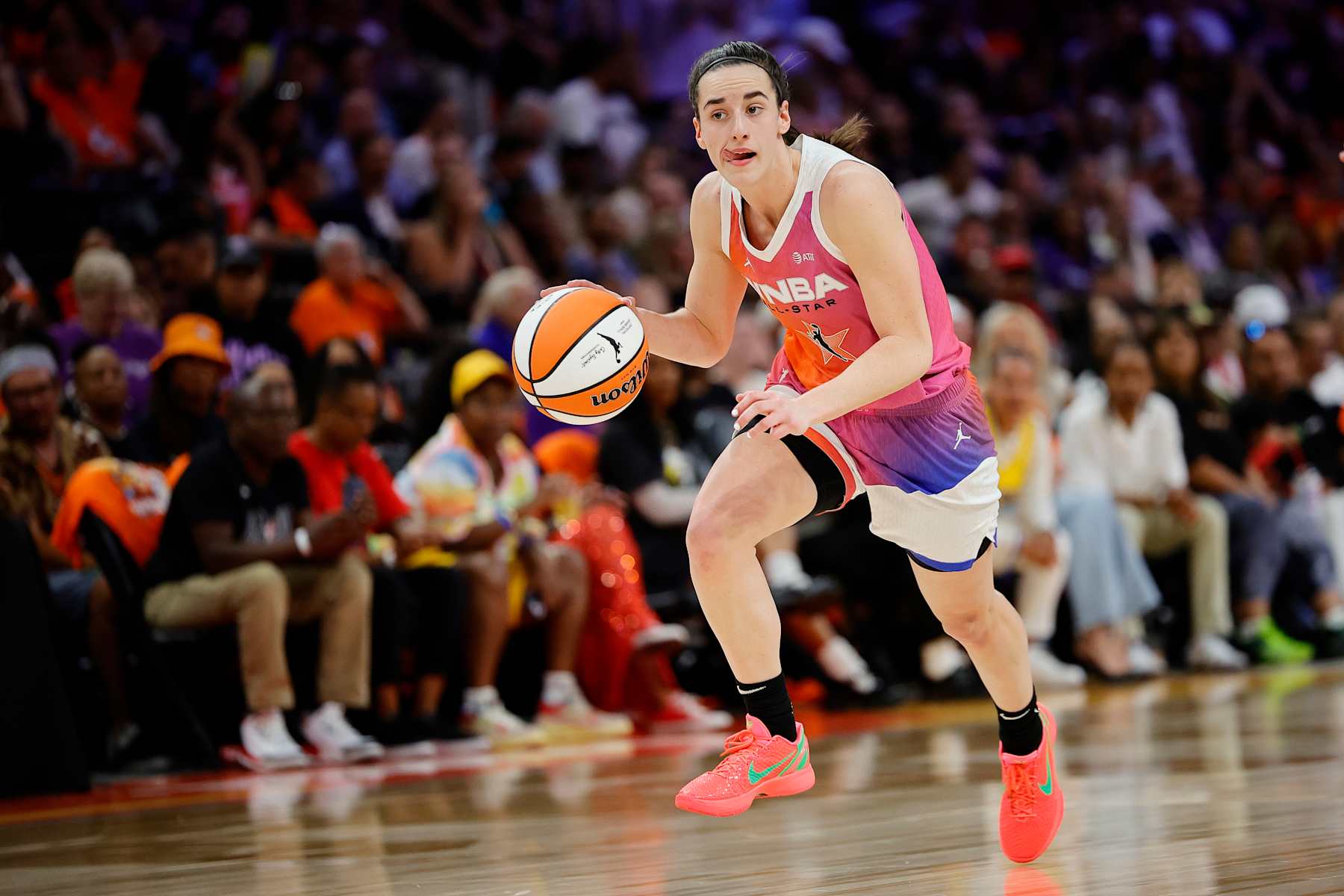
The participation of Caitlin Clark in the 2026 WNBA All-Star Game represents a defining moment in the modern era of women’s professional basketball. As one of the league’s most influential figures, Clark’s involvement continues to drive unprecedented viewership, sponsorship engagement, and technical discourse surrounding the mid-summer classic, serving as a primary barometer for the sport's sustained growth and commercial expansion.
Contents
The Evolution of the WNBA All-Star Selection Process
To understand the weight of Caitlin Clark’s presence in the 2026 All-Star Game, one must examine the rigorous selection process governing the league. WNBA All-Star rosters are determined through a comprehensive voting system that balances fan input, player participation, and media evaluation. By 2026, the league has refined these criteria to ensure that the spectacle remains both competitive and reflective of the highest tier of professional talent.
Fans contribute 50% of the total vote, with players and media members accounting for the remaining 50%. This hybrid model ensures that while popular consensus drives the narrative and commercial appeal, the technical expertise of those within the game—players and journalists—guarantees that the roster reflects actual on-court performance. For players of Clark’s stature, this creates a unique mandate: maintaining statistical excellence throughout the first half of the season is not just a personal goal, but a requirement to validate the massive fan support that consistently places her at the top of the voting leaderboards.
Technical Impact of High-Profile Athletes on Event Operations
The integration of a player like Caitlin Clark into the All-Star weekend imposes significant logistical and operational requirements on the host organization. In 2026, the WNBA has moved beyond viewing All-Star festivities as a single game; it is now a multi-day operation encompassing skills challenges, community outreach, and high-stakes media obligations.
For league officials, managing the "Clark Effect" involves sophisticated crowd management and media credentialing. Because her presence correlates with record-breaking ticket sales and broadcast ratings, the league must ensure that venues are equipped for the heightened technical demands of national prime-time coverage. This includes high-bandwidth infrastructure for real-time tracking statistics, enhanced broadcasting capability for peripheral content, and security protocols designed to manage the unique nature of celebrity athletes within the team-sport environment.
Comparative Metrics: The All-Star Landscape in 2026
The following table highlights the key pillars of the 2026 WNBA All-Star experience as they relate to top-tier talent engagement and the logistical framework of the event.
| Feature | Operational Focus | Primary Objective |
|---|---|---|
| Fan Engagement | Digital Voting Portals | Real-time sentiment analysis and marketing reach |
| Roster Selection | Weighted Hybrid Scoring | Balancing commercial viability with elite skill |
| Broadcasting | UHD/4K Multi-Camera Feeds | Maximizing viewer immersion and ad-revenue potential |
| Athlete Logistics | Media and Event Scheduling | Managing player fatigue and promotional obligations |
| Venue Requirements | Capacity and Technical Specs | Supporting expanded media and high-speed infrastructure |
Analyzing Performance Standards for Mid-Season Recognition
Selection to the All-Star game is not merely an accolade; it is an assessment of a player’s efficiency metrics over the first half of the season. For Clark, this involves a consistent demonstration of advanced basketball IQ, including assist-to-turnover ratios, effective field goal percentage, and usage rates. In 2026, the analytical focus of the WNBA has shifted toward tracking "impact statistics"—data points that quantify how a player’s presence alters the opposing defense’s structure.
Players who reach the All-Star level are expected to exhibit versatility. While Clark is primarily recognized for her perimeter shooting and playmaking, the selection committee and coaching staffs evaluate how her defensive rotations and transition efficiency contribute to overall team success. Consequently, the preparation for the All-Star game serves as a bridge between high-intensity regular-season play and the strategic depth required for the WNBA playoffs.
Commercial Implications and Sponsorship Ecosystems
The WNBA in 2026 operates in a highly evolved sponsorship ecosystem where players are integral to brand partnerships. The All-Star Game serves as the apex of this ecosystem. Caitlin Clark’s involvement provides a substantial boost to the league’s ability to attract non-endemic sponsors—brands outside the traditional sports apparel or equipment sectors.
This has necessitated a shift in how the league manages "player access." Sponsors demand visibility, yet the league must balance these commercial requirements with the players' need for physical recovery and preparation. Successful management of this balance is critical to the long-term sustainability of the WNBA’s revenue model, as it ensures that the most recognizable stars remain healthy and available for marquee events like the All-Star Game.
Frequently Asked Questions Regarding WNBA All-Star Participation
How are players selected for the WNBA All-Star Game?
Players are selected via a weighted voting system. 50% of the vote is determined by fans, while 25% comes from current players and 25% from national media members. This combination ensures that rosters are both fan-favorite heavy and rooted in objective performance evaluation.
What are the main logistical challenges for players during All-Star week?
The primary challenge is the compression of media, sponsor, and community service obligations into a limited timeframe. Athletes must balance these off-court demands with the need to maintain their physical conditioning and avoid injury during what should ideally be a recovery period in the schedule.
Does participation in the All-Star Game affect end-of-season awards?
While All-Star participation is not a direct requirement for end-of-season awards, it functions as a highly visible endorsement of a player's impact. Voters for major awards, such as Most Valuable Player or All-WNBA teams, often look to the All-Star performance as evidence of a player’s standing among their peers.
How has technology changed the viewing experience of the All-Star Game?
In 2026, the broadcast utilizes real-time, sensor-based player tracking and advanced analytics overlays. Fans can access live data, such as shot velocity, defensive coverage gaps, and individual movement efficiency, providing a deeper understanding of the tactical decisions being made by players like Clark on the court.
Is the All-Star Game considered a "must-play" event for top athletes?
Yes, the event is considered a pillar of the league’s marketing and brand identity. While injury remains a valid reason for absence, the league incentivizes participation through performance-based bonuses and the opportunity to engage in high-level networking, making it a priority for franchise players.
Navigating the Future of Professional Women’s Basketball
As the WNBA moves forward, the role of star athletes in the All-Star Game will continue to serve as a bellwether for the sport's health. The success of the 2026 edition hinges on the ability of the league to maintain competitive integrity while capitalizing on the massive, growing audience that players like Caitlin Clark attract. For fans and stakeholders, the key takeaway is that the evolution of the game is not just happening on the hardwood, but in the sophisticated management of the leagues' most valuable assets and the technical infrastructure that supports them.
The recommendation for those interested in the ongoing trajectory of the WNBA is to monitor the league's evolving Collective Bargaining Agreement (CBA) and how it addresses player participation in high-stakes exhibition events. As player power increases, the structure of the All-Star Game will likely face further transformation, potentially moving toward more integrated, high-tech formats that prioritize both player longevity and the demands of a global fan base.
Image Gallery