Life Insurance and Incurable Illness: Managing Benefits and Coverage After a Diagnosis
If you have an existing life insurance policy and develop an incurable illness, your coverage remains valid provided premiums are paid. Most modern policies allow you to access a portion of the death benefit early through an Accelerate...
If you have an existing life insurance policy and develop an incurable illness, your coverage remains valid provided premiums are paid. Most modern policies allow you to access a portion of the death benefit early through an Accelerated Death Benefit (ADB) rider, helping cover medical costs or end-of-life care while you are still living.
Contents
The Immediate Impact of an Incurable Diagnosis on Existing Coverage
Receiving a diagnosis of an incurable or terminal illness is a life-altering event that necessitates a thorough review of your financial portfolio. From a life insurance perspective, the most critical factor is the status of your current policy. As of 2026, life insurance contracts are legally binding agreements that cannot be unilaterally canceled by the insurer simply because your health has declined, provided the policy was obtained before the diagnosis and all premiums have been paid consistently.
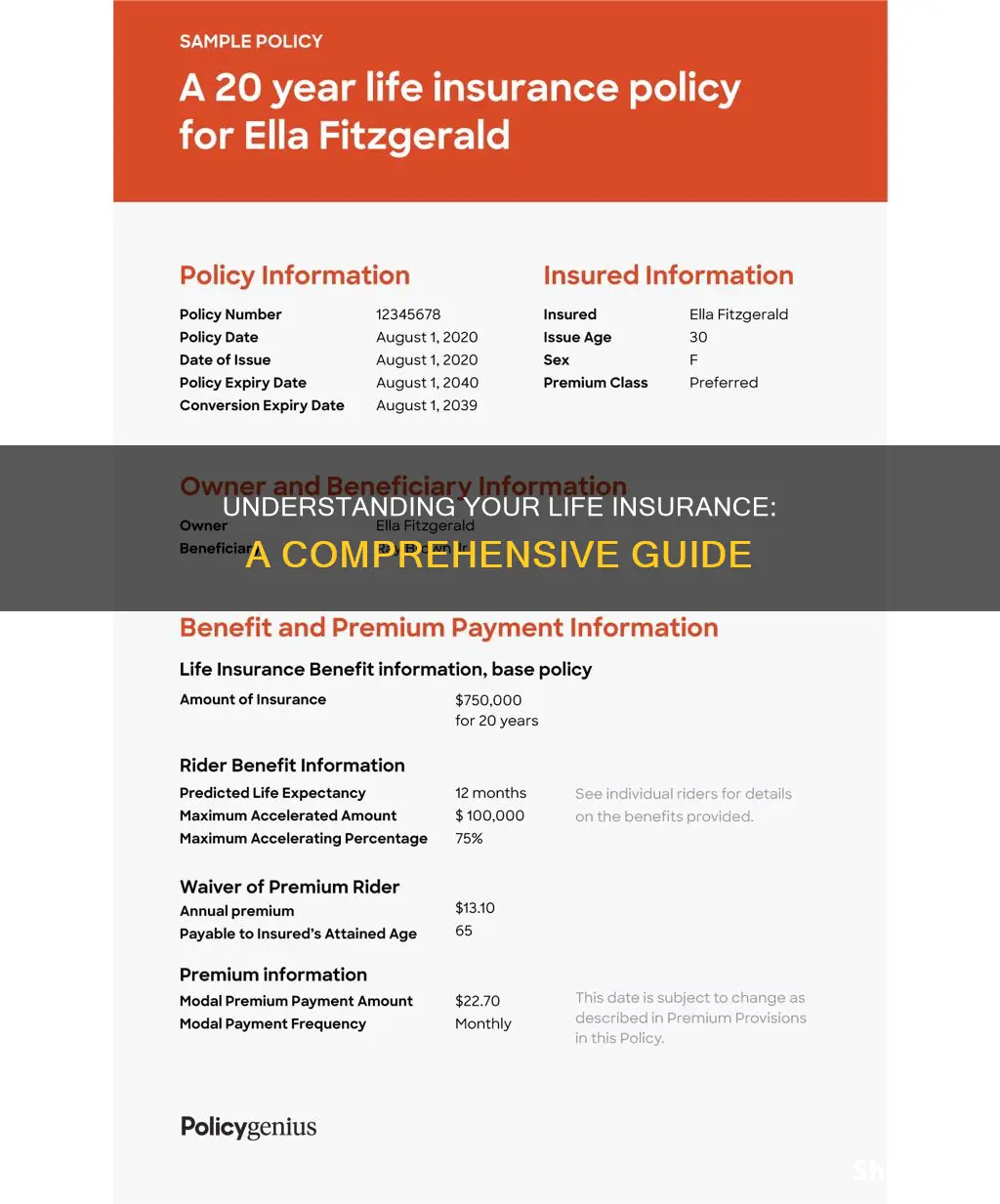
The primary mechanism for policyholders in this situation is the Accelerated Death Benefit (ADB) rider. Often included at no additional cost or for a small nominal fee at the time of purchase, this feature allows the insured to receive a percentage of the death benefit—typically ranging from 25% to 100%—before they pass away. This liquidity is intended to assist with the high costs of palliative care, experimental treatments, or settling debts to ease the burden on surviving family members.
It is important to distinguish between "terminal," "chronic," and "critical" illness riders. A terminal illness rider specifically triggers when a medical professional certifies that the insured has a life expectancy of 12 to 24 months (depending on the policy language and local regulations). In contrast, chronic or critical illness riders may provide early access to funds for non-terminal conditions that still require significant long-term care or involve specific health events like a stroke or organ failure.
Navigating the Accelerated Death Benefit (ADB) Process
Accessing funds through an ADB rider is not an automatic process; it requires rigorous documentation and medical verification. In 2026, insurers have streamlined these digital claims, but the evidentiary requirements remain high to prevent fraud and ensure actuarial accuracy.
Eligibility and Documentation
To qualify, you must typically provide a statement from a licensed physician confirming that your illness is incurable and provides a specific prognosis regarding life expectancy. The insurer’s medical underwriting team will review these records. It is essential to understand that taking an accelerated benefit reduces the final payout to your beneficiaries. For example, if you have a $500,000 policy and accelerate $250,000, your beneficiaries will receive the remaining $250,000 (minus any administrative fees or interest adjustments) upon your death.
The Cost of Acceleration
Insurers may apply a "lien" or a discount to the accelerated amount. Because the insurance company is paying the benefit earlier than originally calculated, they may deduct the interest they would have earned on that capital or apply an administrative fee. It is vital to request a "benefit illustration" from your carrier before finalizing the claim to see exactly how much cash you will receive and how much will remain for your heirs.
Can You Purchase New Life Insurance After a Diagnosis?
One of the most common questions in 2026 is whether an individual can obtain new coverage after being diagnosed with an incurable illness. For traditional term or whole life policies, the answer is generally no; these require medical underwriting that an incurable diagnosis would disqualify. However, alternative options do exist for those seeking to provide for final expenses.
Guaranteed Issue Life Insurance
Guaranteed Issue (GI) policies do not require medical exams or health questions. They are designed for individuals who cannot qualify for standard coverage due to severe health issues. However, they come with significant caveats:
- Graded Death Benefits: Most GI policies have a "waiting period" of two to three years. If the insured dies from natural causes (including the incurable illness) during this window, the beneficiaries typically only receive the premiums paid plus a small amount of interest, rather than the full face value.
- Higher Premiums: Because the insurer is taking on a high-risk population, the cost per dollar of coverage is substantially higher than traditional insurance.
- Low Coverage Limits: These policies are usually capped at $25,000 to $50,000, intended primarily for funeral and burial costs.
Group Life Insurance via Employment
If you are still employed or have the option to convert a group policy, this may be your most viable path to new or continued coverage. Many employer-sponsored plans offer a "guaranteed issue" amount during open enrollment that does not require health history. If you leave your job due to your illness, check if your policy is "convertible" to an individual whole life policy. This conversion usually does not require a medical exam, though the premiums will increase significantly.
Viatical Settlements: A Third-Party Liquidity Option
For those who need more liquidity than an ADB rider provides, or for those whose policies do not include such a rider, a viatical settlement is a potential solution. In this arrangement, you sell your life insurance policy to a third-party investor (a viatical settlement provider) for a lump sum of cash.
The settlement amount is higher than the policy's cash surrender value but lower than the death benefit. The investor becomes the new owner and beneficiary, pays all future premiums, and collects the full death benefit when the original insured passes away.
| Feature | Accelerated Death Benefit (ADB) | Viatical Settlement | Guaranteed Issue Policy |
|---|---|---|---|
| Source of Funds | Existing Insurance Carrier | Third-Party Investor | New Insurance Contract |
| Eligibility | Diagnosis + Physician Statement | Life expectancy (usually <2 years) | Age-based (usually 50–85) |
| Typical Payout | 25% to 90% of Face Value | 50% to 80% of Face Value | Full face value (after 2-3 yrs) |
| Tax Status | Generally Tax-Free (US/UK) | Often Tax-Free for Terminally Ill | Tax-Free Death Benefit |
| Impact on Heirs | Reduces remaining payout | Eliminates payout to heirs | Provides new (small) payout |
Viatical settlements are highly regulated. In 2026, it is standard practice to work with a licensed broker to solicit multiple bids, ensuring you receive the highest possible percentage of your death benefit. Be aware that selling your policy may impact your eligibility for government assistance programs like Medicaid, as the lump sum is considered an asset.
Managing Premiums and Policy Maintenance
A diagnosis often leads to a loss of income, making premium payments a challenge. If a policy lapses due to non-payment, the coverage is lost entirely at the moment it is needed most. There are several protections you should investigate immediately:
- Waiver of Premium Rider: Check if your policy includes this. If you are disabled or unable to work due to your illness, the insurer may waive all future premium payments while keeping the policy in full force.
- Automatic Premium Loan: If you have a permanent policy (Whole or Universal Life) with cash value, you can enable a feature where the insurer automatically takes a loan against the cash value to pay the premiums if you miss a payment.
- Policy Loans: You can manually take a loan from the cash value to pay the premiums or cover living expenses. Unlike bank loans, these do not require credit checks, though they do reduce the final death benefit if not repaid.
Tax and Legal Considerations in 2026
Under current 2026 tax codes, accelerated death benefits paid to a terminally ill individual are generally excluded from gross income. This means the funds can be used for medical expenses or lifestyle needs without incurring a heavy tax burden. However, if the funds are accessed via a "chronic illness" trigger rather than a "terminal" one, there may be daily limits on the tax-free amount.
Legally, you should ensure your beneficiary designations are up to date. An incurable illness diagnosis is the appropriate time to ensure that your primary and contingent beneficiaries are correctly listed. If you have a complex estate or minor children, consider naming a trust as the beneficiary to ensure the funds are managed according to your specific wishes.
Common Pitfalls to Avoid
The stress of a diagnosis can lead to hasty financial decisions. One common mistake is surrendering a policy for its "cash value" without checking if an ADB or viatical settlement would yield a much higher payout. Surrendering a policy for $10,000 when a viatical settlement might offer $150,000 is a significant loss of potential resources.
Another error is failing to notify the insurance company of your condition if you have a "Waiver of Premium" rider. Many policyholders continue to struggle with payments unaware that their contract already provides a mechanism to stop payments in the event of disability or terminal illness.
FAQ
What happens if I outlive the prognosis after receiving accelerated benefits?
If you receive an ADB payout based on a 12-month prognosis but live for several more years, you are not required to return the money. The insurer takes the risk based on the medical evidence provided at the time of the claim. The remaining death benefit stays in place as long as premiums continue to be paid.
Can the insurance company cancel my policy after I get sick?
No. Life insurance is "guaranteed renewable" as long as you pay your premiums. The only exception is if the insurer can prove "material misrepresentation" (fraud) occurred during the original application, which usually can only be contested within the first two years of the policy (the contestability period).
Does life insurance cover experimental treatments for incurable illnesses?
Yes. Once you receive the funds through an Accelerated Death Benefit or a viatical settlement, there are typically no restrictions on how you spend the money. You can use it for medical trials, travel, home modifications, or any other personal expenses.
Should I tell my insurance company about my diagnosis immediately?
There is no legal requirement to inform them simply because your health has changed. You only need to contact them if you wish to trigger a rider (like the Waiver of Premium or ADB) or if you are making changes to your policy structure.
Is the payout from an incurable illness claim taxable?
In most jurisdictions, including the United States under Internal Revenue Code Section 101(g), payments made to a terminally ill person from a life insurance policy are tax-exempt. However, consulting with a tax professional is recommended to ensure compliance with specific state or local laws in 2026.
Practical Next Steps
If you or a loved one are facing an incurable illness, your first step should be to locate the physical or digital copy of all life insurance policies. Contact the insurance company or your broker to request a "Full Policy Illustration" and a "Summary of Benefits" specifically asking about Accelerated Death Benefit riders.
Simultaneously, consult with your medical team to obtain a formal written prognosis. Having this documentation ready will significantly speed up any claims for living benefits. Finally, before accepting an offer from your insurer, research viatical settlement brokers to see if a third-party sale would provide a more advantageous financial outcome for your specific needs.
Image Gallery