Exploring Little Village Chicago: Culture, Commerce, and Community
Little Village, known locally as La Villita, stands as one of the most vibrant, culturally rich, and economically dynamic neighborhoods in Chicago. Located on the city’s Southwest Side, this bustling enclave serves as a primary cultura...
Little Village, known locally as La Villita, stands as one of the most vibrant, culturally rich, and economically dynamic neighborhoods in Chicago. Located on the city’s Southwest Side, this bustling enclave serves as a primary cultural heartland for Mexican Americans and Mexican immigrants in the Midwest. Centered around the iconic "La Villita" arch on 26th Street, the neighborhood boasts one of the highest-grossing commercial districts in the entire city, second only to the Magnificent Mile on Michigan Avenue. Beyond its retail strength, Little Village is defined by deeply rooted community traditions, distinctive architecture, and a strong sense of civic resilience.
Contents
Historical Evolution of the Neighborhood
The geographical area that constitutes modern-day Little Village was originally prairie land inhabited by indigenous peoples before being transformed into agricultural acreage by European settlers in the mid-19th century. Annexed by the City of Chicago in 1869, the area began to urbanize rapidly with the expansion of industrial corridors nearby, particularly along the Chicago Sanitary and Ship Canal and the Stevenson Expressway.
During the late 19th and early 20th centuries, European immigrants—primarily Czechs, Poles, and Slovaks—settled in the area, establishing sturdy brick bungalows and storefronts that still line many residential blocks. These communities built local institutions, churches, and social clubs, laying the foundational urban infrastructure of the neighborhood.
A demographic shift occurred beginning in the mid-to-late 20th century. As European ethnic groups moved to outer suburbs, Mexican immigrants and Mexican Americans began moving into the neighborhood in substantial numbers, attracted by affordable housing and proximity to industrial employment. By the closing decades of the 20th century, Little Village had transformed into a predominantly Mexican neighborhood, earning the moniker the "Mexican capital of the Midwest." This transition revitalized the local economy, injecting new life into commercial corridors and establishing cultural touchstones that endure today.
Geography and Boundaries
Understanding the physical layout of Little Village helps visitors and researchers navigate its distinct commercial and residential zones. Officially designated as the South Lawndale community area, the neighborhood spans approximately 4.5 square miles on Chicago's Southwest Side.
The boundaries of Little Village are generally defined by:
- North: The Chicago Sanitary and Ship Canal and 22nd Street ( Cermak Road).
- South: Pershing Road (39th Street).
- East: Interstate 55 (the Stevenson Expressway) and Western Avenue.
- West: Cicero Avenue.
Within these boundaries, the neighborhood features a grid system of residential side streets packed with Chicago's classic two-flat apartment buildings and brick single-family homes, intersecting with major commercial arteries like 26th Street and Cermak Road.
The 26th Street Commercial District: Economic Powerhouse
The undisputed spine of Little Village is West 26th Street. Stretching for over two miles, this vibrant retail corridor pulses with commerce, featuring hundreds of independently owned businesses, including bakeries (panaderías), traditional clothing boutiques, jewelry stores, grocery markets, and medical offices.
| Commercial Aspect | Description / Impact |
|---|---|
| Retail Volume | Generates hundreds of millions of dollars in annual sales tax revenue, ranking it among the highest-performing shopping districts in Chicago. |
| Business Demographics | Dominated by family-owned small businesses, entrepreneurs, and independent merchants catering to local and regional shoppers. |
| Foot Traffic | Draws shoppers from across the entire Chicago metropolitan area and parts of Indiana and Wisconsin seeking authentic goods and services. |
| Aesthetic Identity | Marked by colorful murals, Spanish-language signage, and the welcoming 26th Street Neon Arch. |
The street serves not merely as a marketplace but as a community gathering space. During holidays, particularly Mexican Independence Day in September, 26th Street becomes the focal point for massive citywide celebrations, parades, and cultural expressions marked by flags, music, and traditional food.
Culture, Arts, and Architecture
Little Village boasts a rich architectural and artistic heritage that reflects its immigrant history. The residential blocks feature a high concentration of Chicago bungalows constructed in the early 20th century, alongside unique brick commercial storefronts with decorative cornices.
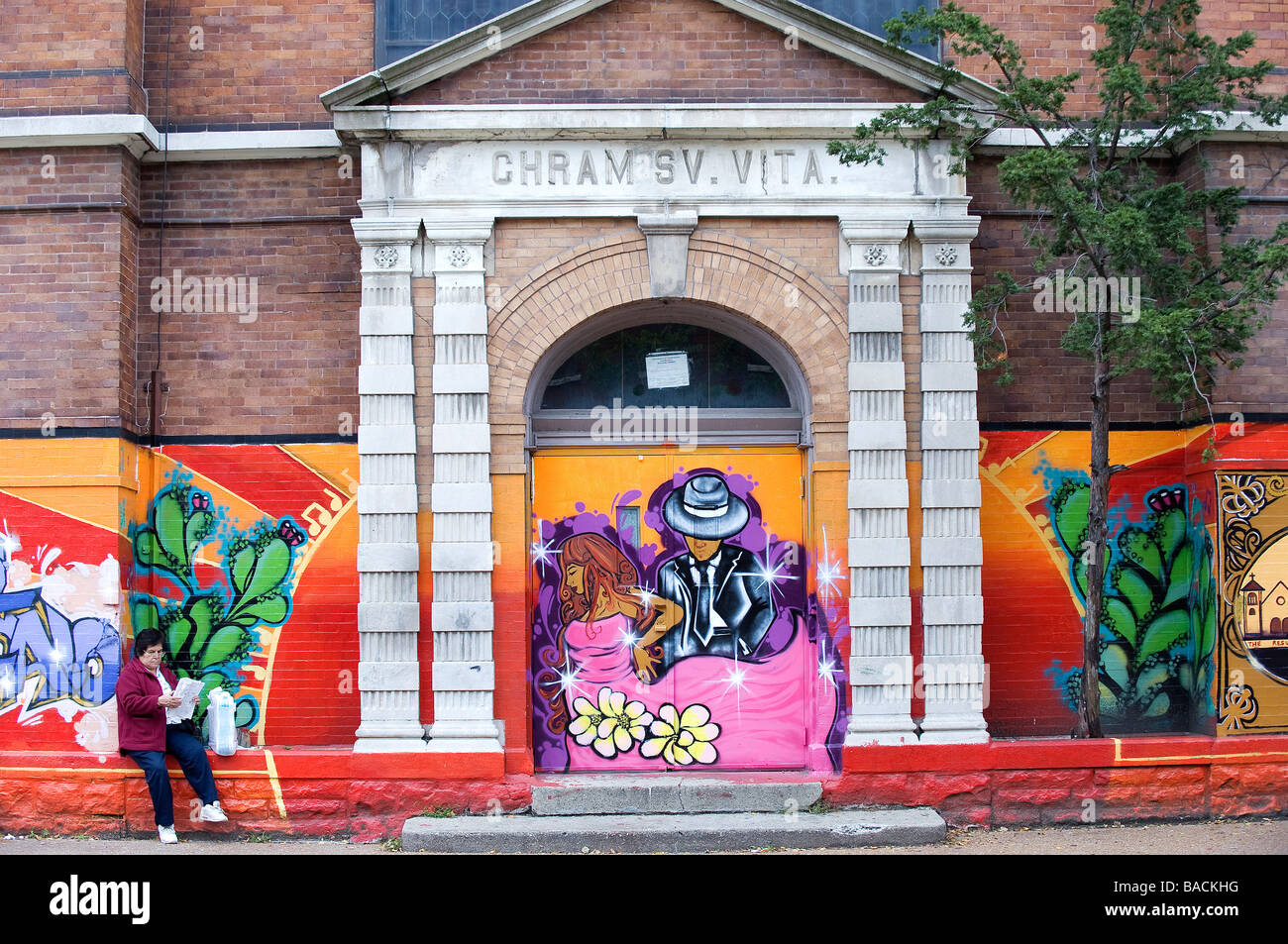
Public art plays a vital role in the neighborhood's visual landscape. The community features dozens of large-scale murals painted by local and international artists. These murals depict historical Mexican figures, indigenous motifs, social justice themes, and neighborhood resilience. Organizations like the Segundo Ruiz Belvis Cultural Center (though historically rooted nearby) and local grassroots arts groups actively foster youth programming, traditional dance, and visual arts within the neighborhood.
Culinarily, Little Village is a destination for authentic Mexican cuisine. Visitors can find regional specialties ranging from Oaxacan tlayudas and Michoacán-style carnitas to handmade corn tortillas, birria, and traditional Mexican sweets (dulces mexicanos). Local bakeries operate daily to supply fresh pan dulce to the community.
Community Challenges and Advocacy
Like many urban neighborhoods, Little Village has faced significant socioeconomic challenges, including industrial pollution, environmental justice issues, gentrification pressures, and historical underinvestment by municipal authorities.
Environmental activism has played a defining role in modern Little Village history. For decades, community residents and local organizations, such as the Little Village Environmental Justice Organization (LVEJO), fought against heavy industrial pollution. A major milestone in this advocacy was the successful campaign to close the Crawford coal-fired power plant in 2012, which significantly improved local air quality and public health outcomes for residents, particularly children suffering from asthma.
Education and youth empowerment are also central to community organizing. The establishment of the Little Village Lawndale High School campus was the direct result of a historic hunger strike by community activists and parents demanding better educational facilities within the neighborhood. Today, local grassroots groups continue to advocate for equitable economic development, immigrant rights, and sustainable green spaces, such as the ongoing development of the Little Village Paseo—a converted industrial rail line turned multi-use park and trail.
Visiting Little Village: Practical Considerations
For those planning to visit Little Village, the neighborhood offers easy accessibility via public transit and major roadways.
- Public Transportation: The Chicago Transit Authority (CTA) Pink Line provides direct service to the neighborhood via stops such as 21st, 26th, and California, connecting travelers directly from the Chicago Loop. Numerous CTA bus routes, including the #60 Blue Island/26th bus, traverse the primary commercial corridors.
- Accessibility: The main shopping districts on 26th Street feature wide sidewalks and accessible storefronts, though visitors should anticipate high foot traffic, particularly on weekends and during festive seasons.
- Parking: Street parking along 26th Street can be competitive. Visitors frequently utilize side-street parking or municipal lots where available, keeping local parking restrictions and permit zones in mind.
Frequently Asked Questions About Little Village Chicago
What is the primary language spoken in Little Village?
While English is widely spoken and used in official settings, Spanish is the dominant language for daily commerce, communication, and community life in Little Village, reflecting its status as a major Mexican American cultural hub.
Is Little Village safe for visitors?
Like any major urban neighborhood, safety varies by specific block and time of day. The main commercial corridors, such as 26th Street during daylight hours, are bustling, heavily populated, and generally active. Visitors should exercise standard urban awareness, secure personal belongings, and remain mindful of their surroundings.
How do I get to Little Village using the CTA?
The most direct route via the Chicago Transit Authority is the Pink Line rapid transit train, which stops at multiple stations adjacent to the neighborhood. Several bus lines also run directly through the area from downtown Chicago.
What is the significance of the 26th Street Arch?
The decorative arch spanning West 26th Street serves as a welcoming gateway to the commercial district, symbolizing the cultural pride, economic vitality, and identity of the Mexican American community in Chicago.
What are the best times to visit Little Village?
Daytime hours, particularly late morning and afternoon, offer the best opportunity to experience the bustling retail environment, open shops, and restaurants. Major holidays, such as Mexican Independence Day in mid-September, feature vibrant cultural events but involve significant street closures and heavy crowds.
Next Actions for Exploration
For those looking to deepen their understanding or experience Little Village firsthand, start by planning a walking tour along West 26th Street between California Avenue and Pulaski Road to experience local commerce and culinary options. To support civic engagement, research local community organizations such as the Little Village Environmental Justice Organization to learn about ongoing grassroots initiatives, urban greening projects, and neighborhood history.
Image Gallery