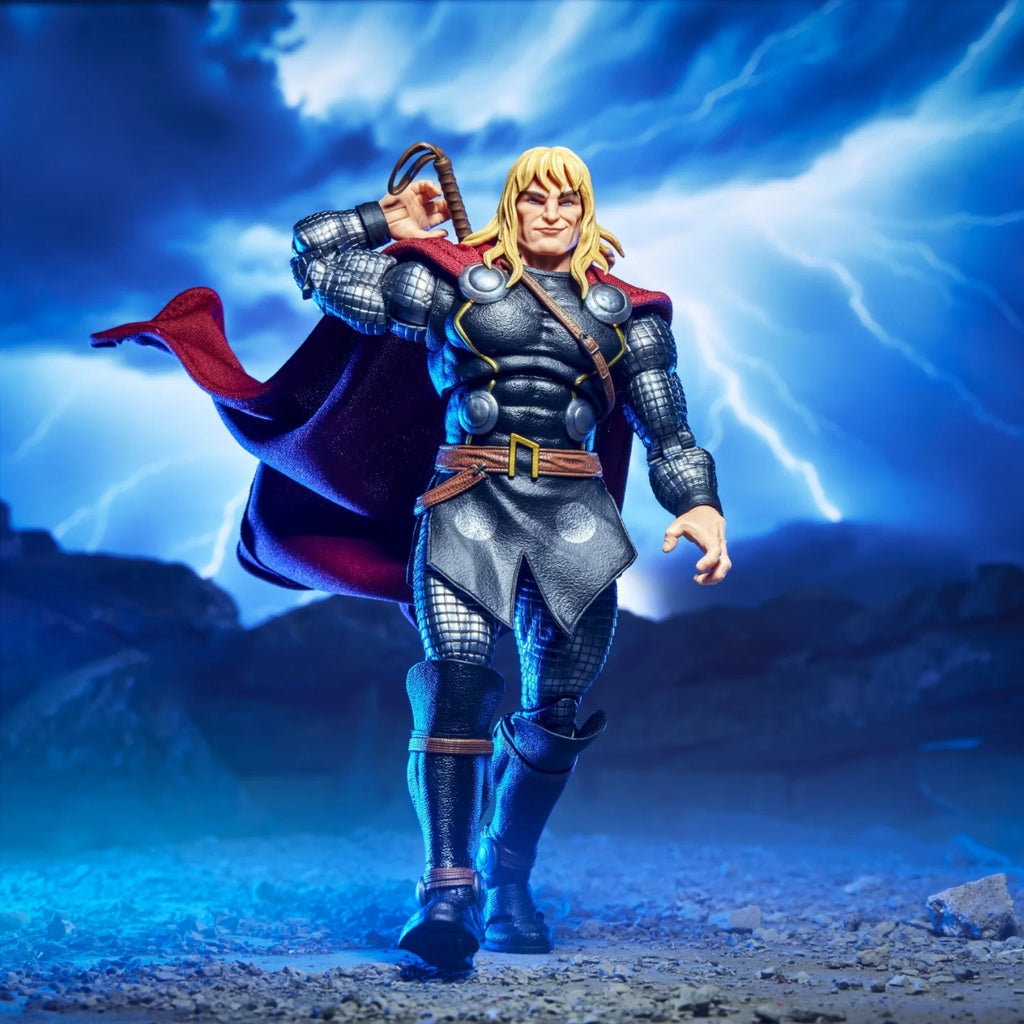
The Thor Series in Order Explained: A Complete Guide to the God of Thunder’s Journey
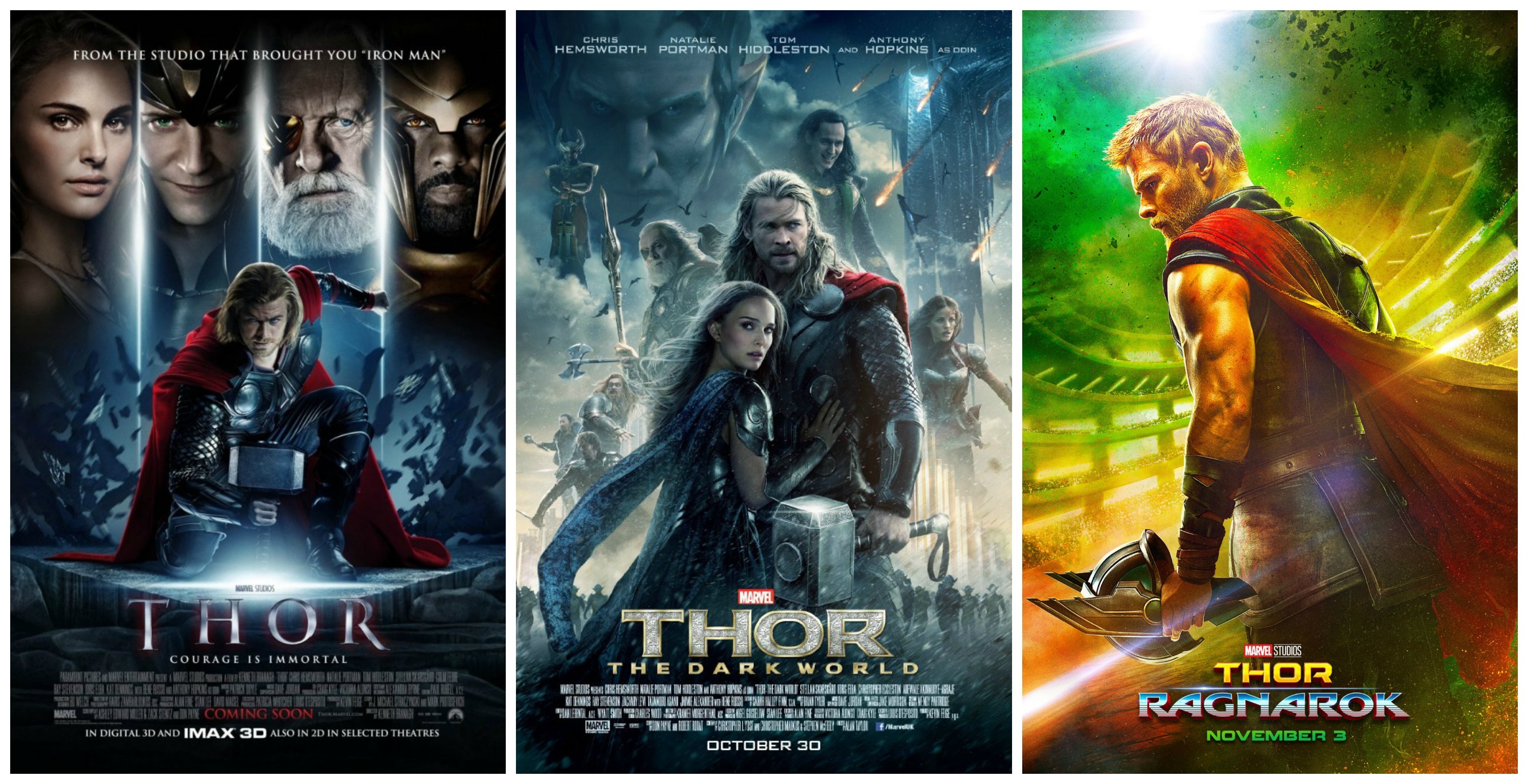
To watch the Thor series in order, you should follow the release sequence: Thor (2011), Thor: The Dark World (2013), Thor: Ragnarok (2017), and Thor: Love and Thunder (2022). For the full narrative arc, you must also include the four A...
To watch the Thor series in order, you should follow the release sequence: Thor (2011), Thor: The Dark World (2013), Thor: Ragnarok (2017), and Thor: Love and Thunder (2022). For the full narrative arc, you must also include the four Avengers films and his appearance in Guardians of the Galaxy Vol. 3 (2023) to understand his evolution from a spoiled prince to a cosmic protector.
Contents
Understanding the Thor series requires more than just a list of film titles. As of 2026, the Marvel Cinematic Universe (MCU) has expanded significantly, yet the odyssey of Thor Odinson remains one of the most complete and transformative character studies in modern cinema. Unlike many other heroes who maintain a consistent personality, Thor undergoes radical shifts in tone, power levels, and emotional maturity. This guide breaks down the series by release date and chronological story impact, ensuring you grasp the technical and narrative nuances of the Asgardian saga.
The Evolution of the God of Thunder: Release Order
The release order is generally the recommended way for first-time viewers to experience the series. This allows you to see the technical progression of Marvel Studios' filmmaking, the evolving visual effects, and the shifting directorial styles that transitioned Thor from a Shakespearean drama lead to a comedic powerhouse.
1. Thor (2011)
Directed by Kenneth Branagh, the first film introduced Thor as an arrogant warrior whose hubris reignites an ancient war. This film is essential for establishing the cosmology of Asgard and the Nine Realms. Branagh, known for his work with Shakespeare, infused the film with high-stakes family drama, focusing on the strained relationship between Thor, his father Odin, and his brother Loki.
The technical achievement of the first film lay in its "science-as-magic" approach. It established that what humans perceive as magic is actually highly advanced extraterrestrial technology and physics. The film also served as the debut for the Destroyer and the concept of Worthiness regarding the hammer Mjolnir, which became the central theme of Thor's identity for the next decade.
2. Thor: The Dark World (2013)
Directed by Alan Taylor, this sequel is often debated among fans but remains critical for the broader MCU narrative. It introduces the Aether, which is later revealed to be the Reality Stone, one of the six Infinity Stones. The plot follows Thor as he teams up with Loki to stop the Dark Elves, led by Malekith, from plunging the universe into darkness.
From a character perspective, this film is vital because it deals with the consequences of Loki’s actions in the first Avengers movie and explores the depth of Thor’s relationship with Jane Foster. It also features the death of Frigga, Thor's mother, which acts as a major catalyst for his eventual emotional breakdown in later films. The film's aesthetic moved away from Branagh's golden brightness toward a grittier, more "fantasy-epic" visual style.
3. Thor: Ragnarok (2017)
Directed by Taika Waititi, Ragnarok is widely considered the turning point for the franchise. Waititi stripped away the self-serious tone of the previous installments, opting for a vibrant, neon-soaked, 80s-inspired aesthetic. In this chapter, Thor loses his father, his hammer, and his home.
The technical shift here was massive. The film leaned heavily into improvisational comedy and utilized a synth-heavy score by Mark Mothersbaugh. Narrative-wise, it forced Thor to realize that his power did not come from Mjolnir, but from within. This "rebirth" of the character prepared him for the high-stakes conflict of the final Infinity Saga films. It also introduced fan favorites like Valkyrie and Korg.
4. Thor: Love and Thunder (2022)
Also directed by Taika Waititi, this film explores Thor’s life after the defeat of Thanos. It adapts the popular "Mighty Thor" storyline from the comics, where Jane Foster gains the powers of Thor while battling terminal illness. The film pits Thor against Gorr the God Butcher, a villain who seeks the extinction of all deities.
Love and Thunder focuses heavily on the theme of purpose. Having lost almost everyone he loves, Thor must decide if he is a warrior, a king, or a father figure. The film's introduction of Eternity and the post-credits reveal of Hercules set the stage for future cosmic adventures that, as of 2026, continue to ripple through the MCU.
The Comprehensive Chronological Order
If you are a returning fan looking for the most cohesive story experience, watching the solo films in isolation is insufficient. Thor’s most significant character development—his failure to stop Thanos and his eventual redemption—happens within the ensemble Avengers films.
| Film Title | Release Year | Main Antagonist | Key Narrative Contribution |
|---|---|---|---|
| Thor | 2011 | Loki / The Destroyer | Introduction of Asgard and Mjolnir. |
| The Avengers | 2012 | Loki / Chitauri | Thor joins Earth's heroes and humbles Loki. |
| Thor: The Dark World | 2013 | Malekith | Introduction of the Reality Stone (Aether). |
| Avengers: Age of Ultron | 2015 | Ultron | Thor’s vision of the Infinity Stones. |
| Thor: Ragnarok | 2017 | Hela | Destruction of Asgard; Thor becomes King. |
| Avengers: Infinity War | 2018 | Thanos | Thor gets Stormbreaker; fails to kill Thanos. |
| Avengers: Endgame | 2019 | Thanos | Thor overcomes depression; restores the universe. |
| Thor: Love and Thunder | 2022 | Gorr the God Butcher | Jane Foster’s arc; Thor adopts Love. |
The "Missing" Chapters: Avengers Integration
To truly explain the series, one must acknowledge that Avengers: Infinity War is arguably the most important "Thor" movie. It provides the character with his highest stakes and most devastating loss. His journey to Nidavellir to forge Stormbreaker with Eitri the Dwarf is a technical and emotional high point of the series. Similarly, Avengers: Endgame deals with "Bro Thor," a controversial but realistic depiction of PTSD and grief that humanized the god more than any previous entry.
Technical Specifications and Directorial Styles
The Thor series is unique because it has been handled by three distinct directorial visions, each reflecting the era of the MCU they inhabited.
- The Branagh Era (High Fantasy): Focused on Dutch angles and theatrical dialogue. The objective was to make Asgard feel ancient and regal.
- The Taylor Era (Grit and Realism): Attempted to bring a Game of Thrones-style groundedness to the Nine Realms, emphasizing the "warrior" aspect of the Asgardians.
- The Waititi Era (Psychedelic Comedy): Prioritized "Space Opera" elements. The color palette shifted to primary colors, and the dialogue became contemporary and irreverent.
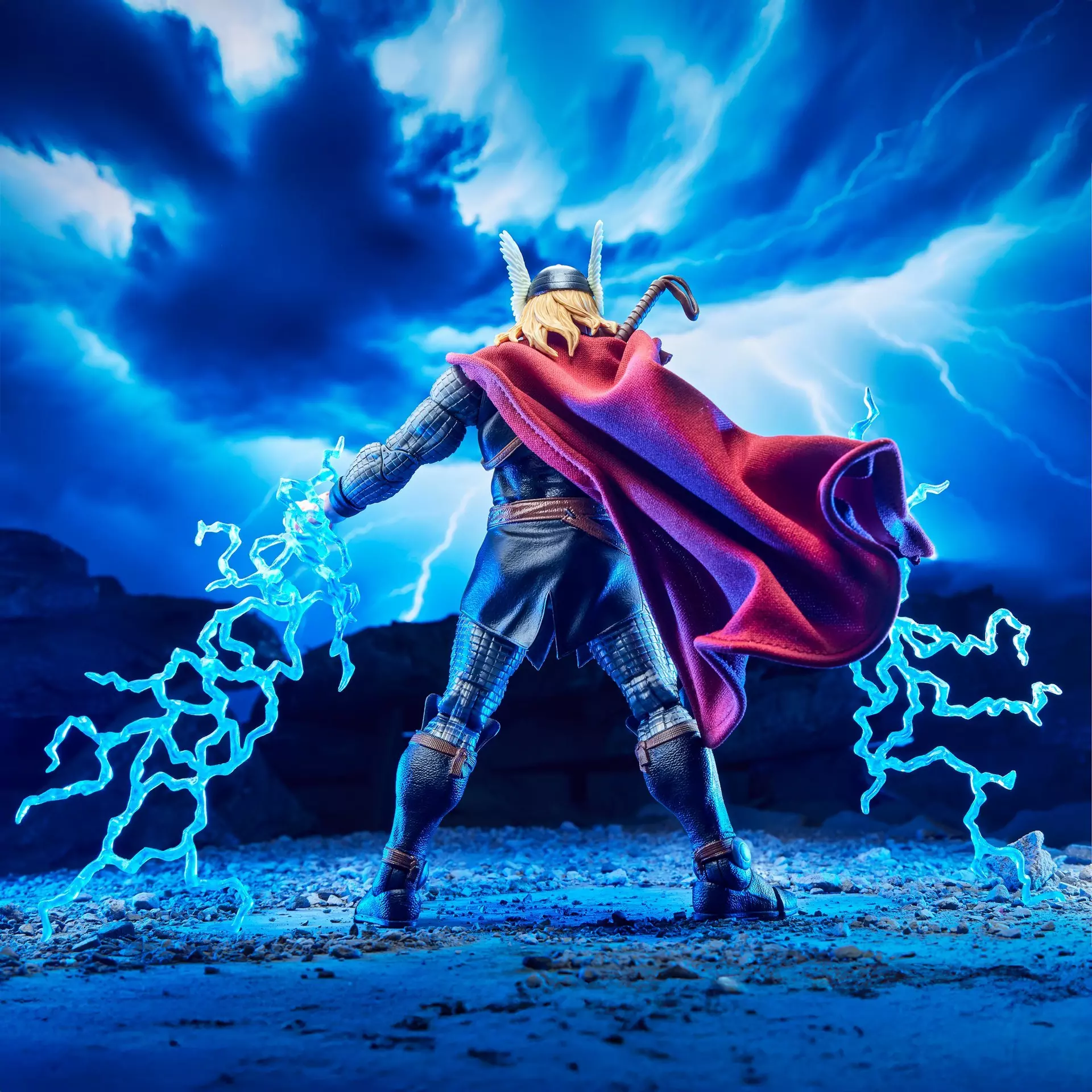
From a technical standpoint, the rendering of Thor’s lightning evolved from simple white-blue streaks in 2011 to the massive, multi-layered "God of Thunder" aura seen in Ragnarok and Love and Thunder. The transition from practical sets to the Volume technology (used in Love and Thunder) allowed for more alien, otherworldly landscapes that were previously impossible to film.
Common Viewing Pitfalls and Troubleshooting
When explaining the Thor series to new viewers, several points of confusion frequently arise:
- Loki’s Death/Survival: Viewers often get confused by Loki’s "deaths" in the first two films. It is important to note that his actual death occurs in Infinity War, and the Loki seen in later Disney+ series is a "variant" from a different timeline created during Endgame.
- Mjolnir vs. Stormbreaker: Mjolnir was destroyed by Hela in Ragnarok. The hammer seen in Love and Thunder is the reassembled fragments of the original. Stormbreaker, however, remains Thor’s primary weapon as of 2026.
- The Guardians of the Galaxy Connection: Thor leaves Earth with the Guardians at the end of Endgame. While he appears briefly in the beginning of Love and Thunder, his full dynamic with that team is best explored in the Guardians of the Galaxy Holiday Special and small mentions in Vol. 3.
Frequently Asked Questions
Is there a Thor 5 in development?
As of 2026, Marvel Studios has not officially integrated a fifth solo film into the current Phase, though Chris Hemsworth has expressed interest in returning if the script provides a drastic reinvention of the character once more. The ending of Love and Thunder explicitly stated "Thor Will Return," keeping the door open for future installments.
Do I need to watch the Loki TV series to understand the Thor movies?
While not strictly necessary for the plot of the four solo films, the Loki series on Disney+ provides essential context regarding the Multiverse and the emotional growth of Thor's brother. It helps explain why the "Loki" presence is missing from Love and Thunder.
Why did Jane Foster disappear after the second movie?
The absence of Jane Foster in Thor: Ragnarok was explained as an off-screen breakup. Technically, Natalie Portman did not return until Love and Thunder after director Taika Waititi presented a more active, superheroic role for her character, moving away from the "damsel in distress" trope.
Which Thor movie is the most important for the MCU?
Thor: The Dark World is historically significant for the Reality Stone, but Thor: Ragnarok is the most important for understanding the current status of the Asgardian people (who now reside in "New Asgard" on Earth) and Thor’s power levels.
Can I watch Thor: Love and Thunder without seeing the others?
It is not recommended. The emotional weight of Jane Foster’s return and Thor’s journey through grief relies heavily on the events of Thor (2011) and Avengers: Endgame.
Final Recommendation
For the most rewarding experience, watch the films in Chronological Order including the Avengers movies. This sequence allows you to witness the most comprehensive arc of any character in the MCU—the story of a man who loses his eye, his hammer, his parents, his brother, and his home, only to find a new kind of strength in family and fatherhood. Start with 2011's Thor and ensure you do not skip Infinity War before moving into the later solo adventures.
Image Gallery