The Engineering and Operational Realities of Luxury Submersible Yachts
A luxury submersible yacht represents a sophisticated fusion of traditional superyacht opulence and advanced deep-sea exploration technology. These vessels are engineered to provide high-net-worth individuals the capability to transiti...
A luxury submersible yacht represents a sophisticated fusion of traditional superyacht opulence and advanced deep-sea exploration technology. These vessels are engineered to provide high-net-worth individuals the capability to transition seamlessly from surface-level maritime travel to underwater excursions, requiring complex pressure-hull engineering, specialized life-support systems, and rigorous adherence to international maritime safety classification standards.
Contents
Defining the Luxury Submersible Yacht Category
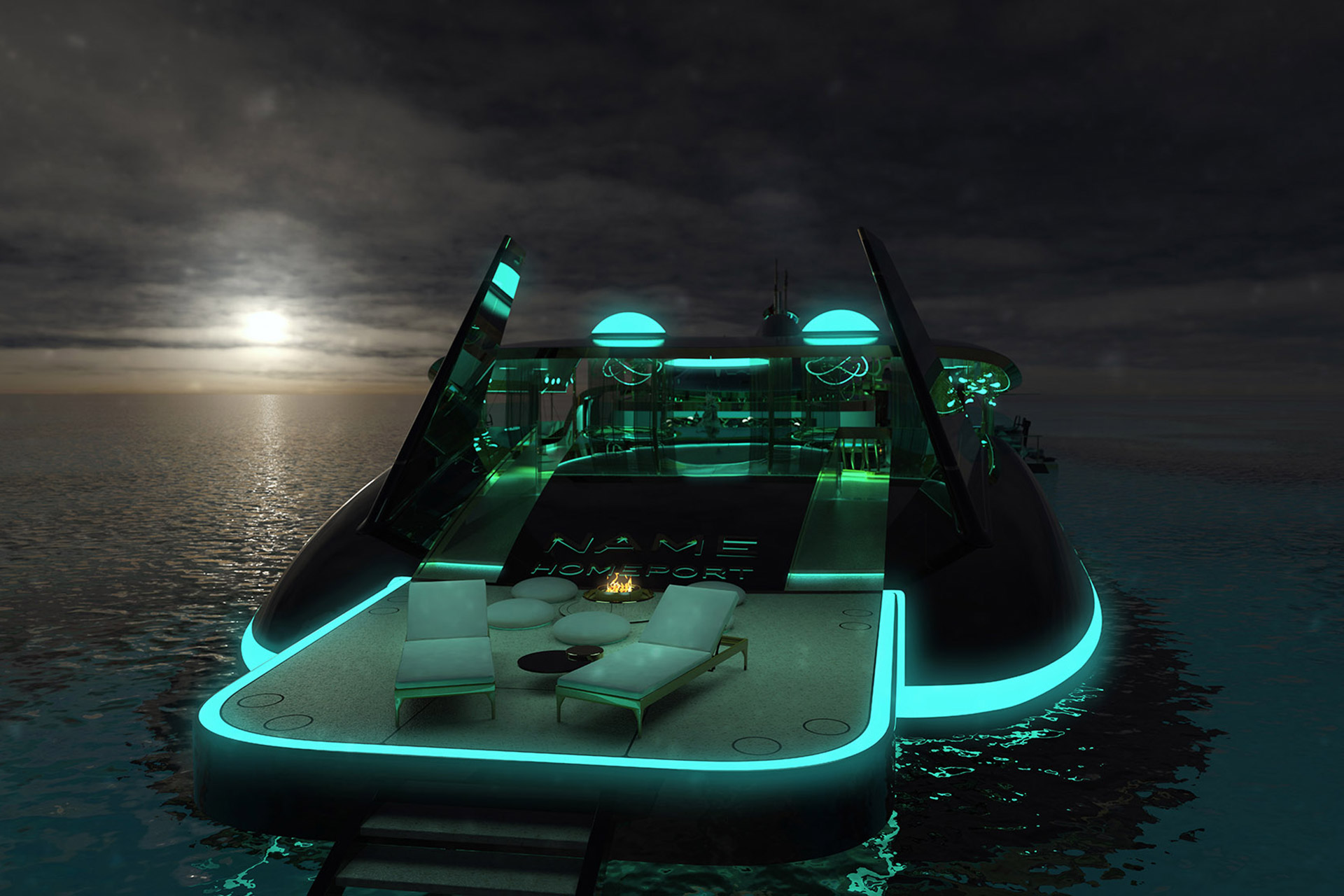
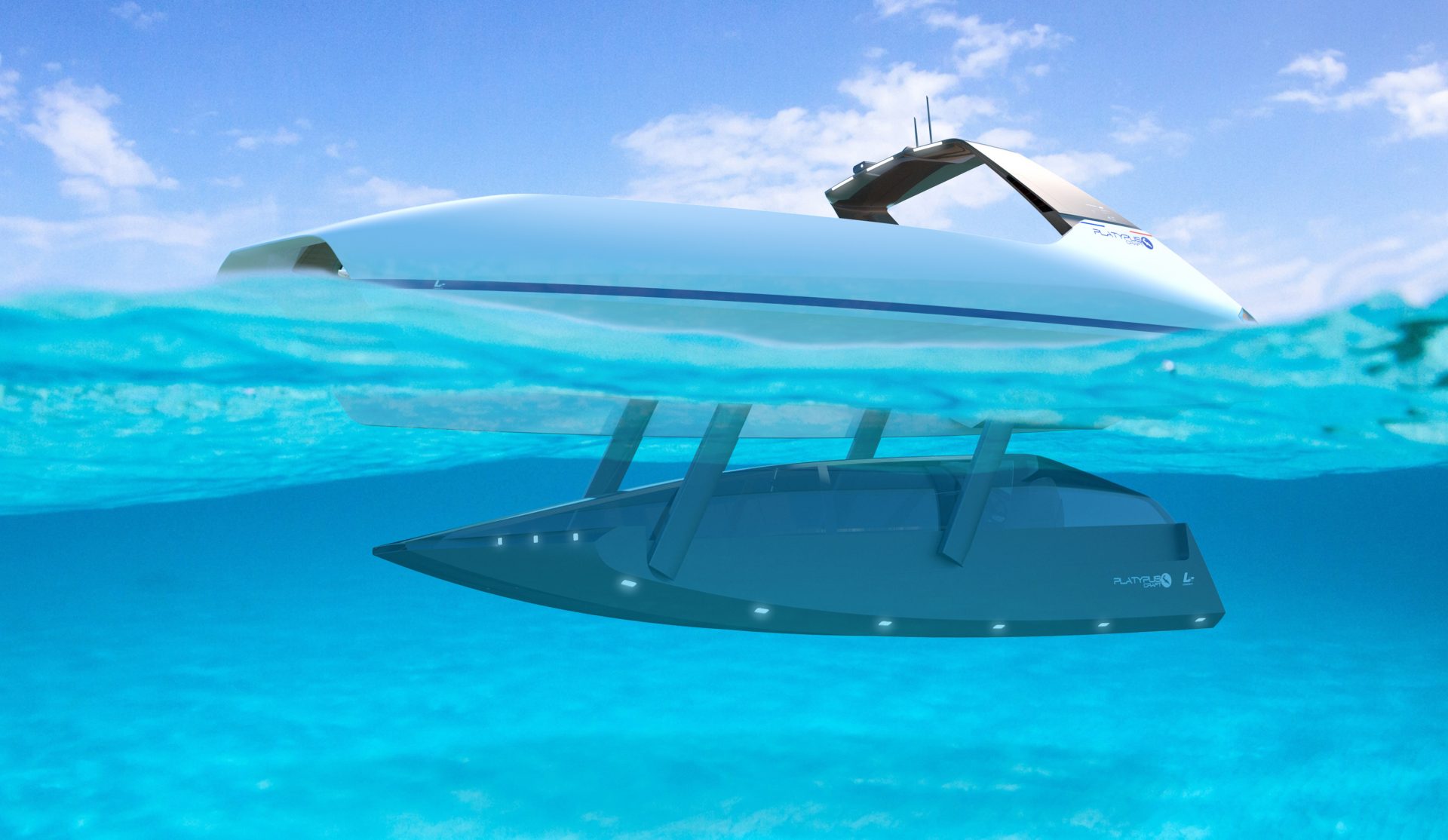
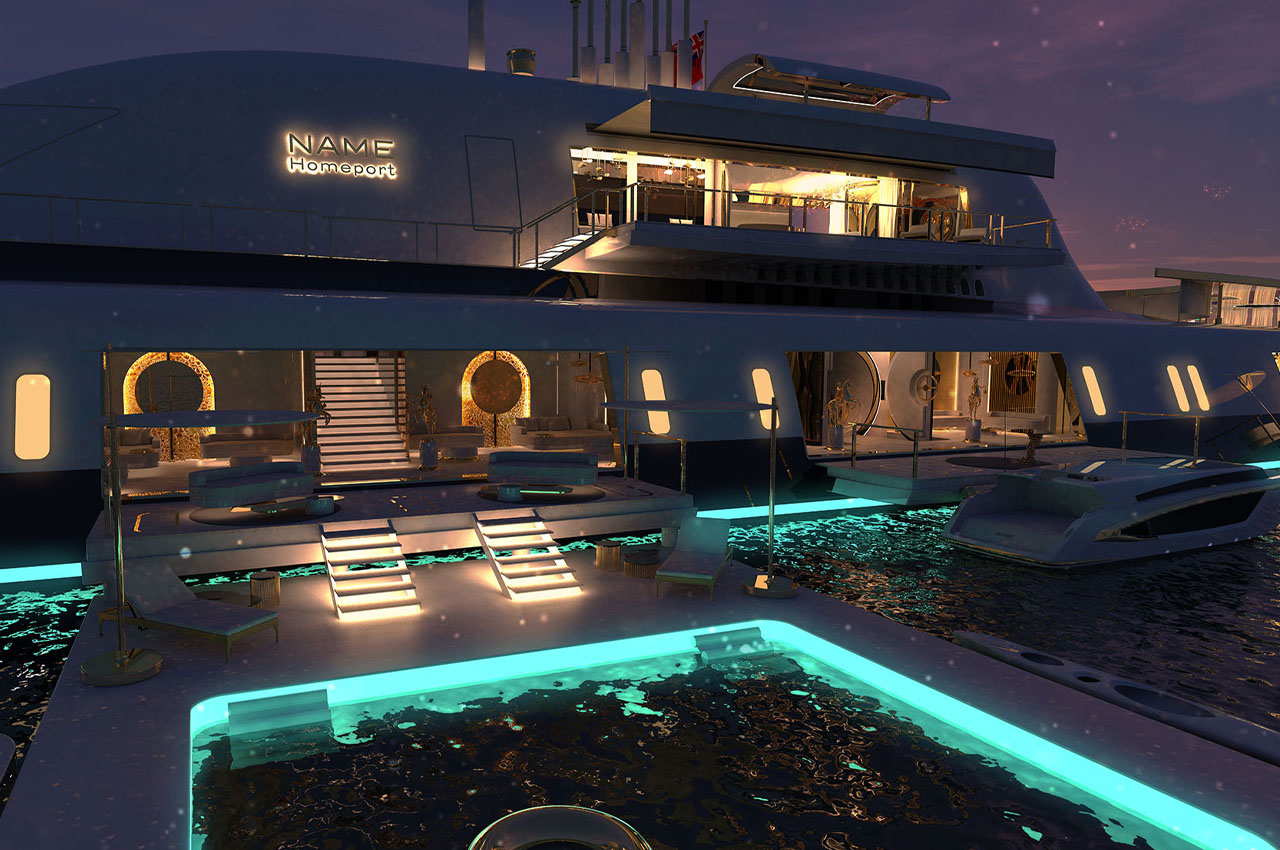
The term "luxury submersible yacht" refers to two distinct but converging maritime concepts. The first is the custom-built, multi-deck motor yacht equipped with a dedicated, integrated hangar and launch-and-recovery system (LARS) for a separate, private submersible. The second, more ambitious category involves "submersible superyachts"—vessels designed from the hull up to partially or fully submerge, functioning as both a surface cruiser and a pressurized underwater habitat.
As of 2026, the market is dominated by the former configuration due to the extreme engineering challenges posed by full-vessel submersion. Integrating a high-performance submersible into a yacht’s GA (General Arrangement) plan requires significant modifications to the hull structure, ballast tanks, and crane logistics. Owners seeking these capabilities must prioritize specialized shipyards with a proven track record in both naval architecture and deep-sea vehicle manufacturing.
Core Engineering and Technical Requirements
Operating a submersible in conjunction with a luxury yacht requires an infrastructure that transcends standard tender operations. The primary technical hurdle is the LARS. A submersible is a heavy, sensitive instrument; safely deploying it into open water—and retrieving it—demands a stabilized platform. Most modern designs utilize a moonpool or a heavy-duty hydraulic aft-deck crane system designed to dampen the motion of the sea, ensuring the craft remains stable until it is clear of the yacht’s hull.
Beyond deployment, the yacht must support the submersible's operational needs. This includes:
- Charging and Maintenance: Submersibles are typically electric, utilizing high-density lithium-ion battery banks. The yacht must provide specialized shore-power conversion for rapid, safe charging.
- Life Support Supply: These craft require precise atmospheres (scrubbers for CO2 and oxygen supplementation). The yacht acts as the staging area for these consumables, requiring specialized storage facilities that meet maritime fire safety regulations.
- Pressure Management: For vessels that include a "wet" or "dry" hangar, ventilation and moisture control are critical to prevent corrosion on the sub’s sensitive sensors and acrylic viewport (conning tower).
Comparative Landscape: Submersible Integration vs. Dedicated Units
When evaluating how to integrate underwater capabilities into a private fleet, owners generally choose between retrofitting an existing yacht and commissioning a bespoke project.
| Feature | Integrated Hangar Yacht | Dedicated Research/Support Vessel |
|---|---|---|
| Operational Versatility | High: Combines luxury with adventure | Low: Primarily functional/utility |
| Launch Logistics | Internal moonpool or stern crane | Heavy-duty deck winches/A-frames |
| Maintenance Burden | High: Requires specialized crew | Moderate: Standard marine maintenance |
| Regulatory Hurdles | Complex (SOLAS/Flag requirements) | Moderate (Standard commercial rules) |
| Privacy/Luxury | Elite comfort in remote locations | Limited compared to superyachts |
Regulatory and Safety Frameworks
Operating a submersible from a yacht is subject to the rigorous oversight of maritime classification societies such as DNV (Det Norske Veritas) or Lloyd’s Register. These bodies provide the "Class" certification necessary for insurance and safe operation in international waters.
Owners must recognize that a submersible is not a "toy" in the legal sense. It is a classified pressure vessel. The International Maritime Organization (IMO) and specific coastal state regulations mandate that both the launch vessel and the submersible meet stringent safety requirements. This includes redundant life-support systems, verified communication arrays (underwater acoustic modems), and mandatory annual pressure-hull inspections.
Failure to maintain classification status can invalidate the insurance policies of the entire yacht, as the submersible is often considered a high-risk liability. Furthermore, operators must ensure that their crew holds specific certifications for the operation of subsea launch equipment, a niche skill set distinct from standard deck-officer training.
Practical Considerations for Acquisition and Operation
Before moving forward with a project, prospective owners must conduct a feasibility study centered on the intended operational theaters. A submersible rated for 300 meters is sufficient for recreational reef exploration, but if the intent is to explore deep-sea trenches or historic shipwrecks, a vessel rated for 1,000 meters or deeper is required.
The "Owner's Representative" Role It is standard industry practice in 2026 to employ an independent owner’s representative. This professional acts as the bridge between the shipyard’s engineers and the owner’s vision. They ensure that the technical specifications of the submersible—such as weight distribution, battery chemistry, and viewport material—do not negatively affect the yacht’s stability, trim, or overall performance under power.
Operational Limitations
- Weather Windows: Even with advanced stabilization, submersible operations are highly sensitive to sea states. Expect the system to be grounded in swells exceeding 1.5 to 2 meters.
- Crewing: You will likely need to employ a dedicated sub-pilot and a specialist technician. These are highly skilled roles that require competitive compensation packages often independent of the standard yacht crew structure.
- Logistics: Specialized parts for custom submersibles can take weeks to source. Establishing a proactive maintenance schedule is essential to avoid downtime during cruising seasons.
Frequently Asked Questions
What is the average operating depth for a luxury submersible? Most private submersibles currently in operation are rated for depths between 300 and 1,000 meters. This depth range provides access to the "twilight zone" of the ocean, which is where the most diverse marine life and light-accessible shipwrecks are found.
Can I retrofit my existing yacht to carry a submersible? Yes, but it requires a major structural refit. You must analyze the yacht’s center of gravity (CoG), as submersibles are extremely heavy. Many retrofits require the installation of internal ballast systems or structural reinforcement of the aft deck to support the launch crane’s load-bearing requirements.
How does salt water affect the maintenance of a sub-yacht? Corrosion is the primary enemy of both the yacht and the submersible. While submersibles are designed for the marine environment, the saltwater interface during launch and recovery is highly aggressive. Fresh-water wash-down systems and high-grade cathodic protection (anodes) are mandatory to prevent structural degradation.
Are these vessels safe for families? Modern submersibles are engineered with multiple "dead-man" safety systems, including independent oxygen supplies, emergency ascent weights that drop automatically if power is lost, and thick acrylic viewports tested to extreme pressure tolerances. When operated by a certified pilot following a strict maintenance regime, the risk is statistically low.
Next Steps for Implementation
If you are planning to incorporate a submersible into your maritime experience, begin by selecting a qualified naval architect specializing in deep-sea integration. Do not select a shipyard first; instead, define your exploration goals, which will dictate the necessary submersible type. Once the vehicle is selected, the shipyards that can safely integrate that specific weight and launch requirement will become clear. Ensure your legal counsel reviews all maritime liability policies to confirm coverage for underwater operations before finalizing any shipyard contracts.
Image Gallery