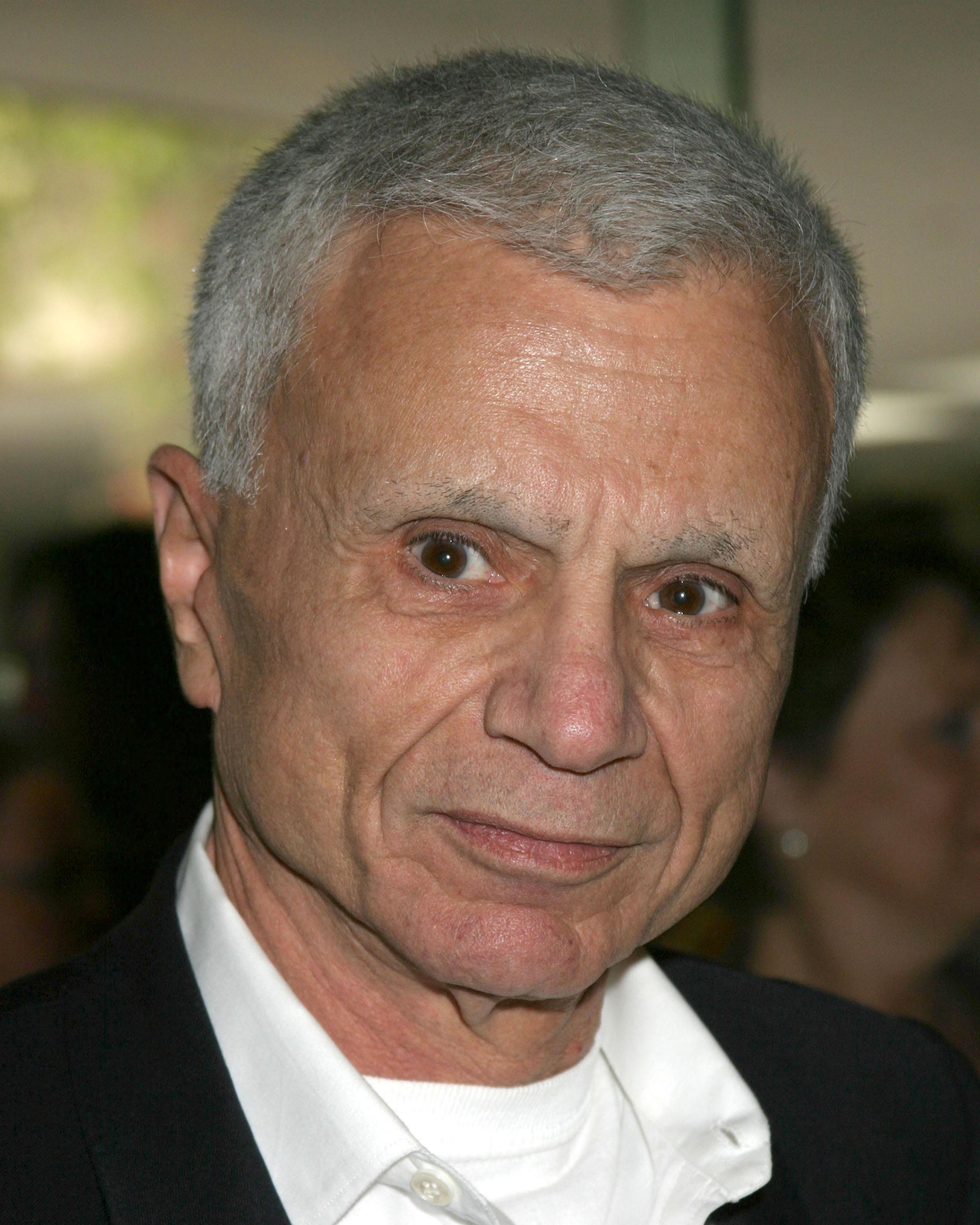
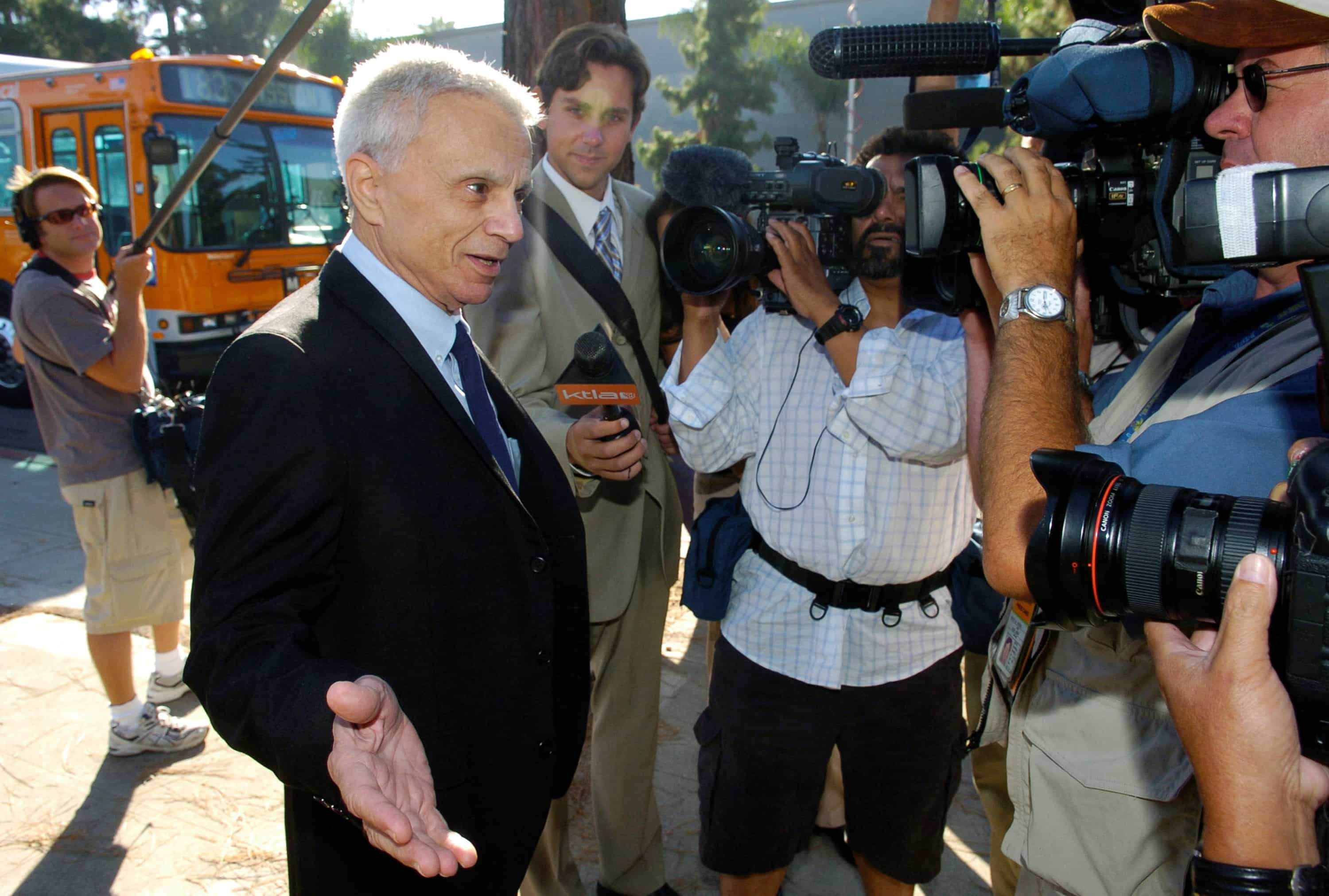
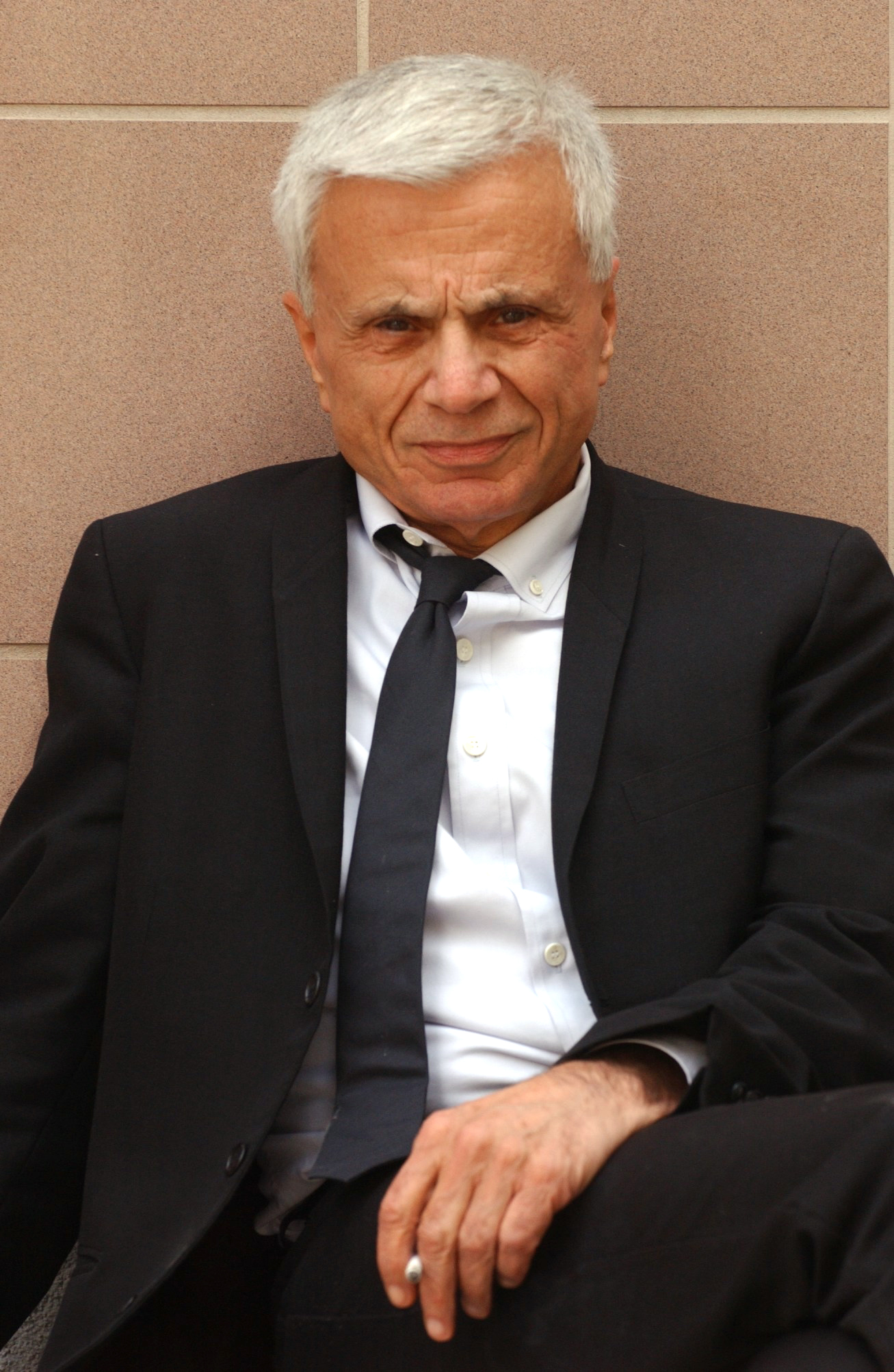
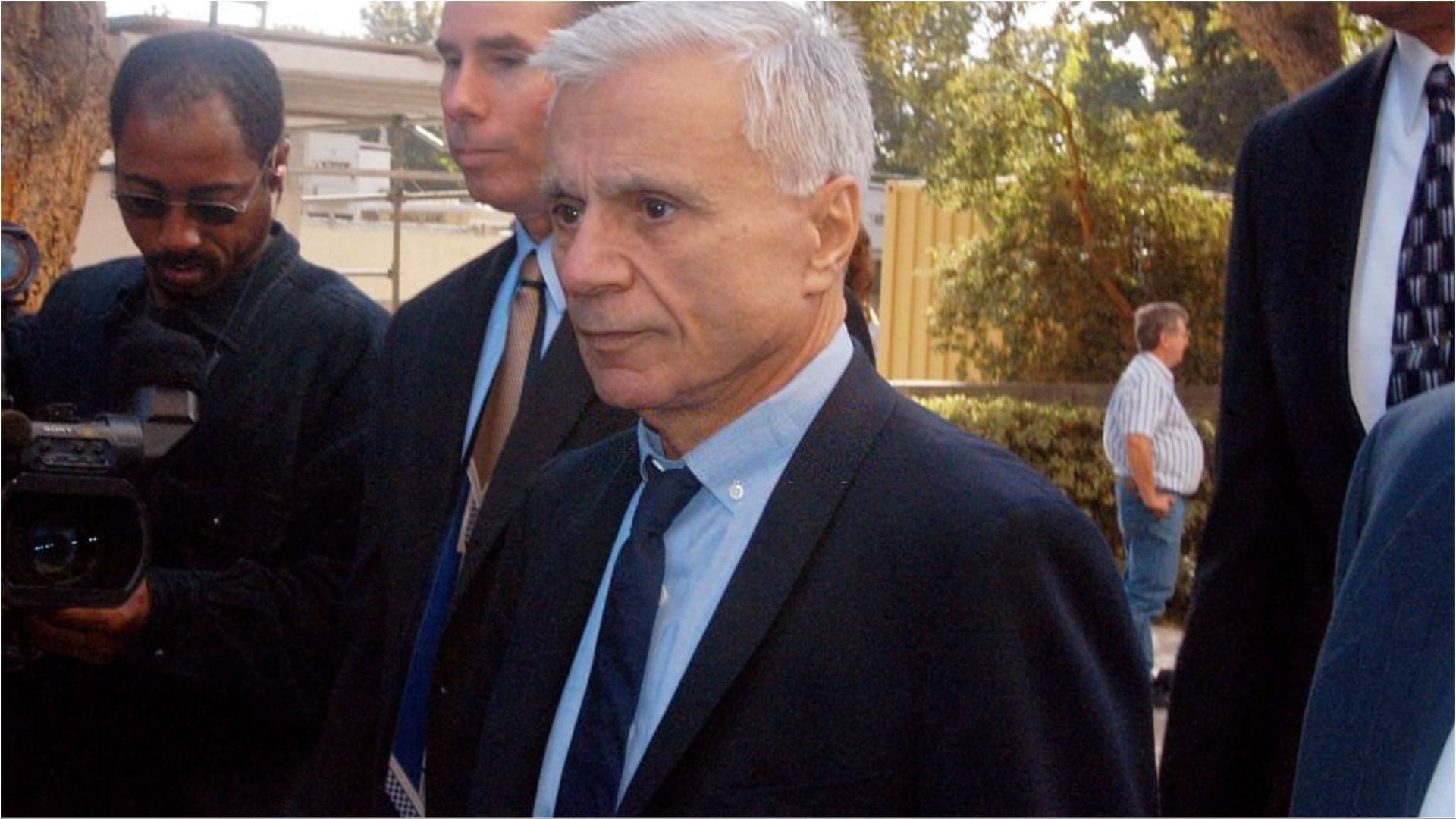
The Life and Legacy of Robert Blake: Examining His Final Years
Robert Blake, a prominent figure in American cinema and television, was 89 years old when he passed away on March 9, 2023. His death, which occurred at his home in Los Angeles, California, marked the conclusion of a life defined by a p...
Robert Blake, a prominent figure in American cinema and television, was 89 years old when he passed away on March 9, 2023. His death, which occurred at his home in Los Angeles, California, marked the conclusion of a life defined by a prolific acting career that spanned over seven decades, as well as a high-profile legal battle that dominated headlines for years.
Contents
A Career Defined by Longevity and Versatility
Robert Blake, born Michael James Vincenzo Gubitosi on September 18, 1933, in Nutley, New Jersey, began his career as a child actor. He is perhaps best remembered by audiences for his role as Tony Baretta in the hit 1970s television series Baretta, for which he won an Emmy Award. Before his success in television, Blake earned critical acclaim for his performance as Perry Smith in the 1967 film adaptation of Truman Capote’s In Cold Blood.
His trajectory from the Our Gang comedy shorts of the 1930s and 1940s to complex, gritty adult roles showcased a performer of significant range. However, his public image shifted dramatically in the early 2000s, leading to a period of intense media scrutiny that would define the final two decades of his life.
The Legal Challenges and Their Lasting Impact
The primary focus of public and legal attention in the latter part of Blake’s life was the 2001 murder of his wife, Bonny Lee Bakley. On May 4, 2001, Bakley was found fatally shot in a car parked outside a restaurant in Studio City, California, where she and Blake had just dined.
The subsequent investigation and legal proceedings became one of the most widely covered criminal cases in Hollywood history. In 2005, a jury acquitted Blake of the murder and the solicitation of murder charges. Despite this criminal acquittal, the case remained a subject of intense public discourse. Shortly after the criminal trial, the family of Bonny Lee Bakley filed a wrongful death civil lawsuit against the actor. In November 2005, a civil jury found Blake liable for the wrongful death of his wife, ordering him to pay damages totaling $30 million—a figure that was later reduced on appeal.
The civil verdict effectively neutralized the actor's financial standing and significantly altered his professional trajectory, leading to his eventual retirement from the public eye.
Financial and Personal Status in 2026
As of 2026, the historical record regarding Robert Blake’s final years remains consistent with the reports verified at the time of his passing. The legal developments of the mid-2000s resulted in significant financial repercussions that influenced his lifestyle and legal standing until his death.
| Event / Status | Year of Occurrence | Outcome / Impact |
|---|---|---|
| Murder of Bonny Lee Bakley | 2001 | Initiated criminal and civil proceedings |
| Criminal Trial Acquittal | 2005 | Found not guilty of murder charges |
| Civil Trial Liability | 2005 | Found liable for wrongful death; ordered to pay damages |
| Chapter 7 Bankruptcy | 2006 | Filed following civil court damages |
| Death | 2023 | Passed away at age 89 in Los Angeles |
Following the civil judgment, Blake filed for Chapter 7 bankruptcy protection in 2006, citing millions in legal fees and the civil judgment against him. During the final decade of his life, he lived a relatively private existence. The burden of the civil judgment and the enduring stigma of the case meant that he never returned to the level of professional prominence he enjoyed during the height of Baretta.
Transitioning into Retirement
During his final years, Blake shifted away from acting and industry networking. He released an autobiography in 2011, Tales of a Rascal: What I Did for Love, which provided his personal account of his early life, his career, and the legal struggles that defined his middle age.
His life at 89 was characterized by health complications associated with age. His death was officially attributed to heart disease. The transition from a celebrated television icon to a controversial public figure, and finally to a recluse, illustrates the volatile nature of celebrity and the long-term consequences of high-profile legal entanglement.
Understanding Legal Liability vs. Criminal Guilt
For those studying the case, it is essential to distinguish between the two legal standards applied to Blake:
- Criminal Standard (Beyond a Reasonable Doubt): The criminal trial required the prosecution to prove that Blake murdered his wife with absolute certainty. The jury’s acquittal meant the state failed to reach this high burden of proof.
- Civil Standard (Preponderance of the Evidence): The civil trial only required the plaintiffs to prove that it was "more likely than not" that Blake was responsible for the death. This lower burden of evidence resulted in the civil liability verdict, which is fundamentally different from a criminal conviction.
This distinction is frequently misunderstood in the context of celebrity trials. The $30 million judgment served as a definitive marker of his financial collapse, impacting his ability to earn in Hollywood long before his death at 89.
Frequently Asked Questions
Why was there both a criminal and a civil trial for Robert Blake? The American legal system allows for both criminal and civil trials for the same underlying event. A criminal trial seeks to punish a defendant for a crime against the state, while a civil trial allows private parties (like the victim's family) to sue for damages. The burden of proof for a civil case is lower, allowing for a different outcome despite a criminal acquittal.
How did the civil judgment affect his finances? The civil judgment for $30 million effectively bankrupted Blake. He could not satisfy the judgment in full, leading to his 2006 bankruptcy filing. This effectively ended his professional career, as he was unable to recover financially or rehabilitate his image in the entertainment industry.
What was the cause of death for Robert Blake? Robert Blake died of heart disease. He passed away at his home in Los Angeles, surrounded by family, at the age of 89.
Did Robert Blake act in any major roles after his trials? No. After the legal battles of 2001–2005, Blake did not appear in any significant film or television productions. His later years were marked by private life and the publication of his memoir.
Where can one find official records of the case? Public records, including the criminal court trial transcripts and the civil court filings, are held by the Superior Court of California, County of Los Angeles. Many of these have been digitized and archived by reputable legal journals and news organizations.
Final Perspective
Robert Blake’s life, ending at age 89, serves as a complex case study in the intersection of fame, legal tragedy, and personal legacy. While his contributions to mid-century film and television are documented in archives, the events of 2001 will always remain the defining narrative of his later life. For those researching his career or the legal precedents of the 2000s, the duality of his professional accomplishments and his private struggles remains the primary point of interest.
Image Gallery