The Origin of Creed Perfume: History, Heritage, and Modern Evolution
The origin of Creed perfume dates back to 1760, when James Henry Creed founded a tailoring house in London. While initially focused on equestrian clothing and scented leather gloves for King George III, the brand transitioned into a pr...
The origin of Creed perfume dates back to 1760, when James Henry Creed founded a tailoring house in London. While initially focused on equestrian clothing and scented leather gloves for King George III, the brand transitioned into a premier fragrance house in 1854 after relocating to Paris. Today, it remains a symbol of ultra-luxury perfumery.
Contents
The Foundation of the House: London (1760–1850)
The narrative of the House of Creed begins in mid-18th-century London. James Henry Creed established the business as a tailoring firm catering to the English aristocracy. During this era, the distinction between a tailor and a perfumer was often blurred by the necessity of scenting leather goods. Tanning processes of the time involved harsh chemicals that left leather with an unpleasant odor; consequently, high-end tailors used ambergris, civet, and musk to mask these scents.
According to brand archives, the first official Creed fragrance, Royal English Leather, was commissioned by King George III in 1781. The King was reportedly so enamored with the scent of his Creed-tailored gloves that he requested the aroma be translated into a wearable liquid fragrance. This transition from "habit maker" to "perfumer" established the foundational "By Appointment" status that would define the brand’s marketing for the next two and a half centuries.
Throughout the early 19th century, Creed continued to serve the British court. The business model relied on bespoke commissions—private scents created exclusively for a single client. This period solidified the brand's association with power and exclusivity, though these early scents were not available to the public in the way modern consumers understand retail fragrance.
The Move to Paris and the French Influence (1854)
A pivotal moment in the Creed origin story occurred in 1854. At the request of Empress Eugénie of France, the House of Creed moved its headquarters from London to Paris. The Empress was a style icon of the mid-19th century, and her patronage elevated Creed from a prestigious English tailor to an international luxury powerhouse.
The relocation to Paris placed Creed at the heart of the world’s perfume capital. Under the patronage of the Second French Empire, the house expanded its client list to include Emperor Napoléon III and other European royals, such as Emperor Franz-Joseph of Austria-Hungary and Queen Christina of Spain.
In Paris, the house established its boutique at 38 Avenue Pierre 1er de Serbie. This location became a destination for the global elite. During this era, the brand refined its "infusion" technique—a traditional method of macerating raw materials that Creed claims to still use today. This process involves weighing, mixing, and macerating ingredients by hand to preserve the integrity of natural essences, a technical depth that distinguishes "Millesime" (vintage) quality fragrances from mass-market productions.
The Seven Generations of Creed Lineage
Creed prides itself on being a family-run business, passed down "De Père en Fils" (from father to son) for seven generations. This lineage is central to the brand’s identity as a guardian of traditional perfumery.
- James Henry Creed (1st Generation): The founder who established the London tailoring house.
- Henry Creed (2nd Generation): Expanded the tailoring business across Europe.
- Henry Creed II (3rd Generation): A prolific traveler who brought exotic ingredients back to Paris.
- James Henry Creed II (4th Generation): Navigated the house through the early 20th century.
- James Henry Creed III (5th Generation): Maintained the brand’s exclusivity during the mid-20th century.
- Olivier Creed (6th Generation): The master perfumer credited with making Creed a global retail phenomenon in the 1970s and 80s.
- Erwin Creed (7th Generation): The current face of the brand, focusing on sourcing and global expansion.
While the early generations were primarily tailors, Olivier Creed is widely recognized as the architect of the modern perfume house. Under his leadership, the brand shifted from a private, bespoke service to a niche retail giant, launching iconic scents that defined the late 20th and early 21st centuries.
Historical Debates and the "Ghost Perfumer" Investigation
In recent years, the origin story of Creed has been subject to intense scrutiny by fragrance historians and investigative journalists. The primary point of contention is the lack of physical evidence—such as perfume bottles, advertisements, or museum entries—for Creed fragrances dating before the mid-20th century.
In the book The Ghost Perfumer by Gabe Oppenheim, research suggests that while the Creed family were indeed prestigious tailors in London and Paris, their existence as a dedicated perfume house may have been a brilliant marketing reconstruction initiated in the 1970s. Investigative findings indicate that many of the brand’s most famous "heritage" scents may have been created by external master perfumers, known as "ghost perfumers," rather than the Creed family themselves.
For example, the legendary Green Irish Tweed (1985) is widely attributed by industry insiders to the renowned perfumer Pierre Bourdon. Similarly, Aventus (2010), the brand’s most successful launch, is often linked to Jean-Christophe Hérault.
Despite these debates, the brand maintains its historical narrative. In the world of luxury, "provenance" is often a blend of historical fact and evocative storytelling. Whether the perfumes date back to 1760 or 1970, the craftsmanship and the quality of the raw materials used in the modern era remain indisputable to its loyal customer base in 2026.
Modern Era: Acquisition and 2026 Status
The 2020s marked a significant transition in the ownership and operational structure of Creed. In 2020, the house was sold to BlackRock Long Term Private Capital and Javier Ferrán. However, the most definitive change occurred in June 2023, when the French luxury conglomerate Kering (which owns Gucci, Saint Laurent, and Balenciaga) acquired Creed in an all-cash deal valued at approximately €3.5 billion.
As of 2026, Creed operates as the flagship brand of Kering Beauté. This acquisition has allowed the brand to expand its distribution in China and the travel retail sector while maintaining its "prestige" positioning. The 2026 market landscape sees Creed balancing its historical "father to son" image with the corporate rigor of a multi-billion dollar luxury group.
Timeline of Key Events in Creed's History
| Year | Milestone | Significance |
|---|---|---|
| 1760 | Foundation in London | Started as a tailoring house by James Henry Creed. |
| 1781 | Royal English Leather | First fragrance commissioned by King George III. |
| 1854 | Move to Paris | Relocated at the request of Empress Eugénie. |
| 1970 | Olivier Creed Takes Lead | The brand pivots from bespoke tailoring to retail perfumery. |
| 1985 | Green Irish Tweed | Launch of the scent that defined the modern niche market. |
| 2010 | Aventus Launch | Becomes the most successful fragrance in the brand's history. |
| 2023 | Kering Acquisition | Creed is integrated into Kering Beauté for global scaling. |
| 2026 | Current Status | Operating as a leading global luxury fragrance house. |
Iconic Fragrances and Their Origins
Understanding the origin of Creed requires a look at the specific scents that built its reputation. Each major release is marketed with a story that ties back to a specific historical figure or geographic location.
Green Irish Tweed (1985)
Often cited as the fragrance that launched the "niche" perfume movement, Green Irish Tweed was designed to evoke the lush estate of the Irish countryside. Its origin is tied to the concept of a "gentleman’s walk through the country." Technically, it utilized a high concentration of Dihydromyrcenol, giving it a crisp, metallic, and "green" freshness that was revolutionary at the time.
Silver Mountain Water (1995)
Inspired by Olivier Creed’s passion for skiing, this scent aims to capture the essence of sparkling streams in the Swiss Alps. The "origin" of this fragrance is purely experiential, focusing on the purity of high-altitude air and water. Its bottle design—white with a silver cap—mimics a snow-capped peak.
Aventus (2010)
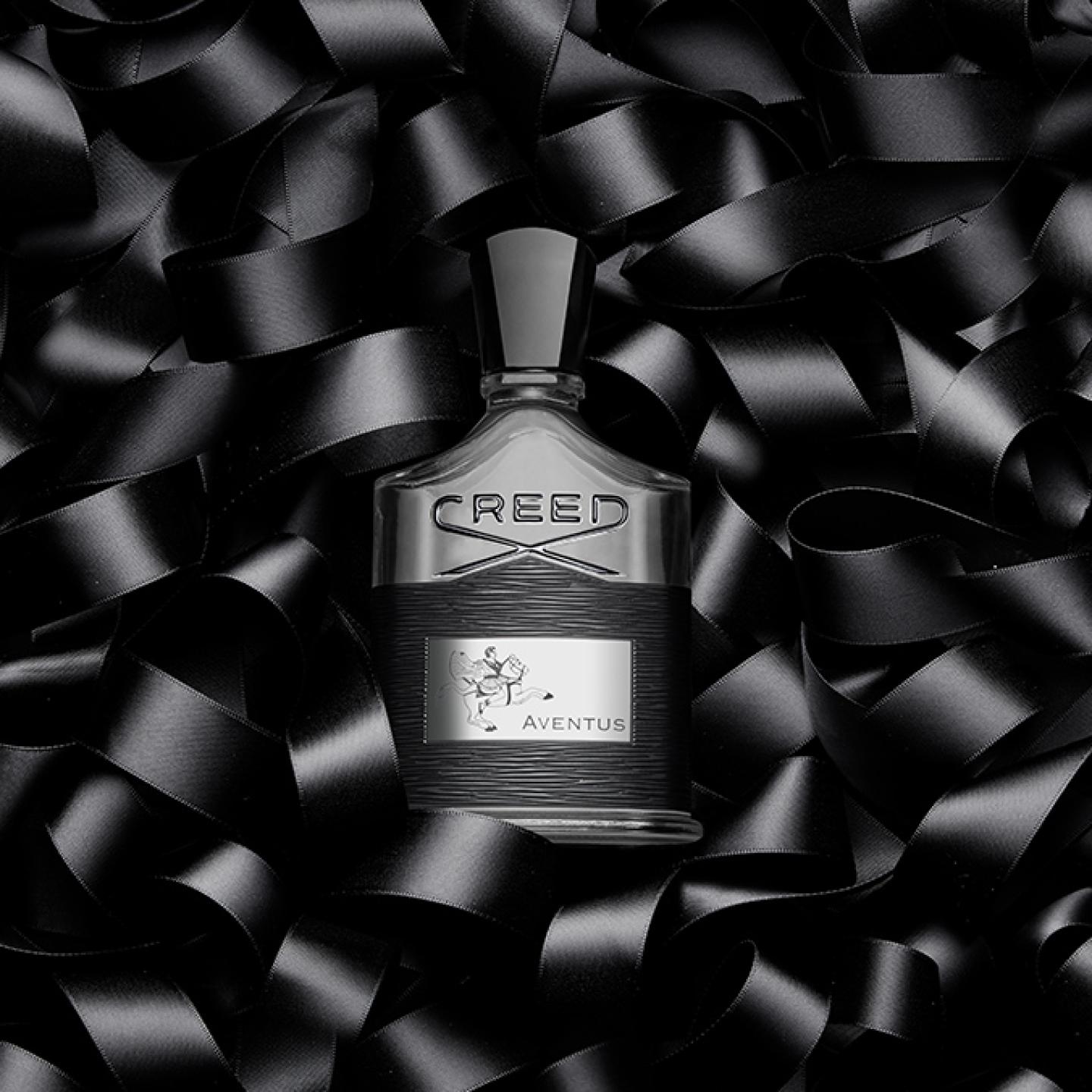
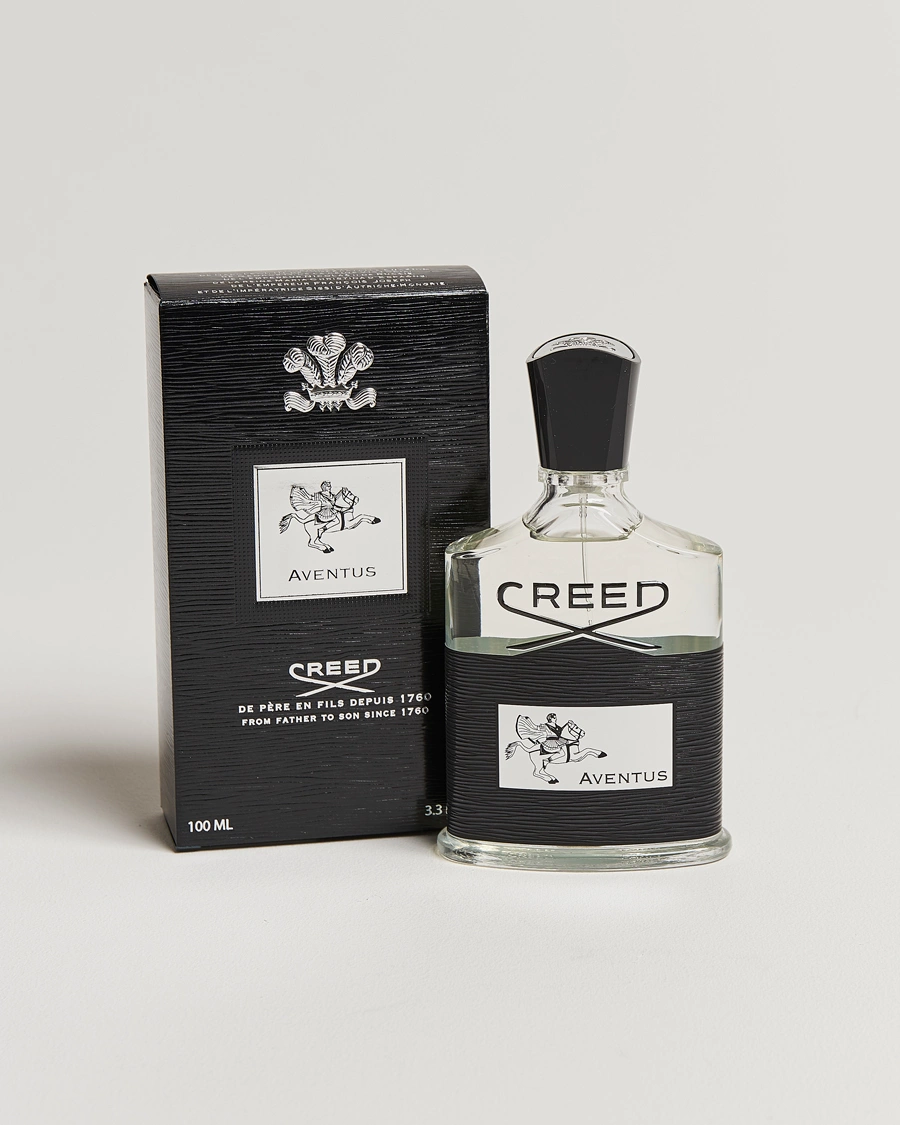
Aventus was launched to celebrate the brand’s 250th anniversary. Its origin story is rooted in the life of Emperor Napoléon I, symbolizing power, success, and heritage. The scent profile—a bold mix of pineapple, birch, and oakmoss—created a new olfactory category known as "fruity-chypre" and spawned an entire industry of clones and "inspired-by" fragrances.
The Technical Art of "Millesime"
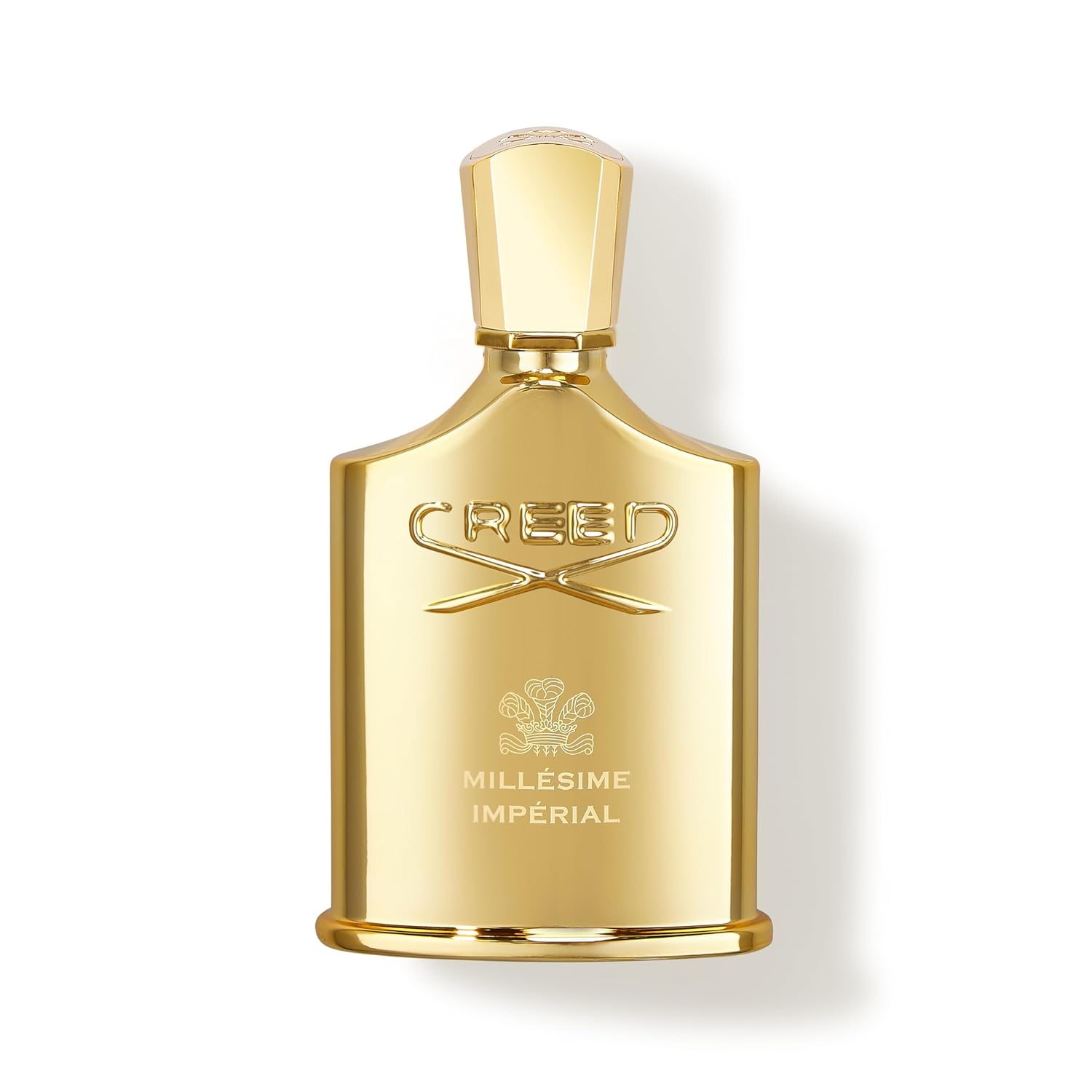
A unique aspect of the Creed origin story is the use of the term Millesime. Borrowed from the world of fine wine, the term refers to a "vintage" or a specific year's harvest. Creed uses this designation to signal that their fragrances contain a high percentage of natural oils, which can vary slightly from year to year based on climate and crop quality.
In 2026, the house continues to emphasize its sourcing of ingredients. From Bulgarian roses and Italian jasmine to Florentine iris and Haitian vetiver, the brand’s origin is as much about the soil where the ingredients grow as it is about the history of the Creed family. This focus on "raw material origin" is a key technical defense against the rise of fully synthetic, mass-produced luxury scents.
Frequently Asked Questions
Was Creed really founded in 1760?
Yes, the House of Creed was founded in 1760 in London. However, historical records suggest it operated primarily as a high-end tailoring business for the first two centuries of its existence. Its status as a dedicated perfume house for the public began in the mid-20th century, specifically under the direction of Olivier Creed.
Who owns Creed perfume in 2026?
As of 2026, Creed is owned by Kering, the French luxury goods group. Kering acquired the brand in 2023 to serve as the foundation for its internal beauty division, Kering Beauté. Despite the corporate ownership, Erwin Creed remains involved in the creative and sourcing aspects of the business.
Why is Aventus considered the brand’s most important scent?
Aventus, released in 2010, transformed Creed from a niche secret into a global phenomenon. It became a cultural touchstone in the fragrance community, known for its "batch variations" and high performance. It represents the successful "origin" of the brand’s modern commercial era.
Are Creed perfumes still made by hand?
The brand maintains that it uses traditional "infusion" and "maceration" techniques that are largely done by hand at its factory in Fontainebleau, near Paris. While the scale of production has increased significantly under Kering’s ownership, the house continues to market these artisanal origins to justify its premium pricing.
What is the significance of the 1854 move to Paris?
The 1854 move was essential for the brand’s survival and prestige. By relocating to Paris at the invitation of the French Empress, Creed positioned itself at the center of the global fashion and fragrance industry, allowing it to transition from an English tailor to a European luxury house.
Practical Recommendations for Consumers
When exploring the origins of Creed perfume, it is important to distinguish between the brand’s evocative marketing history and its modern fragrance achievements. For those looking to experience the "origin" of the house, starting with Royal English Leather (if available through vaulted collections) or Green Irish Tweed provides a direct link to the brand’s heritage and its 1980s resurgence.
In 2026, purchasers should ensure they buy from authorized retailers or the official Creed website to guarantee the authenticity of the product, as the brand’s popularity has led to a significant market for counterfeits. Understanding the "batch" culture—where subtle differences exist between production runs—can also enhance the experience for collectors who appreciate the "Millesime" nature of the product.
Image Gallery