How to Use Brand Lift Questions to Measure Advertising Effectiveness
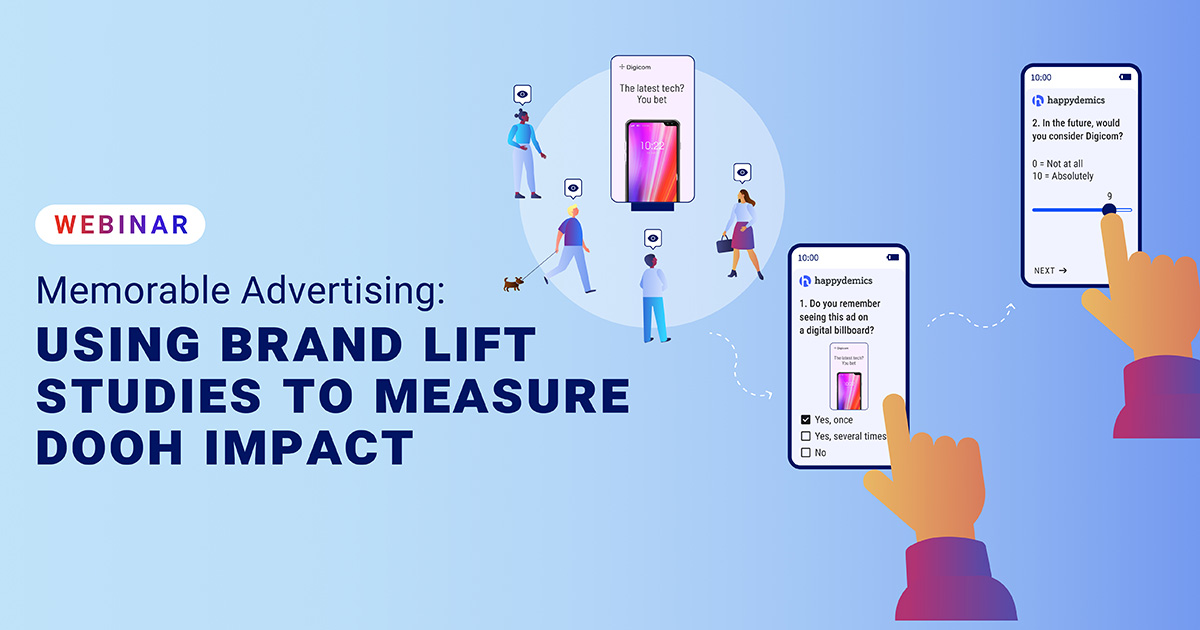
Brand lift questions enable marketers to quantify the impact of digital advertising on consumer perception, measuring metrics like ad recall, brand awareness, and consideration. By serving short, non-intrusive surveys to users exposed...
Brand lift questions enable marketers to quantify the impact of digital advertising on consumer perception, measuring metrics like ad recall, brand awareness, and consideration. By serving short, non-intrusive surveys to users exposed to an ad campaign compared to a control group, businesses obtain empirical data on how their media spend shifts brand sentiment rather than just driving direct clicks.
Contents
The Mechanism of Brand Lift Studies
At its core, a brand lift study operates on a simple premise: compare a test group (users who saw your ad) against a control group (users who did not) using randomized, controlled experimentation. Platforms like Google Ads, Meta, and various DSPs (Demand-Side Platforms) automate this by splitting audiences at the server level.
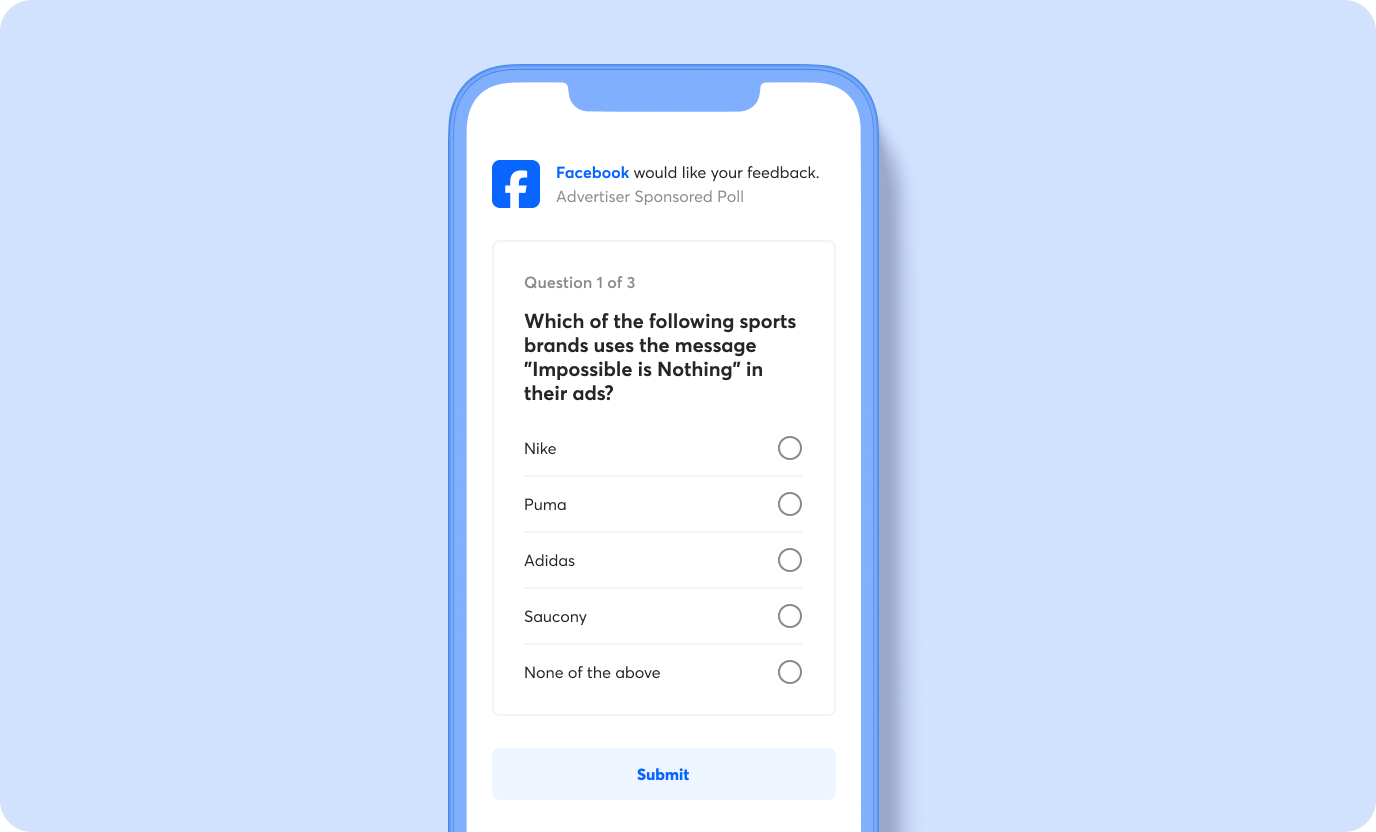
When a user in the test group loads a webpage or app where your ad is eligible to serve, the platform decides in real-time whether to show the advertisement or the survey. If the survey is triggered, the user is asked a single, multiple-choice question. By aggregating these responses, the system calculates the "lift"—the statistical difference in positive responses between those exposed to the ad and those who were not.
Prerequisites for Running Brand Lift Studies
Not every campaign is suited for a brand lift study. Before configuring your questions, you must ensure your campaign meets the technical and strategic requirements of your chosen ad platform.
- Minimum Spend or Impression Volume: Most platforms require a minimum number of impressions or a specific budget threshold to ensure statistical significance. If the sample size is too small, the margin of error will be too high to draw actionable conclusions.
- Clear Objectives: You must decide what you are trying to measure. Brand awareness requires different question structures than purchase intent or brand favorability.
- Creative Consistency: The ads running in the campaign must be representative of the brand. If the creative is too vague, the survey results may reflect confusion rather than brand recognition.
Designing Effective Brand Lift Questions
The efficacy of a brand lift study relies heavily on the quality and clarity of the question asked. Because users are often interrupted while browsing, the question must be extremely easy to process in under three seconds.
Best Practices for Question Phrasing:
- Focus on a Single Metric: Do not try to measure awareness and purchase intent in the same question. Use one question per campaign segment to avoid user fatigue.
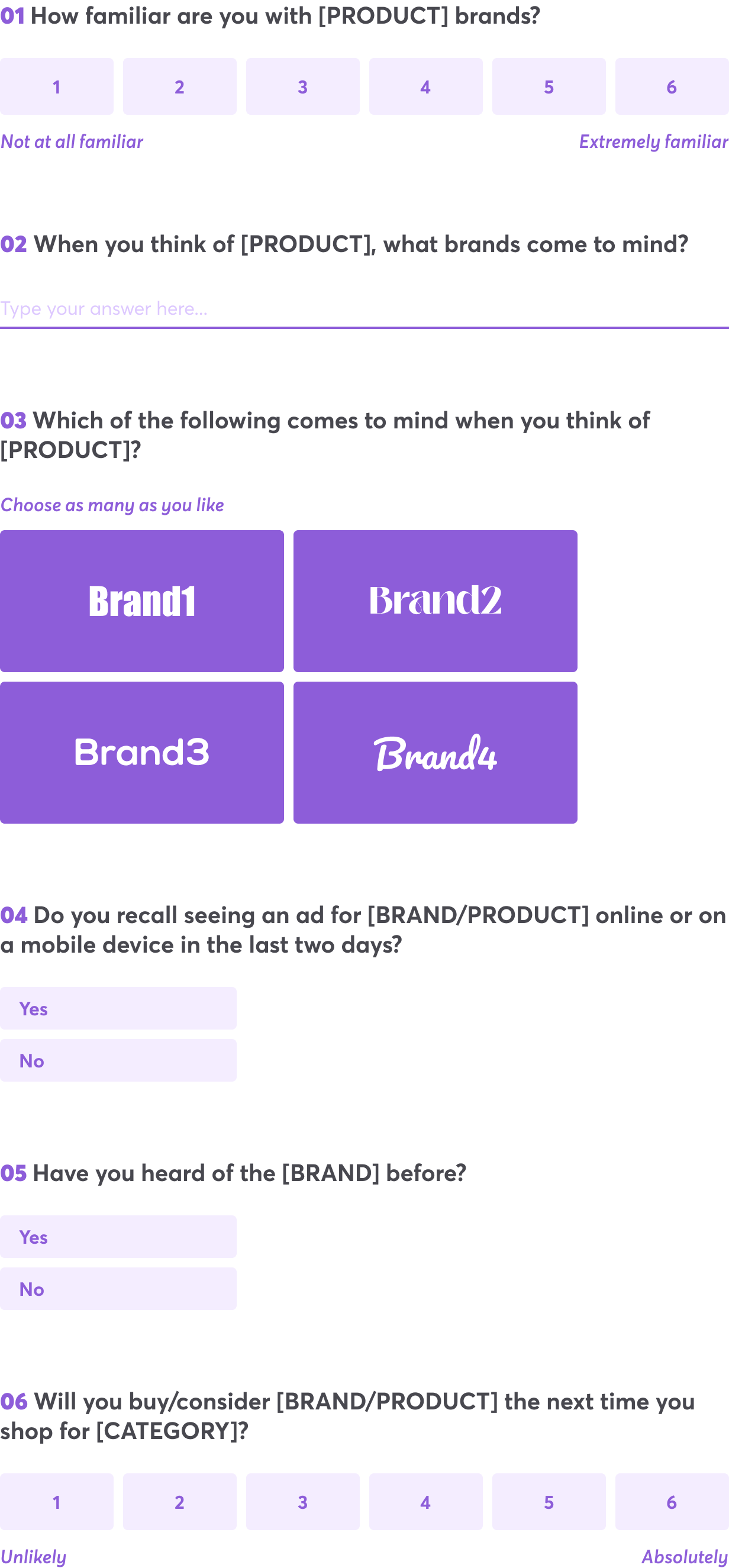
- Use Neutral Language: Avoid leading questions. For example, "How much do you love our new product?" is biased. Instead, use "Have you heard of [Brand Name]?"
- Keep Response Options Simple: Stick to binary (Yes/No) or clear, limited-choice scales. Complex rating scales often lead to drop-offs.
- Match the Brand Context: If your ad campaign is about a specific product launch, your brand lift question should focus on the product rather than the umbrella brand to capture the specific impact of that campaign.
Common Types of Brand Lift Metrics
Depending on your business goals, you may choose to track different aspects of consumer behavior. Understanding these metrics helps in selecting the right question type.
| Metric | Goal | Typical Question Format |
|---|---|---|
| Ad Recall | Measure memorability | "Have you seen an ad for [Brand] online in the last few days?" |
| Brand Awareness | Increase brand recognition | "Which of these brands are you aware of?" |
| Consideration | Shift user preference | "How likely would you be to consider [Brand] for your next purchase?" |
| Favorability | Build positive sentiment | "What is your opinion of [Brand]?" |
| Purchase Intent | Drive immediate action | "How likely are you to purchase [Brand]?" |
Analyzing and Acting on the Data
Once the campaign concludes, the platform provides a dashboard showing the Lift, the Cost Per Incremental Lift, and the statistical significance of the results.
If the data shows a high ad recall but low purchase intent, it suggests your creative is effective at getting noticed, but failing to communicate the value proposition or resolve customer objections. Conversely, if your brand awareness is already high, you might consider shifting your spend toward lower-funnel conversion tactics rather than continuing broad reach campaigns.
Common Pitfalls and Troubleshooting
Even with well-designed questions, studies can fail to yield actionable results due to several common errors.
- Under-budgeting: If you do not reach the minimum required reach, your study will show "Insufficient Data." Always check the platform's calculator before committing to a campaign.
- Over-Segmentation: Splitting a campaign into too many sub-segments (e.g., by age, region, and device) thins the data, making it difficult to reach statistical significance in any single group.
- Survey Fatigue: Running surveys too frequently to the same audience can irritate users and negatively impact brand perception, which is the opposite of the study's goal. Limit the frequency at which the survey is shown to an individual user.
Strategic Integration with Other Marketing Data
Brand lift questions should not exist in a vacuum. They serve as a bridge between high-level brand tracking surveys and low-level performance metrics like ROAS (Return on Ad Spend) or CPC (Cost Per Click).
When you see a lift in consideration from your brand campaign, look for a corresponding increase in organic search volume for your brand name. If organic search growth matches the lift in survey metrics, you have verified the "halo effect" of your digital advertising. This multi-channel validation provides a much more robust picture of marketing efficacy than relying on last-click attribution alone.
Frequently Asked Questions
How long should a brand lift study run? Generally, a study should run for at least 2–4 weeks. This allows the algorithm enough time to collect a statistically significant number of responses from both the control and test groups.
Can I run multiple brand lift studies at once? Yes, but you must be careful not to overlap audiences in a way that biases the data. Most platforms allow you to set up concurrent studies for different campaigns, but running too many simultaneously may dilute the focus of your analysis.
Is there a cost associated with brand lift studies? Most major advertising platforms offer brand lift measurement tools at no additional cost for the service, but there is often a minimum spend requirement for the ad campaign itself to qualify for the study.
Why are my results "not statistically significant"? This usually occurs due to a sample size that is too small or because the difference in responses between the test and control groups is too slight. Review your targeting and ensure you are not restricting your audience too heavily.
Does brand lift measure actual sales? No. Brand lift measures shifts in perception. While these shifts are usually leading indicators of future sales, they do not track individual purchase transactions. For sales tracking, you should integrate conversion tracking or offline conversion measurement.
Final Recommendation
To effectively use brand lift questions, start by defining a single, clear objective for a campaign with sufficient reach. Before launching, use the platform's forecasting tool to ensure your budget will generate enough responses to reach statistical significance. Once the campaign is live, monitor the dashboard for trends, but wait until the end of the campaign to draw final conclusions. Use the findings to refine your creative messaging and channel mix for subsequent flights, focusing on the specific stage of the funnel where your brand requires the most growth.
Image Gallery