Shopify vs Wix: Which Platform Wins for E-commerce in 2026?
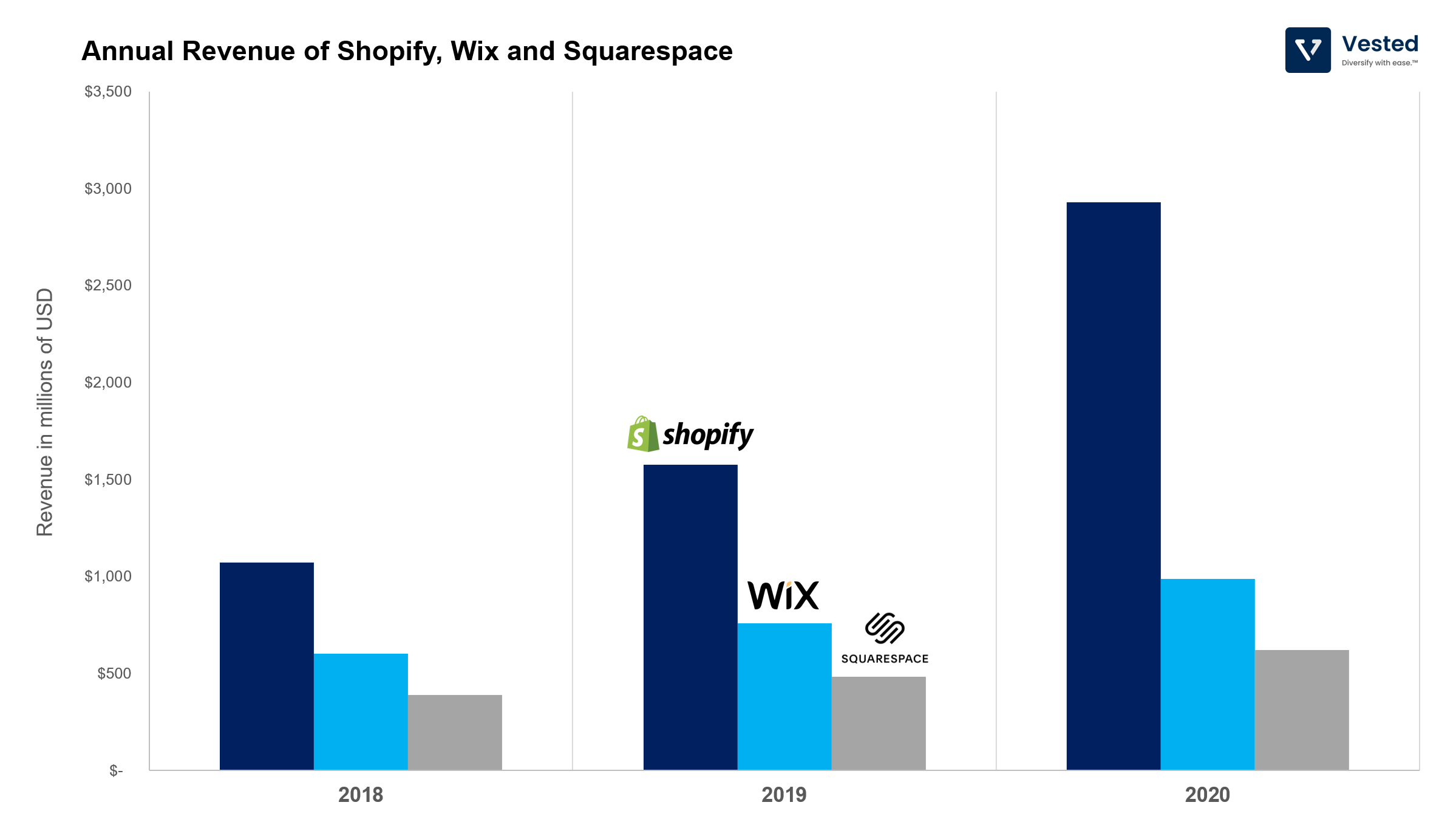
In 2026, Shopify remains the superior choice for businesses prioritizing scalability, advanced inventory management, and high-volume sales. Wix is the winner for creative entrepreneurs and small boutiques who value drag-and-drop design...
In 2026, Shopify remains the superior choice for businesses prioritizing scalability, advanced inventory management, and high-volume sales. Wix is the winner for creative entrepreneurs and small boutiques who value drag-and-drop design flexibility and integrated marketing tools without the complexity of a dedicated, enterprise-grade commerce engine.
Contents
The State of E-commerce Platforms in 2026
The landscape of online retail has shifted significantly over the last few years. While the fundamental need for a stable storefront remains, the rise of AI-driven personalization and headless commerce architecture has forced platforms like Shopify and Wix to evolve. Shopify continues to position itself as the "backbone of the internet's economy," focusing on deep infrastructure and logistics. Meanwhile, Wix has transitioned from a simple website builder into a robust "all-in-one" business suite that caters to those who want design control and commerce in a single package.
Choosing between these two depends largely on your technical comfort level and your long-term growth projections. Shopify is a dedicated e-commerce platform, meaning every feature is built with the sole intent of selling products. Wix is a general-purpose website builder that offers a powerful e-commerce module. This distinction dictates everything from how you manage taxes to how your site handles a sudden surge in traffic during a holiday sale.
Ease of Use and the Onboarding Experience
Both platforms have integrated sophisticated AI assistants to help users launch stores in minutes, but the "ease of use" manifests differently in each.
Wix: The Creative Playground
Wix uses a true drag-and-drop editor. In 2026, the Wix Studio and AI-driven design tools allow users to place elements anywhere on a page with pixel-perfect precision. This is ideal for brand-heavy businesses—such as boutique fashion or artisanal goods—where the visual storytelling is just as important as the product list. However, this freedom comes with a risk: it is much easier to "break" the mobile responsiveness of a Wix site if you are not careful with element placement.
Shopify: Structured Efficiency
Shopify utilizes a section-based editor. While you can move sections around (like headers, galleries, and product grids), you cannot move a button three pixels to the left just because you feel like it. This "constrained" approach ensures that no matter what you do, your site remains fast, accessible, and mobile-responsive. For a business owner who wants to focus on logistics rather than design theory, Shopify’s structured environment is often less frustrating in the long run.
E-commerce Features and Inventory Management
When comparing the "engine" under the hood, Shopify generally offers more horsepower for complex retail operations.
Inventory and Product Variants
Shopify excels at managing large catalogs. It allows for deep organization through automated collections, tags, and multi-location inventory tracking. If you are selling across multiple warehouses or brick-and-mortar stores, Shopify’s native syncing is world-class. It comfortably handles thousands of SKUs without lagging.
Wix has improved its inventory management significantly by 2026, offering solid tracking and variant support. However, it still feels more suited for businesses with smaller catalogs (under 500 items). Once a store reaches a certain level of complexity—such as requiring sophisticated "if/then" logic for product options—Wix users often find themselves needing third-party workarounds that Shopify handles natively.
Payment Gateways and Transaction Fees
A major point of contention is how these platforms handle money.
- Shopify Payments is the platform's integrated gateway. If you use it, Shopify waives its third-party transaction fees. However, if you choose to use an external processor like PayPal or Authorize.net, Shopify charges an additional fee (ranging from 0.5% to 2% depending on your plan).
- Wix Payments provides a similar integrated experience. Unlike Shopify, Wix does not charge an "extra" transaction fee for using third-party gateways, though you will still pay the standard processing fees charged by the gateway itself.
Technical SEO and Site Performance
In 2026, search engine algorithms prioritize "Core Web Vitals" and user experience more than ever.
Shopify is built for speed. Its global Content Delivery Network (CDN) and optimized checkout process are designed to convert visitors into buyers. Shopify also gives users more control over the URL structure and robots.txt files, which is a major advantage for technical SEO specialists looking to squeeze every bit of ranking potential out of a site.
Wix has shed its old reputation for being "bad for SEO." Today, it offers a comprehensive SEO Setup Plan that guides beginners through the basics. Wix also features automatic image compression and localized hosting to improve load times. While Shopify still has a slight edge in raw page speed for large-scale stores, Wix is more than sufficient for most small-to-medium businesses.
The App Ecosystem: Extending Functionality
No platform can do everything out of the box. This is where the app markets come into play.
- Shopify App Store: With thousands of vetted apps, Shopify has a solution for every niche requirement, from complex loyalty programs to advanced dropshipping integrations with AliExpress or Printful. However, the cost of monthly app subscriptions can quickly exceed the base price of the platform.
- Wix App Market: Wix’s marketplace is smaller but more curated. Many of the tools you might need an app for on Shopify (like bookings, event management, or basic email marketing) are built directly into Wix as native features. This can make Wix a more cost-effective "out of the box" solution for service-based businesses that also sell physical products.
Comparison of Key Specifications (2026 Data)
| Feature | Shopify (Basic/Advanced) | Wix (Core/Business Elite) |
|---|---|---|
| Primary Goal | Dedicated E-commerce | Website Building + E-commerce |
| Ease of Use | Moderate (Structured) | High (Drag-and-Drop) |
| Max Products | Unlimited (Best for large catalogs) | Unlimited (Best for small/medium) |
| Transaction Fees | 0% (if using Shopify Payments) | 0% (Platform level) |
| Abandoned Cart Recovery | Included in all plans | Included in all plans |
| Multi-Currency | Advanced native support | Supported via Wix Multilingual |
| POS Integration | Industry-leading (Shopify POS) | Available (Wix POS) |
| Scalability | Extremely High | Moderate to High |
Pricing and Long-Term Value
Pricing in 2026 has remained relatively stable but requires a careful look at "total cost of ownership."
Shopify's plans typically start around $39/month for the Basic tier. While this seems affordable, the cost of a premium theme (often a one-time $200–$350 fee) and several monthly apps can push your operating costs to $100+/month very quickly.
Wix's e-commerce plans (Core, Business) often start slightly lower, around $27–$32/month. Because Wix includes more built-in features—like a logo maker, video maker, and basic email marketing—you may find your "app spend" is significantly lower than it would be on Shopify.
Scalability: When to Move from Wix to Shopify
The most common reason businesses migrate from Wix to Shopify is the "scaling wall."
When a business grows from 10 orders a day to 500, the demands on the backend change. Shopify’s checkout is optimized for high-concurrency events (like "flash sales"). It handles complex shipping calculations, international tax compliance (via Shopify Tax), and multi-channel selling (Instagram, TikTok, Amazon, and eBay) with a level of stability that Wix struggles to match at high volumes. If your goal is to build a multi-million dollar brand, starting on Shopify saves you the headache of a platform migration later.
Frequently Asked Questions
Which platform is better for dropshipping?
Shopify is the clear winner for dropshipping. Its integration with suppliers, automated order fulfillment apps, and specialized themes designed for high-conversion product pages make it the industry standard. While Wix supports dropshipping, its integration options are fewer and less automated.
Can I switch from Wix to Shopify (or vice versa)?
Yes, you can migrate your data using CSV files for products and customers, or by using migration services like Cart2Cart. However, you cannot "move" your design; you will have to rebuild the visual look of your store on the new platform.
Does Shopify or Wix have better customer support?
Both platforms offer 24/7 support via chat and email. Shopify is often praised for its extensive documentation and the "Shopify Community" forums, where millions of users share solutions. Wix provides excellent phone support options for higher-tier plans, which some users prefer for troubleshooting complex design issues.
Which is better for selling services and products together?
Wix is generally better for "hybrid" businesses. If you run a yoga studio that also sells yoga mats, Wix’s integrated booking system and e-commerce tools work more seamlessly together than Shopify’s third-party booking app integrations.
Is one platform more secure than the other?
Both Shopify and Wix are "closed" platforms, meaning they handle all security updates, SSL certificates, and PCI compliance for you. Unlike open-source platforms like WordPress/WooCommerce, you do not have to worry about patching your own server or security plugins.
Final Recommendation: Making the Choice
The "winner" depends on your 24-month business plan.
Choose Shopify if:
- You plan to scale your inventory beyond a few hundred items.
- You want the most robust mobile app for managing your store on the go.
- You prioritize checkout speed and "proven" e-commerce layouts over unique design flair.
- You are running a dedicated retail operation where logistics are the priority.
Choose Wix if:
- You are a small business owner, artist, or service provider who wants a beautiful site with minimal technical hurdles.
- You want an all-in-one platform that includes marketing, bookings, and site building for one monthly price.
- You value the ability to customize every visual aspect of your site without writing code.
- Your product catalog is relatively stable and small.
Next Action: Visit both platforms to take advantage of their free trials. Start by uploading five products to each and attempting to customize the homepage. You will likely feel an immediate preference for one workflow over the other.
Image Gallery