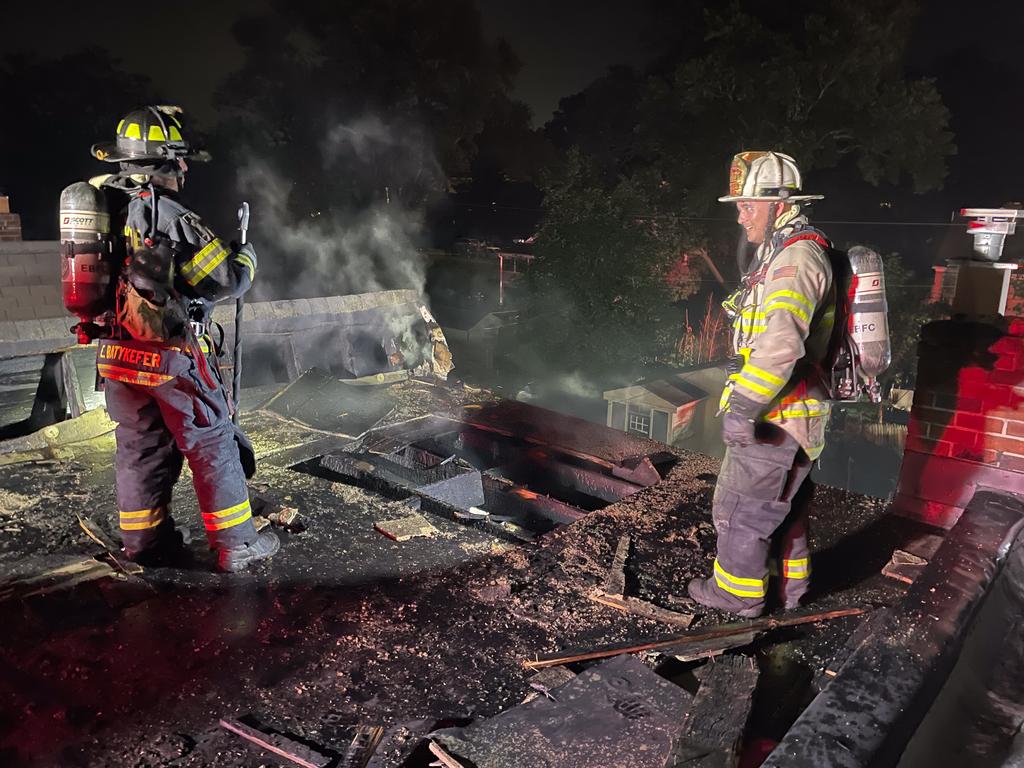
Understanding the Impact and Historical Context of the Downingtown Fire
The term "Downingtown fire" refers to significant structural or industrial fire events occurring within the borough of Downingtown, Pennsylvania. These incidents, ranging from historic downtown structure fires to industrial site emerge...
The term "Downingtown fire" refers to significant structural or industrial fire events occurring within the borough of Downingtown, Pennsylvania. These incidents, ranging from historic downtown structure fires to industrial site emergencies, require coordinated responses from local volunteer fire departments and regional mutual aid partners to manage public safety, structural integrity, and long-term community recovery.
Contents
The Role of Fire Services in Downingtown
Downingtown, a historic borough in Chester County, relies heavily on a volunteer-based fire protection model. The primary organizations responsible for responding to fire incidents in the area include the Alert Fire Company No. 1 and the Minquas Fire Company No. 2. These entities serve as the frontline defense for residents and business owners, providing not only fire suppression but also rescue services, hazardous materials handling, and community fire prevention education.
The effectiveness of these departments in managing a Downingtown fire depends on the "mutual aid" network. Because fire incidents can escalate rapidly, neighboring departments from towns such as West Chester, Thorndale, and Coatesville are frequently integrated into the incident command structure. This collaborative approach is essential in a borough characterized by high-density historic commercial structures and evolving industrial zones.
Historical Context and Notable Incidents
Throughout its history, Downingtown has faced challenges related to aging infrastructure and industrial development. Historic fires in the borough often center on the dense concentration of 19th and early 20th-century commercial buildings along the Lancaster Avenue corridor. When fire impacts these older structures, the risk of rapid fire spread is exacerbated by shared walls, wooden framing, and complex renovations that may hide fire-rated barriers.
In addition to structural fires, Downingtown has occasionally faced industrial-related incidents due to its history as a manufacturing hub. These events often require a different set of tactical considerations compared to residential fires, including the identification of chemicals on-site, the structural stability of steel-frame facilities, and the environmental containment of runoff from firefighting efforts.
The Tactical Approach to Structural Fires
When an emergency is reported, the incident command system (ICS) is activated to manage resources efficiently. The approach to a fire event generally follows a standardized hierarchy of operational goals:
- Life Safety: The primary objective is the evacuation and protection of occupants and firefighters.
- Incident Stabilization: Efforts focus on confining the fire to the structure or the specific room of origin to prevent further spread.
- Property Conservation: Tactical ventilation and controlled water application are used to minimize damage to secondary structures and personal property.
Tactically, firefighters in Pennsylvania utilize the National Incident Management System (NIMS) guidelines. For buildings in the historic downtown area, this often involves "defensive" versus "offensive" operational decisions. If a building is deemed too structurally unstable, commanders will shift to defensive operations—focusing on protecting adjacent properties rather than entering the burning structure itself.
Comparison of Fire Emergency Variables
The nature of a fire emergency in Downingtown varies significantly depending on the site characteristics. Below is a comparison of typical incident variables that influence resource deployment.
| Factor | Historic Commercial Structure | Modern Industrial/Office Park |
|---|---|---|
| Construction | Primarily masonry, wood joists | Steel, concrete, pre-fab metal |
| Primary Risk | Vertical fire spread (chimney effect) | Large floor plans, hazardous storage |
| Water Supply | Relies on municipal hydrants | Often requires high-volume drafting |
| Access | Narrow streets, limited parking | Truck-accessible loading zones |
| Hazards | Unknown electrical, interior void spaces | Chemical storage, high-voltage equipment |
Community Safety and Prevention Requirements
For business owners and property managers in the borough, fire prevention is a legal and operational requirement. The Pennsylvania Uniform Construction Code (UCC) and local fire ordinances mandate that commercial properties undergo regular inspections.
- Fire Suppression Systems: High-density structures are required to maintain functional sprinkler systems. In older, historic buildings where retrofitting is difficult, owners must often implement fire-rated separation walls or enhanced alarm systems.
- Inspections: The Downingtown Fire Marshal or municipal code officers perform periodic checks to ensure that fire exits are not obstructed and that fire extinguishers are current.
- Training: Businesses are encouraged to maintain an Emergency Action Plan (EAP). This document outlines evacuation routes, designated meeting points, and emergency contact procedures specific to the site.
Mitigating Risk After a Fire Incident
When a property is affected by a fire, the recovery process is complex and often involves multiple stakeholders. Insurance adjusters, structural engineers, and local government officials must coordinate to determine whether a building is fit for re-occupancy.
1. Preliminary Assessment: Immediately following the extinguishing of a fire, a professional inspection is required to determine the structural integrity of the roof and load-bearing walls. 2. Remediation: Fire remediation involves professional cleaning of smoke and soot damage, which can be corrosive to electronics and hazardous to respiratory health. 3. Insurance Claims: Documentation is critical. Property owners should maintain detailed inventories of assets, original construction plans, and a timeline of the incident to support claims with their insurance providers.
Frequently Asked Questions
How can I verify the status of a road closure due to a fire in Downingtown? Road closures are typically managed by the Downingtown Police Department or the Chester County Department of Emergency Services. You can check local municipal social media accounts or the Pennsylvania Department of Transportation (PennDOT) 511 system for real-time traffic updates.
What should I do if I suspect a fire safety violation in a local business? If you observe blocked exits, non-functional alarm systems, or other fire hazards, you should contact the borough’s code enforcement office or the local fire marshal. Do not attempt to confront the business owner directly regarding code compliance.
Do volunteer fire departments charge for their services during a house fire? No. In the state of Pennsylvania, volunteer fire departments generally do not bill homeowners directly for emergency response services related to fire suppression. These services are funded through municipal taxes and community donations.
How can I support the fire companies that serve Downingtown? The Alert and Minquas fire companies rely on volunteer recruitment and community donations. You can support them by participating in fundraising events, making tax-deductible donations, or, if you are qualified and interested, inquiring about volunteer training opportunities.
Why is it difficult to fight fires in the historic district of Downingtown? Historic structures often feature balloon-frame construction or hidden voids between walls. These spaces allow fire to travel vertically and horizontally between floors undetected by standard thermal imaging cameras, making the fire significantly harder to suppress compared to modern, compartmentalized buildings.
Professional Guidance and Next Actions
If you are a property owner or a commercial tenant in the area, the most effective action is to perform an annual "Fire Risk Audit." Walk through your premises to ensure that all egress routes remain clear and that all fire detection devices are tested and maintained according to the manufacturer’s specifications.
If your property has been impacted by fire, prioritize contacting your insurance carrier's claims department immediately. Engage with a licensed restoration professional who understands local ordinances regarding historic building remediation, as these projects often carry specific restoration requirements governed by the municipality to preserve the town’s architectural heritage. For ongoing information regarding public safety and emergency alerts, register for the Chester County "ReadyChesco" notification system, which provides direct updates to residents during active emergencies.
Image Gallery