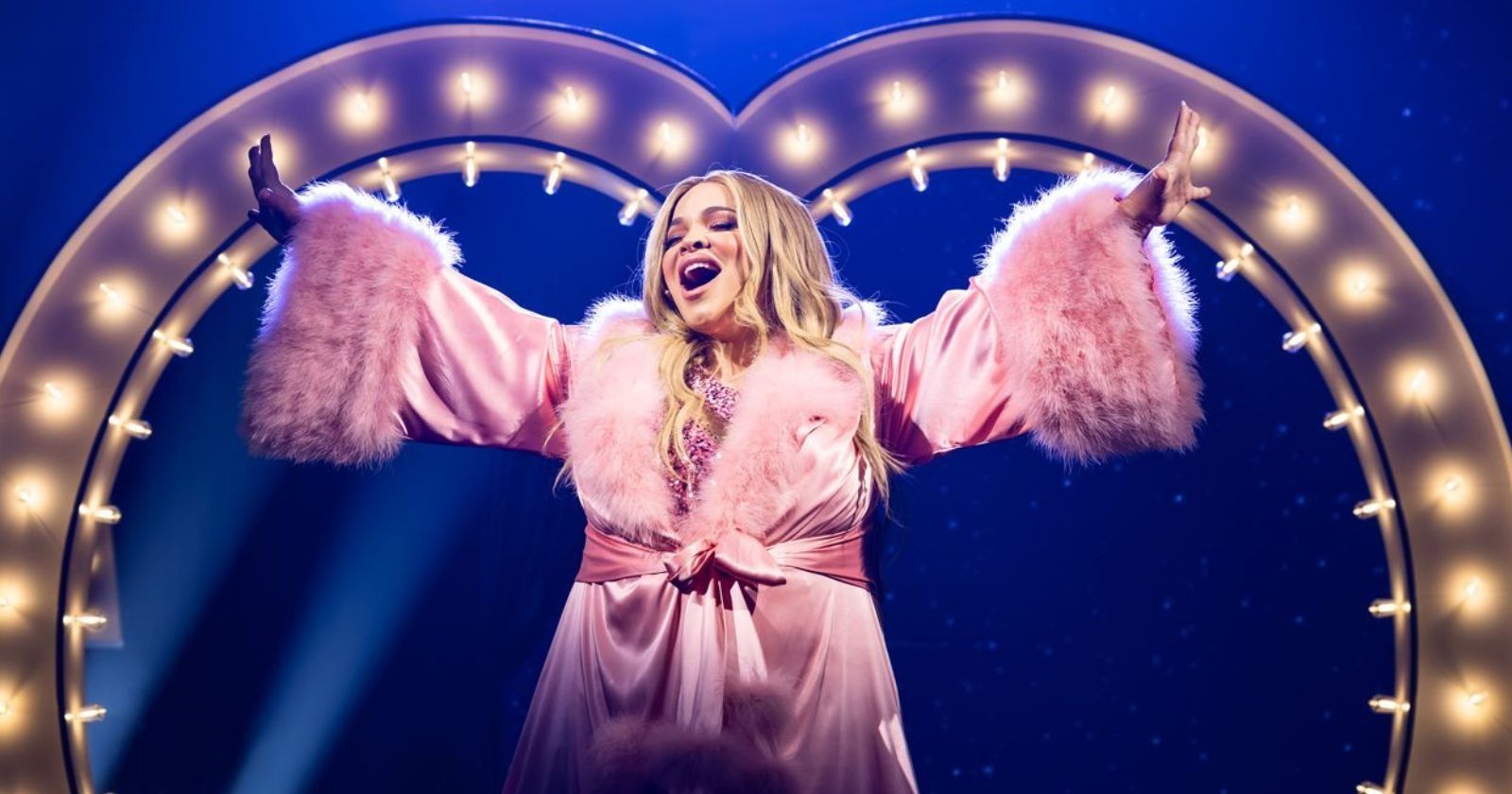
The Trisha Paytas Pope Episode: Context, Culture, and Online Reaction
The "Trisha Paytas pope episode" refers to a viral media moment involving internet personality Trisha Paytas dressing in papal-inspired vestments while discussing religious aesthetics, faith, and internet culture. This installment spar...
The "Trisha Paytas pope episode" refers to a viral media moment involving internet personality Trisha Paytas dressing in papal-inspired vestments while discussing religious aesthetics, faith, and internet culture. This installment sparked widespread discussion across social media platforms, generating mixed reactions regarding performance art, religious imagery, and digital provocation.
Contents
Understanding the Phenomenon of Trisha Paytas in Digital Media
To understand why a papal-themed episode generated substantial digital footprint, one must examine Trisha Paytas’s long-standing position in internet culture. Over a career spanning more than a decade, Paytas transitioned from early YouTube vlogging and lifestyle content to reality television appearances, podcasting, and viral TikTok trends. Their content strategy historically relies on high-concept roleplay, confessionals, deliberate provocation, and rapid pivots through various subcultures, aesthetics, and belief systems.
The internet personality's relationship with religion has frequently featured in their media output. Paytas has publicly documented explorations of various faiths and spiritual practices, ranging from traditional Christian upbringing discussions to adopting diverse spiritual labels, creating a public persona where personal identity and performance art frequently blur. When an episode centers on religious iconography—specifically papal vestments and Catholic or general Christian motifs—it enters a well-established pattern of high-visibility content designed to elicit immediate audience engagement.
Content Breakdown and Aesthetic Presentation
The episode in question typically centers around a discussion format, most commonly associated with Paytas’s digital podcast ventures or video blog style. In these segments, the visual presentation heavily supports the conversational tone. Donning elaborate, liturgical-style garments mimicking the ceremonial attire of a Catholic pope, Paytas engages in a blend of deadpan humor, earnest cultural commentary, and exaggerated theatricality.
Key elements of the presentation usually involve:
- Wardrobe and Props: Wearing vestments that closely mirror papal garments, complete with miter-like headwear or ornate stoles, designed to instantly capture visual attention on fast-scrolling feeds like TikTok, YouTube Shorts, and X (formerly Twitter).
- Conversational Juxtaposition: Pairing high-status religious symbols with mundane, highly modern internet gossip, personal confessions, or absurd hypothetical scenarios.
- Audience Interaction: Reading viewer comments, responding to fan prompts, and incorporating real-time social media reactions into the flow of the program.
This structural approach deliberately plays on the incongruity between sacred traditions and the casual, confessional atmosphere of modern influencer media.
Public Reception and Cultural Impact
Reactions to the episode split across several distinct ideological and demographic lines within internet fandoms and broader cultural spaces. Digital content of this nature rarely achieves a unified consensus, functioning instead as a litmus test for contemporary attitudes toward digital blasphemy, free expression, and the boundaries of influencer entertainment.
| Audience Segment | Primary Reaction | Core Argument |
|---|---|---|
| Longtime Fans / Gen Z Viewers | Amusement, Irony, Appreciation | Viewed as classic internet absurdism, performance art, and harmless parody characteristic of Paytas's brand. |
| Traditional / Religious Critics | Offense, Condemnation | Interpreted as disrespectful appropriation of sacred religious symbols, vestments, and hierarchical titles for clout. |
| Media Analysts / Observers | Analytical, Detached | Examined as a masterclass in modern attention economy tactics, algorithm manipulation, and provocation-driven marketing. |
The polarization of these responses highlights how traditional religious symbols operate in the digital age, where they can be rapidly decoupled from their theological contexts and repurposed as aesthetic props within creator-driven economies.
The Role of Algorithmic Provocation in Modern Podcasting
The viability of an episode featuring religious satire or high-concept costume play relies heavily on the mechanics of modern content distribution platforms. Recommendations algorithms on platforms like YouTube and TikTok favor content that drives high initial engagement velocity—measured through comments, shares, and polarized reactions.
By choosing a universally recognized, highly protected symbol like the papacy, creators tap into pre-existing cultural flashpoints. The ensuing debate between critics calling for digital respect and supporters defending creative expression generates substantial algorithmic fuel, pushing the video into broader recommendation feeds. This dynamic underpins much of the modern creator economy, where attention functions as a primary currency, and controversy—whether playful or perceived as transgressive—remains an effective catalyst for reach.
| Strategic Element | Operational Function in Creator Economy |
|---|---|
| Visual Hook | Immediate recognition of controversial or unusual imagery to stop fast-scrolling users. |
| Engagement Bait | Deliberate ambiguity between genuine belief, satire, and trolling to maximize comment section debate. |
| Cross-Platform Syndication | Extracting short, highly provocative clips for TikTok and Reels to funnel traffic back to long-form episodes. |
Frequently Asked Questions
What specifically happens during the Trisha Paytas pope episode?
The episode features Trisha Paytas wearing clothing styled after papal vestments while discussing various topics, blending humorous commentary on religion with standard lifestyle and pop culture banter. The primary focus remains on the visual juxtaposition of sacred garments within a casual interview or podcast setting.
Was the episode intended as a direct attack on Catholicism?
Most media analysts and viewers view the content as part of Paytas's long-standing history of absurdist roleplay rather than a targeted theological critique. However, critics argue that the casual use of sacred vestments for entertainment inherently disrespects religious traditions regardless of intent.
How did social media platforms react to the broadcast?
Reactions were divided. Supporters defended the content as protected expression and harmless internet humor, while critics and religious commentators voiced disapproval over the use of sacred garments as fashion or comedic props.
Does Trisha Paytas regularly feature religious themes in their content?
Yes. Over the years, Paytas has frequently explored, discussed, and performed within various religious and spiritual aesthetics, often shifting themes as part of their evolving public persona and online brand identity.
Where can viewers watch the complete episode?
The episode is hosted on Trisha Paytas’s official digital video channels and podcast feeds, accessible via major video-sharing and podcast-hosting platforms.
Conclusion and Final Perspectives
The Trisha Paytas pope episode serves as a notable case study in the intersection of traditional religious iconography and modern influencer culture. By leveraging recognizable, high-status symbols within an unfiltered digital format, the broadcast successfully captured public attention, illustrating how contemporary creators navigate the fine line between performance art, provocation, and algorithmic engagement in the attention economy.
Image Gallery