Why the Will Ferrell Saturday Night Live Cowbell Sketch Still Works
More than a quarter-century after its original broadcast on April 8, 2000, the Saturday Night Live (SNL) "More Cowbell" sketch featuring Will Ferrell and guest host Christopher Walken remains a masterclass in comedic timing, character...
More than a quarter-century after its original broadcast on April 8, 2000, the Saturday Night Live (SNL) "More Cowbell" sketch featuring Will Ferrell and guest host Christopher Walken remains a masterclass in comedic timing, character commitment, and absurdity. The sketch parodies a studio recording session for Blue Öyster Cult's 1976 classic rock anthem "(Don't Fear) The Reaper," transforming an obscure production detail into an enduring pop-culture landmark.
Contents
The Genesis of an Iconic Sketch: April 8, 2000
Written by Will Ferrell, the sketch debuted during Season 25, Episode 16 of Saturday Night Live. The narrative structure mimics a behind-the-scenes recording retrospective, evoking the style of VH1's popular Behind the Music series. The scene places legendary rock band Blue Öyster Cult in a recording studio in 1976, working under the guidance of famed record producer Bruce Dickinson, played with deliberate, deadpan intensity by Christopher Walken.
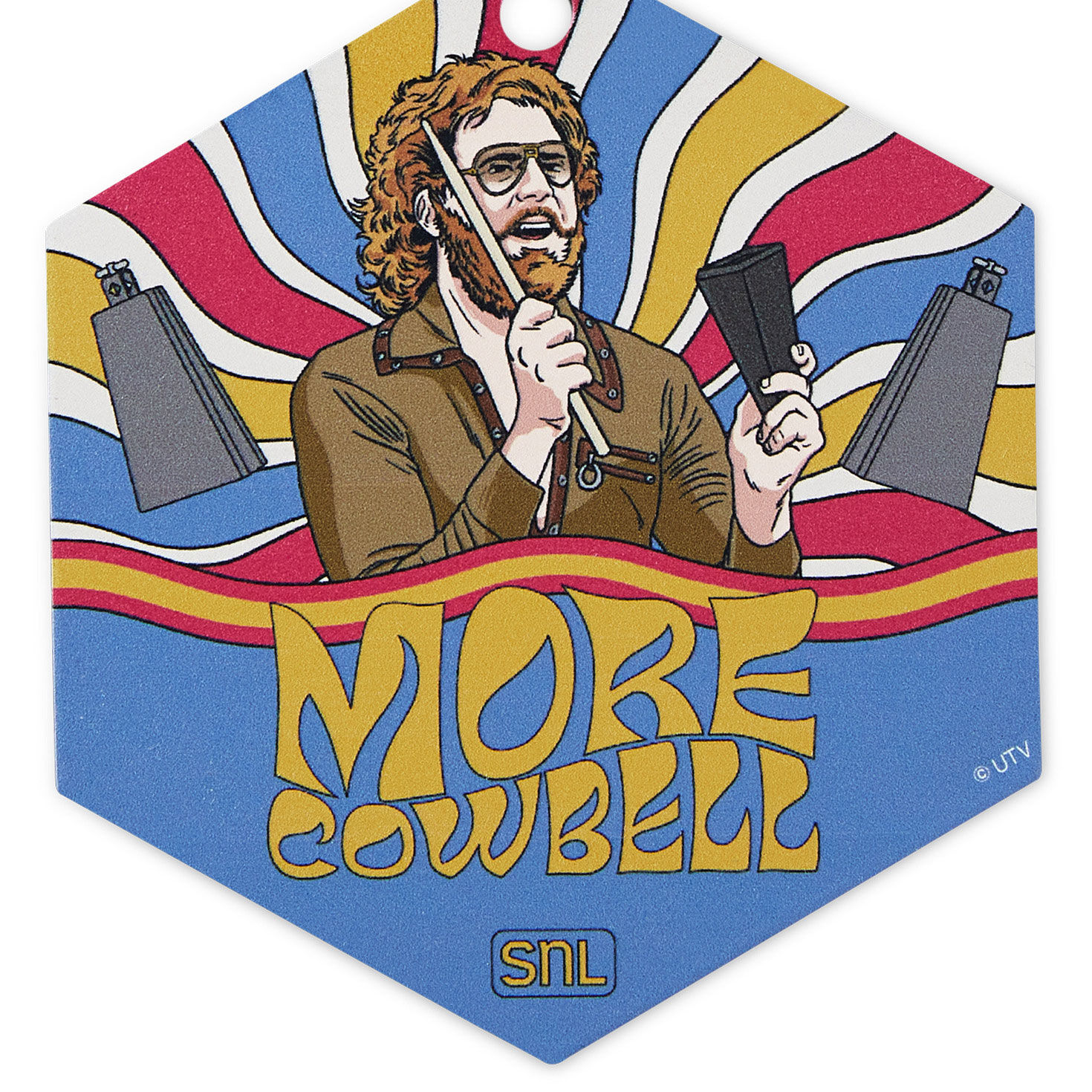
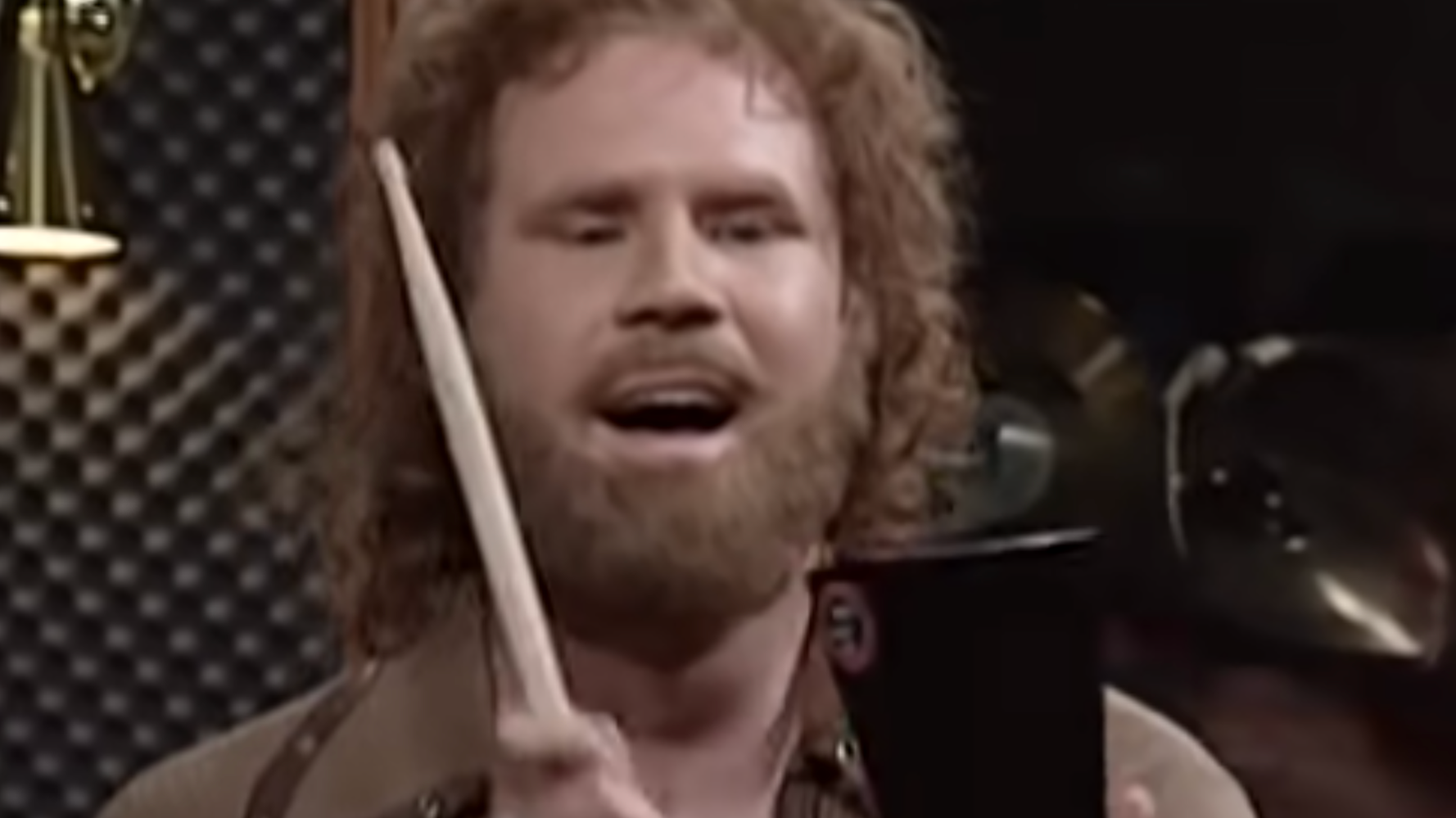
While the band attempts to lay down the tracks for "(Don't Fear) The Reaper," band member Gene Frenkle—a fictional character portrayed by Ferrell—enthusiastically plays the cowbell. However, Frenkle’s aggressive, overly loud playing disrupts the rest of the band, prompting multiple takes and heated interruptions. Instead of reining in Frenkle, producer Bruce Dickinson demands more cowbell, elevating a minor percussive element into the centerpiece of the track.
What makes the genesis of the sketch notable is how unlikely its success initially seemed to the show's producers. Ferrell had pitched the idea multiple times before it finally made it to the dress rehearsal stage. Once executed in front of a live studio audience with Walken’s authoritative delivery, the sketch immediately cemented its status in television history.
The Comedy Mechanics: Why the Humor Holds Up
The enduring appeal of the "More Cowbell" sketch rests on precise structural elements that remain effective across generations of viewers. Comedy theorists and television writers often point to several key mechanics present in the piece:
High Stakes Applied to Low-Stakes Conflicts
The core premise relies on severe emotional escalation over a trivial issue. A record producer, wielding absolute professional authority, treats a basic percussive instrument as a life-or-death creative decision. The absurdly solemn environment of a mid-1970s rock recording session acts as the perfect straight-faced canvas for complete ridiculousness.
The Contrast of Physicality and Wardrobe
Ferrell’s visual presentation creates instant comedic friction. Dressed in a tight, short-sleeved 1970s shirt that repeatedly exposes his midriff during vigorous movements, his physical presence dominates the frame. As the sketch progresses, his playing becomes increasingly violent and intrusive, thrusting the cowbell directly into the ears of his bandmates while maintaining an expression of absolute artistic sincerity.
Christopher Walken's Unmatched Cadence
Christopher Walken’s legendary rhythm and cadence are essential to the sketch’s effectiveness. Delivering absurd dialogue with unflinching gravity, Walken grounds the scene’s madness. Famous lines like "I've got a fever, and the only prescription is more cowbell!" and "I put my pants on one leg at a time just like everybody else, except once my pants are on, I make gold records" work precisely because Walken treats them with the gravitas of Shakespearean monologue.
- Recording Studio - 1976
- Band tries to play "(Don't Fear) The Reaper"
- Gene Frenkle (Ferrell) plays cowbell aggressively
- Band complains
- Producer Dickinson (Walken) demands MORE cowbell
- Chaos escalates
- Classic comedic legacy established
Cast Breakdown and Roles in the Sketch
The success of the sketch depended on a tightly integrated ensemble performance. Each actor fulfilled a distinct role in balancing the escalating chaos with believable reactions.
| Actor | Character Role | Function in the Sketch | Key Dynamic |
|---|---|---|---|
| Will Ferrell | Gene Frenkle (Cowbell) | The Chaos Agent | Unwavering physical commitment despite wardrobe mishaps and musical disruption. |
| Christopher Walken | Bruce Dickinson (Producer) | The Unhinged Authority | Validates the absurd behavior, escalating tension over band objections. |
| Chris Parnell | Eric Bloom (Lead Vocalist) | The Anchoring Straight Man | Maintains stoic professionalism, keeping the scene grounded in reality. |
| Jimmy Fallon | Albert Bouchard (Drummer) | The Relatable Break | Struggles to maintain character, laughing openly at Ferrell's antics. |
| Chris Kattan | Buck Dharma (Lead Guitarist) | The Frustrated Bandmate | Expresses visible annoyance at the intrusive noise levels. |
| Horatio Sanz | Joe Bouchard (Bassist) | Supporting Bandmate | Adds to the rhythm section while breaking character alongside Fallon. |
The Role of "Corpsing" and Live Television Energy
In live theater and television, "corpsing"—the act of an actor breaking character by laughing—is often viewed as a performance mistake. However, in the "More Cowbell" sketch, the visible struggle of the cast to maintain composure actually enhanced the audience experience.
Jimmy Fallon and Horatio Sanz notoriously broke into genuine laughter as Ferrell intensified his wild dancing and aggressive cowbell hitting. Even Chris Kattan struggled to keep a straight face as Ferrell’s shirt pulled upward during his frantic gyrations. Only Chris Parnell managed to stay completely in character as the lead vocalist, providing a necessary comedic anchor.
This tension between scripted performance and unscripted corpsing highlights the unique energy of live television. Viewers witness not just a fictional scene, but real performers being caught off guard by a colleague performing at the peak of his comedic powers. This spontaneous live energy ensures that repeat viewings retain a sense of fresh, unscripted excitement.
Historical Accuracy vs. Comedic Fiction
While the sketch portrays a real band recording an actual hit song, it intentionally takes significant historical liberties for comedic effect:
- The Producer's Identity: The sketch credits "Bruce Dickinson" as the producer who demands more cowbell. In reality, "(Don't Fear) The Reaper" was produced by Sandy Pearlman and Murray Krugman. A real-life music executive named Bruce Dickinson was credited as a reissue producer on a later Blue Öyster Cult compilation album, which likely inspired Ferrell when naming the character.
- The Cowbell Track: Blue Öyster Cult's actual recording of "(Don't Fear) The Reaper" does indeed feature a prominent cowbell track, played by drummer Albert Bouchard (or overdudded in studio sessions). However, the real session was a standard, professional recording without the dramatic band feuds depicted in the sketch.
- Gene Frenkle: The character of Gene Frenkle is entirely fictional. Blue Öyster Cult never had a dedicated cowbell player who wore undersized 1970s attire during their studio sessions.
By mixing real rock history with pure absurdism, the sketch created a believable baseline that made its ridiculous turns far more effective.
Why "More Cowbell" Retains Its Relevance
The enduring appeal of the Will Ferrell cowbell sketch can be analyzed through several cultural and media perspectives:
Memetic Durability
The quote "More Cowbell" quickly transcended the boundaries of television, entering the common vernacular as an idiomatic catchphrase for demanding more of a good (or absurdly unnecessary) thing. In sports stadiums, political commentary, and internet meme culture, the phrase remains universally understood.
Universal Musical Reference
Unlike sketches tied to fast-moving political figures or contemporary news cycles, "(Don't Fear) The Reaper" remains a staple of classic rock radio and streaming playlists. Because the song itself has never left the cultural consciousness, the parody remains fresh to new generations of listeners encountering the track for the first time.
Masterclass in Physical Comedy
Physical comedy, when executed with absolute conviction, ages far better than topical satire. Ferrell's willingness to throw his entire body into the performance—unconcerned with dignity or appearance—creates a timeless slapstick element that appeals to audiences regardless of age or era.
Frequently Asked Questions
Who wrote the SNL cowbell sketch?
The sketch was written by cast member Will Ferrell. He pitched the concept multiple times before it was finally accepted and produced for the April 8, 2000 episode hosted by Christopher Walken.
Is the producer Bruce Dickinson in the sketch a real person?
Yes, but with caveats. The real-life Bruce Dickinson was an executive who worked on reissue compilations for Blue Öyster Cult, not the original studio producer of "(Don't Fear) The Reaper." The original track was produced by Sandy Pearlman and Murray Krugman.
Did Blue Öyster Cult actually use a cowbell on "(Don't Fear) The Reaper"?
Yes, the original 1976 recording of "(Don't Fear) The Reaper" prominently features a cowbell played continuously throughout the verse and chorus sections, which provided the inspiration for Ferrell's parody.
Why did Jimmy Fallon keep laughing during the cowbell sketch?
Jimmy Fallon broke character because of Will Ferrell's intense physical improvisation during the live broadcast. Ferrell deliberately exaggerated his dancing, shirt pulling, and aggressive cowbell hitting, making it nearly impossible for his costars to stay composed.
What episode of SNL contains the "More Cowbell" sketch?
The sketch aired during Saturday Night Live Season 25, Episode 16, which originally broadcast on April 8, 2000. Christopher Walken was the guest host, and Christina Aguilera was the musical guest.
Key Takeaways and Legacy
The longevity of the Will Ferrell cowbell sketch demonstrates that great comedy relies on complete performance commitment, clear contrast, and structural escalation. To appreciate or analyze classic comedic media, consider these elements:
- Study character commitment: Observe how Ferrell's total dedication to an absurd premise makes the physical humor land naturally.
- Examine straight-man dynamics: Recognize how Chris Parnell's stoic vocal delivery and Christopher Walken's solemn authority allow the surrounding absurdity to shine.
- Appreciate unscripted live energy: Understand how genuine live moments—including minor character breaks—can elevate a scripted scene into an iconic cultural event.
Whether viewed as a high-water mark for 2000s television comedy or analyzed as a study in performance dynamics, the "More Cowbell" sketch remains a brilliant example of live sketch comedy execution.
Image Gallery