Metrorail Miami Schedule and Operational Guide for 2026
The Metrorail Miami system operates on a consistent daily schedule, with trains typically running every 15 minutes during peak hours and every 30 minutes during off-peak times and weekends throughout 2026. This heavy rail rapid transit...
The Metrorail Miami system operates on a consistent daily schedule, with trains typically running every 15 minutes during peak hours and every 30 minutes during off-peak times and weekends throughout 2026. This heavy rail rapid transit system serves Miami-Dade County, providing essential connectivity between suburban areas, Downtown Miami, and the Miami International Airport via the Orange Line and Green Line services.
Contents
Understanding the Metrorail Miami Transit Network
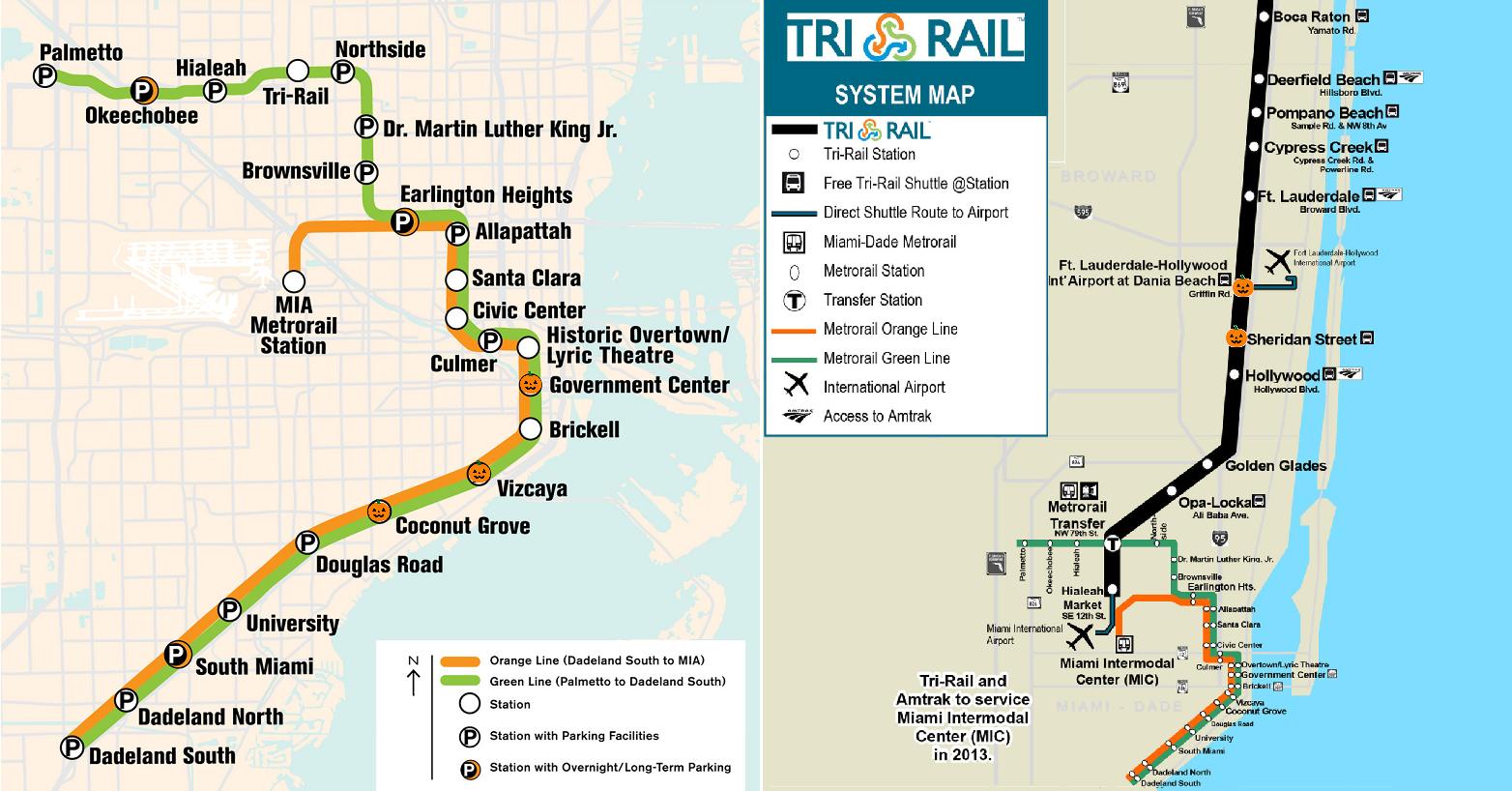
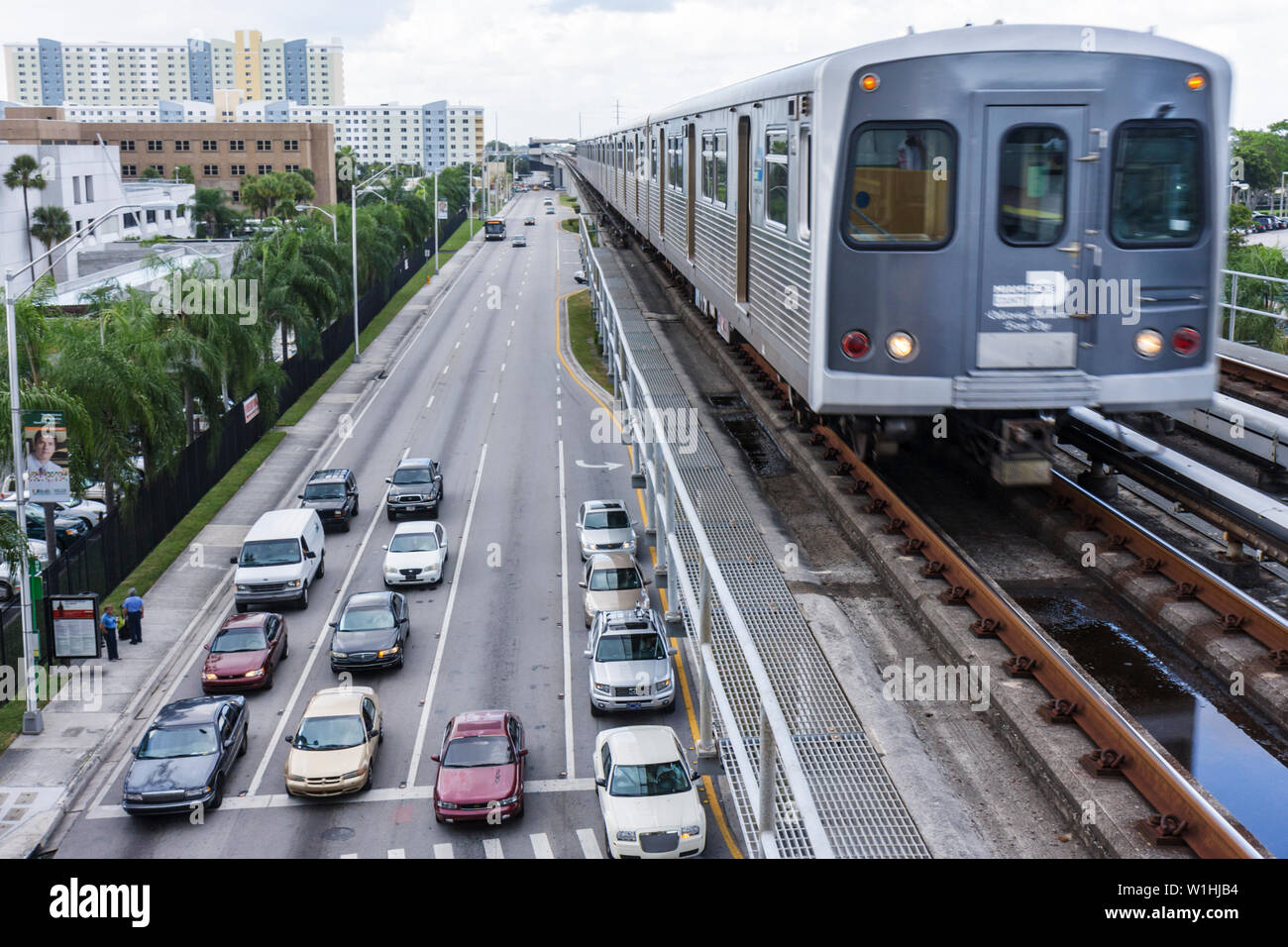
The Metrorail system is the backbone of Miami-Dade County’s public transportation infrastructure. Managed by the Department of Transportation and Public Works (DTPW), the system consists of two primary lines that share a common trunk between the Earlington Heights and Dadeland South stations. Understanding the distinction between these lines is critical for planning your travel across the 25-mile dual-track system.
- The Green Line: Provides service between Palmetto Station and Dadeland South. It is the primary route for commuters traveling from the northwest suburbs into the urban core.
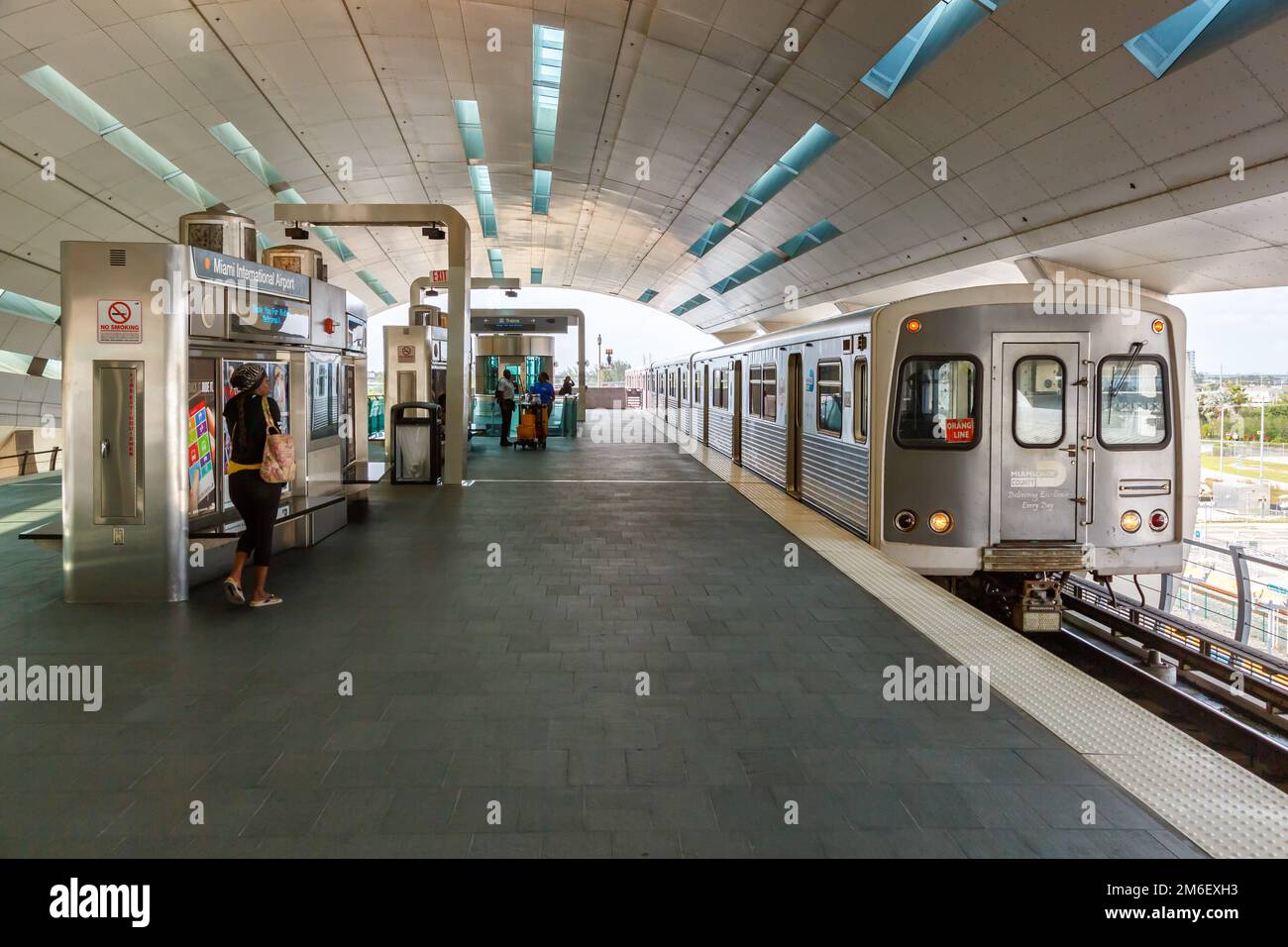
- The Orange Line: Connects the Miami International Airport (MIA) station directly to Dadeland South. This line serves as the primary transit artery for travelers requiring airport access.
Throughout 2026, the DTPW maintains these routes to ensure synchronization at the shared stations. If you are traveling during late-night or early-morning windows, verify the specific last-train departures, as frequency decreases significantly after 8:00 PM on weekdays and throughout the weekend.
Navigating Frequency and Headway Standards in 2026
Operational efficiency for the Metrorail is measured by "headway"—the time interval between arriving trains. As of 2026, the DTPW enforces standardized scheduling protocols designed to balance high-volume commuter demands with off-peak maintenance requirements.
| Time Period | Peak Frequency | Off-Peak Frequency |
|---|---|---|
| Weekday (Monday–Friday) | 15 Minutes | 30 Minutes |
| Saturday & Sunday | 30 Minutes | 30 Minutes |
| Holidays | 30 Minutes | 30 Minutes |
Operational Insight for Travelers
Peak Hours Definition: Peak service typically occurs during the morning rush (6:00 AM to 9:00 AM) and the evening rush (3:30 PM to 6:30 PM). During these windows, the DTPW prioritizes capacity on the shared track segment to prevent overcrowding at high-traffic stations like Government Center and Brickell.
Step-by-Step Guide to Planning Your Commute
To navigate the Metrorail effectively, riders should utilize real-time data integration tools rather than relying exclusively on static printed schedules, which may not reflect current-year service adjustments or maintenance-related delays.
- Access the GO Miami-Dade Transit App: Ensure you have the most recent version of the official DTPW mobile application installed for 2026. This app provides real-time GPS tracking of approaching train sets.
- Verify Station Entry Points: Locate your nearest station using the interactive map. Note that stations like Dadeland North and South offer extensive parking garages, while downtown stations rely on pedestrian access and Metromover integration.
- Payment Processing: The Metrorail system exclusively uses the EASY Card or the contactless payment system. You can tap your contactless credit/debit card or mobile wallet (Apple Pay, Google Pay) directly at the turnstiles.
- Boarding and Transfers: Upon arrival at the platform, monitor the digital overhead displays. These displays provide the final destination of the approaching train. Ensure you board the correct line (Green or Orange) based on your intended destination.
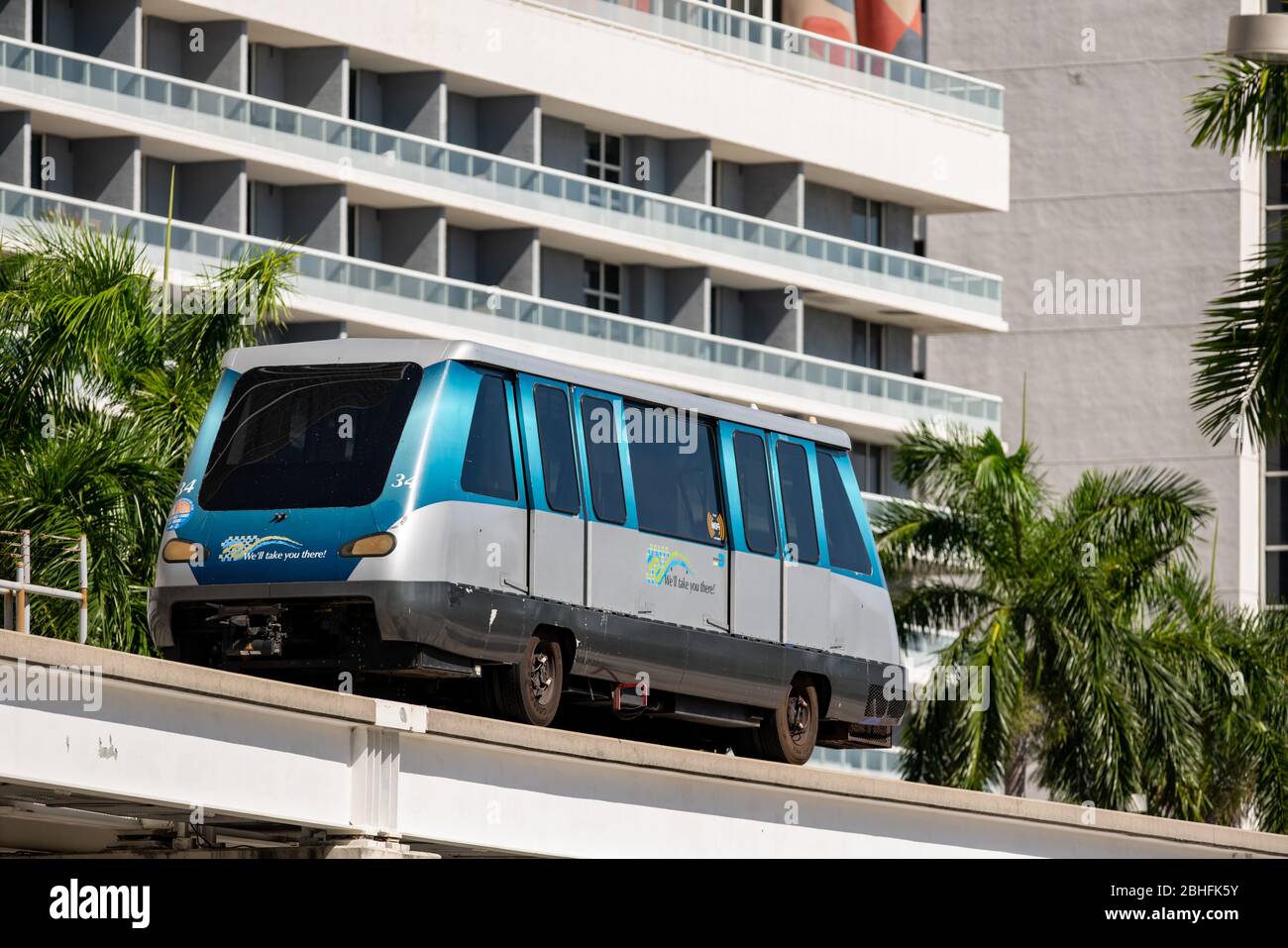
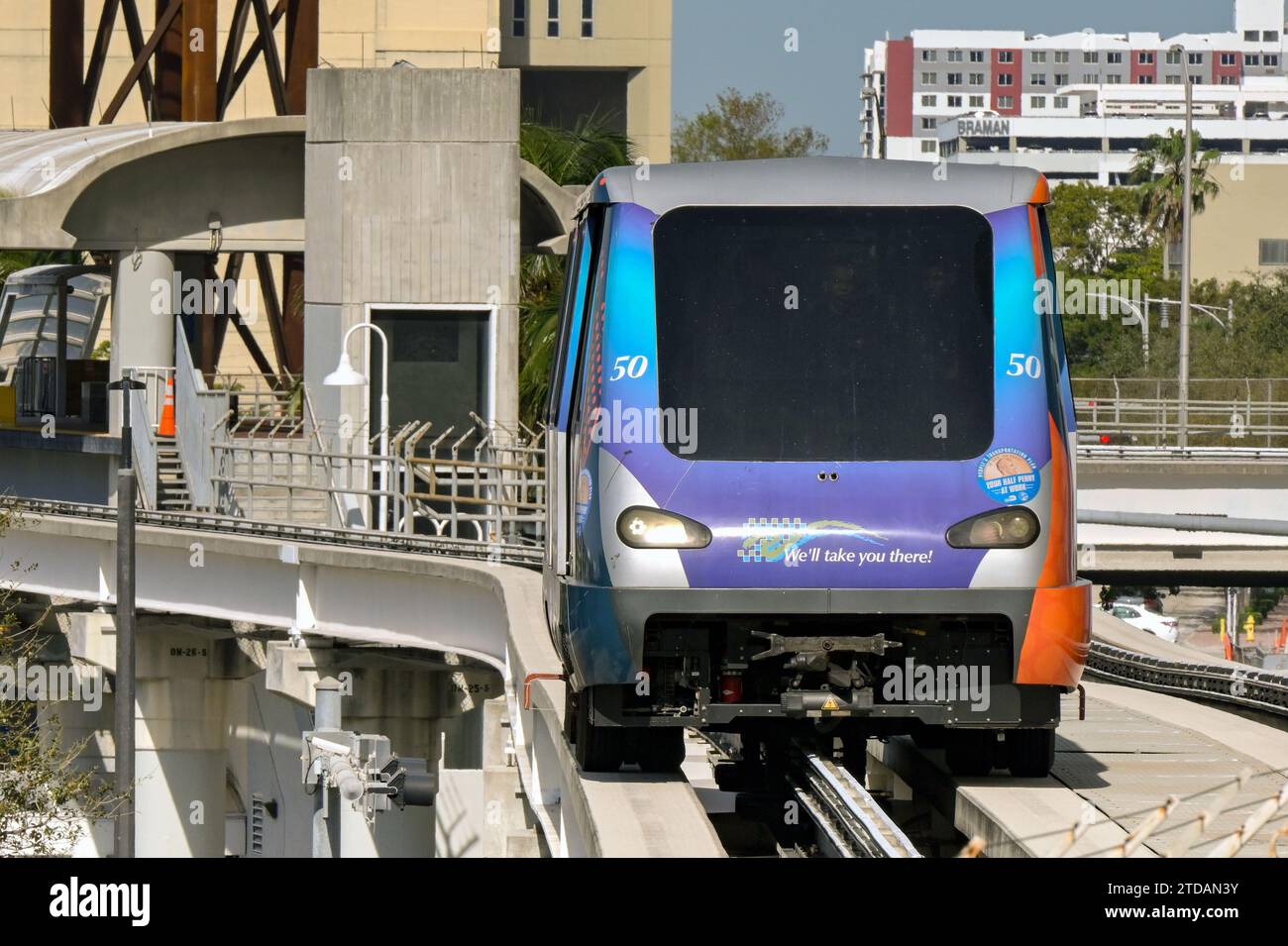
- Metromover Integration: Once you reach the Government Center station, you can transfer for free to the Metromover, a fully automated, elevated people mover system that circulates through the downtown and Brickell districts.
Strategic Tips for Seamless Transit
Technical proficiency with the system requires knowledge of the physical constraints and service protocols. Following these expert-level tips will prevent common transit frustrations.
- Transfer Efficiency: If you are traveling from the Airport (Orange Line) and need to reach a station north of Earlington Heights, you must exit at Earlington Heights and transfer to the Green Line.
- Parking Regulations: For long-term parking at stations, ensure you adhere to the 2026 fee structure. Parking at many Metrorail stations is permitted, but overnight parking often requires specific permits or is prohibited; check the signage at the specific station garage.
- Accessibility: All Metrorail stations are equipped with elevators and escalators. If an elevator is out of service, the DTPW website lists real-time accessibility status alerts. Always consult these alerts before departing if you have mobility requirements.
- Safety Protocols: Security personnel are stationed at major hubs. In the event of an emergency, use the intercoms located on the train cars or at the platform stations to reach the central command center immediately.
Common Misconceptions Regarding Scheduling
Many riders assume that the Metrorail operates on a 24-hour cycle. In reality, the system shuts down for maintenance nightly. Understanding these constraints is vital for planning late-night travel, particularly after major events or concerts in the downtown area.
- Last Train Departures: Depending on the station, the final train typically departs between 11:30 PM and 12:30 AM. Once these trains have passed, there is no replacement rail service until the next morning.
- Construction Delays: Periodic track maintenance in 2026 may necessitate "bus bridging," where shuttle buses replace rail service for specific segments. Always check the DTPW service alerts page at least two hours before your planned departure.
Frequently Asked Questions
What are the official operating hours for the Metrorail in 2026? The Metrorail generally operates from approximately 5:00 AM to midnight daily. Specific departure times for the first and last trains vary by station location and line, so consulting the real-time trip planner is recommended.
Can I use my mobile phone to pay for the Metrorail? Yes, Miami-Dade Transit supports contactless payments. You can tap your NFC-enabled credit card, debit card, or digital wallet directly at the fare gate without needing to purchase a separate physical ticket.
Are bikes allowed on the Metrorail? Bikes are permitted on the Metrorail at all times. Passengers are advised to enter the train through the doors marked with the bicycle symbol and to remain with their bike for the duration of the trip.
How do I find out if there are service delays? The most reliable source for service alerts is the official Department of Transportation and Public Works Twitter feed and the service alerts section on their website. These channels provide immediate updates regarding mechanical issues or weather-related delays.
Is there a cost for transferring to the Metromover? No, the transfer between the Metrorail and the Metromover is completely free. Simply use the same payment method you used to access the Metrorail to enter the Metromover station.
Does the Metrorail run on holidays? Yes, the Metrorail operates on a modified weekend schedule during most major federal holidays. Always verify the specific holiday schedule on the official Miami-Dade Transit website, as frequency may be adjusted to accommodate lower ridership volumes.
Final Recommendations for Riders
To ensure your travel within Miami remains efficient throughout 2026, prioritize the use of official DTPW digital tools. The complexity of the transit environment requires active monitoring of real-time status updates, especially when coordinating connections between the Metrorail, Metromover, and regional bus services. By staying informed about frequency standards and utilizing contactless payment methods, you will minimize dwell times and maximize the reliability of your daily commute or visit to the city.
Image Gallery