Village People in Hollywood: A History of Disco Icons, Cinema, and the Walk of Fame
The Village People solidified their place in Hollywood history through their 2008 induction into the Hollywood Walk of Fame and their starring roles in the 1980 cult classic film Can't Stop the Music. Beyond these specific milestones,...
The Village People solidified their place in Hollywood history through their 2008 induction into the Hollywood Walk of Fame and their starring roles in the 1980 cult classic film Can't Stop the Music. Beyond these specific milestones, the group’s visual archetypes and anthemic hits like "Y.M.C.A." and "In the Navy" have become permanent fixtures in the American cinematic and television landscape.
Contents
The Hollywood Walk of Fame: A Permanent Landmark
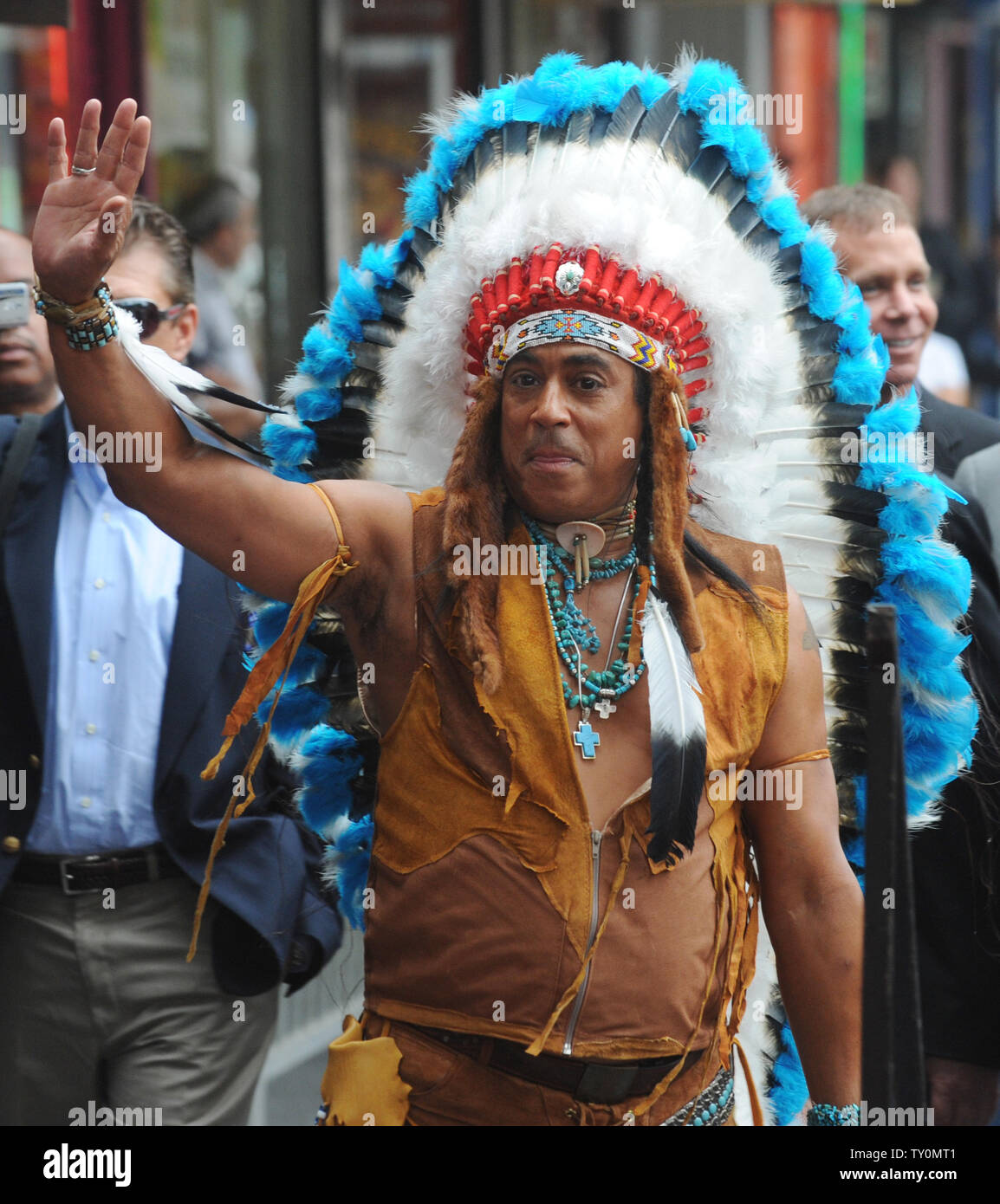
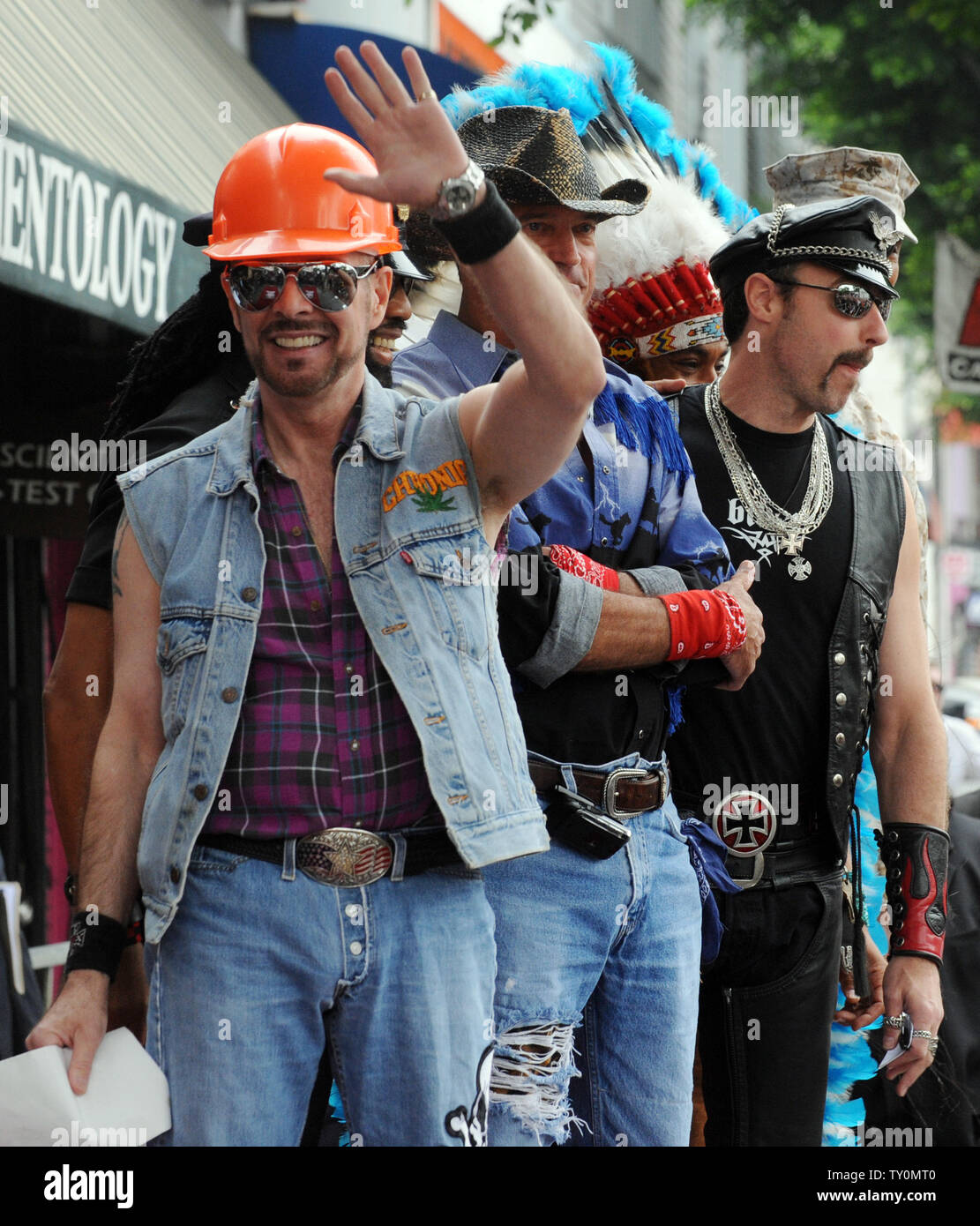
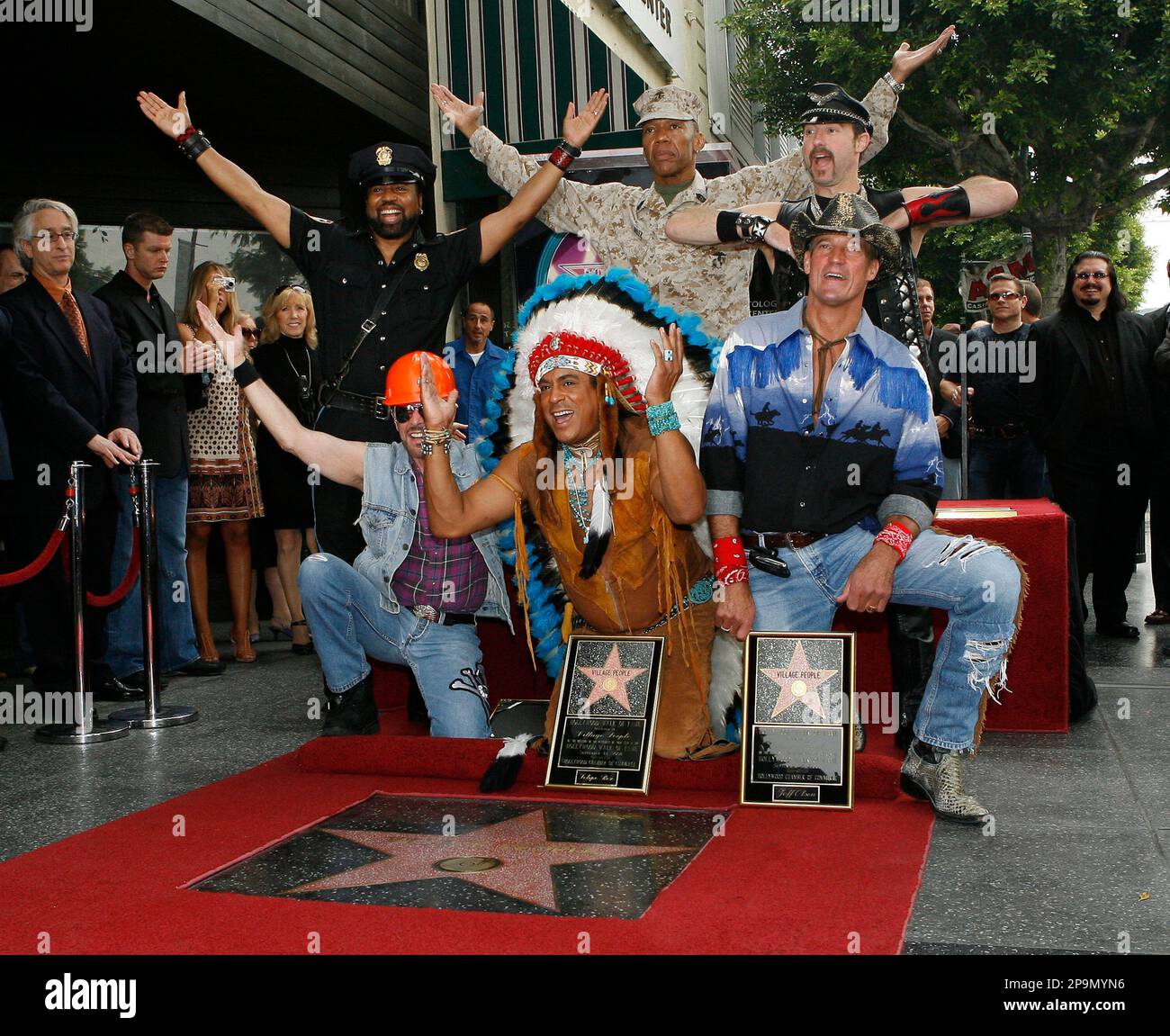
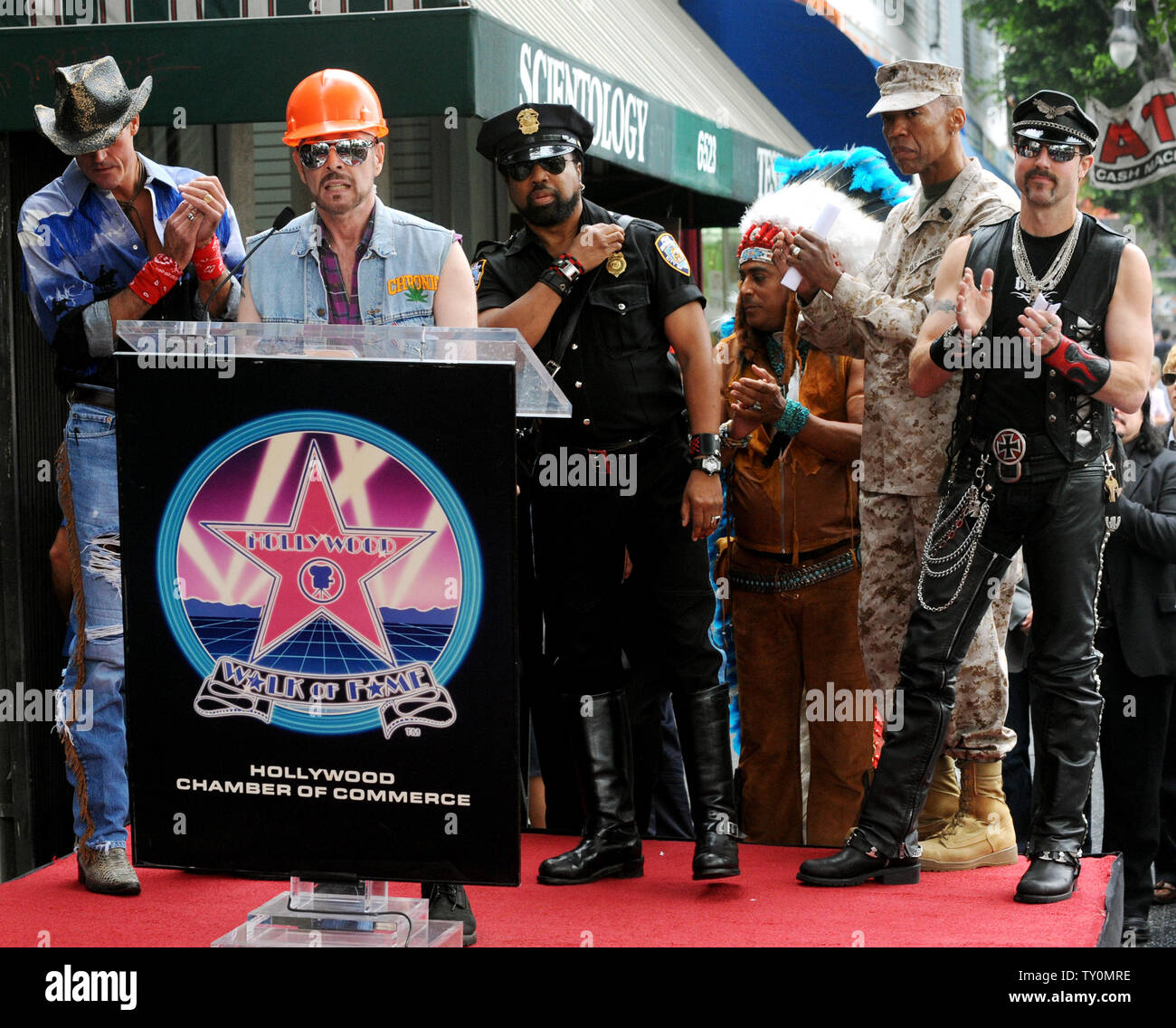
On September 12, 2008, the Village People received one of the entertainment industry's most prestigious honors: a star on the Hollywood Walk of Fame. Located at 6664 Hollywood Boulevard, the star was awarded in the category of Recording. This event was not merely a recognition of their chart-topping success in the late 1970s but a testament to their enduring influence on global pop culture.
The ceremony was a significant moment for the group’s legacy, attended by several original members, including Victor Willis (the Cop), Felipe Rose (the Native American), and Alex Briley (the Soldier). As of 2026, the star remains a major tourist attraction, often cited as one of the most photographed markers on the Boulevard due to the group's cross-generational appeal. The placement of the star reflects the group's transition from a niche disco act to a mainstream institution that successfully navigated the shift from the nightclub scene to Hollywood's broad commercial stage.
The Walk of Fame induction served as a formal validation of the "concept group" model created by French producer Jacques Morali. By the time the star was laid, the Village People had sold over 100 million records worldwide. Their presence on the Walk of Fame ensures that their contribution to the "Hollywood" image—one of costume, character, and high-production spectacle—is preserved alongside the film stars who influenced their personas.
"Can’t Stop the Music" (1980): The Cinematic Debut
The most direct intersection of the Village People and the Hollywood film industry occurred with the 1980 release of Can't Stop the Music. Directed by Nancy Walker and produced by Allan Carr (who had previously achieved massive success with Grease), the film was intended to be a blockbuster musical that would cement disco’s place in the new decade.
Production and Premise
The film is a fictionalized account of the group's formation. It stars the Village People alongside Steve Guttenberg, Valerie Perrine, and Bruce Jenner (now Caitlyn Jenner). The plot follows a struggling songwriter (Guttenberg) who, with the help of a retired model (Perrine), assembles a group of "macho" men from the streets of Greenwich Village to perform his music.
The production was massive, featuring elaborate dance sequences—most notably the "Y.M.C.A." number filmed at a gymnasium, which featured hundreds of extras and stylized choreography. Hollywood’s attempt to capture the energy of the New York disco scene resulted in a film that was high-gloss, colorful, and intentionally "camp."
Critical Reception and the Birth of the Razzies
Despite a budget of approximately $20 million—a significant sum for a musical in 1980—the film was a box office disappointment in the United States. Its release coincided with the "Disco Sucks" movement, a cultural backlash against the genre that made the film feel dated upon arrival.
However, its impact on Hollywood history was cemented in a unique way: Can't Stop the Music was the primary inspiration for the creation of the Golden Raspberry Awards (Razzies). Publicist John J.B. Wilson was so unimpressed by the film and its double-feature partner, Cruising, that he decided to formalize an "awards" ceremony for the year's worst cinematic achievements. Can't Stop the Music won the first-ever Razzie for Worst Picture and Worst Screenplay.
Cult Status and International Success
While the film failed to impress 1980 critics, it found a second life as a cult classic. In Australia, the film was a massive success, running in theaters for months. By 2026, the film is frequently screened at retro cinema houses and LGBTQ+ film festivals worldwide. Its "camp" value, energetic musical numbers, and historical snapshot of 1970s iconography have earned it a level of longevity that many successful films of that era lacked.
Soundtracks and the "Hollywood Effect" on Music Sales
The relationship between the Village People and Hollywood extends far beyond their own film. Their music has been licensed for hundreds of motion pictures, television shows, and commercials. This consistent presence in the Hollywood "soundscape" has kept the group financially viable and culturally relevant for decades.
"Y.M.C.A." as a Cinematic Staple
"Y.M.C.A." is arguably one of the most used songs in film history. It is often employed as a shorthand for celebration, irony, or nostalgia. Notable appearances include:
- Wayne’s World 2: Where the characters perform the song in a high-energy sequence.
- Despicable Me 2: A Minions-led version of the song introduced the group to a new generation of children.
- The Lego Movie: Using the song to highlight the "manly" archetypes in a playful way.
Visual Iconography in Media
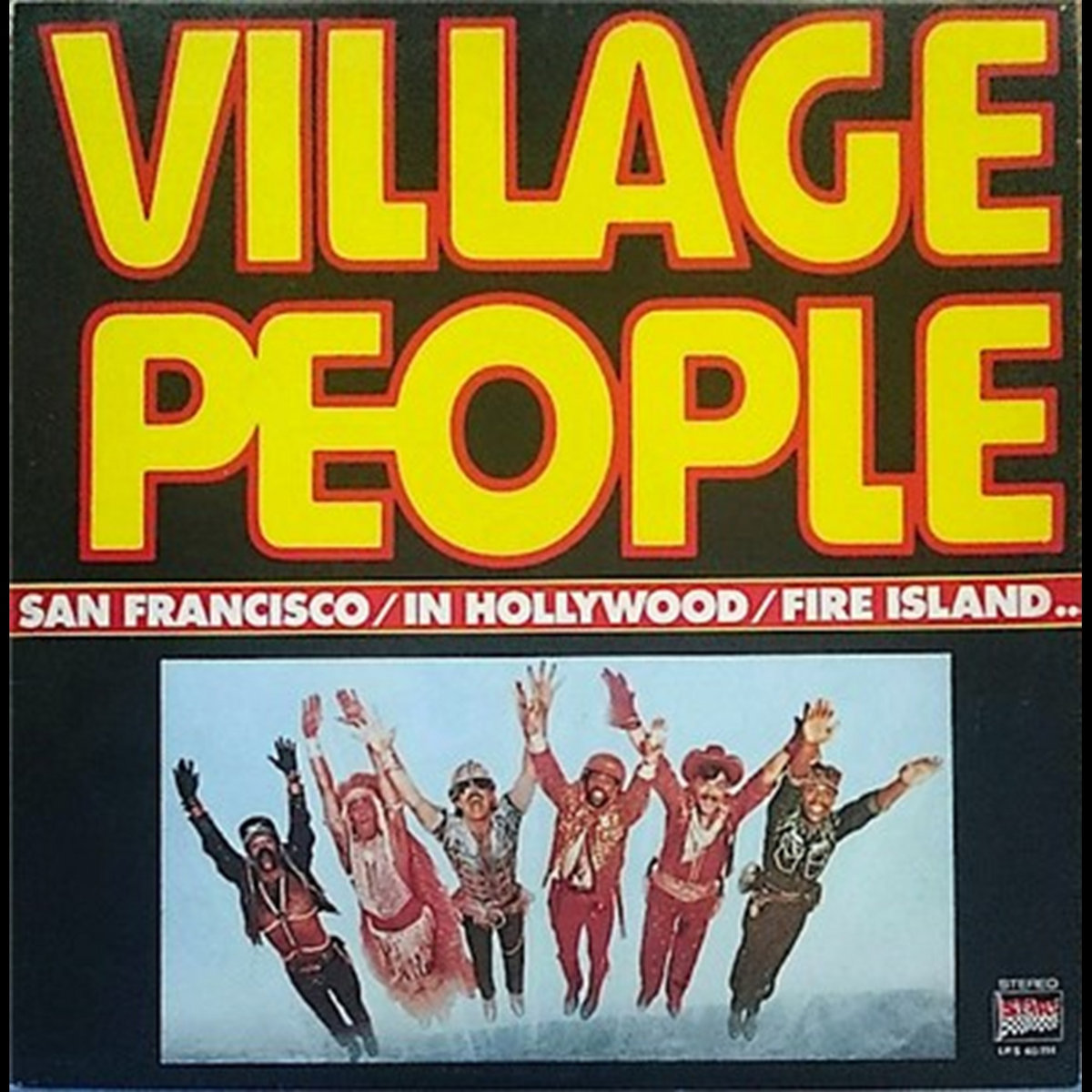
Hollywood has also frequently parodied or paid homage to the group's "six archetypes" (Cop, Native American, Cowboy, Biker, Construction Worker, and Soldier). From The Simpsons to Married... with Children, the image of the group is used as a visual punchline or a symbol of 1970s masculinity. This visual shorthand is a direct result of Hollywood’s ability to take musical acts and turn them into "characters" suitable for the screen.
Key Milestones of the Village People in Hollywood
| Milestone | Year | Details |
|---|---|---|
| Film Release | 1980 | Can't Stop the Music premieres; stars original group members. |
| First Razzie Award | 1981 | Can't Stop the Music wins "Worst Picture," launching the Razzies. |
| Walk of Fame Star | 2008 | Inducted at 6664 Hollywood Blvd; categorized under Recording. |
| Copyright Recapture | 2012–2015 | Victor Willis wins landmark legal cases in CA courts regarding song rights. |
| Modern Revitalization | 2020s | Group sees resurgence in film sync deals and documentary interest. |
Legal Battles and the Hollywood Legal Landscape
The group’s history in Hollywood is also marked by significant legal developments within the California court system. Victor Willis, the group’s original lead singer and lyricist, became a central figure in a landmark legal battle regarding the Copyright Act of 1976.
Starting around 2012, Willis sought to exercise "termination rights," which allow songwriters to reclaim their copyrights from publishers after 35 years. The publishers argued that the songs were "works for hire," which would have prevented Willis from reclaiming them. However, the courts in California ruled in favor of Willis.
This case was a watershed moment for the music industry in Hollywood, as it set a precedent for many other legacy artists to regain control of their intellectual property. As of 2026, Willis maintains control over the group’s name and major hits, ensuring that their Hollywood licensing and appearances are strictly managed under his leadership. This legal victory effectively shifted the power from the corporate "concept" creators back to the original performer and writer.
The Group’s Evolution to 2026
As of 2026, the Village People continue to be a touring powerhouse, with Victor Willis leading the ensemble. The "Hollywood" version of the group—the one immortalized in the 1980 film—has evolved into a sophisticated legacy act. They remain a staple of major television specials and are frequently featured in documentaries exploring the history of disco and LGBTQ+ culture.
Recent developments in Hollywood's approach to biographies (the "biopic" trend) have sparked ongoing rumors regarding a scripted series or a new documentary focusing on the life of Jacques Morali and the assembly of the group. The narrative of "manufactured" stardom becoming genuine cultural phenomenon is a classic Hollywood trope that the Village People embody perfectly.
Common Questions About Village People in Hollywood
Did the Village People actually act in their movie?
Yes, all six original members—Victor Willis, Felipe Rose, Randy Jones, Glenn Hughes, David Hodo, and Alex Briley—played themselves in Can't Stop the Music. While they were not trained actors, their natural chemistry and stage presence were the central focus of the film’s musical numbers.
Where exactly is their Hollywood Star?
The star is located at 6664 Hollywood Boulevard. It is situated on the south side of the street, between Cherokee Avenue and Whitley Avenue. It is a popular spot for fans to perform the "Y.M.C.A." arm movements for photographs.
Why did the movie Can't Stop the Music fail at the box office?
The film failed primarily due to timing. By June 1980, the American public's fatigue with disco had reached a breaking point. Additionally, the film's "campy" tone was misunderstood by mainstream critics of the time, who were moving toward more cynical or gritty cinema. However, it was a major success internationally, particularly in Australia and parts of Europe.
Who owns the rights to the Village People name in Hollywood today?
As of 2026, Victor Willis (the original Cop and lead singer) owns the rights to the name "Village People" following years of legal proceedings. He successfully navigated the California legal system to reclaim his interest in the group’s trademarks and copyrights.
Are there any other movies featuring the Village People?
While Can't Stop the Music is their only starring narrative feature, the group has appeared in numerous TV specials and filmed concerts. Their music is also featured in the soundtracks of over 200 Hollywood productions, ranging from comedies like Naked Gun 33 1/3 to animated hits like Minions.
Practical Recommendation for Fans and Historians
For those looking to experience the Hollywood legacy of the Village People today, a visit to the Hollywood Walk of Fame is the most direct connection. However, for a deeper dive, the 1980 film Can't Stop the Music is essential viewing. While once difficult to find, it is now widely available on high-definition streaming platforms and collector’s edition Blu-rays, often accompanied by commentary tracks that explain the film's turbulent production history.
If you are a filmmaker or content creator, ensure that any licensing requests for their music are directed through the appropriate channels now managed by Victor Willis’s estate and management, as the 2012–2015 legal rulings changed the landscape of how these songs are cleared for use in media.
Image Gallery