The Best VA Mortgage Lenders for Steady Home Financing
Finding the best VA mortgage lenders for steady home financing requires evaluating interest rate stability, military-specific customer support, fee transparency, and long-term loan servicing reliability. Leading lenders like Veterans U...
Finding the best VA mortgage lenders for steady home financing requires evaluating interest rate stability, military-specific customer support, fee transparency, and long-term loan servicing reliability. Leading lenders like Veterans United, Navy Federal Credit Union, and USAA offer low-friction origination, minimal credit overlays, and predictable fixed-rate structures designed to maximize the earned benefits of military service members and veterans.
Contents
Understanding VA Financing: Why Stability Matters for Veteran Homebuyers
A VA loan is a mortgage guaranteed by the U.S. Department of Veterans Affairs, designed exclusively for active-duty service members, veterans, National Guard members, Reservists, and eligible surviving spouses. Unlike conventional mortgages, VA loans do not require a down payment or private mortgage insurance (PMI). These baseline benefits drastically reduce upfront capital requirements and lower monthly recurring costs.
For buyers seeking long-term financial stability, VA financing offers distinct structural advantages over conventional and FHA products:
- Zero Down Payment Requirements: Qualified buyers can finance up to 100% of the home's reasonable value without accumulating immediate debt for a down payment.
- Absence of Monthly PMI: Eliminating monthly mortgage insurance premiums saves borrowers hundreds of dollars each month, directly enhancing long-term cash flow predictability.
- Residual Income Guardrails: The VA requires lenders to calculate residual income—the amount of net income remaining after accounting for housing payments, fixed debts, maintenance, and taxes. This safeguard ensures households retain sufficient buffer for daily living expenses, resulting in lower default rates nationwide compared to standard loan types.
- Protected Fixed Rates: Standard 15-year and 30-year fixed-rate VA mortgages lock principal and interest obligations for the entire loan duration, shielding homeowners from market rate volatility.
Top-Rated VA Mortgage Lenders for Predictable, Long-Term Financing
Choosing the right institution involves balancing specialized expertise, rate competitiveness, customer service ratings, and underwriting flexibility. Below are the top-performing mortgage lenders evaluated for steady VA home financing.
1. Veterans United Home Loans
Veterans United is the largest VA lender by volume in the United States, specializing almost exclusively in military home financing.
- Key Strengths: Dedicated, 24/7 customer service tailored around military deployments, transfer schedules, and specialized discharge documentation (DD Form 214).
- Underwriting Flexibility: Maintains flexible credit score requirements (typically working with scores down to 600 or lower via manual underwriting) and provides an in-house credit counseling team to help military families qualify.
- Best For: First-time veteran buyers who need comprehensive educational guidance, assistance securing their Certificate of Eligibility (COE), and dedicated advisor support.
2. Navy Federal Credit Union
As a member-owned credit union serving the military community, Navy Federal Credit Union routinely offers some of the lowest average interest rates and fees in the mortgage industry.
- Key Strengths: Low origination fees, rate-match guarantees, and competitive long-term pricing. Navy Federal also offers proprietary non-VA products (such as their Military Choice program) if a buyer requires alternative financing terms.
- Servicing Stability: Navy Federal retains servicing rights on most of its loans, meaning borrowers work directly with the credit union for decades rather than having their mortgage sold to unfamiliar third-party loan servicers.
- Best For: Existing credit union members prioritizing long-term portfolio servicing and aggressive rate pricing.
3. USAA Federal Savings Bank
USAA is a long-standing financial institution built specifically for service members and their families, providing an integrated platform for banking, insurance, and home loans.
- Key Strengths: Seamless online portal integration, fast digital pre-approval, and specialized loan officers trained in military relocation (PCS) timelines.
- Fee Transparency: USAA waives VA origination fees on select loan options and maintains clear, upfront pricing disclosures.
- Best For: Current USAA insurance or banking clients who want an integrated, single-sign-on financial ecosystem for home purchase management.
4. Freedom Mortgage
Freedom Mortgage is a major player in VA loan origination and servicing, recognized for its heavy emphasis on refinancing stability.
- Key Strengths: Specializes in the VA Interest Rate Reduction Refinance Loan (IRRRL), allowing existing VA borrowers to streamline their interest rates down with minimal paperwork and no appraisal when market conditions shift favorably.
- Portfolio Management: Extensive experience managing large-scale VA loan portfolios with dedicated online payment tracking and escrow management tools.
- Best For: Homeowners looking to establish a long-term relationship with a lender known for executing frictionless VA streamline refinances.
5. Fairway Independent Mortgage Corporation
Fairway Independent Mortgage combines local branch availability with high customer satisfaction scores in mortgage origination.
- Key Strengths: Strong local loan officer presence across all 50 states, rapid closing timelines, and consistent top rankings in JD Power mortgage origination studies.
- Service Capability: Specialized internal team (Fairway Military Mortgage Specialist division) trained to handle complex VA underwriting challenges, such as combined income sources or unique property structures.
- Best For: Borrowers who prefer in-person consultation with a local mortgage broker backed by nationwide underwriting resources.
Comparing Leading VA Lenders
The table below outlines key operational benchmarks, typical minimum credit score overlays, and primary advantages across top VA mortgage lenders:
| Lender | Typical Min. Credit Score Overlay | Fee Structure & Discounts | Servicing Retention Model | Primary Advantage |
|---|---|---|---|---|
| Veterans United | 600 (Manual options available) | Standard VA fees; no added origination markup options | Varies; transfers some servicing | Unrivaled VA loan specialization and education |
| Navy Federal | 600 | 0.25% origination reduction options; rate-match promise | High retention (services most loans in-house) | Highly competitive rates and long-term service consistency |
| USAA | 620 | Competitive origination charges; flat processing options | Mixed portfolio servicing | Integrated banking and insurance application workflow |
| Freedom Mortgage | 550 – 580 | Low streamline cost structures; competitive refi terms | Retains extensive VA servicing portfolio | Industry leader in VA IRRRL streamline refinancing |
| Fairway Independent | 600 | Competitive fee options customized by local branch | Varies by closing structure | Exceptional speed, localized service, and military expertise |
Note: The Department of Veterans Affairs does not set a mandatory minimum credit score for VA loans; individual lenders set their own "lender overlays" (minimum requirements).
Critical Factors for Evaluating VA Mortgage Lenders
Selecting a lender for a steady, low-risk home mortgage requires looking beyond surface-level advertised interest rates. Veterans and active-duty buyers should analyze four major financial components.
1. Understanding Lender Overlays
Although the VA sets underwriting standards, private lenders issue the actual capital. Lenders add their own risk restrictions, known as lender overlays. For example, while the VA permits debt-to-income (DTI) ratios above 41% if sufficient residual income is present, a conservative lender might cap DTI at 45% regardless of residual figures. Select a lender whose overlays match your financial profile.
2. The VA Funding Fee and Exemption Rules
Most borrowers using a VA loan must pay a statutory VA Funding Fee, a one-time charge ranging from 1.25% to 3.3% of the loan amount, depending on down payment size and whether it is a first or subsequent use. This fee directly supports the VA loan guarantee program.
However, certain borrowers are exempt from paying the VA Funding Fee:
- Veterans receiving VA compensation for a service-connected disability.
- Veterans eligible to receive disability compensation who receive retirement or active duty pay instead.
- Surviving spouses of veterans who died in service or from a service-connected disability.
A steady VA lender will verify your disability status early in the pre-approval process to ensure the funding fee is accurately waived or properly rolled into the total loan amount without unexpected cost adjustments at closing.
3. Annual Percentage Rate (APR) vs. Advertised Rate
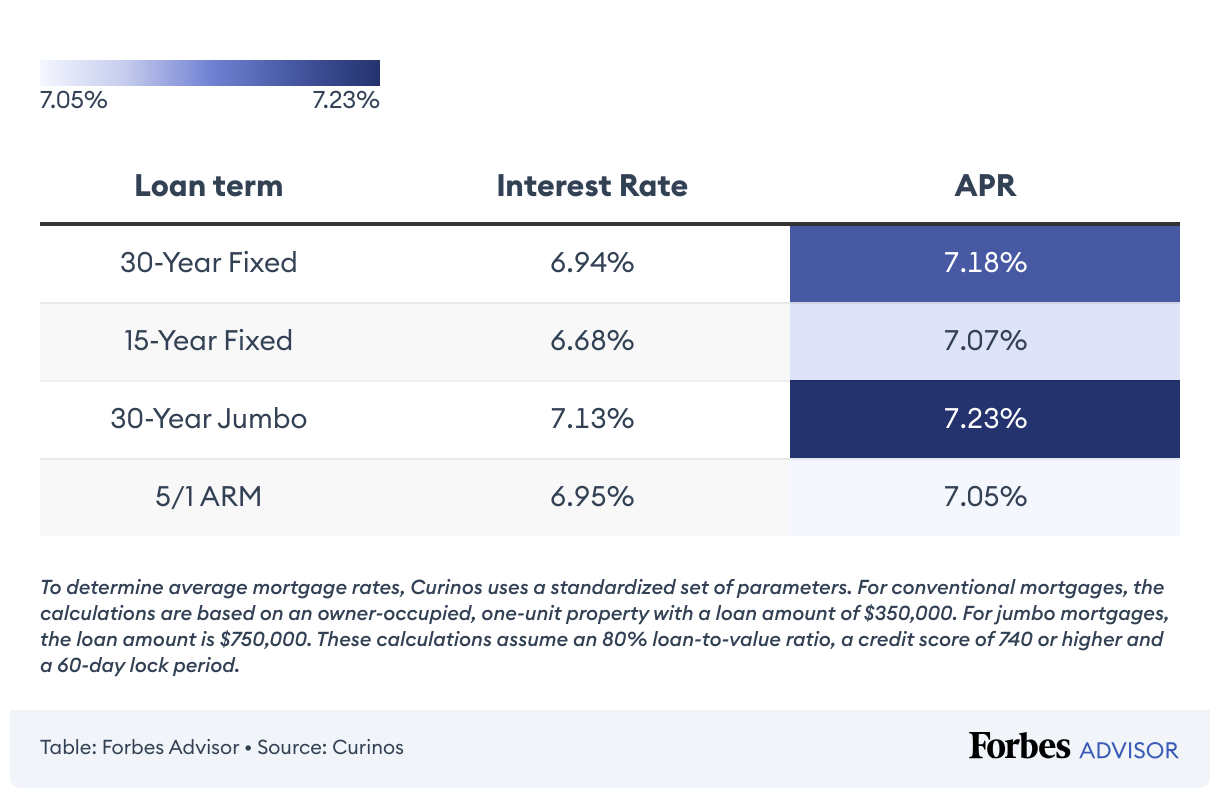
The advertised interest rate determines your monthly principal and interest payment, but the Annual Percentage Rate (APR) reflects the true annual cost of borrowing, accounting for origination fees, discount points, processing costs, and third-party fees. Reviewing the official Consumer Financial Protection Bureau Mortgage Guide helps buyers evaluate how origination charges directly alter the APR over 15- or 30-year terms.
Under VA guidelines, lenders cannot charge more than a 1% origination fee flat cap, or itemized fees that total more than 1% of the loan amount. Ensure your lender adheres strictly to these cost ceiling limits.
Total Upfront Cost = (Base Purchase Price - Down Payment) + VA Funding Fee + Lender Origination Fees (Capped at 1%) + Standard Closing Costs
4. Servicing Retention vs. Mortgage Servicing Rights (MSR) Sales
When a lender originates your loan, they may retain the loan in their portfolio or sell the Mortgage Servicing Rights (MSR) to another entity. Lenders that retain servicing handle your monthly payments, escrow accounts, tax distributions, and customer service for the full loan term. Lenders that frequently sell MSRs may transfer your loan to new servicers over time, creating administrative friction. For maximal payment stability, inquire whether the lender retains loan servicing in-house.
Step-by-Step Process to Secure a Steady VA Loan
Navigating the VA mortgage path requires systematic preparation to avoid delays or unforeseen cost adjustments.
[Secure COE via VA.gov] ➔ [Clear Credit Overlays] ➔ [Compare 3+ Loan Estimates] ➔ [VA Appraisal & MPRs] ➔ [Rate Lock & Closing]
Step 1: Obtain Your Certificate of Eligibility (COE)
The COE verifies to the lender that you meet the required military service requirements for a VA-backed loan.
- Active Duty: Requires a Statement of Service signed by your commander or adjutant.
- Veterans: Requires DD Form 214 (Member Copy 4).
- National Guard / Reserves: Requires NGB Form 22 or proof of qualifying active service points.
- Most lenders can generate a COE instantly through the VA’s automated WebLGY portal during initial pre-approval.
Step 2: Clear Credit Overlays and Calculate Residual Income
Review your credit reports across all major credit bureaus. Ensure your income and existing recurring debt obligations yield acceptable residual income numbers. The VA divides the U.S. into four geographic regions (Northeast, Midwest, South, West) and mandates specific net residual income amounts based on family size.
Step 3: Compare Official Loan Estimates (LE)
Submit pre-approval applications to at least three VA-approved lenders within a 14-day window to minimize credit score impact. Compare Page 2, Box A of the three-page Loan Estimate form across all quotes. Box A contains "Origination Charges"—the core fees controlled directly by the lender.
Step 4: Complete the VA Appraisal and Satisfy MPRs
Once under contract on a property, your lender orders an independent VA appraisal. The VA appraiser performs two core tasks:
- Establishes Fair Market Value: Ensures the purchase price aligns with recent comparable sales.
- Verifies Minimum Property Requirements (MPRs): Confirms the home is safe, sound, and structurally secure (checking heating systems, roofs, lead paint, and hazard risks).
If the property fails MPR requirements, the seller must address repairs prior to loan approval, or the buyer must request a lender repair escrow where permitted.
Step 5: Lock Your Rate and Complete Underwriting
Once the appraisal clears, work with your loan officer to execute a formal rate lock. For steady, risk-averse financing, select a standard 30-day or 60-day rate lock that guarantees your interest rate will not fluctuate while final underwriting documents and title checks are completed.
Common Pitfalls to Avoid in VA Home Financing
- Confusing the VA Appraisal with a Home Inspection: A VA appraisal evaluates baseline property health and value for the lender's security. It is not a detailed physical home inspection. Always hire an independent home inspector to evaluate hidden mechanical, plumbing, and structural components.
- Ignoring Local Property Tax Rates in Escrow: VA loans remove monthly PMI, but monthly escrow payments (property taxes and homeowner's insurance) can fluctuate annually based on local tax assessments. Factor rising property tax reassessments into your long-term household budget.
- Taking on New Credit Lines Before Closing: Opening new credit cards, financing vehicles, or making large purchases prior to final loan funding alters your debt-to-income ratio and can cause immediate loan denial at final clear-to-close review.
- Failing to Verify Funding Fee Exemption Disclosures: If you have a pending VA disability claim at the time of loan closing, notify your lender immediately. If your disability rating is granted retroactively to a date prior to closing, you may be eligible for a full refund of the paid VA Funding Fee.
Frequently Asked Questions
What credit score is required to secure a steady VA loan?
The Department of Veterans Affairs does not set a statutory minimum credit score. However, most VA-approved lenders set internal credit overlays requiring a minimum FICO score between 580 and 620. Some lenders offer manual underwriting for scores below 580, provided the borrower demonstrates strong compensating factors such as significant residual income or low debt-to-income ratios.
Is a down payment ever required for a VA mortgage?
In most cases, no down payment is required as long as the purchase price does not exceed the appraised market value of the home. A down payment may only be necessary if the purchase price exceeds the home's appraised value, or if a borrower with partial entitlement limits purchases a property exceeding local county loan limits.
How does the VA funding fee affect steady monthly payments?
The VA Funding Fee can be paid upfront in cash at closing or rolled directly into the total loan amount. Rolling the fee into the loan increases the principal balance, slightly raising the monthly principal and interest payment for the life of the mortgage. It does not alter the fixed interest rate itself.
Can a borrower use a VA loan more than once?
Yes. Entitlement to VA home loan guarantees is reusable. Once a previous VA loan is fully paid off and the property sold, full entitlement is restored. Borrowers can also hold multiple active VA loans simultaneously under specific circumstances using remaining bonus entitlement (such as relocation scenarios).
How does VA residual income differ from standard Debt-to-Income (DTI) ratios?
Standard DTI measures the percentage of gross monthly income spent on recurring debt payments. VA residual income measures the net discretionary dollar amount remaining after taxes, housing expenses, utilities, and consumer debt are paid. This requirement protects borrowers by ensuring real cash remains available for groceries, medical expenses, and daily living costs.
Practical Next Steps for Veteran Homebuyers
- Request Your COE: Access your Certificate of Eligibility through the VA.gov portal or ask your preferred lender to pull it electronically.
- Audit Your Credit and Debt Profile: Review your credit reports, eliminate small revolving balances, and calculate your family's geographic residual income buffer.
- Gather Standard Financial Documentation: Compile W-2s, tax returns from the last two years, recent LES/pay stubs, bank statements, and discharge papers (DD-214).
- Obtain Multiple Official Loan Estimates: Request pre-approval quotes from at least three distinct sources—such as a dedicated VA specialist (Veterans United), a credit union (Navy Federal), and a local mortgage broker—to compare origination charges and lock options.
Image Gallery