The Best Dandruff Shampoo and Conditioner for Natural Hair: 2026 Comprehensive Guide
Finding the best dandruff shampoo and conditioner for natural hair requires balancing potent antifungal active ingredients with intense emollients to protect the delicate moisture-protein balance of Type 3 and Type 4 curls. Effective s...
Finding the best dandruff shampoo and conditioner for natural hair requires balancing potent antifungal active ingredients with intense emollients to protect the delicate moisture-protein balance of Type 3 and Type 4 curls. Effective solutions incorporate zinc pyrithione or ketoconazole while excluding harsh sulfates that lead to breakage and excessive dryness.
Contents
Maintaining a healthy scalp is a unique challenge for those with natural, coily, or curly hair. Unlike straight hair, where sebum (natural scalp oil) easily travels down the hair shaft, the tight coils of natural hair often prevent this oil from migrating. This results in a scalp that can be simultaneously oily and prone to fungal overgrowth, while the hair strands themselves remain chronically thirsty. In 2026, the hair care industry has finally bridged the gap between medical-grade dandruff treatment and the specific hydration needs of the "naturalista" community.
Understanding the Difference: Dandruff vs. Dry Scalp
Before selecting a product, it is vital to distinguish between true dandruff and a simple dry scalp. Treating the wrong condition can lead to further irritation.
Dandruff (Seborrheic Dermatitis) is typically caused by an overgrowth of Malassezia, a yeast-like fungus that feeds on scalp oils. This condition manifests as large, yellowish, oily flakes accompanied by redness and persistent itching. Because natural hair routines often involve heavy oils and butters (like shea or cocoa butter) and infrequent washing, this environment can inadvertently fuel fungal growth.
Dry Scalp, conversely, is characterized by small, white, powdery flakes and a tight sensation. This is often a result of dehydration, cold weather, or the use of harsh surfactants. If you apply a medicated antifungal shampoo to a purely dry scalp, the high pH and stripping agents will likely exacerbate the problem.
For the purposes of this guide, we are focusing on products designed to treat Seborrheic Dermatitis and chronic flaking without compromising the integrity of natural hair patterns.
Essential Ingredients for Natural Hair Scalp Health
When shopping in 2026, look for a "dual-action" formulation. The product must contain a verified antifungal agent to kill the fungus and a botanical complex to seal the hair cuticle.
Medicated Active Ingredients
- Zinc Pyrithione: The most common over-the-counter active. It is effective against both fungus and bacteria. It is gentler than many alternatives, making it a staple in natural hair formulas.
- Ketoconazole: A powerful antifungal often found in concentrations of 1% (OTC) or 2% (prescription). This is the "gold standard" for stubborn seborrheic dermatitis.
- Salicylic Acid: A keratolytic agent that helps soften and lift thick scales from the scalp. It is best used in conjunction with a moisturizing conditioner, as it can be quite drying.
- Selenium Sulfide: Effective but known for its potential to discolor lighter hair and its distinct chemical scent. It should be used with caution on color-treated natural hair.
Moisturizing and Soothing Agents
Because natural hair is prone to "hygral fatigue" and mechanical breakage, your dandruff products must contain:
- Aloe Vera: Provides soothing hydration without heavy buildup.
- Tea Tree Oil: A natural antimicrobial that provides a "cooling" sensation to stop the itch.
- Apple Cider Vinegar (ACV): Helps restore the scalp's natural pH, which is often disrupted by medicated shampoos.
- Baobab or Jojoba Oil: These oils closely mimic human sebum, providing slip for detangling.
Top-Rated Dandruff Shampoos and Conditioners for Natural Hair
The following products have been selected based on their 2026 formulation standards, focusing on the absence of drying alcohols and the inclusion of textured-hair-specific nutrients.
1. As I Am Dry & Itchy Scalp Care System
This remains a favorite in the natural hair community because it was designed from the ground up for coily hair. The shampoo and conditioner both utilize Zinc Pyrithione (1%) to combat dandruff, but they are infused with olive oil and tea tree oil.
- The Benefit: It provides exceptional "slip," allowing users to detangle their hair during the conditioning phase—a rare feat for medicated products.
- Suitability: Ideal for those who follow the "Curly Girl Method" or similar low-poo routines.
2. Head & Shoulders Royal Oils Collection
Developed by a team of Black scientists and dermatologists, the Royal Oils line specifically addresses the fact that natural hair is washed less frequently.
- The Benefit: The formula is sulfate-free and focuses on long-term scalp moisture. The "Instant Soothe" scalp elixirs in this line are particularly effective for mid-week relief without requiring a full wash day.
- Suitability: Best for those with protective styles (braids, twists) who need targeted scalp relief.
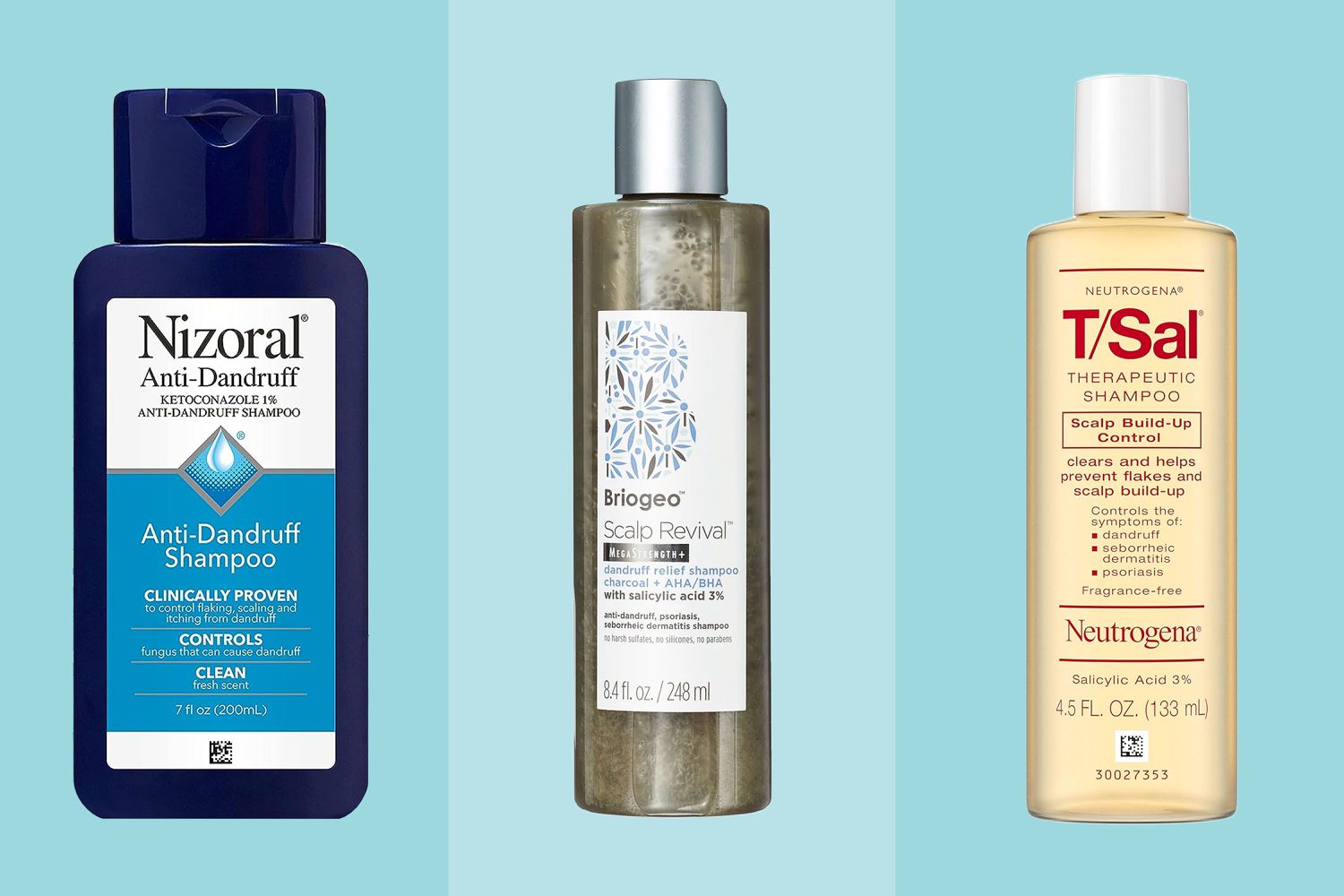
3. Nizoral Anti-Dandruff Shampoo
While not marketed specifically for natural hair, Nizoral is the most effective at treating the root cause of dandruff via Ketoconazole.
- The Benefit: It is a "heavy hitter." You only need to use it twice a week until the dandruff is gone, then once every 1–2 weeks for maintenance.
- The Caveat: It can be very drying. When using Nizoral on natural hair, it is mandatory to follow up with a deep conditioning mask or a steam treatment to replenish moisture.
4. Jupiter "Balancing" Set
A premium entry in the 2026 market, Jupiter focuses on clean ingredients and sophisticated scents. Their Zinc Pyrithione formula is paired with coconut oil and algae extract.
- The Benefit: It avoids the "medicinal" smell of traditional shampoos and uses a vegan formulation that respects the scalp’s microbiome.
- Suitability: Best for those with sensitive skin who find traditional drugstore brands too irritating.
Comparison of Leading Anti-Dandruff Solutions for Textured Hair
| Product Name | Active Ingredient | Sulfate-Free? | Primary Moisture Source | Best For |
|---|---|---|---|---|
| As I Am Dry & Itchy | Zinc Pyrithione | Yes | Olive Oil & Tea Tree | Weekly maintenance / Detangling |
| H&S Royal Oils | Zinc Pyrithione | Yes | Coconut Oil | Protective styles / Scalp hydration |
| Nizoral OTC | Ketoconazole (1%) | No | Minimal | Severe flaking / Medical relief |
| SheaMoisture African Black Soap | Salicylic Acid | Yes | Shea Butter & Charcoal | Product buildup + Dandruff |
| Jupiter Balancing | Zinc Pyrithione | Yes | Squalane & Algae | Clean beauty enthusiasts |
Best Practices for Application on Natural Hair
Using a dandruff shampoo on Type 4 hair is not as simple as "lather, rinse, repeat." To prevent damage, follow this 2026 expert-recommended protocol:
Step 1: The Pre-Poo
Before applying a medicated shampoo, apply a penetrating oil (like coconut or avocado oil) or a dedicated "pre-poo" treatment to the lengths of your hair. This creates a hydrophobic barrier that protects the older, drier ends of your hair from the stripping effects of the medicated suds.
Step 2: Targeted Application
Do not pile your hair on top of your head to wash it. This causes tangles and ensures the shampoo hits the hair more than the scalp. Instead, use a nozzle-tip bottle to apply the shampoo directly to the scalp. Massage with the pads of your fingers—not your nails—to loosen flakes.
Step 3: The Contact Time
Most antifungal shampoos require 3 to 5 minutes of contact time to work effectively. If you rinse it off immediately, the active ingredients won't have time to kill the Malassezia fungus.
Step 4: The Targeted Condition
If you are using a medicated conditioner, apply it to the scalp as well. However, if you are using a standard deep conditioner to offset the shampoo's dryness, focus it from the mid-lengths to the ends. Use a wide-tooth comb or your fingers to detangle while the conditioner is in the hair.
Common Mistakes to Avoid
- Over-oiling the Scalp: Many people believe a flaky scalp needs more oil. However, if the flakes are caused by dandruff, adding oils like coconut or olive oil can actually feed the fungus, making the condition worse.
- Using Boiling Hot Water: Heat can further irritate an inflamed scalp. Use lukewarm water for washing and cool water for the final rinse to seal the hair cuticle.
- Neglecting Protective Styles: Dandruff can thrive under wigs and weaves. If you are prone to flaking, ensure you have access to your scalp while wearing a protective style to apply medicated treatments.
- Relying Solely on "Natural" Remedies: While ACV and tea tree oil are helpful, severe seborrheic dermatitis often requires a clinically proven antifungal like those found in FDA-approved over-the-counter treatments.
Frequently Asked Questions
Can I use dandruff shampoo on color-treated natural hair?
Yes, but with caution. Antifungal agents, particularly selenium sulfide, can be harsh on hair dye. In 2026, most "natural-focused" dandruff brands like As I Am or Briogeo are color-safe. Always check the label for "sulfate-free" to ensure minimal color leaching.
How often should I wash natural hair with dandruff shampoo?
For active flare-ups, dermatologists generally recommend washing twice a week. Once the condition is under control, you can transition to once a week or every two weeks. If you find twice-weekly washing too drying for your hair, try a "scalp-only" wash where you cleanse the scalp but leave the rest of the hair in braids or twists.
Does apple cider vinegar (ACV) cure dandruff?
ACV is not a cure, but it is an excellent supplement. Its acidity helps lower the pH of the scalp, making it less hospitable to fungus. It also helps dissolve product buildup. It is best used as a rinse after shampooing, diluted at a ratio of 1 part ACV to 4 parts water.
Why does my scalp itch more after using a dandruff shampoo?
This can occur if the shampoo is too drying or if you have an undiagnosed sensitivity to an ingredient like methylisothiazolinone (a common preservative). If itching persists, switch to a formula with aloe vera or colloidal oatmeal to soothe the skin.
Are there prescription-strength options for natural hair?
If over-the-counter options fail after 4–6 weeks, consult a dermatologist. They can prescribe a 2% Ketoconazole shampoo or a topical corticosteroid solution (like fluocinolone acetonide) that is applied directly to the scalp without needing to wash the entire head of hair.
Practical Recommendation
For the best results in 2026, we recommend the As I Am Dry & Itchy Scalp Care Olive and Tea Tree Oil Shampoo paired with their matching conditioner. This duo provides the most consistent balance of clinical efficacy (Zinc Pyrithione) and the structural protection required for Type 3 and 4 hair. If your condition is severe, integrate Nizoral once every two weeks as a "reset" wash, followed immediately by a high-quality steam treatment or deep conditioning mask to maintain elasticity.
Image Gallery