Investment Bank Services Explained: A Comprehensive Guide to Corporate Finance and Capital Markets
Investment banks act as high-level financial intermediaries that help corporations, governments, and institutional investors navigate complex financial transactions. Unlike commercial banks, which focus on consumer deposits and loans,...
Investment banks act as high-level financial intermediaries that help corporations, governments, and institutional investors navigate complex financial transactions. Unlike commercial banks, which focus on consumer deposits and loans, investment banks specialize in raising capital, facilitating mergers and acquisitions (M&A), and providing strategic advisory services to drive institutional growth.
Contents
In 2026, the global financial landscape has become increasingly sophisticated, with investment banks integrating advanced AI-driven valuation models and blockchain-based settlement systems. However, the core functions of these institutions remain grounded in their ability to bridge the gap between entities that need capital and investors seeking to deploy it. Understanding these services is essential for corporate leaders, investors, and finance professionals who need to manage large-scale assets or execute strategic pivots.
The Core Pillars of Investment Banking Services
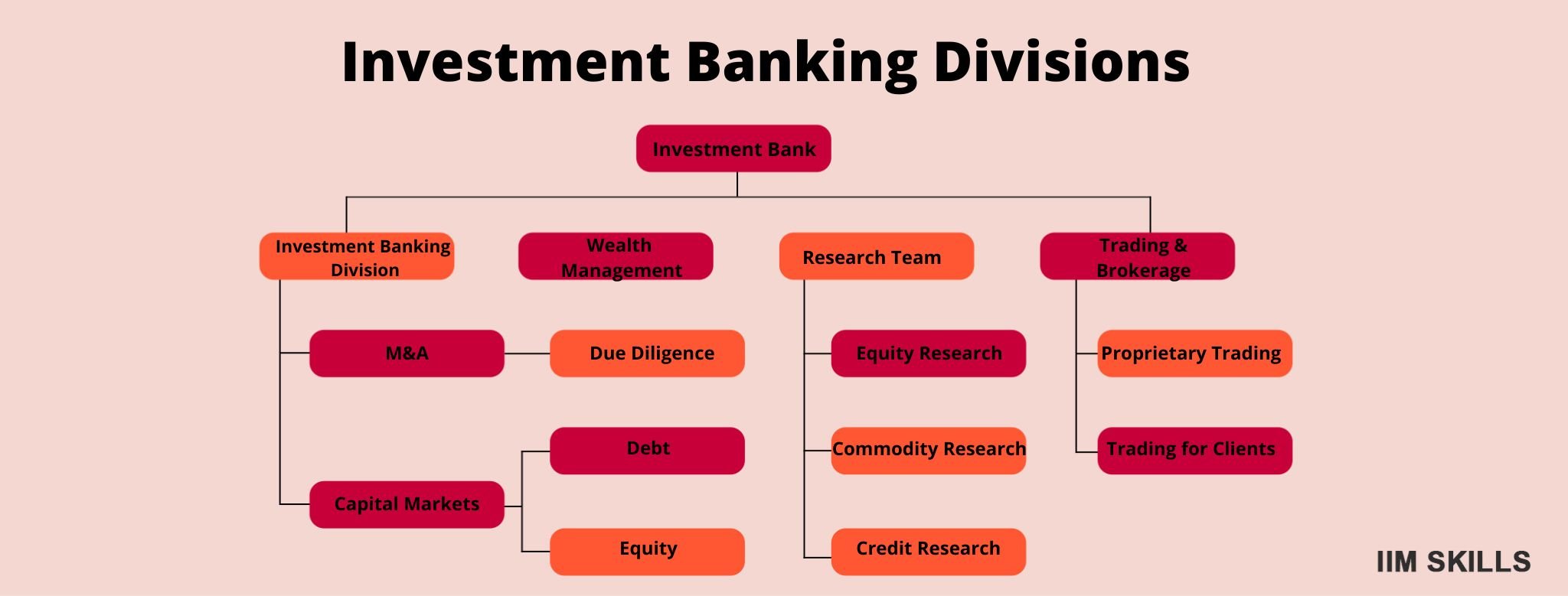
Investment banking is generally divided into several primary functional areas. While the largest "bulge bracket" firms offer all these services, smaller boutique firms may focus exclusively on one or two niches.
1. Capital Markets and Underwriting
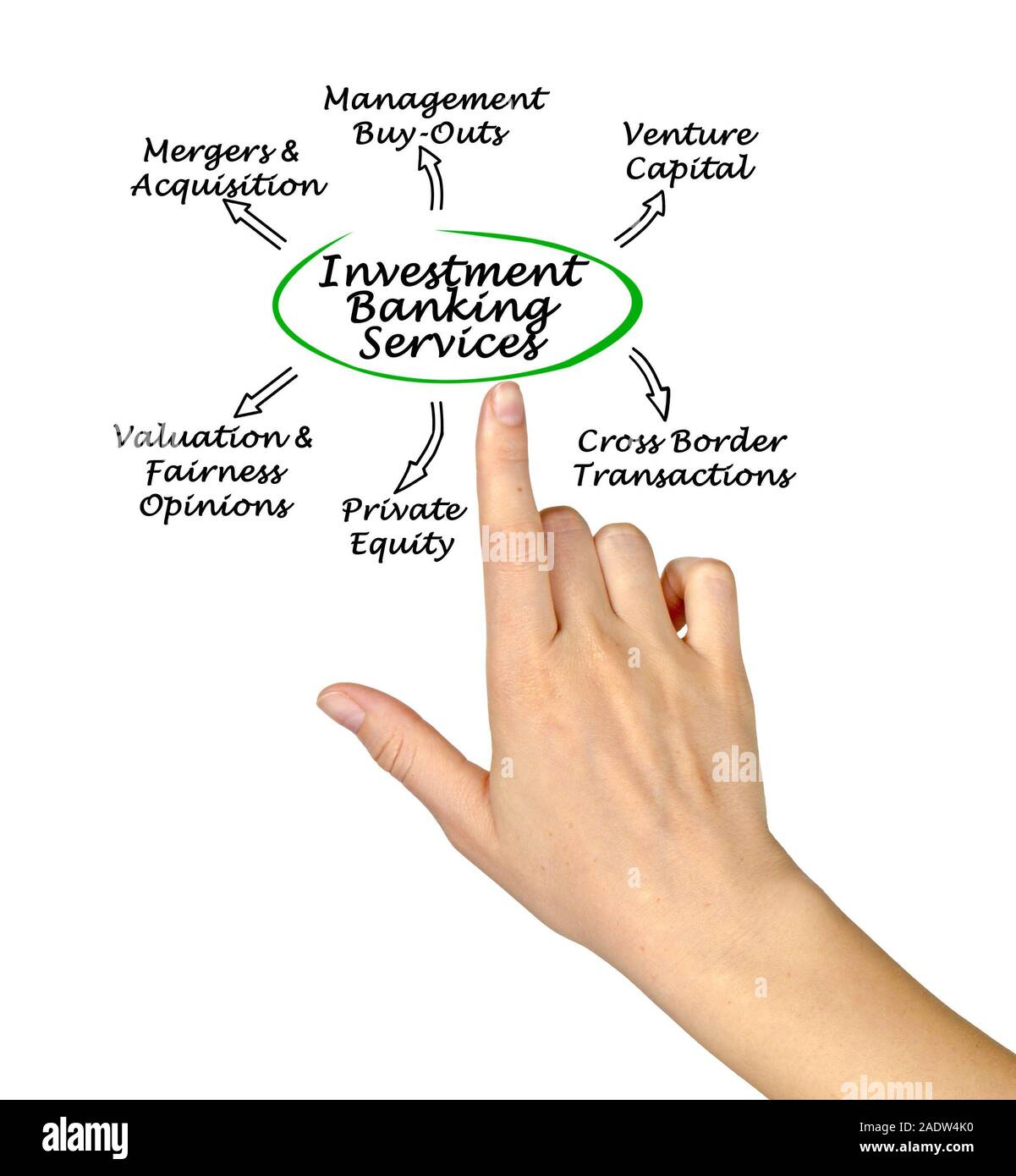
The most visible function of an investment bank is helping clients raise money through the issuance of securities. This process, known as underwriting, involves the bank purchasing a portion of the new securities (stocks or bonds) from the issuer and selling them to the public or private investors.
- Equity Capital Markets (ECM): Banks assist companies in issuing equity. This includes Initial Public Offerings (IPOs), where a private company goes public, and Follow-on Offerings, where an already public company issues more shares. The bank manages the regulatory filings, prices the shares, and markets the offering to institutional investors.
- Debt Capital Markets (DCM): If a corporation or government needs to borrow money rather than sell equity, investment banks facilitate the issuance of bonds. This includes investment-grade corporate bonds, high-yield "junk" bonds, and municipal debt.
- Private Placements: Not every capital raise is public. Investment banks often arrange private placements, selling securities to a select group of sophisticated investors (like pension funds or insurance companies) without the need for a full public prospectus.
2. Mergers and Acquisitions (M&A) Advisory
Investment banks are the primary architects of corporate consolidation. They advise companies on both the buy-side (acquiring another company) and the sell-side (selling the company or a division).
On the sell-side, a bank’s goal is to maximize the sale price. They identify potential buyers, create marketing materials (the "Information Memorandum"), and manage the bidding process. On the buy-side, banks help identify targets that offer strategic synergies, perform rigorous due diligence, and determine a fair valuation to ensure the client doesn't overpay.
In 2026, M&A advisory has shifted toward "vertical integration" deals, where banks focus heavily on analyzing the supply chain resilience and ESG (Environmental, Social, and Governance) compliance of the target company as part of the valuation process.
3. Sales and Trading
The sales and trading arm is the engine of liquidity in the financial markets. Investment banks act as market makers, meaning they stand ready to buy or sell securities at any time to facilitate trading for their clients.
- Sales: Professionals in this division communicate with institutional investors (mutual funds, hedge funds) to pitch ideas and execute large-block trades.
- Trading: Traders manage the bank’s capital and client orders. They operate across various asset classes, including equities, fixed income, currencies, and commodities (FICC).
- Structuring: This involves creating complex derivative products or "structured notes" tailored to the specific risk-hedging needs of a corporate client.
4. Equity Research
Research analysts provide the intellectual capital that supports the rest of the bank. They produce detailed reports on companies, industries, and macroeconomic trends. These reports include "Buy," "Hold," or "Sell" ratings that guide institutional investors.
It is important to note the "Chinese Wall"—a regulatory and ethical barrier that separates research from the investment banking division. This prevents conflicts of interest, ensuring that research analysts do not issue overly positive reports just to help the bank win a company's M&A or underwriting business.
Structural Differences: Bulge Bracket vs. Boutique Banks
When seeking investment banking services, the size and scope of the institution matter. The table below outlines the primary differences between the three major types of investment banks operating in 2026.
| Feature | Bulge Bracket (e.g., Goldman Sachs, JPMorgan) | Middle Market (e.g., William Blair, Houlihan Lokey) | Elite Boutique (e.g., Evercore, Lazard) |
|---|---|---|---|
| Typical Deal Size | > $1 Billion | $50 Million – $500 Million | $500 Million – Multi-Billion |
| Service Range | Full service (M&A, ECM, Trading, Lending) | Focused on M&A and Debt | Primarily Advisory (M&A/Restructuring) |
| Geographic Reach | Global footprint | Regional or National focus | Global presence in major hubs |
| Primary Client Base | Fortune 500 / Sovereigns | Mid-sized private companies | Large corporations seeking independent advice |
The Investment Banking Process: How a Deal Happens
Understanding the sequence of events in a typical investment banking engagement is crucial for managing expectations. Whether it is an IPO or a merger, the process generally follows a standardized lifecycle.
Phase 1: The Pitch and Mandate
The bank competes with other firms to win the business. They present a "Pitch Book" detailing their expertise, valuation of the client's company, and proposed strategy. Once selected, the bank receives a "mandate" and signs an engagement letter.
Phase 2: Due Diligence and Valuation
This is the most labor-intensive phase. Analysts and associates scrutinize every aspect of the client’s financials, legal contracts, and operations. They build complex Discounted Cash Flow (DCF) models and Comparable Company Analyses (Comps) to determine the fair market value of the transaction.
Phase 3: Structuring and Marketing
For an IPO, this involves drafting the prospectus for regulators (such as the SEC in the United States or the ESMA in Europe). For M&A, this involves creating a "Teaser" to attract buyers without revealing the company's identity immediately. The bank then goes on a "Roadshow," presenting the opportunity to potential investors.
Phase 4: Execution and Closing
The bank manages the "book-building" process, where they collect orders from investors. They help negotiate the final terms of the deal, handle the legal closing, and facilitate the transfer of funds. The bank earns a "Success Fee," which is typically a percentage of the total transaction value.
Risks and Regulatory Oversight
Investment banking is a high-stakes environment subject to intense scrutiny. Following the global financial shifts of the early 2020s, regulations have tightened to ensure market stability.
- Capital Adequacy: Regulators require banks to hold a certain amount of liquid capital against their risk-weighted assets to prevent insolvency.
- Conflict of Interest: Banks must strictly manage "Inside Information." Using non-public information from an M&A deal to trade in the sales division is a federal crime (insider trading).
- Fiduciary Duty: While investment banks do not always have a fiduciary duty in the same way a wealth manager might, they are held to high standards of conduct regarding the "suitability" of the products they sell to clients.
In 2026, many of these regulatory requirements are automated via RegTech (Regulatory Technology), which uses real-time monitoring to flag suspicious trades or breaches of the Chinese Wall.
Frequently Asked Questions
What is the difference between an investment bank and a private equity firm?
Investment banks are service providers and intermediaries; they facilitate transactions for a fee. Private equity firms are investors; they use their own capital (and money from limited partners) to buy companies outright, improve them, and sell them later for a profit.
How do investment banks make money?
They earn revenue through three main streams: Advisory Fees (percentage of M&A deals), Underwriting Fees (spreads on IPOs or bond issuances), and Trading Commissions (spreads on the buy/sell price of securities).
What is "Restructuring" in investment banking?
Restructuring is a specialized service provided to companies facing financial distress or bankruptcy. The bank helps the company renegotiate its debt, sell off non-core assets, or change its capital structure to avoid total liquidation.
Why would a company choose a boutique bank over a bulge bracket bank?
Companies often choose boutique banks for their specialized industry expertise and the lack of conflicts of interest. Since boutiques don't usually provide lending or trading services, their advice is perceived as more independent and objective.
What is a "Full-Service" investment bank?
A full-service bank offers everything from M&A advisory and capital raising to research, sales and trading, and sometimes even commercial banking services (like revolving credit lines) for their corporate clients.
Final Guidance for Engaging Investment Banking Services
When choosing an investment bank in 2026, focus on sector-specific expertise rather than brand name alone. A bank that has successfully closed ten deals in the renewable energy sector is often more valuable to a green-tech startup than a larger firm with generic experience.
Always request a clear breakdown of the fee structure, including retainers and success fees, and ensure the bank’s team has a proven track record with the specific regulatory hurdles of your target jurisdiction. For those on the buy-side, prioritize banks that offer robust post-merger integration (PMI) advisory to ensure the strategic value of the deal is actually realized after the papers are signed.
Image Gallery