Ben Affleck in Shakespeare in Love: Exploring the Role of Ned Alleyn
In the 1998 period romantic comedy-drama Shakespeare in Love, Ben Affleck portrays Ned Alleyn, the arrogant, flamboyant, and highly esteemed lead actor of the Admiral's Men. While a supporting role, Affleck’s performance as the histori...
In the 1998 period romantic comedy-drama Shakespeare in Love, Ben Affleck portrays Ned Alleyn, the arrogant, flamboyant, and highly esteemed lead actor of the Admiral's Men. While a supporting role, Affleck’s performance as the historical figure who first played Mercutio serves as a critical bridge between the film’s comedic subplots and its dramatic core.
Contents
The casting of Ben Affleck in Shakespeare in Love was a significant moment in late-90s cinema, occurring just as he was transitioning from an indie darling to a global superstar. Following the massive success of Good Will Hunting (1997), Affleck’s involvement in this Miramax production was as much about personal relationships as it was about professional versatility. Today, looking back from 2026, his portrayal of Ned Alleyn remains a fascinating study of an actor playing an actor, capturing the ego and camaraderie of the Elizabethan stage.
The Context: Why Ben Affleck Joined the Cast
To understand Ben Affleck’s presence in Shakespeare in Love, one must look at the landscape of Miramax Films in the late 1990s. At the time, Affleck was a central figure in the "Miramax family," largely due to the studio's distribution of Good Will Hunting, which won him and Matt Damon an Academy Award for Best Original Screenplay.
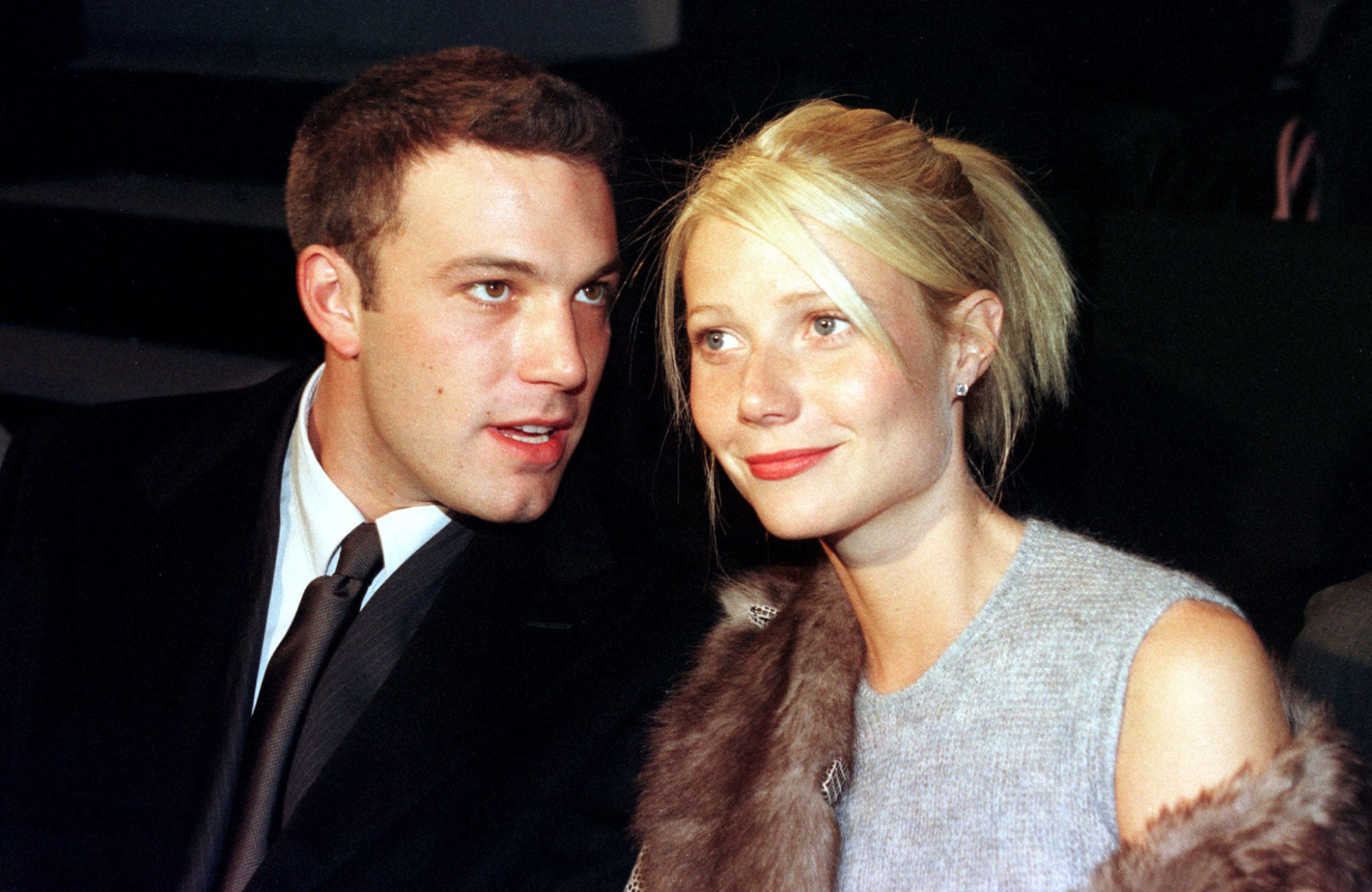
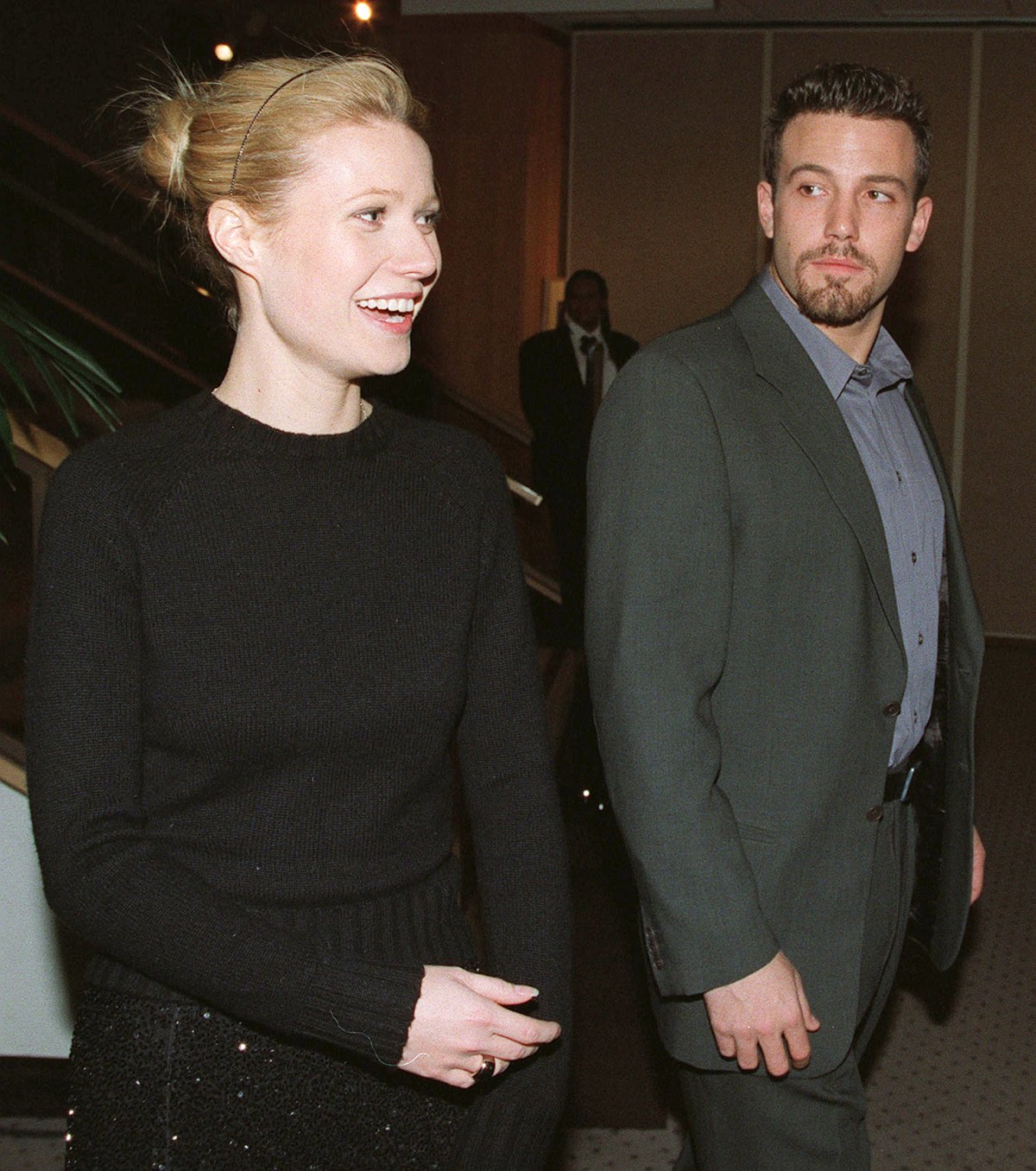
However, the primary driver for his participation was his high-profile relationship with the film’s lead, Gwyneth Paltrow. Affleck took the supporting role of Ned Alleyn to be near Paltrow during the production in England. Despite the secondary nature of the part, Affleck approached the role with a theatrical intensity that surprised many critics who viewed him primarily as a contemporary leading man.
The production, directed by John Madden and written by Marc Norman and Tom Stoppard, was a complex machinery of historical fiction and literary "inside jokes." Affleck’s character provided the necessary "star power" within the story’s universe—Ned Alleyn was the 16th-century equivalent of a Hollywood A-lister, making Affleck’s real-world status perfectly meta-contextual.
Who Was Ned Alleyn? History vs. Hollywood
In the film, Ned Alleyn is depicted as the savior of William Shakespeare’s struggling production. When he arrives with his troupe, the Admiral’s Men, he brings instant credibility to the play initially titled Romeo and Ethel, the Pirate's Daughter.
The Historical Edward Alleyn
In actual history, Edward "Ned" Alleyn (1566–1626) was arguably the most famous actor of the Elizabethan age, rivaled only by Richard Burbage. He was the son-in-law of Philip Henslowe and the founder of Dulwich College. Alleyn was known for his commanding physical presence and his roles in Christopher Marlowe’s plays, including Tamburlaine and Doctor Faustus.
The Film's Portrayal
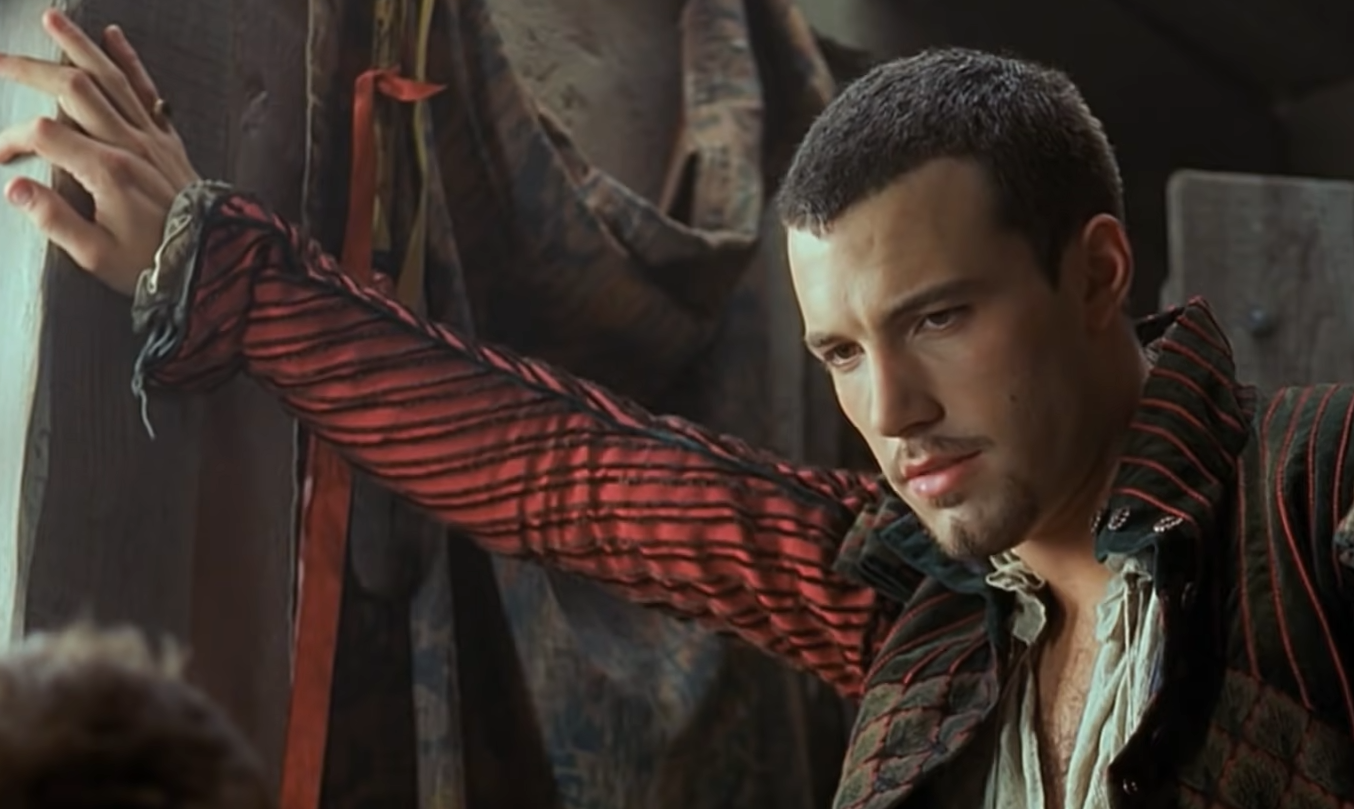
The film’s screenplay takes creative liberties with the timeline of Alleyn’s life to fit the fictionalized romance between Will Shakespeare (Joseph Fiennes) and Viola de Lesseps (Gwyneth Paltrow). Affleck’s Alleyn is portrayed as a man who is deeply aware of his own talent. He demands the best roles and expects the playwright to cater to his strengths.
One of the most pivotal scenes involving Affleck is when he learns his character, Mercutio, dies halfway through the play. Initially offended by the "smallness" of the role, he is won over when he realizes that Mercutio’s death is the dramatic fulcrum of the entire story. This moment highlights the "actor's ego" that Stoppard’s script so brilliantly satirizes.
Performance Analysis: The Ego and the Art
Ben Affleck’s performance is characterized by a deliberate, booming theatricality. In a film filled with classically trained British actors like Judi Dench, Geoffrey Rush, and Colin Firth, Affleck (an American) had to work hard to match the Shakespearean cadence.
- The Voice: Affleck adopted a resonant, stage-projecting tone that signaled Alleyn’s dominance over any room he entered. This wasn't just a British accent; it was a "stage" accent.
- Physicality: He carried himself with the swagger of a man used to being the center of attention. Whether he is riding into the theater courtyard on horseback or commanding a rehearsal, his body language screams authority.
- The Transformation: The beauty of the performance lies in the shift from Ned the Star to Ned the Professional. When the play finally goes on, Affleck portrays Alleyn as a dedicated craftsman who respects the work, showing that beneath the arrogance lies a true love for the theater.
His performance is often cited as a successful example of "stunt casting" that actually worked. He didn't distract from the ensemble; he enhanced the world-building by providing a believable rival and eventual ally to Fiennes’ Shakespeare.
Production Details and Technical Specifications
The production of Shakespeare in Love was a massive undertaking, filmed primarily at Shepperton Studios and on location across England. For Affleck’s scenes, the recreation of the Rose Theatre and the Curtain Theatre provided a gritty, lived-in backdrop that contrasted with the polished performances.
| Feature | Details |
|---|---|
| Director | John Madden |
| Character Name | Ned Alleyn |
| Primary Costume | Ornate leather doublets and period-accurate stage armor |
| Screen Time | Approximately 15-20 minutes |
| Historical Basis | Edward Alleyn (1566–1626) |
| Key Location | The Rose Theatre (Recreated) |
| Significant Scene | The "Death of Mercutio" performance |
The costumes for Affleck, designed by Sandy Powell, were meant to reflect his wealth and status. While the other actors wore muted tones, Alleyn was often seen in richer fabrics and more intricate detailing, signifying his success as a shareholder in the Admiral’s Men.
The Impact on Affleck's Career Trajectory
In 1998, Ben Affleck was at a crossroads. He was a newly minted Oscar winner for writing, but his acting credentials were still being questioned by some critics. Shakespeare in Love allowed him to prove he could hold his own in a prestige period piece alongside some of the greatest actors of the generation.
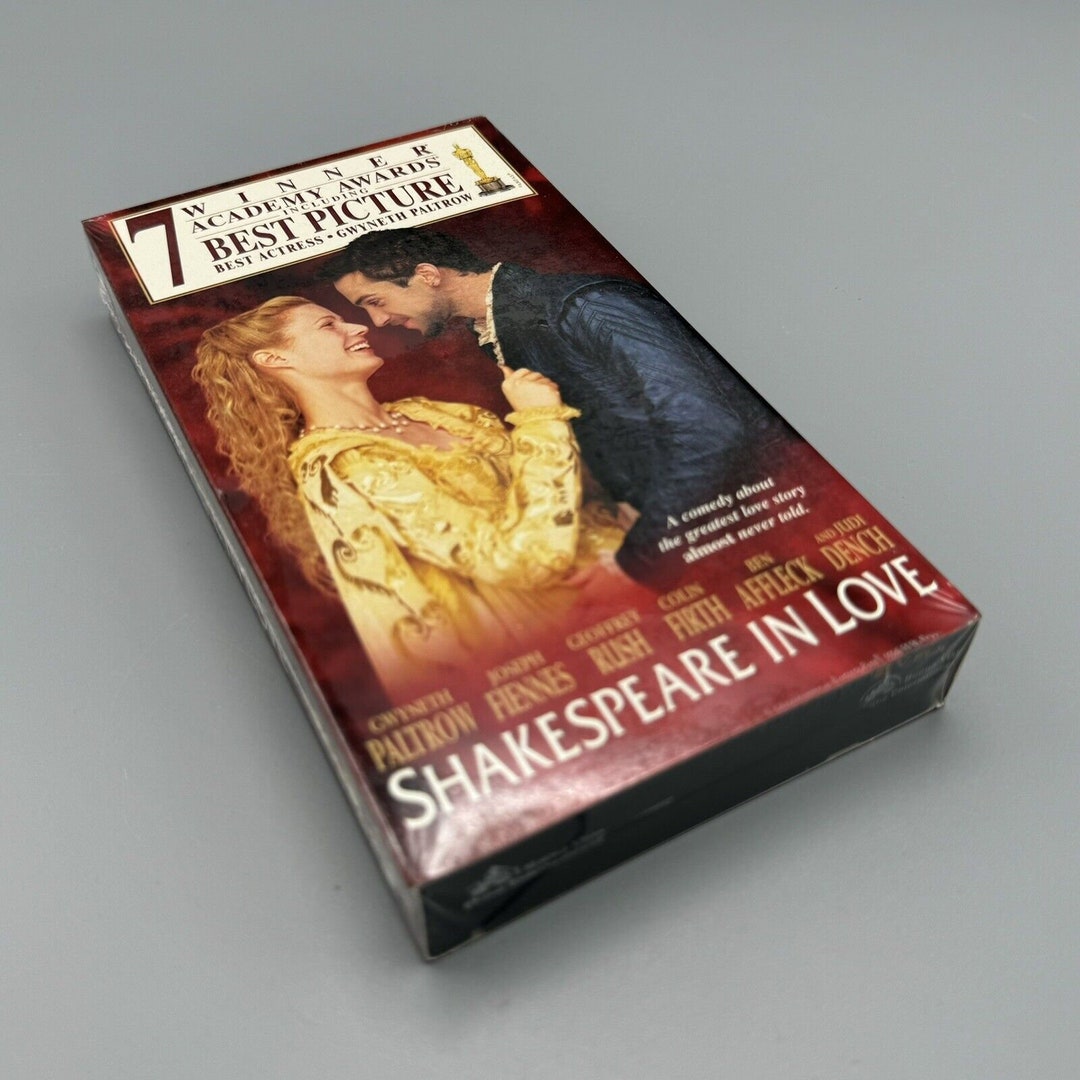
Shortly after this film, Affleck moved into massive blockbuster territory with Armageddon and Pearl Harbor. However, his turn as Ned Alleyn is often pointed to by film historians as evidence of his range. It showed he was willing to take a supporting "character" role and play it with sincerity rather than just seeking leading-man "hero" roles. The film went on to win seven Academy Awards, including Best Picture. While Affleck was not nominated individually, he shared in the Screen Actors Guild Award for Outstanding Performance by a Cast in a Motion Picture.
Legacy of the Film in 2026
As of 2026, Shakespeare in Love is viewed as the pinnacle of the 1990s Miramax era. It represents a specific type of mid-budget, high-concept literary drama that has become increasingly rare in the age of streaming dominance. Ben Affleck’s performance is frequently revisited in retrospectives of his career, especially as he has moved into directing and more mature dramatic roles in the 2010s and 2020s.
The film's exploration of "show business" in the 1590s resonates with modern audiences because of characters like Ned Alleyn. He represents the timeless nature of the performer—driven by a mix of insecurity, vanity, and a genuine desire to create something lasting.
Frequently Asked Questions
Did Ben Affleck do his own stunts in Shakespeare in Love?
While the film did not require high-octane stunts, Affleck did perform his own horse riding and basic stage combat. The "sword fight" scenes in the play-within-a-play were choreographed to look like authentic Elizabethan stage fighting, which required several weeks of rehearsal for the entire cast.
Why was Ben Affleck's role so small compared to his star power at the time?
Affleck was a massive star in 1998, but he chose the role of Ned Alleyn primarily to support the production and his then-girlfriend, Gwyneth Paltrow. He has stated in various interviews that he enjoyed the freedom of playing a supporting character without the pressure of carrying the entire film’s narrative.
How historically accurate is Ben Affleck's portrayal of Edward Alleyn?
While Affleck captures the spirit of Edward Alleyn’s fame and dominance, the film is highly fictionalized. The real Edward Alleyn was likely not involved in the premiere of Romeo and Juliet, as he was a member of a rival acting company. However, the film accurately reflects his status as the "greatest actor of the age."
Did Ben Affleck win any awards for this role?
Ben Affleck did not win any individual Academy Awards or Golden Globes for this specific role. However, he was a recipient of the 1999 Screen Actors Guild Award for Outstanding Performance by a Cast in a Motion Picture, which he shared with his co-stars.
What accent does Ben Affleck use in the film?
Affleck uses a standard Received Pronunciation (RP) English accent, though he infuses it with a more declamatory, theatrical boom to reflect his character’s profession. At the time, some critics debated the consistency of his accent, but it is generally regarded as a solid effort for an American actor in a British-led ensemble.
Final Recommendation for Viewers
If you are a fan of Ben Affleck’s later work as a director or his more rugged dramatic roles, revisiting Shakespeare in Love is highly recommended. It offers a rare glimpse of Affleck playing a character defined by theatrical joy and vanity. To get the most out of his performance, pay close attention to the scenes where he is "directing" the other actors during rehearsals; these moments showcase the depth of his research into the professional life of an Elizabethan actor. The film is currently available on most major 4K restorative streaming platforms as of 2026, preserving the lush cinematography of Caleb Deschanel.
Image Gallery