How to Hold a Pipe in Your Mouth: Technique, Ergonomics, and Stem Protection
Holding a pipe in your mouth—commonly referred to as "clenching"—requires balancing lever mechanics, jaw ergonomics, and stem protection. To hold a pipe comfortably, rest the stem button behind your premolars or molars, engage light ja...
Holding a pipe in your mouth—commonly referred to as "clenching"—requires balancing lever mechanics, jaw ergonomics, and stem protection. To hold a pipe comfortably, rest the stem button behind your premolars or molars, engage light jaw pressure rather than biting down, and support the weight using your lips and tongue. Selecting lightweight or bent pipe shapes minimizes jaw strain.
Contents
Anatomy of a Pipe Stem and Bit Ergonomics
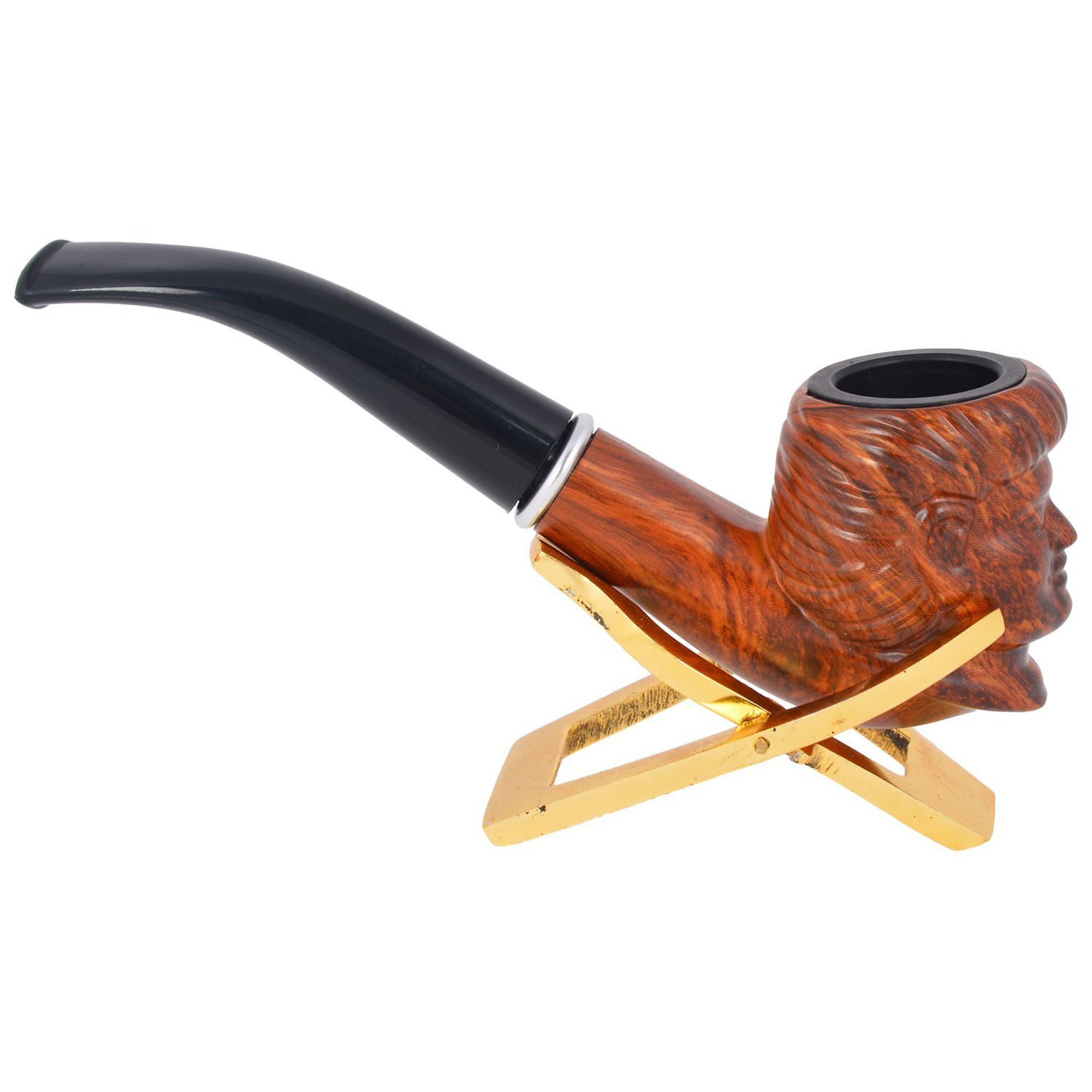
To master holding a tobacco pipe comfortably, you must first understand the geometry and material properties of the pipe stem. The portion of the stem that enters your mouth is engineered to transfer weight across your dental arch while directing airflow toward the palate.
(Note: Ensure no backticks or code blocks are used anywhere in the output)
The Button and Lip Architecture
The extreme end of the stem features a raised ridge known as the button. The button serves as an ergonomic anchor that prevents the pipe from slipping forward past your teeth. Standard stems feature one of two primary button designs:
- Fishtail Buttons: The most common design, featuring a flat, wide lip that fans out horizontally. A fishtail button rests comfortably behind the front premolars, allowing the tongue to sit flat beneath the stem while the teeth hook behind the lip ridge.
- Peterson P-Lip Buttons: Designed specifically to direct smoke upward toward the roof of the mouth rather than directly onto the tongue. The button ridge is positioned on the top surface of the stem, allowing the wearer to hook their upper teeth over the notch with minimal biting force.
Stem Materials and Hardness Profiles
The material composition of the stem dramatically affects mouth feel, tooth comfort, and durability under bite pressure:
- Vulcanite (Ebonite): Vulcanized natural rubber. Vulcanite is relatively soft, flexible, and forgiving on human tooth enamel. It offers a comfortable, springy feel when held between the teeth, though it is susceptible to tooth indentations (chatter) over time and oxidizes under UV light.
- Acrylic (Lucite): Synthetic resin polymer. Acrylic stems retain their high-gloss finish indefinitely and resist oxidation and bite marks. However, acrylic is substantially harder than vulcanite, transferring more shock and mechanical pressure directly to your jaw joints and tooth enamel.
- Cumberland: A variant of vulcanized rubber infused with colored swirls. It shares the soft, dental-friendly physical characteristics of traditional vulcanite while offering enhanced aesthetic appeal.
Mechanics of Mouth-Holding: Clenching vs. Lip-Balancing
Holding a pipe without using your hands relies on basic mechanical physics. The pipe acts as a Class 1 lever, where your teeth serve as the fulcrum, your jaw muscles apply the effort, and the bowl acts as the load. Understanding this physical dynamic allows you to hold a pipe for extended periods without fatigue.
Mechanical Advantage in Pipe Clenching
The farther the center of gravity (the bowl) extends from your mouth, the greater the downward torque applied to your teeth. A long, heavy straight pipe requires significant bite force to maintain horizontal alignment, whereas a deeply bent pipe moves the center of gravity closer to your chin, dramatically reducing downward leverage.
Clenching (Molar Anchor Technique)
Clenching involves securing the pipe stem between your upper and lower teeth, usually between the first premolar and first molar. This position provides maximum stability because the molar region is structurally built to withstand compressive forces.
When clenching properly, your teeth do not bite through the stem; instead, your jaw remains slightly relaxed while the upper teeth hook over the stem's button and the lower teeth support the underside of the bit.
Lip-Balancing (Drape Technique)
Lip-balancing relies primarily on the orbicularis oris muscles (the lips) rather than direct tooth clamping. The stem rests gently over the lower lip while the upper lip wraps slightly over the top of the bit.
This technique works best with lightweight, well-balanced pipes and prevents mechanical wear on both tooth enamel and stem materials. It requires subtle muscular control but completely eliminates jaw tension and dental indentation risks.
How Pipe Shape and Weight Affect Jaw Strain
Not all pipes are designed to be held in the mouth hands-free. Bowl geometry, shank length, and overall weight determine whether a pipe can be clenched comfortably during daily tasks, reading, or working.
| Pipe Shape Family | Average Weight Range | Center of Gravity Location | Clenching Feasibility | Jaw Strain Level |
|---|---|---|---|---|
| Straight Billiard / Dublin | 45g – 65g | Far from mouth (3.5 – 5.0 inches) | Moderate (Requires active bite force) | Medium to High |
| Full Bent (Oom Paul / Hungerford) | 50g – 75g | Directly below shank / Near chin | Excellent (Minimal leverage torque) | Very Low |
| Half Bent (Apple / Author) | 40g – 55g | Moderate distance (2.5 – 3.5 inches) | High (Balanced weight distribution) | Low |
| Canadian / Lovat (Long Shank) | 50g – 70g | Very far from mouth (4.5 – 6.0 inches) | Poor (Extremely high downward lever torque) | High |
| Featherweight / Pocket Pipes | 18g – 35g | Close to mouth (2.0 – 3.0 inches) | Superior (Can be held effortlessly) | Negligible |
The Physics of Stem Bend
A straight pipe projects outward horizontally, creating a long lever arm. To keep the pipe from tilting downward, your lower jaw must press upward with continuous force.
Conversely, a bent pipe drops the bowl downward toward your neck. This shift lowers the center of mass relative to the fulcrum (your teeth), converting rotational torque into a gentle downward pull that rests naturally against your lip structure.
Step-by-Step Guide to Holding a Pipe Comfortably
Executing a tension-free hold requires systematic positioning of the stem relative to your teeth, tongue, and lips. Follow this routine to establish an ergonomic hold that protects both your teeth and your pipe.
Step 1: Position the Button Behind the Premolars
Insert the bit into one side of your mouth, sliding it past your incisors toward the premolar area (just behind your canine teeth). Never hold a pipe directly between your front incisors; front teeth have thin cutting edges that chip easily under mechanical leverage and lack the surface area to distribute pressure evenly.
Step 2: Hook the Lip Button
Allow the upper teeth to rest lightly in the notch just forward of the stem button. The button acts as an physical stopper, preventing the stem from sliding out of your mouth without requiring you to squeeze your jaw shut.
Step 3: Cushion with the Lower Lip and Tongue
Allow your lower lip to wrap slightly upward beneath the stem, creating a flexible muscle cushion. Position your tongue flat along the floor of your mouth, beneath the stem slot, ensuring air can flow freely without your tongue resting directly against the hot smoke stream coming from the draft hole.
Step 4: Relax the Masseter Muscle
Deliberately relax your primary chewing muscle (the masseter). Apply only enough jaw elevation to prevent the mouth from opening. If you notice muscle tightness near your temple or jaw joint (temporomandibular joint), you are clamping down too hard.
Step 5: Incorporate Hand Support During Movement
While a well-balanced pipe can sit in your mouth hands-free while stationary, always support the bowl gently with one hand when walking, working, or turning your head rapidly. Dynamic movement creates sudden kinetic force that can dislodge the stem or damage tooth enamel.
Stem Protection and Comfort Accessories
If you prefer hard acrylic stems or frequently hold heavy pipes, aftermarket accessories and stem care techniques prevent tooth damage and stem deterioration.
(Note: Ensuring blockquotes contain NO raw asterisks or dashes for lists)
Rubber Bit Guards (Softie Bits)
Soft food-grade vinyl or rubber sleeves slip directly over the end of the pipe stem. These covers cushion the impact between your tooth enamel and hard acrylic or vulcanite stem material. They provide tactile grip, eliminating the need for hard jaw pressure, while completely protecting vintage or high-end stems from unsightly tooth marks and bite indentations.
Heat-Shrink Tubing
Pipe restorers and enthusiasts frequently apply thin, clear polyolefin heat-shrink tubing over stem bits. Tubing provides a ultra-thin protective layer that shields vulcanite from tooth chatter without adding the bulk of a thick rubber bit guard.
Stem Lip Files and Custom Slotting
Professional pipe artisans can recut or thin out a stem button to match an individual's specific bite pattern. Thinning the button profile reduces the vertical clearance needed to hold the pipe, allowing your jaw to remain in a natural, nearly closed position.
Preventing Teeth Wear, Chatter, and Jaw Fatigue
Holding a pipe regularly can lead to dental and physical complications if improper technique is used over prolonged periods. Implementing proper ergonomic habits ensures long-term comfort and dental health.
Eliminating Tooth Chatter
Tooth chatter refers to small, spiderweb-like indentations or gouges left in a soft vulcanite stem by your teeth. Chatter occurs when your jaw muscles constantly micro-adjust their grip, causing your teeth to tap and grind against the stem material.
To eliminate chatter:
- Use a flexible rubber bit guard over the stem end.
- Keep your head level rather than tilting it backward, which causes the stem to slide back and forth across your teeth.
- Switch from acrylic to softer vulcanite stems if you prefer to hold pipes without rubber covers.
Preventing Temporomandibular Joint (TMJ) Strain
Clenching a heavy pipe on one side of your mouth forces your temporomandibular joint into an asymmetrical position. Over time, uneven loading can cause jaw soreness, muscular spasms, and joint clicking.
To prevent TMJ fatigue:
- Alternate Sides: Regularly shift the pipe stem between the left and right premolar regions to balance muscle engagement across both sides of your face.
- Select Lighter Pipes: Limit hands-free mouth holding to pipes weighing under 50 grams (1.75 ounces). For pipes weighing over 60 grams, support the bowl with your hand.
- Shorten Clenching Duration: Rest your jaw by removing the pipe from your mouth between gentle sips of smoke rather than keeping it clamped continuously throughout an entire 45-minute bowl session.
Frequently Asked Questions
Is it safe to hold a pipe in your mouth using your front teeth?
No, holding a pipe with your front teeth concentrates downward leverage onto thin, sharp incisors, increasing the risk of chipped enamel and severe jaw strain. Always position the stem farther back along your bite, engaging the premolars or first molars where the bone structure and muscular support are significantly stronger.
Why does my jaw hurt after holding a tobacco pipe hands-free?
Jaw pain indicates that you are clamping down too hard or using a pipe that is too heavy for extended clenching. Excess weight far from your mouth creates high downward torque, forcing your masseter muscles to overcompensate; switching to a lighter or bent pipe shape and relaxing your grip resolves this tension.
Will clenching a pipe ruin or mark the stem?
Clenching directly against bare vulcanite or acrylic can leave micro-scratches, teeth marks, or deep gouges known as tooth chatter. Using food-grade rubber softie bits or clear heat-shrink tubing over the stem end fully preserves the material while providing superior grip.
What pipe shape is best for holding in your mouth hands-free?
Full bent and half bent pipe shapes (such as the Oom Paul, Bent Apple, or Bent System pipes) are ideal for hands-free holding. Their downward curve shifts the bowl's center of gravity closer to your chin, drastically reducing leverage torque compared to long, straight pipes.
How do I prevent saliva from traveling down the stem into the bowl while holding a pipe?
To keep moisture out of the stem, maintain a neutral head position, keep your tongue resting flat beneath the draft slot to act as a barrier, and periodically remove the pipe to swallow excess saliva. Choosing a bent pipe with an internal moisture trap also prevents condensation from reaching the tobacco chamber.
Practical Recommendations for Pipe Smokers
Holding a pipe comfortably in your mouth is a balance of mechanical leverage, shape selection, and gentle jaw technique. To optimize your experience and preserve your dental health:
- Match Shape to Purpose: Select bent shapes under 50 grams for activities that require both hands, reserving heavy, straight pipes for seated sessions where your hand supports the bowl.
- Protect Your Equipment: Install inexpensive rubber softie bits over acrylic and vintage vulcanite stems to prevent chatter marks and cushion impact against your teeth.
- Protect Your Jaw: Never bite down hard. Allow the lip button to hook naturally behind your premolars, shift the pipe between the left and right sides of your mouth periodically, and take frequent breaks to rest your jaw muscles.
By applying these principles of leverage and jaw ergonomics, you can hold your pipe effort-free while protecting both your dental enamel and your stem investment.
Image Gallery