Comprehensive Guide to Monitoring Police Scanner Brooklyn NY Feeds in 2026
Accessing a police scanner in Brooklyn, NY, requires understanding the New York Police Department’s transition to digital trunked radio systems, legal mobile device regulations, and the operational structure of Brooklyn's distinct patr...
Accessing a police scanner in Brooklyn, NY, requires understanding the New York Police Department’s transition to digital trunked radio systems, legal mobile device regulations, and the operational structure of Brooklyn's distinct patrol precincts. While traditional analog monitoring is obsolete, modern enthusiasts and journalists utilize encrypted software-defined radios and authorized digital streaming feeds to track public safety communications.
Contents
Understanding the NYPD Radio Infrastructure in Brooklyn
The NYPD operates across multiple operational zones within Brooklyn, split dynamically between Brooklyn North (Patrol Borough Brooklyn North) and Brooklyn South (Patrol Borough Brooklyn South). Historically, monitoring these operations involved a simple analog crystal receiver tuned to specific VHF or UHF frequencies. However, the modernization of municipal emergency communications has shifted most tactical and precinct-to-precinct chatter onto complex digital networks.
Understanding how these transmissions are structured requires looking at the core components of the network:
- Central Dispatch: Citywide dispatch channels coordinate major incidents, while borough-specific frequencies handle localized routine calls.
- Precinct Boundaries: Brooklyn contains numerous precincts ranging from the 70th Precinct in Flatbush to the 94th Precinct in Greenpoint, each operating on designated talkgroups.
- Specialized Units: Emergency Service Units (ESU), Strategic Response Group (SRG), and transit bureaus utilize distinct tactical channels that often operate with varying levels of encryption or restricted access.
Monitoring these communications successfully in 2026 demands more than just basic equipment. It requires an understanding of digital trunking protocols, specifically Project 25 (P25) Phase I and Phase II standards, which municipal agencies increasingly adopt to secure sensitive tactical information while maintaining public safety transparency.
Legal Framework and Regulations for Police Scanners in New York
Before setting up any monitoring equipment or software in Brooklyn, you must navigate federal, state, and local laws governing the interception of police radio communications. New York State vehicle and traffic laws impose strict regulations on mobile scanner installations, particularly regarding motor vehicles.
| Jurisdiction & Law | Specific Restriction | Exemption or Allowance |
|---|---|---|
| New York Vehicle & Traffic Law (§ 397) | Prohibits equipping a motor vehicle with a radio capable of receiving police frequencies. | Holders of valid FCC amateur radio licenses (Ham operators) and law enforcement personnel. |
| Federal Communications Act (§ 605) | Regulates the interception and divulgence of radio communications. | Public safety broadcasts not explicitly marked as private or encrypted are generally accessible for passive listening. |
| Local NYC Administrative Codes | Restricts the use of electronic equipment to interfere with or monitor restricted emergency channels for unlawful purposes. | Standard passive newsgathering and public monitoring without interference are permitted. |
Owning a base station scanner for home use in Brooklyn is completely legal under federal law, provided you do not use intercepted information to commit a crime, facilitate illegal acts, or broadcast tactical movements that could compromise officer safety. However, keeping an active mobile scanner in your car dashboard without an amateur radio license can lead to misdemeanor citations and equipment confiscation by the NYPD.
Hardware vs. Software Solutions for Brooklyn Audio Feeds
Listeners looking to monitor Brooklyn public safety communications face a clear choice between dedicated physical scanner hardware and software-based streaming options. Each approach offers distinct technical advantages depending on your budget, technical skill level, and listening environment.
Dedicated Digital Scanners
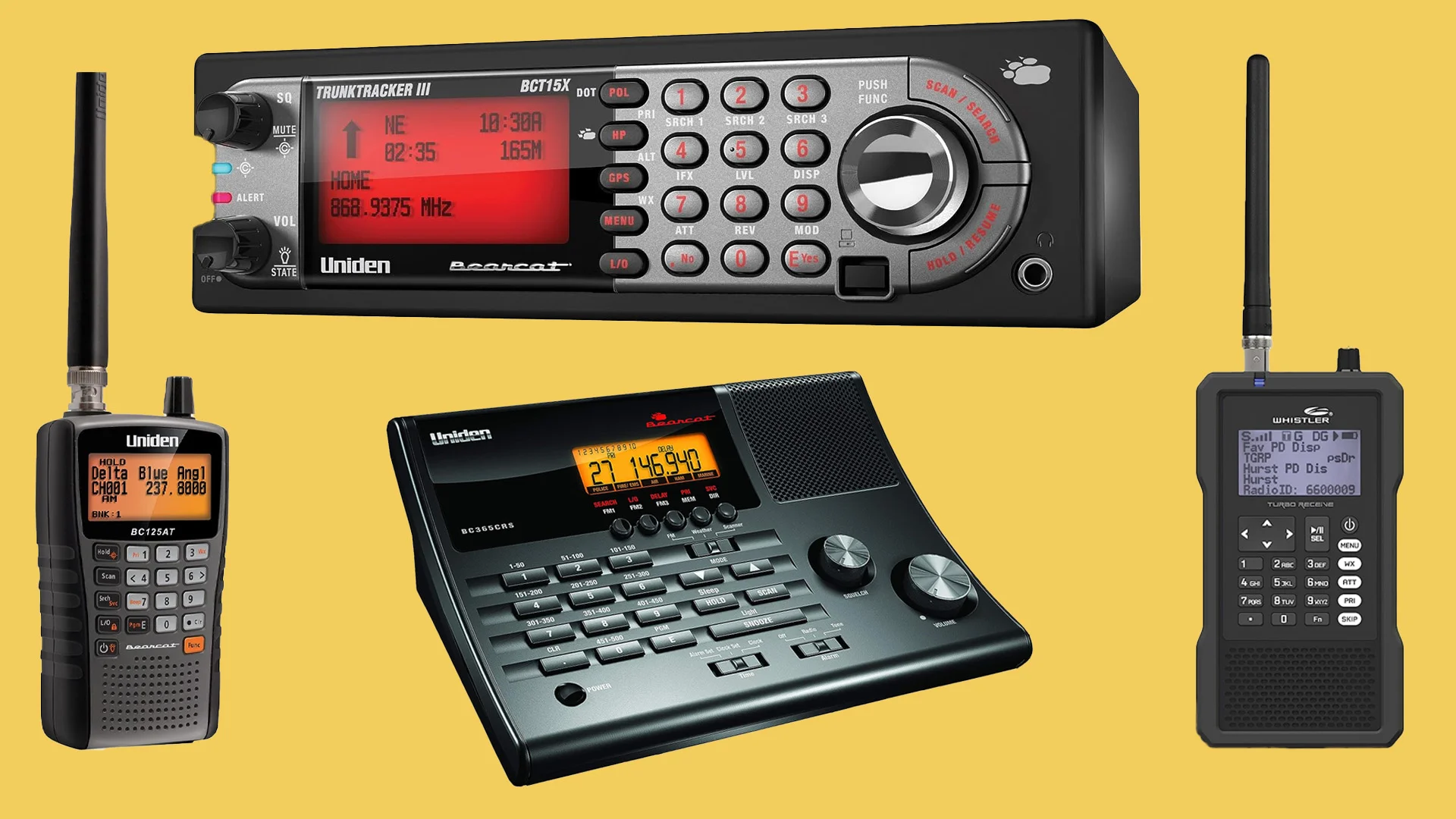
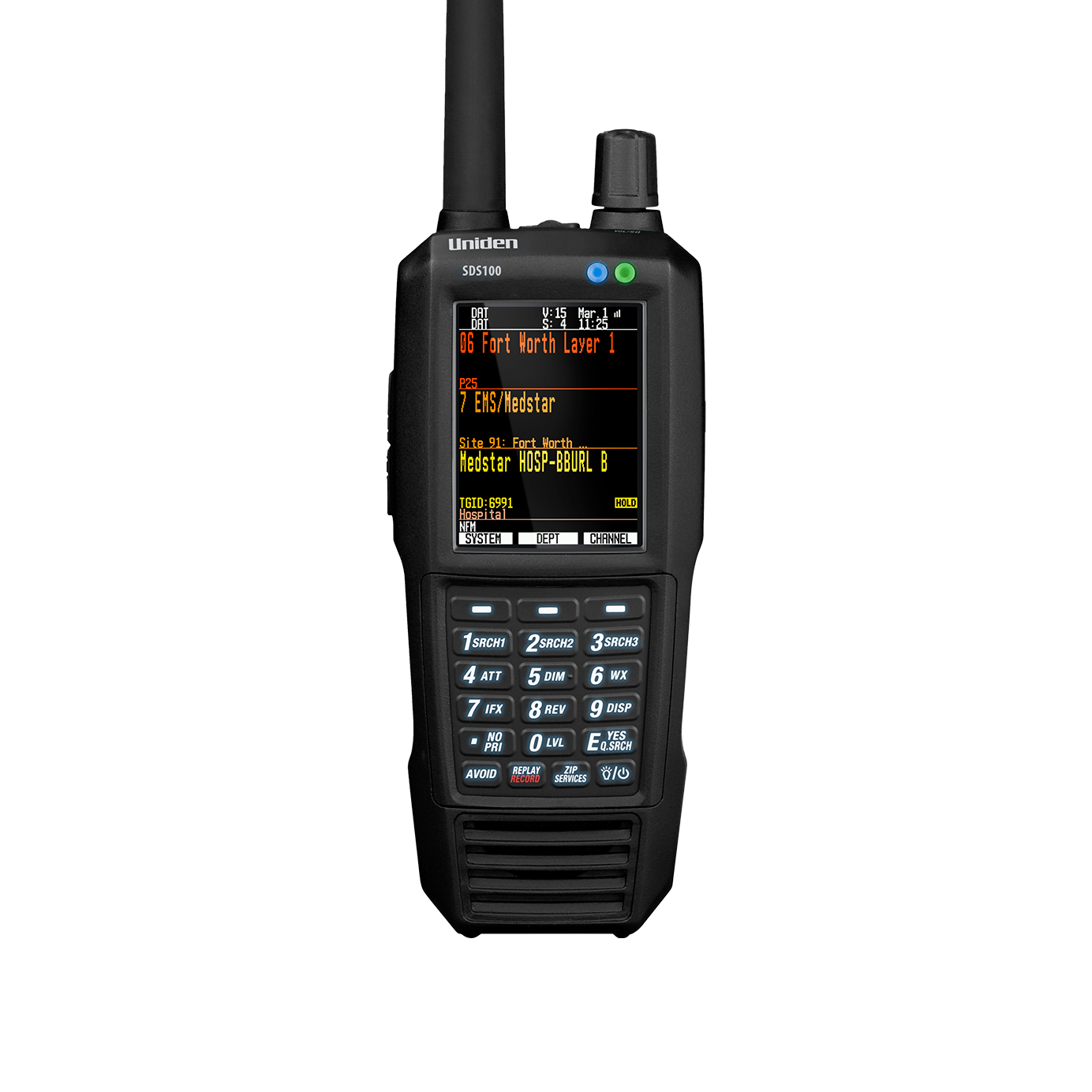
Physical scanner units capable of handling modern trunked systems require a substantial financial investment. Devices from manufacturers like Uniden (such as the BCD436HP or SDS100) or Whistler feature digital signal processing (DSP) designed to filter out interference in dense urban environments like Brooklyn, where tall skyscrapers and heavy cellular traffic cause severe multipath distortion.
Software-Defined Radio (SDR) and Mobile Apps
For hobbyists preferring a desktop setup, an SDR USB dongle connected to a computer running software like SDR# or DSDPlus provides an affordable entry point to monitor unencrypted digital channels. Alternatively, internet-based streaming platforms aggregate live feeds from Brooklyn precincts. While convenient, these streams introduce a latency of 15 to 45 seconds, which makes them less effective for real-time tactical awareness but sufficient for general neighborhood monitoring.
Step-by-Step Guide to Setting Up a Brooklyn Police Monitor
Configuring a monitoring setup for Brooklyn requires careful frequency management and software configuration to cut through urban static. Follow these steps to establish a reliable listening post:
- Identify Target Talkgroups: Access online frequency databases such as RadioReference to pull the latest talkgroup IDs for Brooklyn North and South dispatch, precinct sectors, and special operations.
- Select Your Platform: Choose between a digital handheld scanner, a desktop SDR setup, or a verified mobile streaming application depending on your mobility requirements.
- Program Location and Systems: Input the relevant trunking system site frequencies for New York City municipal networks into your device, ensuring proper programming of control channels.
- Configure Audio Filters: Set up digital threshold adjustments and interference filters. Brooklyn's dense infrastructure creates significant radio frequency (RF) interference from commercial towers and paging systems.
- Test and Monitor: Verify audio clarity during routine dispatch calls before relying on the feed for breaking news or neighborhood awareness tracking.
Pros and Cons of Monitoring Brooklyn Public Safety Feeds
Evaluating whether to invest time and resources into monitoring Brooklyn emergency channels involves weighing several operational advantages against notable technological and legal hurdles.
- Pros:
- Immediate awareness of major traffic accidents, fires, and structural emergencies in your immediate Brooklyn neighborhood.
- Essential real-time sourcing for independent journalists, hyperlocal bloggers, and digital media creators.
- Deepened understanding of municipal emergency response coordination and precinct boundaries.
- Cons:
- Increasing adoption of encryption on tactical and sensitive channels limits access to complete operational pictures.
- High upfront cost for quality digital trunk-tracking hardware capable of handling NYC's complex radio environment.
- Strict New York State vehicle laws prohibit mobile scanner use for non-licensed drivers, limiting monitoring to stationary home setups.
Troubleshooting Common Reception Issues in Brooklyn
The geography of Brooklyn presents unique challenges for radio reception. Dense concrete high-rises in Downtown Brooklyn and Williamsburg, combined with steel bridge structures and subterranean subway lines, frequently cause signal attenuation and dead zones.
If you experience audio dropouts, garbled digital voice traffic, or complete signal loss, apply these troubleshooting methods:
- Upgrade Your Antenna: Stock rubber duck antennas struggle to pull weak signals indoors. Switch to an outdoor discone antenna or a dedicated multi-band base antenna mounted near a window facing higher elevation points.
- Adjust Squelch and Threshold: Fine-tune the digital threshold settings on your scanner to prevent the decoder from cutting off words during rapid transmissions.
- Combat RF Overload: Urban environments flood receivers with unwanted signals. Insert an inline FM broadcast trap or bandpass filter to block out commercial radio towers interfering with your target frequencies.
Frequently Asked Questions About Brooklyn Police Scanners
Can I legally listen to the police scanner in Brooklyn on my smartphone?
Yes, using applications that stream public audio feeds is legal for personal listening, provided the content is sourced from legally obtained public broadcasts. However, you cannot use any intercepted information to aid in the commission of a crime or evade law enforcement.
Are all NYPD Brooklyn frequencies encrypted?
No, standard dispatch channels for routine precinct calls and borough-wide coordination remain largely unencrypted and accessible. However, specialized tactical units, detective squads, and sensitive operations frequently utilize secure, encrypted digital channels.
Do I need a special license to own a police scanner in Brooklyn?
No federal or state license is required to own a home-based desktop scanner or use streaming software. A license is only required if you intend to install a mobile receiver inside a motor vehicle in New York State, where an amateur radio (Ham) license provides an exemption to state vehicle traffic laws.
Why is the audio on my scanner sounding garbled or digital static?
The NYPD utilizes advanced digital trunking systems rather than traditional analog transmissions. Standard analog scanners cannot decode digital P25 voice traffic, resulting in digital noise or complete silence unless you use a digital trunk-tracking scanner or specialized SDR software.
How much does a reliable digital scanner cost?
Quality digital trunk-tracking scanners capable of handling complex metropolitan systems typically range from $400 to $700 depending on whether you purchase a handheld or mobile/base unit. Software-defined radio (SDR) setups offer a budget-friendly alternative for under $50 if you already own a compatible computer.
Secure Your Neighborhood Awareness Today
Staying informed on local public safety developments in Brooklyn requires reliable tools, legal compliance, and accurate frequency programming. Whether you are an independent journalist, an emergency preparedness enthusiast, or a resident tracking community safety, investing in the right digital setup ensures clear access to unencrypted municipal broadcasts. Evaluate your local monitoring needs, respect state transit regulations, and configure your system for optimal urban reception today.
Image Gallery