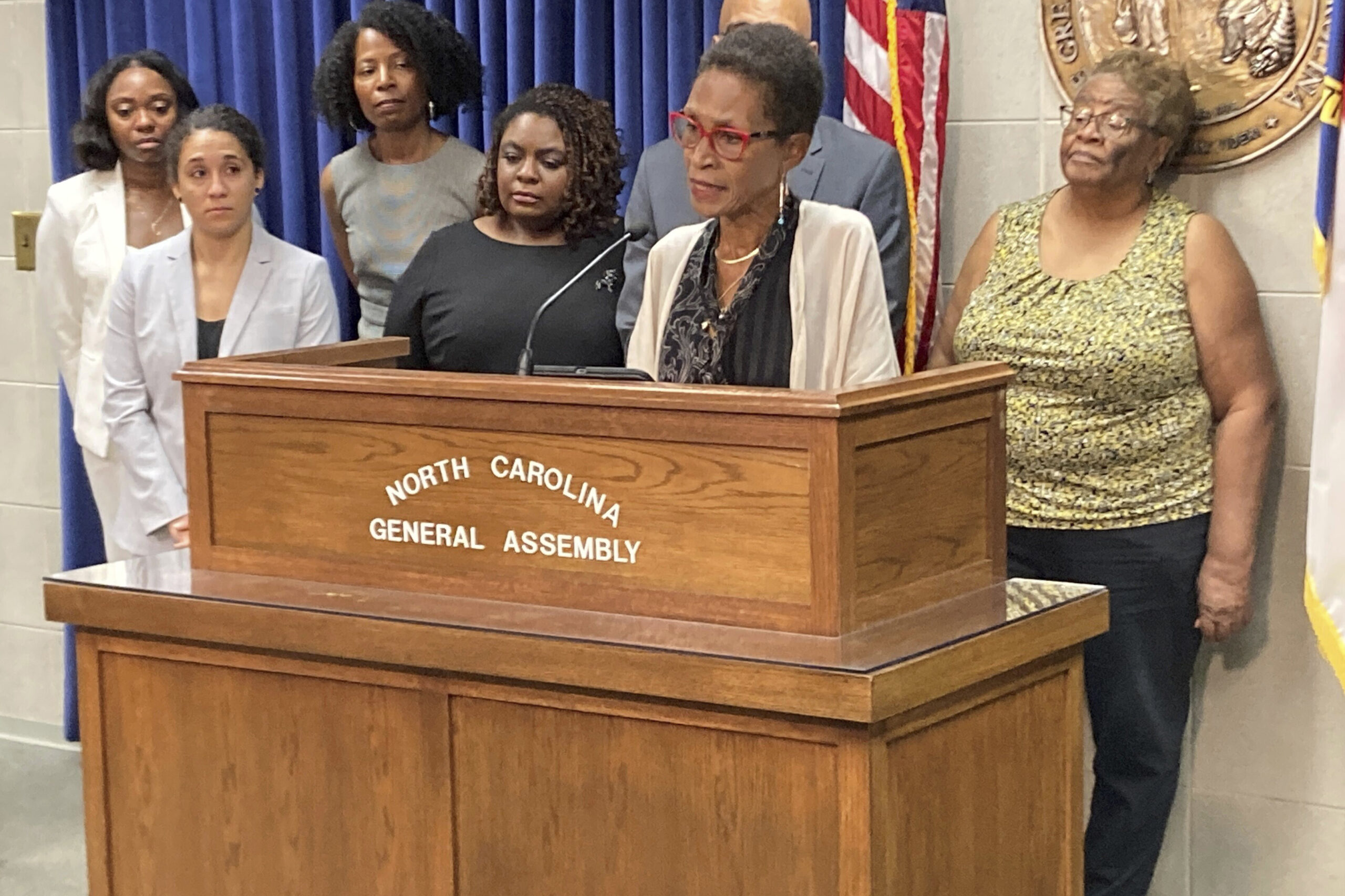
Navigating the North Carolina Court Calendar: Official 2026 Access and Scheduling Guide
Accessing the North Carolina court calendar requires understanding the centralized online portal managed by the North Carolina Judicial Branch, which provides real-time scheduling data for civil, criminal, and district court appearance...
Accessing the North Carolina court calendar requires understanding the centralized online portal managed by the North Carolina Judicial Branch, which provides real-time scheduling data for civil, criminal, and district court appearances across all 100 counties. This guide outlines how to search court dates, navigate district and superior court dockets, and manage scheduling requirements effectively for the 2026 judicial term.
Contents
Understanding the North Carolina Court System Structure
The North Carolina Court System operates under a unified statewide judicial framework divided into four distinct trial divisions. Locating the correct court calendar requires a fundamental understanding of how cases are categorized and where individual county operations are administered. The state is divided into trial court districts and judicial districts, each managing unique dockets for criminal infractions, misdemeanors, felonies, civil disputes, and specialized sessions like juvenile or family court.
Knowing whether your case falls under the jurisdiction of the District Court or Superior Court dictates which calendar you must review. District Court handles misdemeanor criminal offenses, civil cases involving lower financial thresholds, domestic relations, and juvenile matters. Superior Court manages felony criminal cases, civil disputes involving claims exceeding specific statutory monetary limits, and appeals from District Court or administrative agencies.
County-Specific Administration: Each of the 100 counties in North Carolina maintains its own courthouse with distinct local administrative rules, specific courtroom assignments, and local calendar publication schedules. Always verify the physical county location where the legal matter is filed before checking online dockets.
How to Search the Official Online Court Calendar
The primary tool for locating scheduled court appearances is the online Session Calendar application hosted by the North Carolina Judicial Branch. This digital system allows attorneys, defendants, litigants, and the public to search dockets using specific parameters without needing to visit the courthouse physically.
To execute an effective search on the official portal, follow these operational steps:
- Navigate to the official North Carolina Judicial Branch website and access the court calendar search portal.
- Select the specific County where the legal matter is pending from the dropdown menu of all 100 North Carolina counties.
- Choose the appropriate Court Type, such as District Court, Superior Court, or Appellate Courts.
- Input the specific Date or date range for the required session.
- Filter the results further by entering the Attorney Last Name, Defendant Last Name, or specific Courtroom number if known.
- Review the generated docket listing to verify case numbers, charges or claims, and designated session times (typically morning sessions starting at 9:00 AM or afternoon sessions starting at 2:00 PM).
| Search Parameter | Purpose and Application | Best Practices |
|---|---|---|
| County | Specifies the exact jurisdiction where the case is filed. | Mandatory field; ensure the correct county is selected to avoid missing local dockets. |
| Court Type | Separates District Court from Superior Court and specialized divisions. | Use if you know the level of the offense or claim to drastically narrow search results. |
| Date Range | Defines the temporal window for the court appearance. | Keep the range narrow (e.g., a single day or a one-week span) to prevent system timeouts. |
| Name / Defendant | Targets an individual party involved in the litigation. | Enter the exact legal last name first, followed by the first name, to match state database entries. |
| Case Number | Directly retrieves a specific legal file. | Highly accurate; use the complete formatting style provided on official court citations or filings. |
Common Challenges and Troubleshooting in Docket Searches
Searching judicial dockets online occasionally presents obstacles due to database updates, naming conventions, or data entry variations. Recognizing these common hurdles prevents missed appearances and ensures accurate information retrieval.
When a scheduled appearance fails to appear in the online calendar, several factors might be at play. Common failure points include misspellings in the defendant or attorney name fields, selection of the incorrect county branch, or delays in court clerk data entry. Furthermore, cases that have been sealed by judicial order, certain juvenile proceedings, and confidential protective order hearings will not appear on public electronic dockets.
To troubleshoot search failures effectively, implement these practical methods:
- Clear browser cookies and cache, or switch to an alternate modern web browser to resolve interface loading errors.
- Search by case number rather than name if the name search yields excessive or zero results due to common naming variations.
- Contact the specific Clerk of Superior Court office in the relevant county directly via phone if digital records appear contradictory or outdated.
- Verify whether the case has been transferred, continued to a later date, or dismissed, which alters its active status on current daily dockets.
Navigating Local Rules and Courtroom Etiquette
Every judicial district in North Carolina enforces specific local rules of practice that govern courtroom conduct, electronic device usage, attire, and motion filing deadlines. Relying solely on the statewide calendar without reviewing local county guidelines can lead to procedural missteps.
Courtrooms are formal legal environments requiring strict adherence to protocol. Arriving early allows individuals to check in with court personnel, locate their assigned courtroom, and observe docket proceedings before their specific case is called. Electronic devices must typically be silenced or completely powered off before entering the courtroom, as unauthorized recording or photography is strictly prohibited across all North Carolina judicial facilities.
Operational Compliance: Dress professionally, address the presiding judge with appropriate deference (such as "Your Honor"), and ensure all required documentation, evidence, or identification is organized and accessible prior to stepping before the bench.
Comparing Online Portal Search vs. In-Person Courthouse Verification
While electronic court calendars offer unmatched convenience, relying exclusively on digital tools carries inherent risks. A comparative analysis highlights the operational differences between remote digital searches and traditional in-person verification.
| Feature / Metric | Online Court Calendar Portal | In-Person Courthouse Verification |
|---|---|---|
| Accessibility | Available 24/7 from any internet-connected device. | Restricted to standard business hours (Monday through Friday, excluding state holidays). |
| Real-Time Accuracy | Subject to administrative data entry delays; may miss last-minute changes. | Highly accurate; physical dockets posted outside courtrooms reflect immediate day-of-session updates. |
| Confidentiality & Access | Public records only; restricted or sealed files are omitted entirely. | Access to physical files is governed by public record laws and clerk assistance. |
| Convenience | Eliminates travel time and parking requirements for basic status checks. | Requires physical presence at the county seat courthouse. |
| Comprehensive Data | Displays daily session rosters, room assignments, and basic case metadata. | Provides access to complete physical case files, paper exhibits, and clerk-stamped filings. |
Frequently Asked Questions Regarding North Carolina Court Calendars
How can I find my exact court date online in North Carolina?
You can find your court date by accessing the official North Carolina Judicial Branch Session Calendar portal, selecting the county where your case is filed, and searching by your last name or case number. For precise results, ensure you select the correct trial division and date range.
Are all North Carolina court calendars available to the public online?
Most public civil and criminal dockets are accessible online through the state judicial portal. However, confidential proceedings, juvenile cases, and files sealed by a judge's specific order are legally restricted from public electronic viewing.
What should I do if my name does not appear on the court calendar search?
If your name or case number does not appear, verify that you selected the correct county and trial level. If the issue persists, contact the Clerk of Superior Court office in the county where the action was filed immediately to confirm your status and prevent a failure to appear.
Can I check traffic ticket court dates using the online calendar?
Yes, traffic infractions and misdemeanor citations assigned to District Court are included in the online session calendars. You can locate your traffic court date by searching using your citation number or name within the appropriate county portal.
Do North Carolina court calendars update in real-time?
While the online portal updates frequently throughout the business day, last-minute courtroom changes, continuances granted on the day of court, or emergency rescheduling may not instantly reflect online. Always verify final courtroom assignments with physical dockets posted at the local courthouse.
Practical Recommendations for Court Appearance Management
Successfully managing a court appearance in North Carolina demands proactive organization and vigilance. Regularly check the online calendar leading up to your scheduled date to monitor for unexpected docket adjustments, courtroom reassignments, or time changes. Maintain direct communication with legal counsel or the county clerk's office to ensure complete alignment with all procedural requirements. By utilizing official state resources and adhering strictly to local county guidelines, litigants and interested parties can navigate the North Carolina judicial scheduling process efficiently and accurately.
Image Gallery