The Seinfeld Characters Names Explained: Origins, Legal Battles, and Real-Life Inspirations
The names of the primary characters in Seinfeld were largely derived from real-life acquaintances, friends, and colleagues of creators Jerry Seinfeld and Larry David. While Jerry Seinfeld used his own name, the names George Costanza, C...
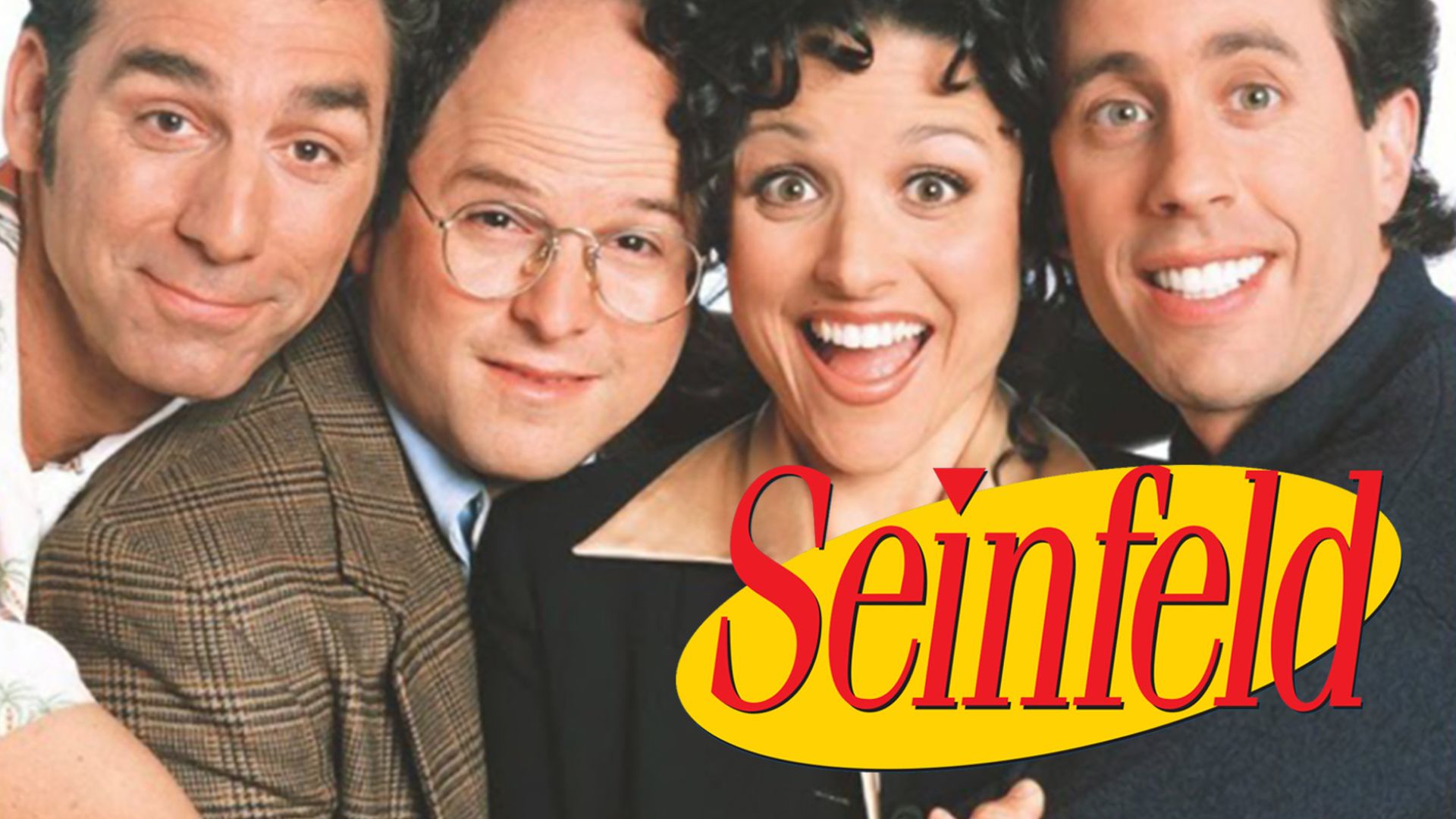
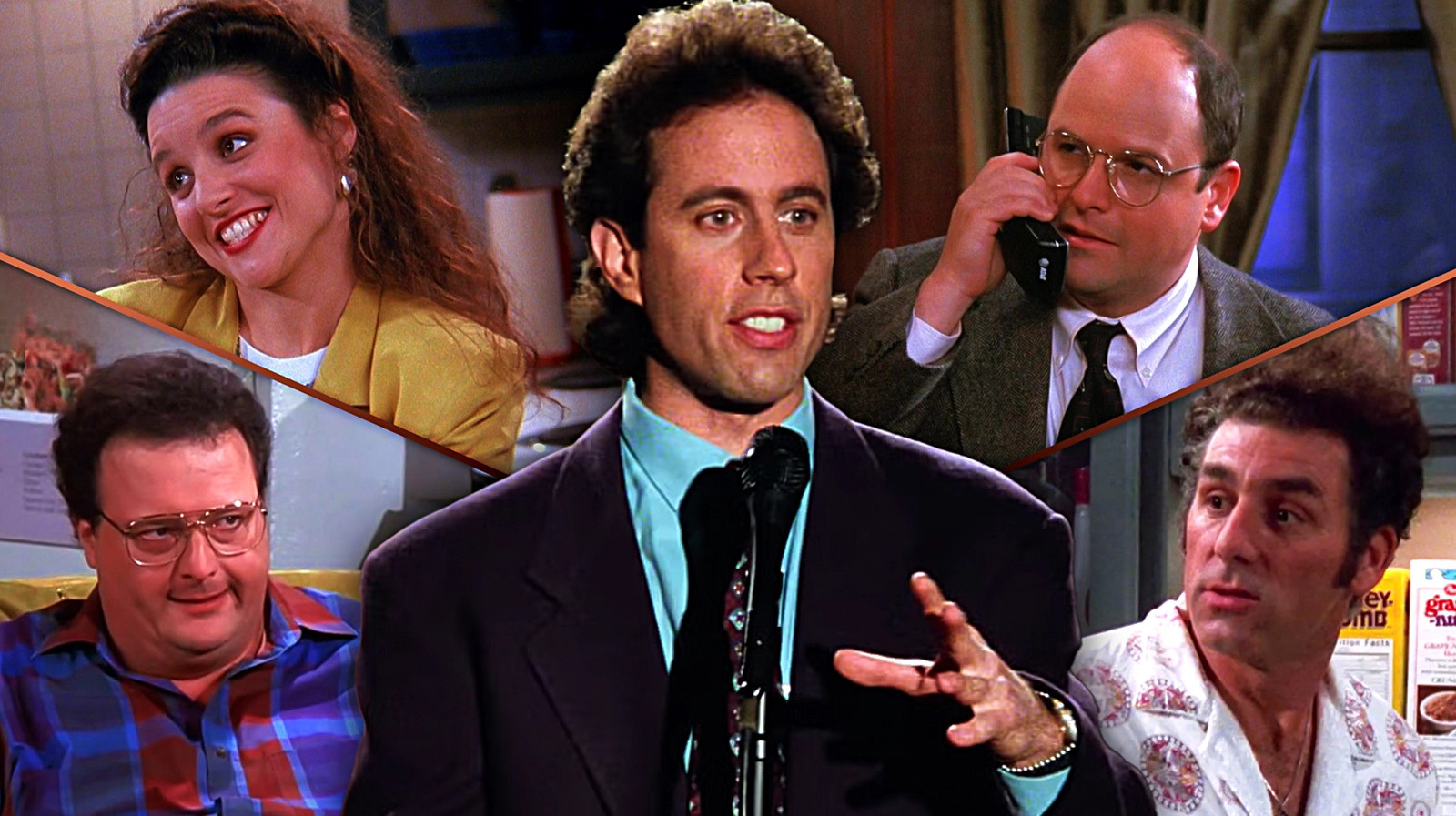
The names of the primary characters in Seinfeld were largely derived from real-life acquaintances, friends, and colleagues of creators Jerry Seinfeld and Larry David. While Jerry Seinfeld used his own name, the names George Costanza, Cosmo Kramer, and Elaine Benes were inspired by Mike Costanza, Kenny Kramer, and Elayne Boosler or Monica Yates, reflecting the show's "semi-autobiographical" nature.
Contents
Even decades after the "show about nothing" ended its legendary run, the nomenclature of its characters remains a point of fascination. In 2026, as the series continues to dominate streaming platforms and serve as a cultural touchstone for new generations, understanding the etymology of these names provides deep insight into the creative process of Larry David and Jerry Seinfeld. The names were never chosen at random; they were anchors to reality that often blurred the lines between the actors’ real lives and their fictional personas.
Jerry Seinfeld: The Blurring of Reality
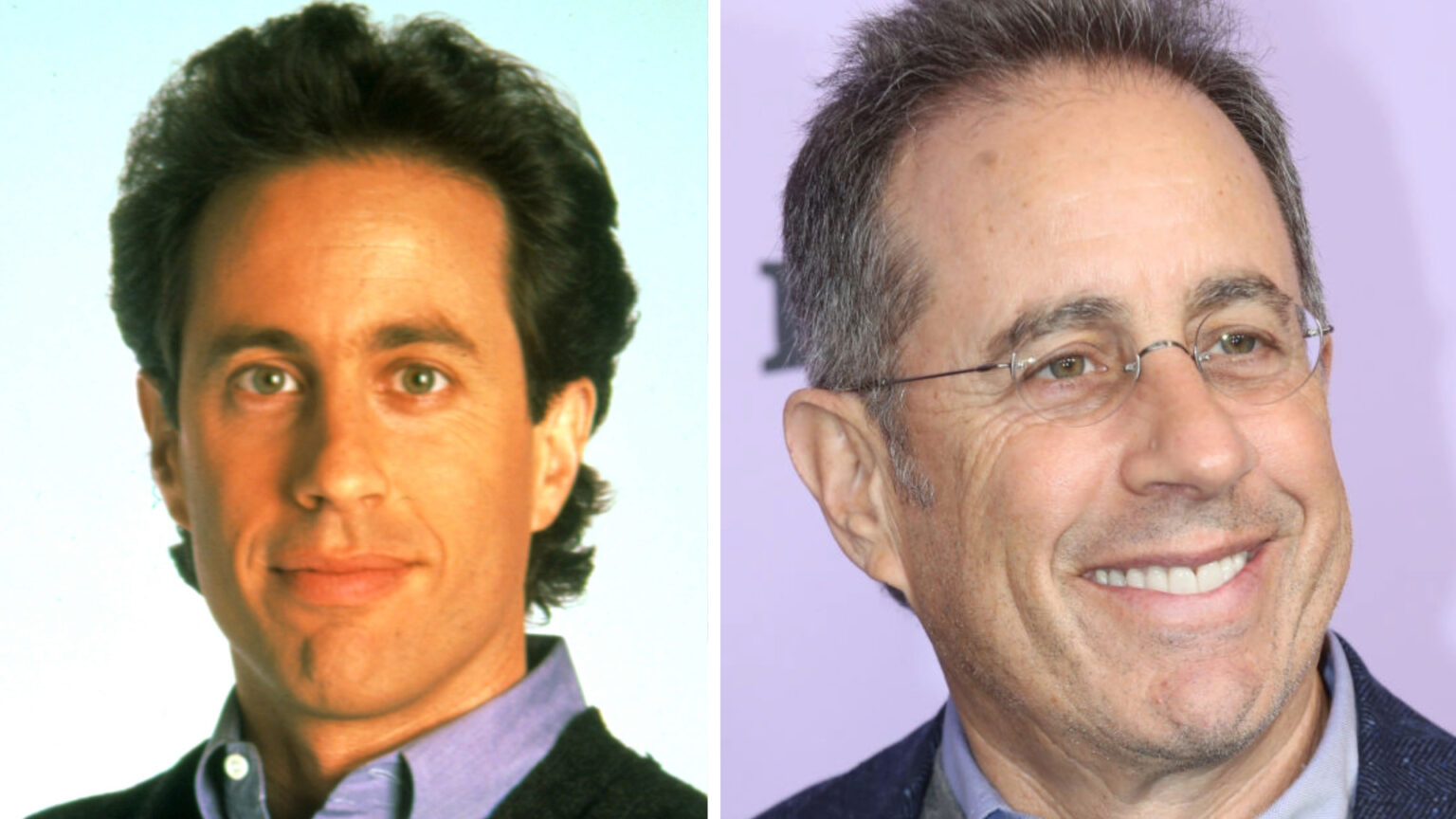
The decision for Jerry Seinfeld to play a character named Jerry Seinfeld was the foundation of the show’s meta-commentary. Unlike most sitcoms of the era, where a famous comedian might play a character with a different name (such as Roseanne Barr playing Roseanne Conner or Bob Newhart playing Dick Loudon), Seinfeld opted for a direct mirror of his professional identity.
The name "Seinfeld" itself is of German and Jewish origin, typically meaning "field of the lake" or "shining field." By using his real name, Jerry allowed the show to incorporate his actual stand-up material and his reputation as a "clean" comedian into the narrative. This transparency forced the audience to constantly wonder where the real Jerry ended and the fictional Jerry began. This naming convention also extended to his parents on the show, Morty and Helen Seinfeld, who shared the first names of Jerry’s real-life parents, though the characters were exaggerated versions of the creators’ collective experiences with suburban retirement culture.
George Costanza: The Man, the Myth, and the Lawsuit
The naming of George Costanza is perhaps the most controversial in the show’s history. The character’s personality is famously a vessel for Larry David’s neuroses and real-life experiences, but the name was borrowed from Mike Costanza, a real-life friend of Jerry Seinfeld from their days at Queens College.
The real Mike Costanza was a New York real estate agent who eventually became the center of a $100 million lawsuit against Seinfeld, Larry David, and NBC. He claimed that the show had misappropriated his likeness and name, causing him emotional distress. The lawsuit alleged that George Costanza shared more than just a name with Mike; it cited similarities in physical appearance (short and stocky) and background (both attended Queens College).
Ultimately, the New York Supreme Court dismissed the suit, ruling that the statute of limitations had passed and that the character of George was a creative work protected by the First Amendment. Despite the legal friction, the name "George" was reportedly chosen because it felt like a classic, slightly old-fashioned name that suited a man who always felt out of step with his own life.
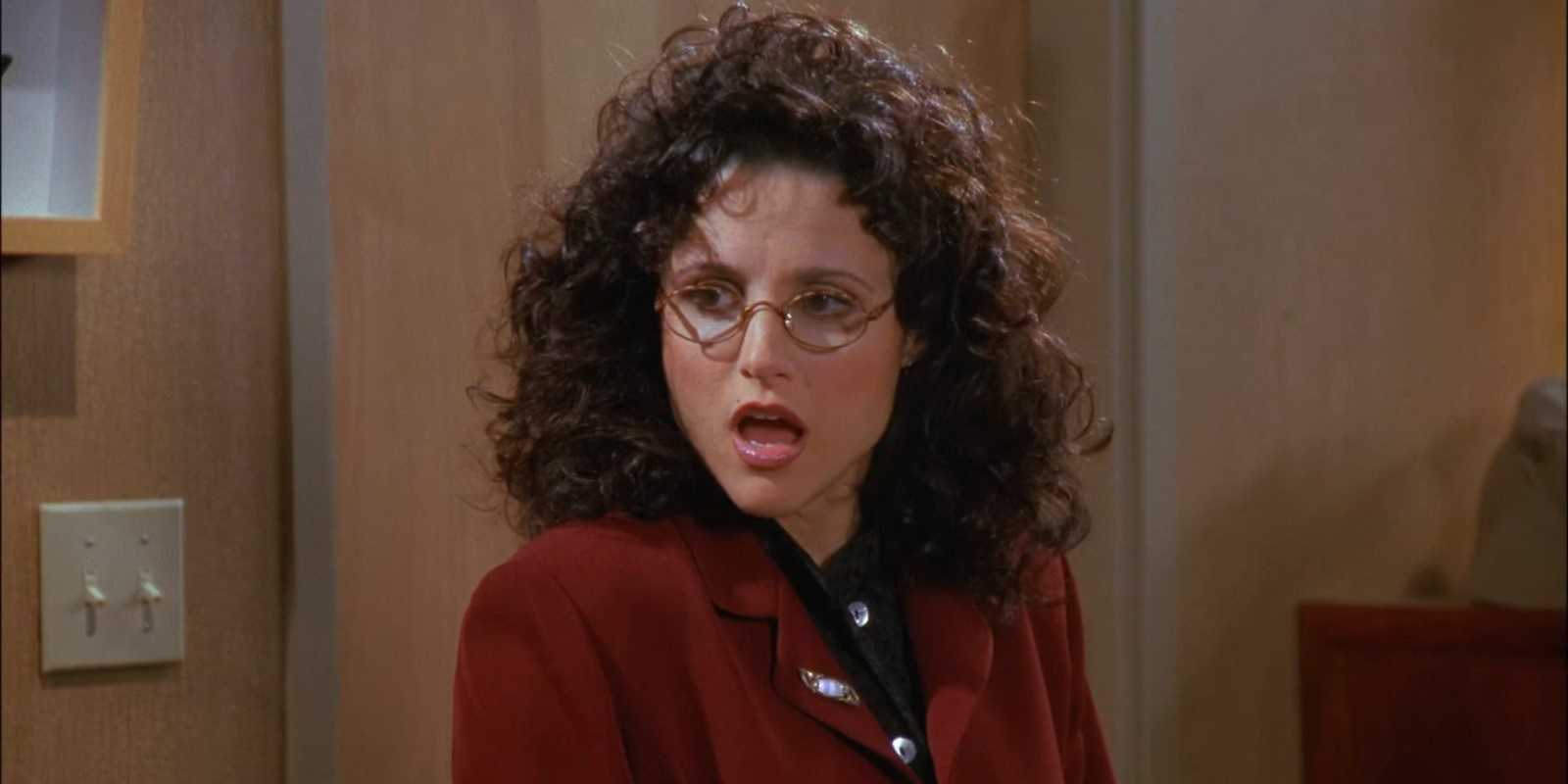
Elaine Benes: The Evolution of a Name
Elaine Benes was not part of the original pilot, The Seinfeld Chronicles. After NBC executives insisted on a female presence to balance the male-centric cast, Larry David and Jerry Seinfeld created Elaine.
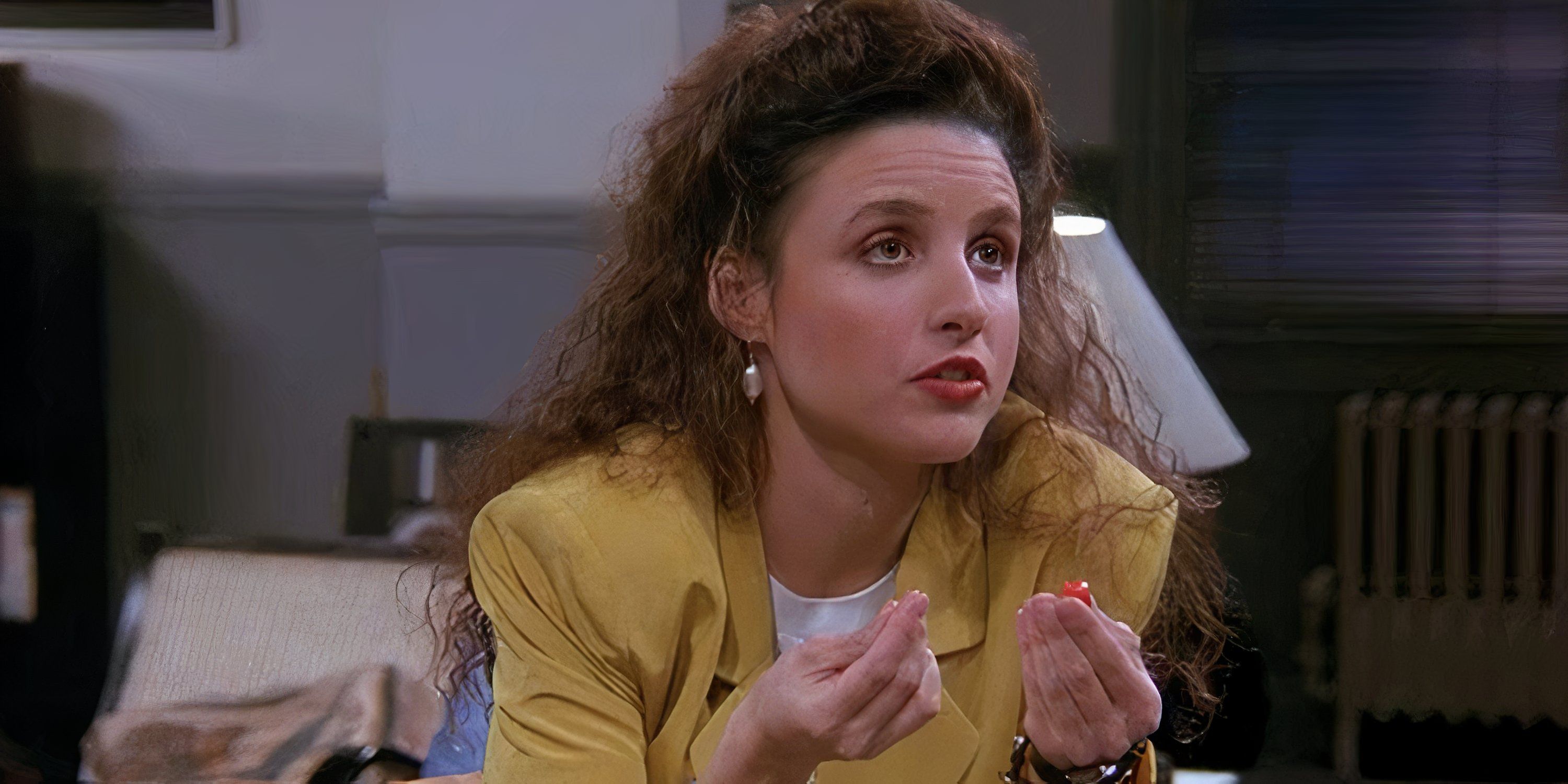
The origin of the name Elaine is often attributed to Elayne Boosler, a fellow comedian and Jerry Seinfeld’s former girlfriend. While the character was not a direct caricature of Boosler, the name served as a nod to Jerry’s real-world history in the New York comedy circuit. Another major influence on the character was Monica Yates, the daughter of author Richard Yates, who dated Larry David.
The surname Benes was chosen for its distinct, non-descript but rhythmic sound. Unlike "Costanza" or "Kramer," which carry specific ethnic or eccentric connotations, "Benes" provided a neutral canvas for Julia Louis-Dreyfus to build one of the most iconic female characters in television history.
Cosmo Kramer: From "Kessler" to Legend
The story of Kramer’s name is the stuff of television legend. The character was based on Larry David’s real-life neighbor, Kenny Kramer. During the production of the pilot, Larry David was hesitant to use the name "Kramer" because he feared the real Kenny Kramer would take advantage of the fame—a fear that proved to be entirely prophetic.
In the pilot episode, the character is actually referred to as Kessler. Jerry Seinfeld eventually convinced Larry to use the name Kramer because it was simply "too funny to pass up." Once the show became a hit, the real Kenny Kramer famously started the "Kramer Reality Tour," a bus tour in New York City where he told stories about his life as the "real" Kramer. This real-life development was so absurd that the show eventually parodied it in Season 8, where Cosmo Kramer starts his own "Peterman Reality Tour."
The first name Cosmo was kept a secret for six seasons. Until the episode "The Switch," he was known only as Kramer. The writers chose "Cosmo" because it sounded appropriately "out of this world" and eccentric, fitting the character’s high-energy, unpredictable nature.
Summary of Major Character Name Origins
| Character | Real-Life Inspiration | Source of Name | Key Detail |
|---|---|---|---|
| Jerry Seinfeld | Jerry Seinfeld | Self | Used his own name to blur fiction and reality. |
| George Costanza | Larry David (Personality) | Mike Costanza (Friend) | Sparked a $100 million unsuccessful lawsuit. |
| Cosmo Kramer | Kenny Kramer (Neighbor) | Kenny Kramer | Character was originally named "Kessler." |
| Elaine Benes | Monica Yates / Elayne Boosler | Elayne Boosler | Added at the request of NBC executives. |
| Newman | Unknown | General archetype | Never given a first name in the series. |
| Art Vandelay | None (Alias) | Creative invention | George's go-to fake name for various schemes. |
The Supporting Cast and the Power of the "Single Name"
One of the unique naming conventions in Seinfeld was the use of single names for antagonistic or peripheral characters. This created a sense of mystery and urban anonymity.
Newman: The Faceless Enemy
The character Newman, played by Wayne Knight, is never given a first name. In the world of Seinfeld, he is simply "Newman." This naming choice enhances his role as Jerry’s arch-nemesis—he isn't a person with a full identity; he is a force of nature, a bureaucratic obstacle from the U.S. Postal Service.
The Soup Nazi (Yev Kassem)
While based on the real-life soup vendor Al Yeganeh, the character’s actual name in the show is eventually revealed as Yev Kassem. However, the moniker "The Soup Nazi" became so powerful that it overshadowed the character's name, much like the real Al Yeganeh’s reputation overshadowed his business name, "Soup Kitchen International."
J. Peterman
The character of Elaine’s boss was based on the real John Peterman, founder of the actual J. Peterman Company. In an unusual move, the show used both the real person’s name and the real company’s name. The real John Peterman eventually leaned into the fame, even hiring actor John O'Hurley (who played him on the show) to sit on the company’s board of directors.
The Art of the Alias: Vandelay and Beyond
In the world of Seinfeld, names were often weapons of deception. George Costanza’s frequent use of the alias Art Vandelay is perhaps the most famous example. The name was concocted in the episode "The Stakeout" when George and Jerry needed a cover story.
George’s obsession with the name "Vandelay" (sometimes claiming to be an importer-exporter, other times an architect) represents his desperate desire for a more sophisticated identity. Other recurring aliases included:
- Kel Varnsen: An alias used by Jerry to assist George in various ruses.
- H.E. Pennypacker: An alias used by Kramer when he pretended to be a "wealthy industrialist" looking to buy a house.
- Dr. Van Nostrand: Kramer’s go-to medical or professional alias, used to infiltrate various offices.
These names were chosen for their rhythmic absurdity. They sounded legitimate enough to fool a casual listener but were just "off" enough to signal to the audience that a scheme was in progress.
Why the Names Still Matter in 2026
As we observe the cultural landscape in 2026, the names from Seinfeld have transitioned from simple labels to "lexical shortcuts." To call someone a "George Costanza" is to immediately identify them as a neurotically dishonest person struggling with social norms. To "Kramer" into a room is a recognized physical verb.
The meticulousness with which Larry David and Jerry Seinfeld named their world allowed the show to feel lived-in. By pulling from their real-life phone books, they ensured that the characters had a weight of reality that purely fictional names (like those found in more traditional, "shiny" sitcoms) often lacked. The legal battles and real-world "Kramer tours" only added to the legend, proving that in the Seinfeld universe, a name was never "just" a name.
Frequently Asked Questions
What is Newman's first name in Seinfeld?
Newman is never given a first name throughout the entire nine-season run of the show. In the episode "The Bottle Deposit," his business card is briefly shown, but it only reads "Newman." This was a deliberate choice by the writers to keep the character mysterious and slightly inhuman in his role as the antagonist.
Was the "Real" Kramer actually like the character?
Yes, Kenny Kramer was the real-life inspiration for Cosmo Kramer. He was Larry David's neighbor and was known for "borrowing" food and coming up with eccentric business schemes. While Michael Richards brought his own physical comedy to the role, the foundational habits—including the "sliding" entrance—were rooted in Kenny Kramer's real-life behavior.
Why was Kramer's name "Kessler" in the pilot?
The name was changed to Kessler for the pilot because Larry David was concerned about the legal and financial implications of using Kenny Kramer’s real name. Once the show was picked up for a full season, Jerry Seinfeld insisted they use the name "Kramer" because it was more impactful. They eventually came to a financial agreement with Kenny Kramer for the use of his likeness.
Is Art Vandelay a real person?
No, Art Vandelay is a completely fictional name invented by George Costanza. The name first appeared in the first season and became a recurring "inside joke" throughout the series. It was George's favorite alias whenever he needed to lie about his profession or identity.
Who was Elaine Benes named after?
The name Elaine was inspired by Elayne Boosler, a comedian who was a close friend and former girlfriend of Jerry Seinfeld. However, the character's personality and experiences were also heavily drawn from Monica Yates, a woman Larry David dated in the 1980s.
Practical Recommendation for Fans
If you are interested in the intersection of reality and fiction in Seinfeld, the best "next step" is to watch the Season 4 story arc involving the pilot for "Jerry." This meta-fictional storyline explains exactly how the creators viewed the process of turning real people (like those in their own lives) into TV characters. Additionally, researching the 1998 lawsuit by Mike Costanza provides a fascinating look at the legal risks of using "real" names in creative fiction.
Image Gallery