NC Civil Summons Lookup: How to Find Court Records and Case Information in North Carolina
Conducting an NC civil summons lookup involves searching official North Carolina judicial records to determine if a lawsuit has been filed against an individual or business, verify case numbers, or track court dates. North Carolina uti...
Conducting an NC civil summons lookup involves searching official North Carolina judicial records to determine if a lawsuit has been filed against an individual or business, verify case numbers, or track court dates. North Carolina utilizes the electronic court system known as Odyssey, managed by the North Carolina Judicial Branch, alongside county-specific clerk of superior court offices to provide public access to civil case filings, summons documents, and associated court calendars.
Contents
Understanding how to navigate North Carolina civil court records requires familiarity with state judiciary portals, county indexing systems, and legal terminology. Whether you are an individual verifying a personal court notification, a business owner checking litigation status, or a legal professional tracking active dockets, knowing where and how to search officially prevents misinformation and ensures compliance with state legal procedures.
Understanding Civil Summons and Court Records in North Carolina
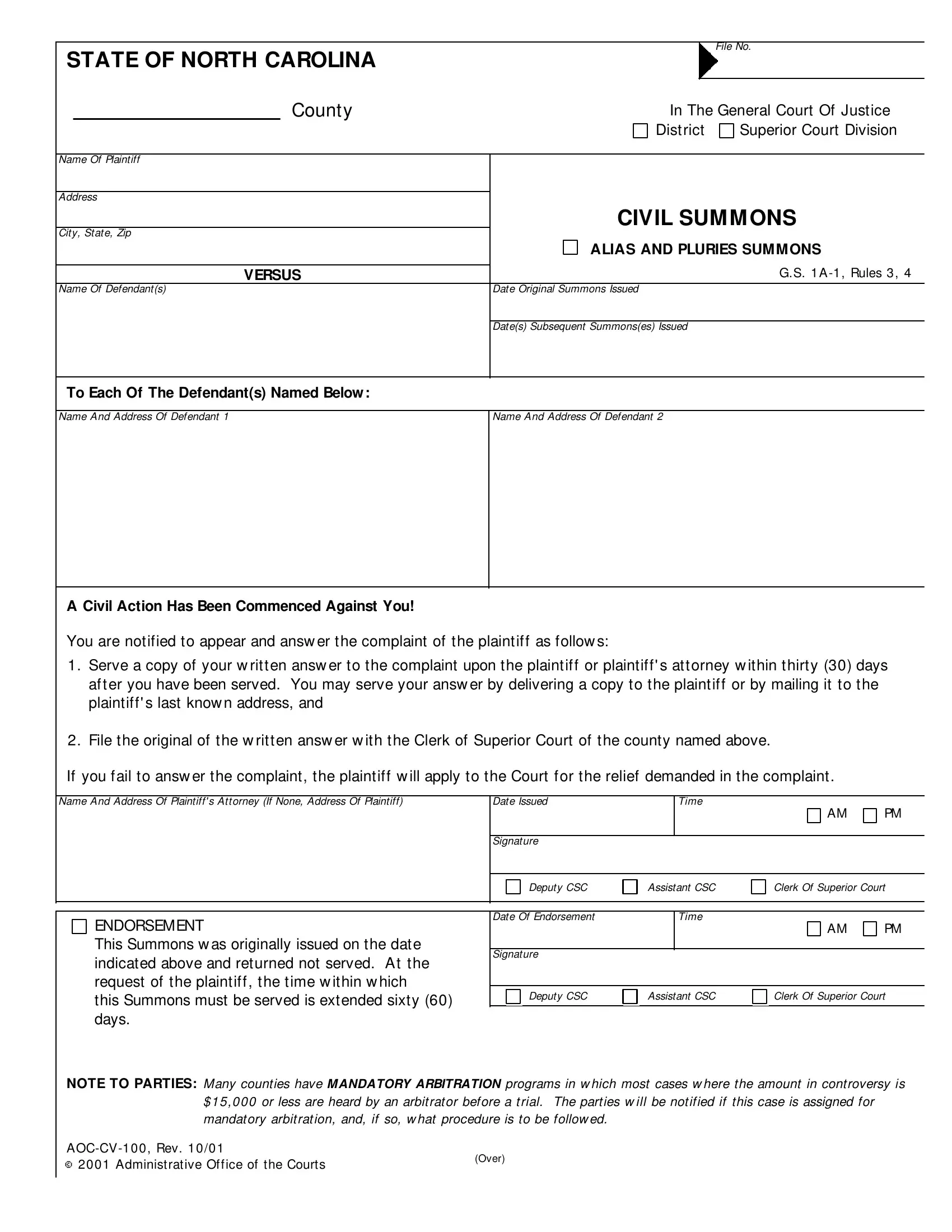
A civil summons is an official court document issued by the clerk of superior court that notifies a defendant that a legal action has been filed against them and commands them to appear or respond within a specified legal timeframe, typically 30 days in North Carolina. When people search for an NC civil summons lookup, they are usually trying to find whether a summons has been served, what claims are being made in the accompanying complaint, and who the parties involved are.
Public access to these documents is governed by North Carolina public records laws, meaning most civil case files, summonses, and judgments are open for public inspection. However, access methods vary between online statewide portals, public terminals located inside county courthouses, and direct requests submitted to the local Clerk of Superior Court.
Types of Civil Actions Involving Summons
- District Court Civil Cases: Involve disputes where the amount in controversy is generally $25,000 or less, including certain contract disputes, landlord-tenant evictions, and personal injury claims.
- Superior Court Civil Cases: Involve civil claims exceeding $25,000, complex corporate litigation, injunctions, and major property disputes.
- Special Proceedings: Cover matters handled by the clerk, such as foreclosures, adoptions, estate partitions, and name changes, which also utilize formal notice and summons procedures.
Step-by-Step Guide to Performing an NC Civil Summons Lookup Online
The North Carolina Judicial Branch provides digital access to court records through the state's online portal systems. While older legacy systems required checking individual county websites, the transition to the unified Odyssey case management system has centralized much of this data.
Method 1: Using the Official North Carolina Court System Portal
- Navigate to the Official Portal: Access the official North Carolina Judicial Branch website (nccourts.gov) and locate the online services or court records search section.
- Select the Appropriate Search Criteria: Choose the civil case search option. You can search by party name (individual or business), attorney name, or specific case number if known.
- Apply Geographic Filters: Because North Carolina has 100 counties, specifying the correct county is crucial to narrowing down common names and locating the correct docket.
- Review Case Summaries: Examine the search results list, which typically displays the case number, file date, presiding county, party names, and case status.
- Access Document Details: Click on the specific case number to view the register of actions, which details every filing entered into the docket, including the issuance and return of the civil summons.
Method 2: County-Level In-Person and Terminal Searches
If an online search yields limited results or if specific physical documents are sealed or unavailable digitally, county courthouses offer direct access options. Every North Carolina county seat houses a Clerk of Superior Court office equipped with public computer terminals that provide deeper access to local court databases than what is exposed on the public internet portal.
Courthouse Access Tips: When visiting a North Carolina county courthouse for a record lookup, bring exact case numbers if possible. If searching by name, be prepared with full legal names, middle initials, and known previous addresses to distinguish between individuals with identical names. Note that public terminals are subject to operating hours of the local county administration building.
Comparative Overview of North Carolina Court Lookup Methods
| Lookup Method | Primary Use Case | Accessibility | Cost | Data Freshness |
|---|---|---|---|---|
| Statewide Online Portal | Initial name or case number search across participating counties | 24/7 via internet browser | Free for basic search | Real-time / Daily sync |
| County Public Terminals | Deep docket inspection and viewing non-restricted file attachments | In-person at Clerk of Superior Court | Free terminal use (print fees apply) | Immediate / Live database |
| Clerk of Superior Court Office | Certified copies of summonses, complaints, and judgments | In-person or mail request | Per-page copy fees and certification fees | Official certified record |
| Third-Party Background Sites | Broad preliminary screening (Caution: often inaccurate or delayed) | Commercial websites | Varies (subscription/per report) | Highly variable, often outdated |
Common Challenges and Troubleshooting in Civil Summons Searches
Searching for court records can sometimes present obstacles due to common data entry variations, privacy protections, or system limitations. Knowing how to resolve these hurdles ensures a more accurate search outcome.
- Common Names and False Positives: Searching for common surnames can return hundreds of results. Narrow your search by using middle names, birth years if available, or filtering strictly by the county where the individual or business operates.
- Sealed and Confidential Cases: Certain civil matters, such as juvenile cases, involuntary commitments, or cases involving protective orders, are restricted by law and will not appear on public lookup portals.
- Unserved Summonses: If a civil complaint has been filed but the summons has not yet been served upon the defendant, the case may appear in the index, but proof of service documentation will be absent until the process server or sheriff files the return of service.
- System Maintenance Downtime: State judicial technology portals undergo periodic scheduled maintenance, usually during weekends or late evening hours, which may temporarily restrict online lookups.
Frequently Asked Questions About NC Civil Summons Lookups
How can I find out if a civil summons has been issued against me in North Carolina?
You can search the online North Carolina court records portal using your full legal name and county of residence, or you can contact the Clerk of Superior Court in your county directly. If a summons has been issued, it will appear under your name as a defendant in the civil docket index.
Are North Carolina civil court records and summonses free to view online?
Basic case lookups and docket searches on the official North Carolina Judicial Branch website are free of charge. However, obtaining certified copies of physical documents, such as the actual summons or complaint, typically requires paying statutory copying fees through the clerk's office.
What should I do if I find an active civil summons listed under my name?
If you discover an active summons, review the case details immediately to identify the court, case number, and deadline to file a written answer. It is strongly recommended to consult a licensed North Carolina attorney to understand your legal rights, defense options, and required response timeline.
Why is a civil case showing up in my county search, but I cannot view the summons document?
Some documents may require physical inspection at the courthouse due to privacy regulations, local court policies, or because the specific document has not been digitized for web viewing. You can request access by visiting the local Clerk of Superior Court office where the case was filed.
Can third-party background check websites be relied upon for an NC civil summons lookup?
Third-party websites often aggregate data with significant delays and frequent errors. For legal verification, compliance checks, or court-admissible proof, always rely on the official North Carolina Judicial Branch portal or records obtained directly from the county Clerk of Superior Court.
Conclusion and Official Next Steps
Performing an accurate NC civil summons lookup requires utilizing official state judicial resources, understanding county-level filing structures, and verifying details directly through the Clerk of Superior Court when necessary. Relying on verified platforms ensures you obtain precise, up-to-date legal information without falling victim to inaccurate third-party aggregators. For official searches, current fee schedules, and direct access to active dockets, visit the North Carolina Judicial Branch Official Website or contact your local county courthouse directly.
Image Gallery