Best Seats in the House: Analyzing the First Mezzanine View at Radio City Music Hall (2026 Guide)
The First Mezzanine at Radio City Music Hall offers arguably the premier viewing experience in the entire 5,900-seat venue, providing a perfect balance of proximity and elevation. Positioned directly above the Orchestra, these seats of...
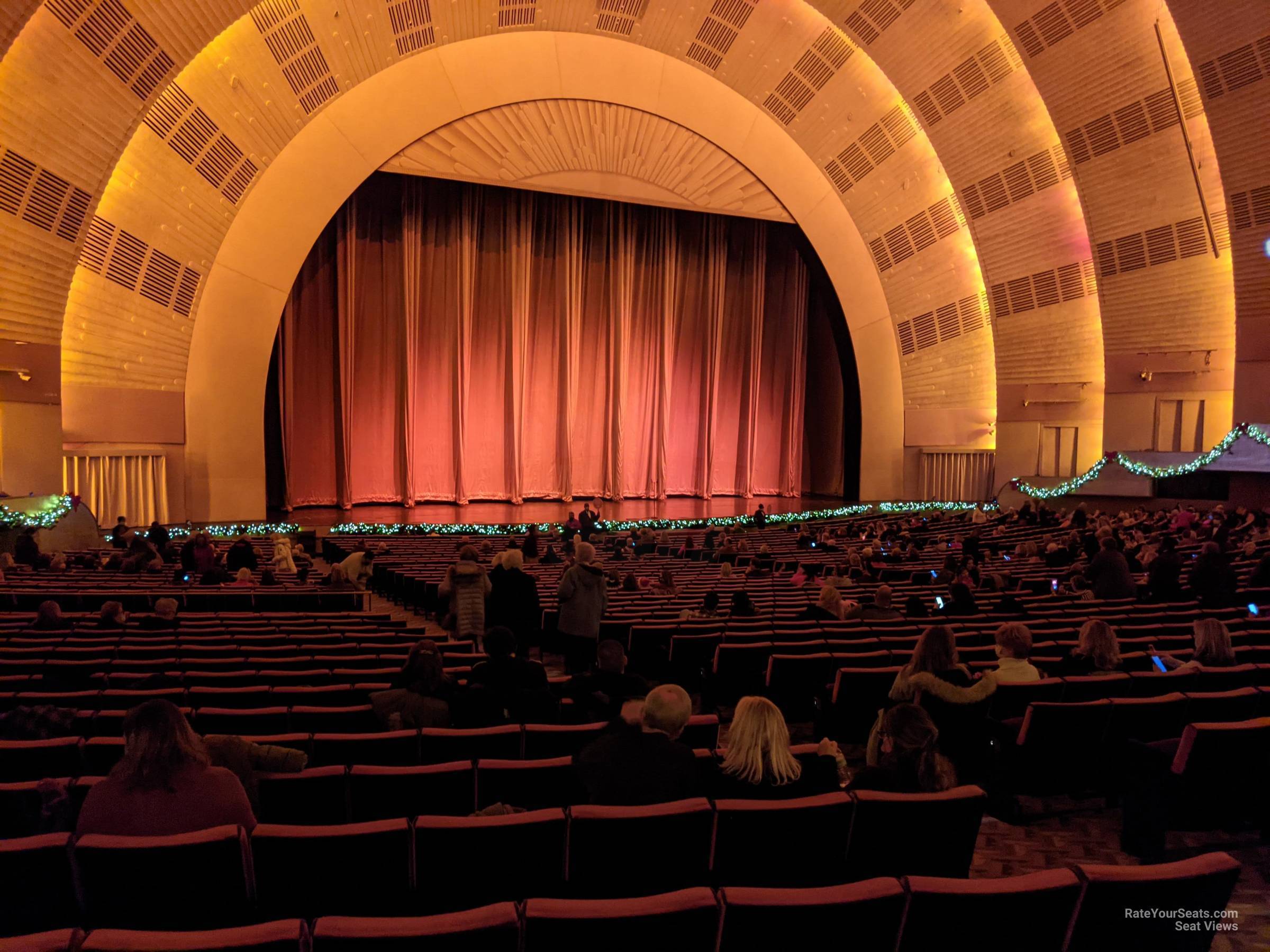
The First Mezzanine at Radio City Music Hall offers arguably the premier viewing experience in the entire 5,900-seat venue, providing a perfect balance of proximity and elevation. Positioned directly above the Orchestra, these seats offer an unobstructed, panoramic view of the Great Stage, making them the most sought-after location for precision-based performances like the Christmas Spectacular Starring the Radio City Rockettes.
Contents
Radio City Music Hall, located at 1260 Avenue of the Americas in New York City, is an architectural masterpiece of the Art Deco era. While every level of the theater has its merits, the "First Mezz" is consistently rated as the gold standard for sightlines. As we move through the 2026 performance season, understanding the specific nuances of this seating tier—from row depth to side-angle deviations—is essential for any patron looking to maximize their ticket value.
The Technical Layout: Why the First Mezzanine Excels
The architectural design of Radio City Music Hall, led by Edward Durell Stone and interior designer Donald Deskey, utilized a "canti-levered" system for its three mezzanines. This means there are no pillars or columns obstructing the view from any seat in the house. However, the First Mezzanine is unique because of its specific height and distance from the stage.
The First Mezzanine overhangs the Orchestra level at approximately Row L. This positioning is critical because it places the audience high enough to see the floor patterns of the dancers but close enough to discern facial expressions and intricate costume details. In a venue as massive as Radio City, being too far back (such as the Third Mezzanine) can make performers look like miniatures, while being too far forward in the Orchestra can result in "missing the forest for the trees," especially during large-scale production numbers.
Distance and Elevation Metrics
In 2026, the venue continues to maintain its strict seating configurations. The First Mezzanine consists of several sections, typically labeled 1 through 7 from left to right.
- Elevation: The First Mezzanine sits roughly 25 to 30 feet above the Orchestra floor.
- Sightline Angle: The downward angle to the stage is approximately 15 to 20 degrees, which is considered the ergonomic "sweet spot" for theater viewing.
- Depth: The section contains 12 rows, labeled A through L. Row A is the most coveted, as it has no heads in front of you, though it does feature a protective brass railing that may slightly intersect the lower view for shorter patrons or children.
Comparing the View: First Mezzanine vs. Other Tiers
When booking tickets for the 2026 season, many patrons weigh the cost-benefit ratio of the First Mezzanine against the Orchestra or the upper mezzanines. The following table provides a technical comparison of the viewing experience across the house.
| Seating Tier | Sightline Quality | Immersion Level | Best For... | 2026 Value Rating |
|---|---|---|---|---|
| Orchestra (Rows A-M) | Excellent (Head-on) | Maximum (Physical) | Intimate Concerts | High (Premium Price) |
| Orchestra (Rows N-ZZ) | Good (Under Overhang) | Moderate | Standard Theater | Medium |
| First Mezzanine | Superior (Panoramic) | High (Visual) | Rockettes / Large Musicals | Elite / Best Overall |
| Second Mezzanine | Fair (Steep) | Low | Budget-conscious views | Moderate |
| Third Mezzanine | Poor (Bird's Eye) | Minimal | Audio-focused events | Low |
Strategic Booking Insight for 2026
The "Center Section" Rule When looking at the First Mezzanine, sections 3, 4, and 5 are the "Center Mezzanine." These seats provide a perfectly symmetrical view of the stage. For shows involving 3D projections or complex LED backdrops—technologies that have been significantly upgraded for the 2026 season—staying within these center sections is paramount to experience the intended visual depth.
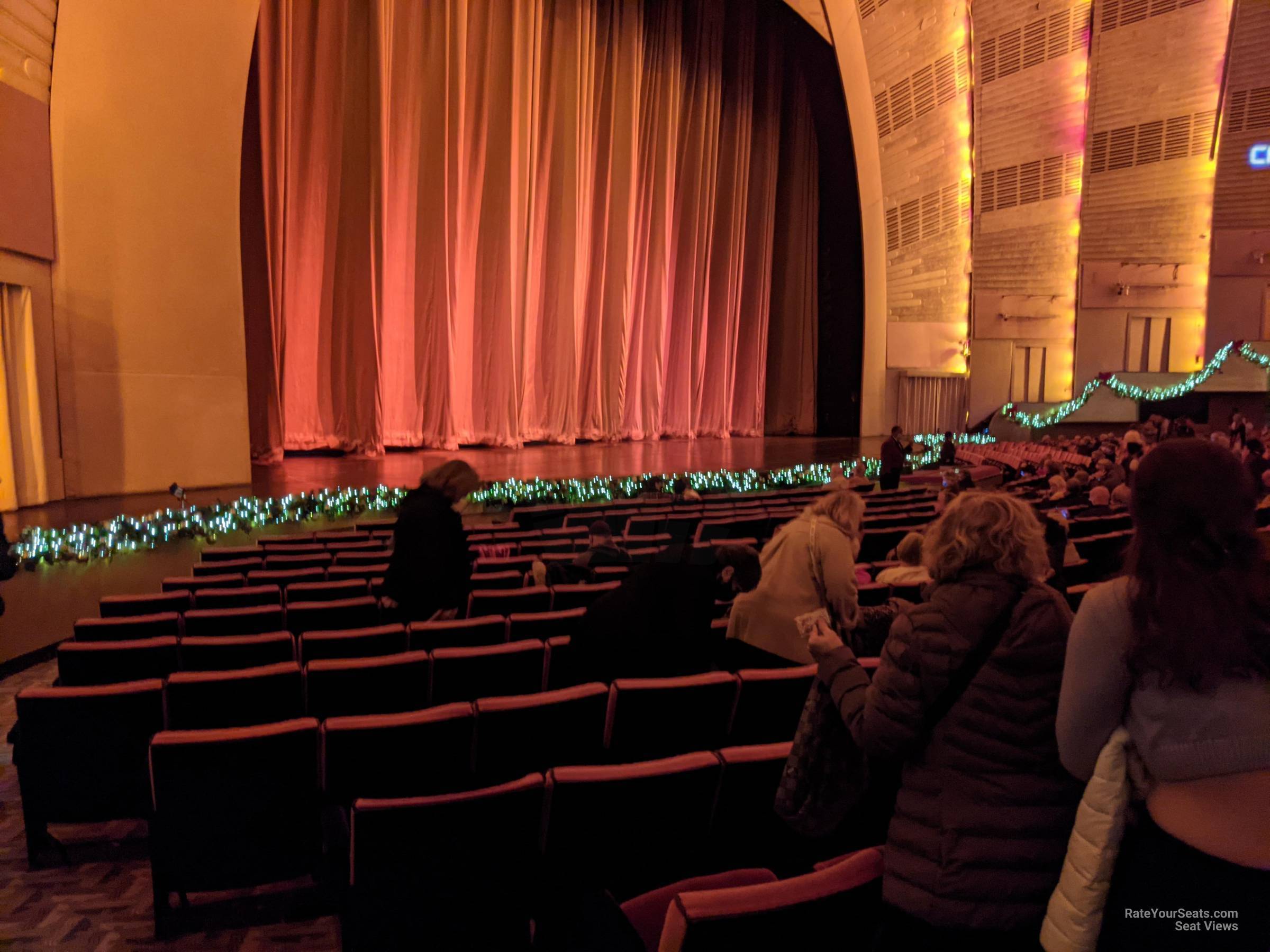
Side Mezzanine Nuances Sections 1, 2, 6, and 7 are considered "Side Mezzanine." While there are no "obstructed" views at Radio City, these sections offer an angled perspective. The further you move toward the edges (Section 1 or 7), the more you will lose the "depth" of the stage's right or left wings. However, these are often priced 15-20% lower than center seats.
The First Mezzanine Experience: Row-by-Row Breakdown
The Allure of Row A
Row A of the First Mezzanine is often sold at a "Premium" or "Gold" tier. The primary advantage is the lack of any audience members in front of you, providing a clean line of sight to the Great Stage. However, a common technical complaint involves the safety railing. In 2026, the venue continues to utilize its classic brass and velvet railings. If you are under 5'4" (162 cm), the top bar of the railing may sit directly in your eye line when looking at the front of the stage. For families with children, Row B or C is often a better technical choice to ensure the railing is well below the child's field of vision.
The Sweet Spot: Rows D through H
Many frequent visitors and critics argue that the middle rows of the First Mezzanine (D, E, F, G, and H) are actually superior to Row A. By moving back just a few feet, the viewer gains a more comprehensive perspective of the venue's iconic "sunburst" proscenium arches. Radio City is not just about the stage; the architecture of the ceiling and walls is part of the show. These middle rows allow you to take in the immersive lighting effects that span the entire room.
Rows J through L (The Back of the First Mezz)
The final rows of the First Mezzanine are still excellent, but you begin to feel the presence of the Second Mezzanine overhang above you. While it does not cut off the stage, it can slightly diminish the "open air" feeling of the grand auditorium. These seats remain superior to almost any seat in the back half of the Orchestra.
Why the First Mezzanine is Essential for the Christmas Spectacular
The Radio City Rockettes are famous for their precision dance routines, such as the "Parade of the Wooden Soldiers." These routines rely on perfect geometric alignments—straight lines, circles, and diagonals.
- Orchestra View: From the Orchestra, you see the front line of dancers, but the lines behind them are often obscured. You feel the energy, but you miss the geometry.
- First Mezzanine View: From this elevation, you see every single dancer simultaneously. You can appreciate the flawless synchronization of their legs and the complex patterns they form on the stage floor. In 2026, with the integration of enhanced drone lighting and floor-based digital projections, the First Mezzanine view is the only way to see 100% of the creative director's vision.
Logistics and Accessibility in 2026
Radio City Music Hall is a historic landmark, which presents certain logistical challenges. However, accessibility has been a major focus of recent venue upgrades.
- Elevator Access: The First Mezzanine is accessible via the grand elevators located on the left side of the lobby. In 2026, wait times for elevators during peak holiday shows can reach 15 minutes, so arriving early is mandatory.
- Staircases: The grand staircases are an architectural marvel but consist of approximately 50-60 steps to reach the First Mezzanine level.
- ADA Seating: There are designated ADA-compliant seats in the First Mezzanine, typically located at the back of the section (Row L). These provide a flat surface for wheelchairs and companion seating.
- Amenities: The First Mezzanine has its own dedicated restrooms and concession stands (The Grand Lounge is located below the Orchestra, but smaller satellite bars serve the Mezzanine levels). This level is generally less crowded than the main lobby during intermission.
Pros and Cons of First Mezzanine Seating
Pros
- Perfect Elevation: High enough to see floor formations, low enough to see faces.
- No Obstructions: The cantilevered design ensures no pillars or poles.
- Acoustic Excellence: The sound in the First Mezzanine is often more balanced than the Orchestra, where the bass can sometimes be overwhelming near the pit.
- Immersive Perspective: Best view of the Art Deco ceiling and proscenium arches.
Cons
- Premium Pricing: Usually the most expensive seats outside of the front Orchestra.
- Railing Issues: Row A may have sightline interference for shorter guests.
- Distance: For those who want to feel "part of the action" or be close to the musicians in the pit, the Mezzanine can feel slightly detached.
Expert Tips for Booking Your 2026 Tickets
As a senior strategist in venue logistics, I recommend the following "insider" approach to securing the best view:
- The "Section 4" Strategy: Always aim for Section 4, which is dead center. If Section 4 is sold out, prioritize the aisle seats of Section 3 (the right side of the section) or Section 5 (the left side of the section). These "inner aisle" seats provide a near-center view for a lower price point.
- Avoid the "Extreme Ends": In Section 1 and Section 7, avoid the seats numbered higher than 20 or lower than 80 (depending on the side). These "wall seats" can feel cramped and you lose the perspective of the opposite side of the stage.
- Timing Your Purchase: For the 2026 season, tickets for the First Mezzanine typically sell out 3-4 months in advance for weekend holiday shows. Mid-week matinees offer the best chance of finding Row B-D center seats at standard rates.
Frequently Asked Questions (FAQ)
Is the First Mezzanine better than the Orchestra at Radio City?
For most large productions, yes, the First Mezzanine is superior because it provides a complete view of the stage floor and choreography. While the Orchestra is more intimate, the First Mezzanine offers the iconic "big picture" view that Radio City was designed for.
Does the First Mezzanine have an obstructed view?
No, there are no structural obstructions like poles or pillars in the First Mezzanine. The only potential "obstruction" is the safety railing in Row A, which may sit in the eye line of shorter patrons.
How many rows are in the First Mezzanine?
The First Mezzanine consists of 12 rows, labeled A through L. This makes it a relatively shallow section, ensuring that even the "back" row (Row L) feels close to the stage.
Are the side seats in the First Mezzanine worth it?
Side seats (Sections 1, 2, 6, and 7) are worth it if you are looking to save money while still maintaining the preferred elevation of the mezzanine. However, try to stay as close to the center aisles as possible to avoid losing the "depth" of the stage.
Can you see the orchestra pit from the First Mezzanine?
Yes, the First Mezzanine provides an excellent view of the "Mighty Wurlitzer" organ consoles and the orchestra pit as it rises and lowers during the performance.
Is there an elevator to the First Mezzanine?
Yes, there are elevators located in the main lobby that service the First, Second, and Third Mezzanines. It is recommended to use them if you have mobility issues, as the staircases are quite long.
Final Recommendation for 2026 Visitors
If you are visiting Radio City Music Hall in 2026 for a once-in-a-lifetime event like the Christmas Spectacular, prioritize seats in the First Mezzanine, Rows B through F, Sections 3, 4, or 5. This "Golden Circle" of seating offers the most technically perfect viewing experience in American theater. You will experience the full scale of the 144-foot wide stage, the precision of the dancers, and the breathtaking Art Deco architecture in a way that no other seat in the house can replicate.
For those interested in official ticket releases and authorized seating charts, always consult the official MSG Entertainment portal or Ticketmaster to ensure you are viewing real-time availability and avoiding inflated secondary market prices.
Image Gallery