The Definitive Guide to Ironbound Portuguese Restaurants: A 2026 Culinary Roadmap
In 2026, the Ironbound district of Newark, New Jersey, remains the undisputed capital of Portuguese cuisine in the United States. Centered around Ferry Street, these restaurants offer an authentic experience ranging from charcoal-grill...
In 2026, the Ironbound district of Newark, New Jersey, remains the undisputed capital of Portuguese cuisine in the United States. Centered around Ferry Street, these restaurants offer an authentic experience ranging from charcoal-grilled churrasco to sophisticated seafood preparations like Bacalhau. Visitors can expect generous portions, a deep selection of Dão and Douro wines, and a vibrant cultural atmosphere just minutes from Newark Penn Station.
Contents
The Ironbound is more than just a neighborhood; it is a sensory experience defined by the aroma of wood-fired grills and the rhythmic sounds of the Portuguese language. For decades, this four-square-mile enclave has preserved the culinary traditions of the Iberian Peninsula, evolving into a world-class dining destination. Whether you are looking for a high-end white-tablecloth experience or a casual takeout spot where the chicken is charred to perfection, the Portuguese restaurants of the Ironbound provide a level of authenticity that is difficult to replicate outside of Lisbon or Porto.
The Cultural Heritage of Newark’s Ironbound District
To understand the food of the Ironbound, one must understand the history of the "Down Neck" neighborhood. The area earned its name from the network of railroads and industrial forges that once hemmed it in. While originally settled by German and Irish immigrants, the mid-20th century saw a massive influx of Portuguese and Spanish families, particularly in the 1960s and 70s. These immigrants brought with them a maritime culture and a rustic, agrarian approach to cooking that prioritized fresh ingredients and communal dining.
In 2026, even as the neighborhood undergoes modern revitalization and attracts a new generation of urban residents, the Portuguese identity remains its backbone. The restaurants act as community hubs where multi-generational families gather for Sunday lunch, and where business deals are brokered over plates of Amêijoas à Bulhão Pato (clams in garlic sauce). The resilience of these establishments is a testament to the quality of the cuisine and the deep-rooted hospitality of the Luso-American community.
Defining the Portuguese Dining Experience
Portuguese cuisine in the Ironbound is characterized by three main pillars: seafood, charcoal grilling, and wine. Unlike some Mediterranean cuisines that rely heavily on complex sauces, Portuguese cooking often emphasizes the natural flavor of the protein, enhanced by olive oil, garlic, bay leaves, and paprika.
The Legend of Bacalhau
It is often said that there are 365 ways to cook Bacalhau (salt cod)—one for every day of the year. In the Ironbound, you will find the most iconic versions. Bacalhau à Brás (shredded cod with onions, thin-fried potatoes, and eggs) and Bacalhau à Lagareiro (roasted cod with plenty of olive oil and "punched" potatoes) are staples on almost every menu. The process of rehydrating the salt cod over several days ensures a unique texture and a concentrated flavor that defines the Portuguese palate.
Churrasqueiras: The Soul of the Neighborhood
A "Churrasqueira" is a dedicated grill house, and in the Ironbound, these are the engines of the local food economy. The technique involves butterflying whole chickens or skewering large chunks of beef (Espetada) and roasting them over natural wood charcoal. The result is a smoky, juicy meat usually served with "chips" (round-cut fries) and yellow rice. This is the ultimate comfort food for locals and a must-try for any first-time visitor.
Marisqueiras: The Seafood Temples
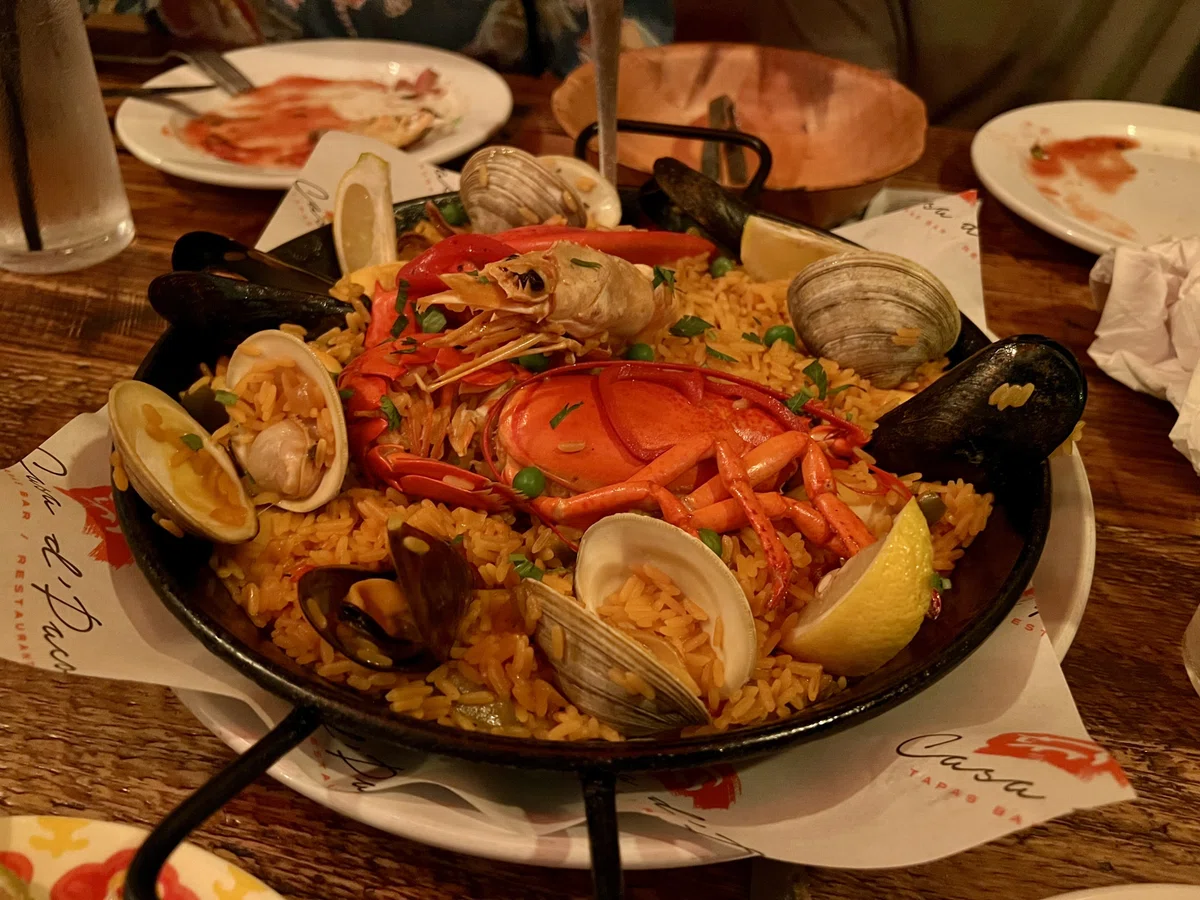
Because of Portugal’s extensive coastline, seafood is treated with reverence. Ironbound Marisqueiras (seafood-focused restaurants) often feature live tanks and displays of fresh fish on ice. Signature dishes include Mariscada, a sprawling seafood stew in a tomato or garlic base, and Arroz de Marisco, a wet rice dish packed with shrimp, clams, mussels, and lobster.
Top-Rated Ironbound Portuguese Restaurants in 2026
While there are dozens of establishments to choose from, a few have stood the test of time, maintaining rigorous standards for quality and service.
Seabra's Marisqueira
Located on Madison Street, Seabra's is often cited by culinary critics as the most authentic seafood destination in the neighborhood. It evokes the feeling of a traditional Lisbon fish house. The menu is seasonal, depending on what is fresh, but the grilled sardines and the various octopus (Polvo) preparations are consistently excellent. It is a no-frills, high-quality environment where the focus remains entirely on the ingredients.
Adega Grill
For those seeking a more upscale or romantic atmosphere, Adega Grill on Ferry Street is a premier choice. The interior features warm wood, wrought iron, and a sophisticated wine cellar. While they serve excellent steaks, their Portuguese specialties, such as the Parrilhada (a mixed seafood grill for two), are the highlights. Adega represents the "modern" Ironbound, blending traditional flavors with a contemporary dining aesthetic.
Sol-Mar Casa de Peixe
Sol-Mar is a landmark that caters to both casual diners in its bar area and formal diners in its expansive dining room. They are particularly famous for their shellfish. In 2026, Sol-Mar continues to be a favorite for large groups due to its extensive menu and consistent execution. Their Caldeirada (fish stew) is a masterclass in balancing the delicate flavors of different white fish with robust Iberian spices.
Ferry Street BBQ
If you are looking for the quintessential churrasco experience, Ferry Street BBQ is the gold standard. It is often crowded, echoing with the sound of cleavers hitting cutting boards, but the wait is worth it. Their barbecue chicken is legendary—crispy skin, tender meat, and a hint of char that can only come from a high-heat charcoal pit. It is also one of the best values in the area for those looking for large portions at a reasonable price.
Comparison of Iconic Ironbound Dining Destinations
| Restaurant | Primary Style | Atmosphere | Signature Dish | Price Range |
|---|---|---|---|---|
| Seabra's Marisqueira | Seafood / Market | Traditional / Bustling | Grilled Octopus (Polvo) | $$$ |
| Adega Grill | Upscale Portuguese | Romantic / Elegant | Seafood Parrilhada | $$$$ |
| Ferry Street BBQ | Churrasqueira | Casual / Quick Service | BBQ Chicken (Frango) | $$ |
| Sol-Mar | Seafood / Traditional | Family-Friendly | Mariscada in Garlic Sauce | $$$ |
| Mompou | Tapas / Wine Bar | Trendy / Social | Gambas al Ajillo | $$$ |
Logistics and Dining Tips for 2026
Visiting the Ironbound requires a bit of planning, specifically regarding transportation and timing.
- Parking Challenges: Street parking on Ferry Street is notoriously difficult. While there are several paid lots (notably near the intersection of Ferry and Prospect Streets), they can fill up quickly on weekends. It is highly recommended to use rideshare services or public transit.
- Public Transit: The Ironbound is a 5-to-10-minute walk from Newark Penn Station, which is serviced by NJ Transit, PATH, and Amtrak. This makes it an easy trip from Manhattan, Jersey City, or suburban New Jersey.
- Reservations: For "sit-down" restaurants like Adega or Sol-Mar, reservations are essential on Friday and Saturday nights. However, many churrasqueiras operate on a first-come, first-served basis.
- Portion Sizes: Portuguese restaurants are famous for their "doses" (portions). A "full dose" is often enough to feed two people, while a "half dose" (meia dose) is typically a generous single serving. Don't be afraid to ask your server about the size of the plates.
Beyond the Entrée: Desserts and Wine
No meal in the Ironbound is complete without exploring the beverage and dessert menus. Portugal is world-renowned for its wine, and Ironbound cellars are deep.
- Vinho Verde: This "green" (young) wine is slightly effervescent and low in alcohol, making it the perfect pairing for heavy seafood or fried appetizers.
- Port and Madeira: Many restaurants offer an impressive selection of fortified wines to end the meal. A 10-year or 20-year Tawny Port is a standard offering.
- Pastéis de Nata: While many restaurants serve these custard tarts, a visit to a local "Pastelaria" (like Teixeira’s Bakery) is recommended. These tarts feature a flaky, laminated crust and a creamy egg custard center, often scorched on top for a caramelized flavor.
- The Coffee Culture: Ending a meal with a "Bica" (a strong, smooth espresso) is a non-negotiable part of the Portuguese experience. It is usually served with a small piece of lemon peel or a cinnamon stick.
Frequently Asked Questions
What is the difference between Portuguese and Spanish food in the Ironbound?
While both share some ingredients like garlic, olive oil, and paprika, Portuguese food is more focused on Atlantic seafood and Atlantic-style charcoal grilling. Spanish cuisine in the area (like the famous Fornos of Spain) often focuses on Paella and Tapas. Many restaurants in the Ironbound are "Iberian," meaning they serve a mix of both, but the Portuguese influence is generally more dominant in the preparation of fish and cod.
Is the Ironbound safe for tourists at night?
Yes, the main corridors of the Ironbound, especially Ferry Street and the surrounding blocks, are very active and well-lit. Like any urban area, it is wise to stay aware of your surroundings, but the neighborhood is a bustling commercial and residential zone that sees heavy foot traffic late into the evening.
Are there vegetarian options at these restaurants?
Portuguese cuisine is traditionally very meat and seafood-heavy. However, in 2026, most restaurants have adapted to offer vegetable-based versions of classic rice dishes or hearty salads. That said, the "soul" of the menu remains the protein, so vegetarians may find the options somewhat limited compared to other cuisines.
Why is salt cod (Bacalhau) so popular if the neighborhood has fresh fish?
Bacalhau is a cultural staple that dates back centuries to when Portuguese explorers needed shelf-stable protein for long voyages. The process of salting and drying the fish changes its texture, making it firm and flaky in a way that fresh cod cannot replicate. It is a prized delicacy, not a substitute for fresh fish.
Can I get authentic Portuguese food for takeout?
Absolutely. Many of the best churrasqueiras in the Ironbound have dedicated takeout counters. Ordering a "whole chicken with fries and rice" is a local tradition and provides one of the best value-for-money meals in the entire New York metropolitan area.
Final Recommendation for Visitors
If you only have one afternoon to spend in the Ironbound, start with a walk down Ferry Street to soak in the atmosphere. Have a light lunch of Pastéis de Nata and coffee at a bakery, then head to Seabra's Marisqueira for an early dinner of grilled sardines or clams. The combination of old-world charm and high-quality Atlantic seafood offers a culinary escape that feels thousands of miles away from the Newark skyline.
Image Gallery