Defining the Best Sport Pictures for Enthusiasts: Criteria and Artistic Standards
The best sport pictures for enthusiasts are images that masterfully balance peak technical execution—such as sharp focus and high-speed motion freezing—with the emotional narrative of the athletic struggle. These photographs move beyon...
The best sport pictures for enthusiasts are images that masterfully balance peak technical execution—such as sharp focus and high-speed motion freezing—with the emotional narrative of the athletic struggle. These photographs move beyond simple documentation, capturing the decisive moment, raw human intensity, and the unique geometry of competitive play that defines a sport’s visual legacy.
Contents
Defining the Enthusiast Perspective in Sports Photography
For an enthusiast, the "best" sport pictures are not merely about high resolution or expensive gear; they represent an intersection of technical mastery and storytelling. While professional photojournalists may prioritize news value or editorial requirements, enthusiasts often seek imagery that elevates the sport into an art form.
An enthusiast’s collection often prioritizes two main pillars: technical perfection and atmospheric resonance. Technical perfection involves the ability to track erratic movement, manage challenging lighting conditions, and maintain color accuracy. Atmospheric resonance refers to the ability of the image to convey the "soul" of the game—the sweat, the strain, the triumph, or the heartbreak that resonates with a fan of that specific discipline.
Core Technical Requirements for High-Impact Sport Images
To qualify as a superior sport photograph, an image must satisfy several rigid technical prerequisites. These are the standards by which both critics and seasoned enthusiasts judge the quality of a sports capture.
Motion Freezing and Shutter Speed
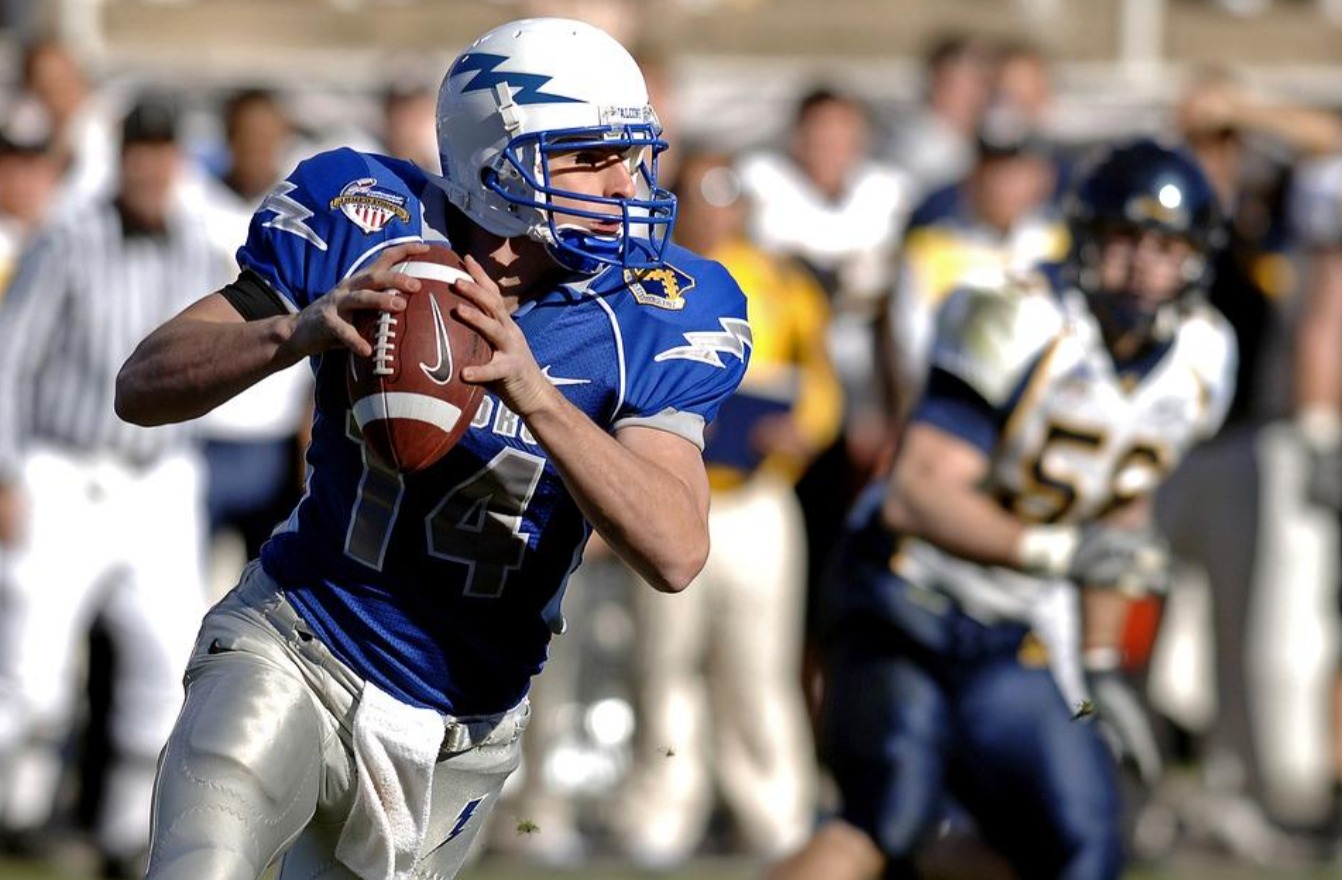
The hallmark of great sports photography is the crispness of the subject against a potentially blurred background. To achieve this, the primary requirement is the use of high shutter speeds, typically ranging from 1/1000s for slower sports like chess or golf to 1/4000s or faster for motorsports or field sports. Enthusiasts look for images where the "peak action"—the apex of a jump or the moment of impact—is frozen with absolute clarity.
Depth of Field and Subject Separation
The "best" pictures often utilize a wide aperture (low f-stop number) to create a shallow depth of field. This technique isolates the athlete from a cluttered background, such as crowded stadium stands or busy court markings. By blurring the environment, the photographer forces the viewer’s eye toward the subject, emphasizing their physical exertion.
Compositional Geometry
Athletics inherently involve lines, angles, and symmetry. The best images often utilize leading lines—such as a sprinter’s lane or a basketball hoop’s arc—to guide the eye. Enthusiasts appreciate images that adhere to the rule of thirds or utilize negative space to suggest the vastness of an arena or the loneliness of a long-distance runner.
Evaluating Subject Matter: From Iconic to Candid
Sport photography for enthusiasts is not limited to the winning goal. The spectrum of what makes a "best" image varies significantly depending on the intent behind the shot.
| Category | Primary Focus | Enthusiast Appeal |
|---|---|---|
| Peak Action | The decisive moment of competition. | Captures the physical limits of human performance. |
| Portraiture | The athlete’s face, sweat, or gear. | Conveys vulnerability and individual personality. |
| Environmental | The scale of the stadium or terrain. | Contextualizes the sport within its massive, often historic, setting. |
| Abstract | Motion blur, shadows, or textures. | Represents the essence of movement rather than specific faces. |
The Role of Post-Processing in Sports Imagery
While the "best" photos are made in-camera, enthusiasts recognize that post-processing is a critical final step in the digital era of 2026. This does not mean heavy manipulation or the removal of elements, which would violate the journalistic integrity of the sport. Instead, it involves high-level adjustments to contrast, white balance, and clarity to ensure the image looks as vivid as the human eye perceived it in the moment.
For the enthusiast, the goal of editing is often the removal of visual distractions that the camera lens inadvertently picked up. Cleaning up sensor dust, adjusting exposure in backlit stadium environments, and sharpening the subject are standard practices. High-quality sports pictures for enthusiasts should retain the authentic grain and texture of the scene while maximizing the visibility of critical details.
Common Mistakes to Avoid in Sports Photography
Even for experienced enthusiasts, certain pitfalls can prevent a photo from being classified as "the best." Recognizing these common errors is the first step toward improving a collection.
- Improper Cropping: Tight cropping is often necessary to remove distractions, but cutting off critical limbs or equipment (like a tennis racket or a runner’s feet) ruins the composition.
- Missing the Focus: In high-speed scenarios, back-focusing is a common failure. The "best" pictures will always have the eyes of the athlete in sharp focus. If the eyes are soft, the entire impact of the photograph is diminished.
- Color Inconsistency: Shooting in mixed lighting (e.g., arena floodlights mixed with daylight) often results in muddy colors. Enthusiasts must master custom white balancing to keep skin tones natural.
- Cluttered Composition: An image that captures a great move but features a distracting referee or a bright sign behind the athlete’s head lacks the professional polish that defines enthusiast-level work.
Guidance for Aspiring Enthusiasts: Where to Begin
If you are looking to build a collection of the best sport pictures or are trying to capture them yourself, the starting point is always access and understanding. You cannot photograph what you do not understand.
Understand the Sport
The best photographers are those who know when a strike is coming in baseball or when a goalkeeper is likely to dive. By anticipating the movement, you move from reactive shooting to proactive capturing. Study the rules and the rhythms of the sport you intend to photograph.
Choose the Right Equipment
While any camera can take a picture, sports photography demands specific hardware:
- Continuous Autofocus (AF-C): The ability of the camera to track a moving subject.
- High Burst Rates: Frames per second (FPS) count matters. A camera capable of 15-30 frames per second increases the likelihood of catching the perfect frame.
- Telephoto Lenses: For most field sports, a focal length of at least 200mm to 400mm is essential to pull the subject out of the background.
Seek Official Perspectives
Enthusiasts often look to archives from major governing bodies or historical collections to see what defines excellence. Resources from the International Olympic Committee or professional league archives provide a baseline for what constitutes a "definitive" image.
Frequently Asked Questions
What constitutes a "decisive moment" in sports photography?
The decisive moment, a concept coined by Henri Cartier-Bresson, refers to the fleeting fraction of a second where visual elements align to create a perfect image. In sports, this is the exact moment of ball-to-bat contact, the apex of a high jump, or the facial expression of an athlete crossing the finish line.
How important is high-speed continuous shooting?
It is vital for modern sports photography. Because human reaction times are slower than the speed of high-action events, continuous shooting allows the photographer to capture a sequence of micro-movements, ensuring the most aesthetic position of the athlete’s body is recorded.
Can a blurry sport picture be considered "the best"?
Yes, provided the motion blur is intentional. Panning—moving the camera in sync with the athlete—creates a sharp subject against a blurred, streaky background. This conveys speed and energy much more effectively than a completely frozen, static image.
Is professional equipment mandatory for enthusiasts?
While high-end, full-frame cameras with fast lenses yield the most professional-looking results, the "best" picture is defined by the eye of the photographer. A mid-range mirrorless camera with a fast prime lens can produce world-class imagery if the lighting and composition are handled with skill.
How do I legally share or display sport pictures I take?
Always verify the venue’s rules. While shooting for personal use is generally permitted in public areas, professional events often require press credentials. Posting on personal portfolios is typically allowed, but using images for commercial gain without permission from the event organizers or the athletes involved can lead to legal complications.
Final Recommendations for Enthusiasts
To elevate your engagement with sports photography, begin by curating your own "best of" folder. Select twenty images that represent the peak of your interest and analyze them. Why does your eye linger on them? Is it the color, the composition, or the emotion of the athlete? By deconstructing these images, you refine your own aesthetic sense. For those looking to capture their own, prioritize mastering your camera’s autofocus settings and understanding the cadence of the sport before attempting to shoot complex, fast-moving games. Practical experience in lower-stakes local leagues is the most effective training ground for the high-pressure environment of professional events.
Image Gallery