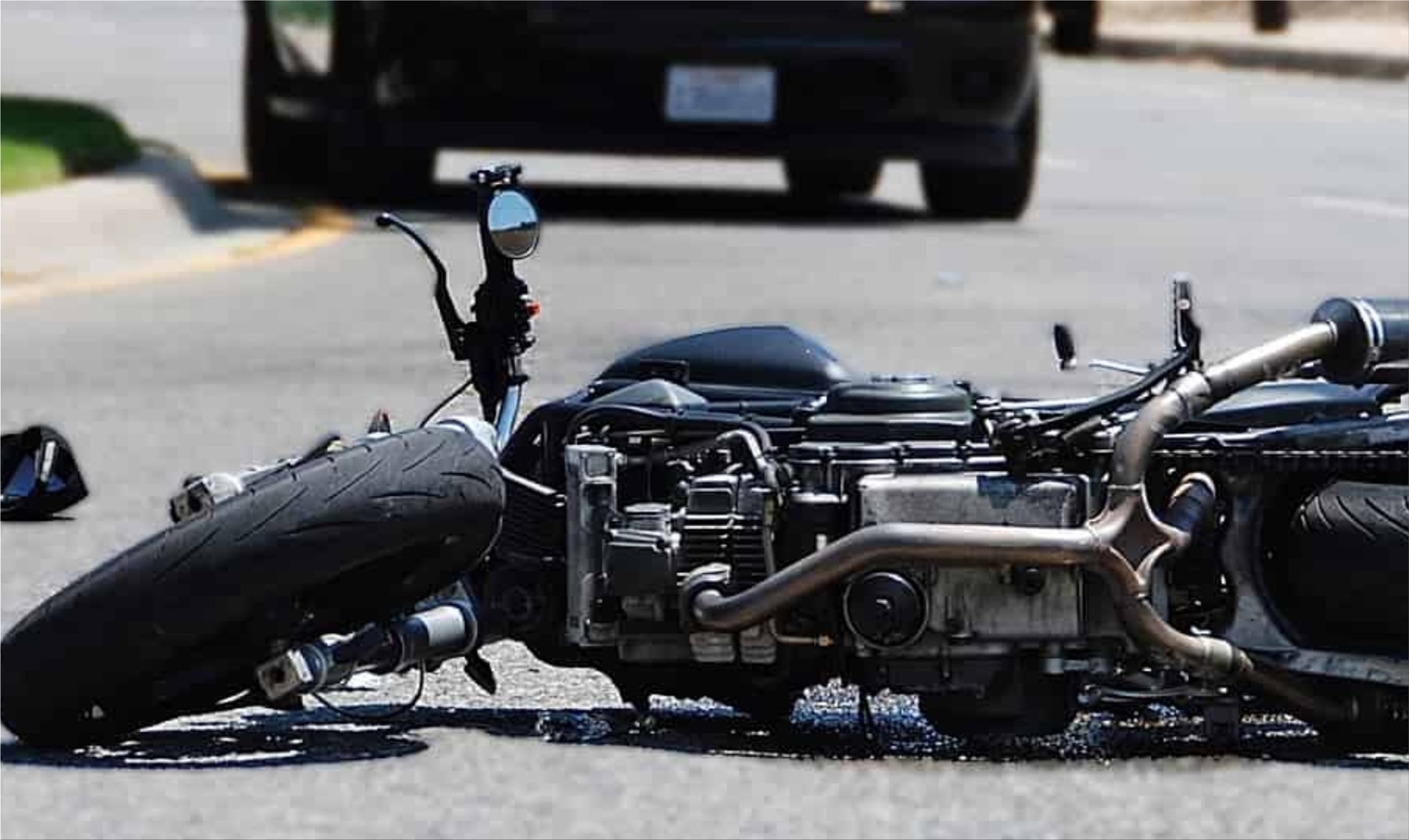
Securing a Motorcycle Crash Lawyer in New Jersey: Navigating Legal and Insurance Complexities
If you have been involved in a motorcycle accident in New Jersey, hiring a specialized motorcycle crash lawyer is the most critical step toward recovering compensation. Unlike standard car accidents, New Jersey law treats motorcycles d...
If you have been involved in a motorcycle accident in New Jersey, hiring a specialized motorcycle crash lawyer is the most critical step toward recovering compensation. Unlike standard car accidents, New Jersey law treats motorcycles differently regarding insurance coverage and the right to sue. A qualified attorney will help you navigate the absence of Personal Injury Protection (PIP) benefits, establish liability under the state's comparative negligence rules, and manage complex health insurance liens.
Contents
The legal landscape for motorcyclists in New Jersey is notoriously complex. While the state follows a "no-fault" insurance system for traditional automobiles, motorcycles are specifically excluded from many of these protections. This means that after a crash, a rider cannot simply turn to their own motorcycle insurance policy to pay for medical bills unless they have purchased rare and specific riders. Understanding these nuances is essential for any victim seeking justice and financial stability in 2026.
The Unique Legal Status of Motorcycles in New Jersey
To understand why you need a specialized motorcycle crash lawyer in New Jersey, you must first understand NJSA 39:6A-2. Under this statute, the definition of an "automobile" specifically excludes motorcycles. This exclusion has profound implications for how medical bills are paid and how lawsuits are filed.
In a standard New Jersey car accident, your own insurance provider pays for your medical treatments regardless of who caused the accident through Personal Injury Protection (PIP). Because motorcycles are not "automobiles" under the law, standard motorcycle policies in New Jersey do not include PIP. Consequently, injured riders often find themselves facing massive hospital bills with no immediate source of payment. A lawyer’s first task is often identifying whether the rider has "medical payments" (MedPay) coverage or if their private health insurance will cover the costs—and then navigating the inevitable subrogation liens those health insurers will place on any eventual settlement.
Furthermore, because motorcycles are exempt from the "No-Fault" statute, riders are also generally exempt from the Limitation on Lawsuit (also known as the verbal threshold). In many New Jersey auto policies, drivers trade lower premiums for a restricted right to sue for "pain and suffering" unless they sustained a permanent injury. Motorcyclists typically have the "No Limitation" right by default, meaning they can sue for non-economic damages even for injuries that might not meet the strict "permanent" criteria applied to car drivers. However, this advantage is only useful if a lawyer can successfully prove the other party was at fault.
Establishing Liability and Comparative Negligence
New Jersey follows a modified comparative negligence system, specifically the "51% Rule" (NJSA 2A:15-5.1). This rule dictates that an injured party can recover damages as long as their share of responsibility for the accident is not greater than the combined negligence of the defendants.
- The 51% Bar: If a jury finds that you were 51% or more responsible for the crash, you are legally barred from recovering any compensation.
- Proportional Reduction: If you are found to be 20% at fault (perhaps for speeding or a minor equipment issue), your total compensation award will be reduced by 20%.
A motorcycle crash lawyer in New Jersey must combat the "biker bias" that often permeates jury pools and insurance company negotiations. There is a common, though unfair, assumption that motorcyclists are inherently reckless. An experienced attorney uses accident reconstruction experts, forensic evidence, and witness testimony to prove that the driver of the larger vehicle failed to yield, was distracted by a mobile device, or failed to check their blind spots—the leading causes of motorcycle accidents in the state.
Essential Steps Following a Motorcycle Accident in New Jersey
In 2026, the immediate aftermath of a crash remains the most critical period for evidence preservation. Following these steps can significantly impact the success of a legal claim:
- Immediate Medical Evaluation: Even if you feel "fine," the adrenaline of a crash can mask internal bleeding or traumatic brain injuries. Furthermore, insurance companies will use any gap in treatment to argue that your injuries were not caused by the accident.
- Police Report Documentation: Ensure the responding officer from the New Jersey State Police or local municipality files a formal report. Do not leave the scene until you have an incident number.
- Evidence Collection: If physically able, take high-resolution photos of the road conditions, skid marks, vehicle positions, and any obscured traffic signs. In New Jersey, road defects (potholes or gravel left by construction crews) can sometimes lead to claims against government entities, which require a Notice of Claim within 90 days.
- Avoid Insurance Statements: Do not provide a recorded statement to the other driver’s insurance adjuster. They are trained to elicit responses that imply you were at fault.
- Consult a Lawyer Before Settlement: Early settlement offers are almost always "low-ball" figures designed to close the file before the full extent of your medical needs is known.
Comparing Motorcycle vs. Auto Accident Claims in New Jersey
The following table outlines the stark differences in how New Jersey law treats these two types of incidents.
| Feature | Standard Automobile (Car) | Motorcycle |
|---|---|---|
| Medical Bill Coverage | Covered by PIP (No-Fault) | Health Insurance or MedPay (if elected) |
| Lawsuit Threshold | Often restricted by "Verbal Threshold" | Generally "No Limitation" on right to sue |
| Primary Statutory Body | NJSA 39:6A | General Tort Law / NJSA 39:6A (Exclusions) |
| Fault Requirements | Not required for medical bills | Must prove fault for all damages |
| Helmet Defense | Not applicable | Failure to wear a helmet can reduce damages |
| Notice of Claim (Govt) | 90 Days | 90 Days |
Understanding Costs: The Contingency Fee Structure
One of the primary concerns for accident victims is the cost of legal representation. In New Jersey, personal injury lawyers almost exclusively work on a contingency fee basis. This system is governed by New Jersey Court Rule 1:21-7, which sets maximum limits on what an attorney can charge.
Under a contingency fee agreement, the lawyer receives a percentage of the final settlement or court award. If the lawyer does not win your case, you typically owe no attorney fees. In 2026, the standard maximum fee is 33.3% of the first $750,000 recovered. For portions of a recovery exceeding that amount, the percentage decreases.
Beyond the attorney's fee, there are "costs of litigation," which include filing fees, the cost of obtaining medical records, and expert witness fees. A reputable motorcycle crash lawyer will advance these costs and deduct them from the final settlement, ensuring that the victim does not have to pay out-of-pocket while their case is pending.
Identifying the Right Attorney: What to Look For
Not all personal injury lawyers have the specific expertise required for motorcycle cases. When searching for a "motorcycle crash lawyer New Jersey," look for the following credentials:
- Certified Civil Trial Attorney: This is a designation granted by the Supreme Court of New Jersey to less than 3% of the state's lawyers. It signifies a high level of experience, education, and reputation among peers and judges.
- Experience with Health Insurance Liens: Since PIP does not apply, your lawyer must be adept at negotiating with health insurance companies (ERISA and non-ERISA plans) to reduce the amount you have to pay back from your settlement.
- Motorcycle-Specific Knowledge: A lawyer who understands "counter-steering," "road rash" complications, and the mechanics of a motorcycle is better equipped to explain the physics of the crash to a jury.
Common Questions About New Jersey Motorcycle Laws
Does New Jersey's "No-Fault" insurance cover my motorcycle?
No. While New Jersey is a no-fault state for cars, motorcycles are excluded from PIP (Personal Injury Protection) coverage under the standard definition of an automobile. You must rely on your private health insurance or any optional "MedPay" coverage you purchased for your motorcycle policy to cover initial medical expenses.
Can I recover damages if I wasn't wearing a helmet?
Yes, but it is complicated. New Jersey law (NJSA 39:3-76.7) requires all riders to wear a DOT-approved helmet. If you were not wearing one, the defense may use the "helmet defense," arguing that your failure to wear a helmet contributed to the severity of your head injuries. This could reduce your compensation under the comparative negligence rule, but it does not prevent you from recovering for other injuries like broken limbs or road rash.
Is lane splitting legal in New Jersey in 2026?
No. Lane splitting (riding between lanes of stopped or moving traffic) remains illegal in New Jersey under NJSA 39:4-82, which requires vehicles to be driven within a single lane. If a crash occurs while you were lane splitting, you will likely be found significantly at fault, which could bar or severely reduce your recovery.
What is the statute of limitations for a motorcycle accident in NJ?
Generally, you have two years from the date of the accident to file a lawsuit in New Jersey (NJSA 2A:14-2). However, if the accident involved a government vehicle or a dangerous road condition on public property, you must file a "Notice of Claim" within 90 days. Failure to meet these deadlines usually results in the permanent loss of your right to sue.
How much is my motorcycle accident case worth?
There is no "average" settlement. The value is determined by the severity of your injuries, the amount of your medical bills and lost wages, whether the injury is permanent, and the limits of the at-fault driver’s insurance policy. A lawyer will evaluate "economic damages" (quantifiable costs) and "non-economic damages" (pain and suffering) to determine a fair value.
Final Recommendation for Victims
If you or a loved one has been injured in a motorcycle crash in New Jersey, do not attempt to negotiate with insurance companies alone. The unique exclusion of motorcycles from PIP benefits creates a "coverage gap" that can lead to financial ruin if not managed by a legal professional. Ensure you contact a lawyer who understands the nuances of New Jersey’s modified comparative negligence laws and the specific needs of the riding community. Taking swift action within the 90-day window for potential government claims and the two-year statute of limitations is vital to preserving your rights and securing your future.
Image Gallery