Selecting Professional Movers in Redondo Beach CA: A Comprehensive Guide
Relocating to or within Redondo Beach requires careful navigation of both the local coastal geography and the regulatory environment governing household goods carriers in California. Whether you are moving from a single-family home in...
Relocating to or within Redondo Beach requires careful navigation of both the local coastal geography and the regulatory environment governing household goods carriers in California. Whether you are moving from a single-family home in the Hollywood Riviera or a high-density apartment near the Redondo Beach Pier, identifying a licensed, insured, and reputable moving company is the most critical step in ensuring your property remains protected throughout the transit process.
Contents
Understanding the Regulatory Landscape for California Movers
In California, the household goods moving industry is regulated by the Bureau of Household Goods and Services (BHGS), which operates under the Department of Consumer Affairs. Any company legally permitted to transport your goods within the state must possess a valid MTR (Motor Carrier Permit) and a specific license issued by the BHGS.
When researching movers in Redondo Beach, you are not merely looking for a truck and labor; you are hiring a carrier that is legally bound by the Maximum Rate Tariff 4 (MAX 4). This document, published by the California Public Utilities Commission (CPUC), establishes the maximum rates that movers may charge for specific services. While companies are permitted to charge less than the published maximum, they cannot exceed these rates without prior authorization. Before entering into a contract, verify the company’s license status via the BHGS License Search database. Operating without a valid license is a significant red flag that often indicates a lack of proper cargo and liability insurance.
Essential Criteria for Evaluating Moving Companies
Choosing a service provider in a competitive market like the South Bay involves more than selecting the lowest quote. You must verify that the company has the capacity to handle your specific requirements—whether that includes fragile high-value items, art, or specialized equipment.
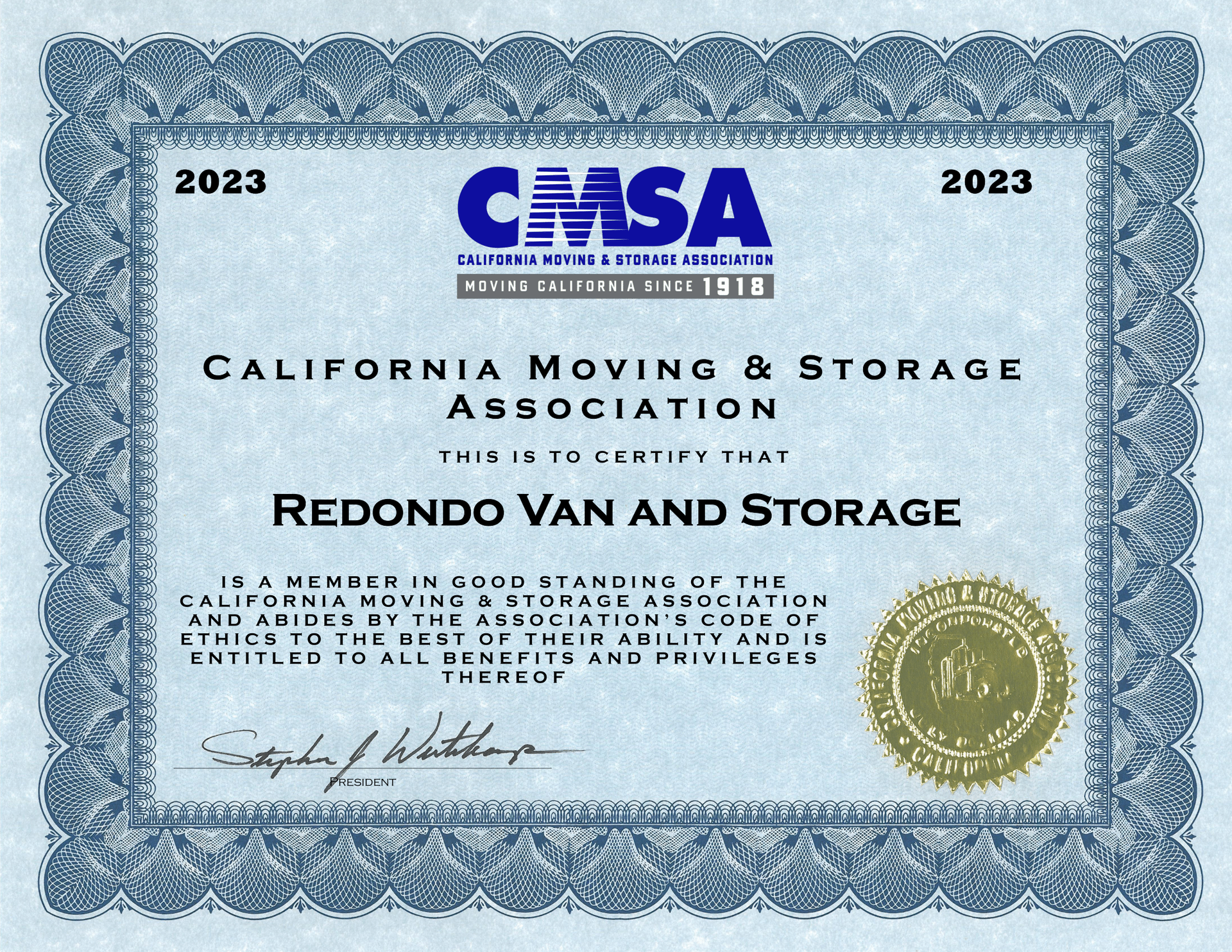
- Licensing and Insurance: Beyond the MTR number, ensure the company carries active Worker’s Compensation and Public Liability and Property Damage (PL&PD) insurance. Ask for a Certificate of Insurance (COI) if you are moving into a building with specific property management requirements.
- Physical Presence and History: While many companies operate digitally, prioritize movers with a verifiable office location in or near the South Bay. A local presence often correlates with a better understanding of Redondo Beach parking restrictions, narrow residential streets, and the specific logistics of beach-side access.
- Transparent Estimating: Professional movers will almost always offer either an on-site or a video-based walkthrough to provide a "Not to Exceed" estimate. Avoid companies that provide a flat-rate price over the phone without reviewing the inventory, as this often leads to "surprise" costs on the day of the move.
Comparative Factors for Local Moving Services
When evaluating your options, consider the following table to distinguish between service models.
| Feature | Full-Service Professional Movers | Labor-Only / Hourly Hired Help | Portable Storage/Container Units |
|---|---|---|---|
| Labor | Provided (Full crew) | Provided | Usually not included |
| Insurance | Included (Basic liability/Valuation) | Minimal/Variable | Self-insured during transit |
| Cost Basis | Calculated by weight/distance/time | Hourly rate | Flat rental fee + transportation |
| Best For | Entire household relocations | Small apartments or heavy furniture | Long-term storage or multi-stage moves |
Logistics and Challenges in Redondo Beach
Redondo Beach poses unique logistical challenges that experienced local movers are equipped to mitigate. The city features a mix of high-traffic coastal corridors, such as Pacific Coast Highway (PCH), and dense residential pockets.
- Parking Permits and Restrictions: If you reside on a narrow street or in an area with restricted parking, you may need to apply for a temporary no-parking permit through the City of Redondo Beach Public Works Department. Professional movers often facilitate this, but it remains the homeowner's responsibility to ensure the logistics are cleared in advance.
- Building Access: If you are moving to a multi-story condominium, ensure you have reserved the service elevator. Many high-rises in the South Bay require advance scheduling and may even require a proof of insurance from your moving company before allowing them access to the loading dock.
- Climate Considerations: Proximity to the ocean can increase moisture exposure. Ensure your movers use high-quality, moisture-resistant packing materials and properly secure items that might be susceptible to corrosion or salt air if left in a truck overnight.
Evaluating Moving Quotes and Estimates
The estimate you receive is a legal document. In California, there are three primary types of estimates:
- Binding Estimate: A fixed price for all services rendered. The price cannot increase regardless of the actual weight or hours taken, provided the inventory list remains unchanged.
- Non-Binding Estimate: An approximation of the cost based on the mover’s experience. You are obligated to pay the actual cost, which can fluctuate based on the final weight of the load or the time spent on the job, provided it does not exceed the legal cap.
- Not-to-Exceed Estimate: This is the most consumer-friendly option in California. You pay the lower of the actual cost or the estimated cost, effectively capping your financial risk.
Always request a copy of the "Important Information for Persons Moving Household Goods" booklet, which licensed movers are legally required to provide to all residential customers.
Frequently Asked Questions
How far in advance should I book movers in Redondo Beach? For local moves within the Los Angeles area, booking at least 3 to 4 weeks in advance is recommended. During peak summer months or the end of the month, demand increases significantly, and last-minute booking may result in limited availability or higher costs.
What items are movers prohibited from transporting? Movers are generally prohibited from moving hazardous materials, such as gasoline, propane tanks, paint thinner, corrosives, and explosives. Always check the specific "prohibited items" list provided by your carrier, as it may also include perishable food and legal documents.
Do I need to tip my moving crew? While not mandatory, tipping is standard practice in the industry. It is customary to tip based on the quality of service, often calculated as a percentage of the total moving cost or a flat dollar amount per mover, per hour.
What should I do if my items are damaged during the move? Document the damage immediately by taking high-resolution photographs. Note the damage on the Bill of Lading before the movers leave. You should then file a written claim with the moving company according to the timeline specified in your contract and the state’s consumer protection guidelines.
Are there extra charges for stairs or elevators? Yes, most professional moving companies include "access fees" or "stair charges" in their quotes to compensate for the additional time and physical labor required to navigate multiple floors or long carries from the front door to the truck.
Next Steps for Your Move
To initiate your relocation, start by compiling an accurate inventory list of your belongings. Contact three distinct companies to request an in-home or video inspection. Use the BHGS website to verify their license numbers and cross-reference their reputation through the Better Business Bureau or public consumer reports. Do not finalize any agreement until you have received a written estimate that clearly outlines the scope of work, the valuation coverage provided, and any potential surcharges for stairs, long carries, or packing materials. By prioritizing these verification steps, you minimize the risk of financial and physical damage during your transition to your new residence.
Image Gallery