Understanding the Herpes Simplex Virus IgG Test: Purpose, Procedure, and Results
A herpes simplex virus IgG test is a blood analysis designed to detect specific immunoglobulin G antibodies produced by the immune system in response to past exposure to herpes simplex virus type 1 or type 2, indicating long-term immun...
A herpes simplex virus IgG test is a blood analysis designed to detect specific immunoglobulin G antibodies produced by the immune system in response to past exposure to herpes simplex virus type 1 or type 2, indicating long-term immune memory rather than a recent or active infection.
Contents
Introduction to Herpes Simplex Virus and Antibody Testing
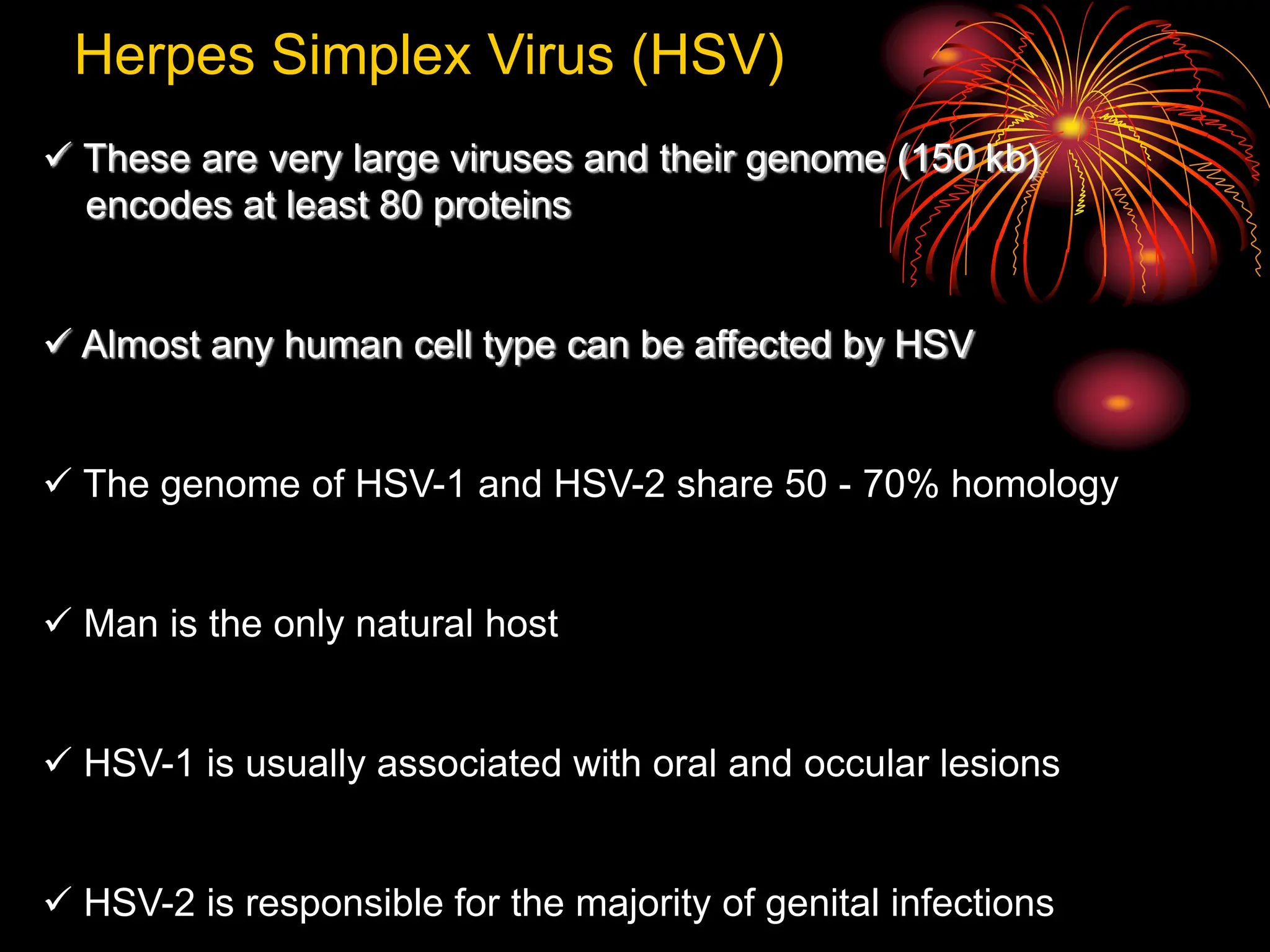
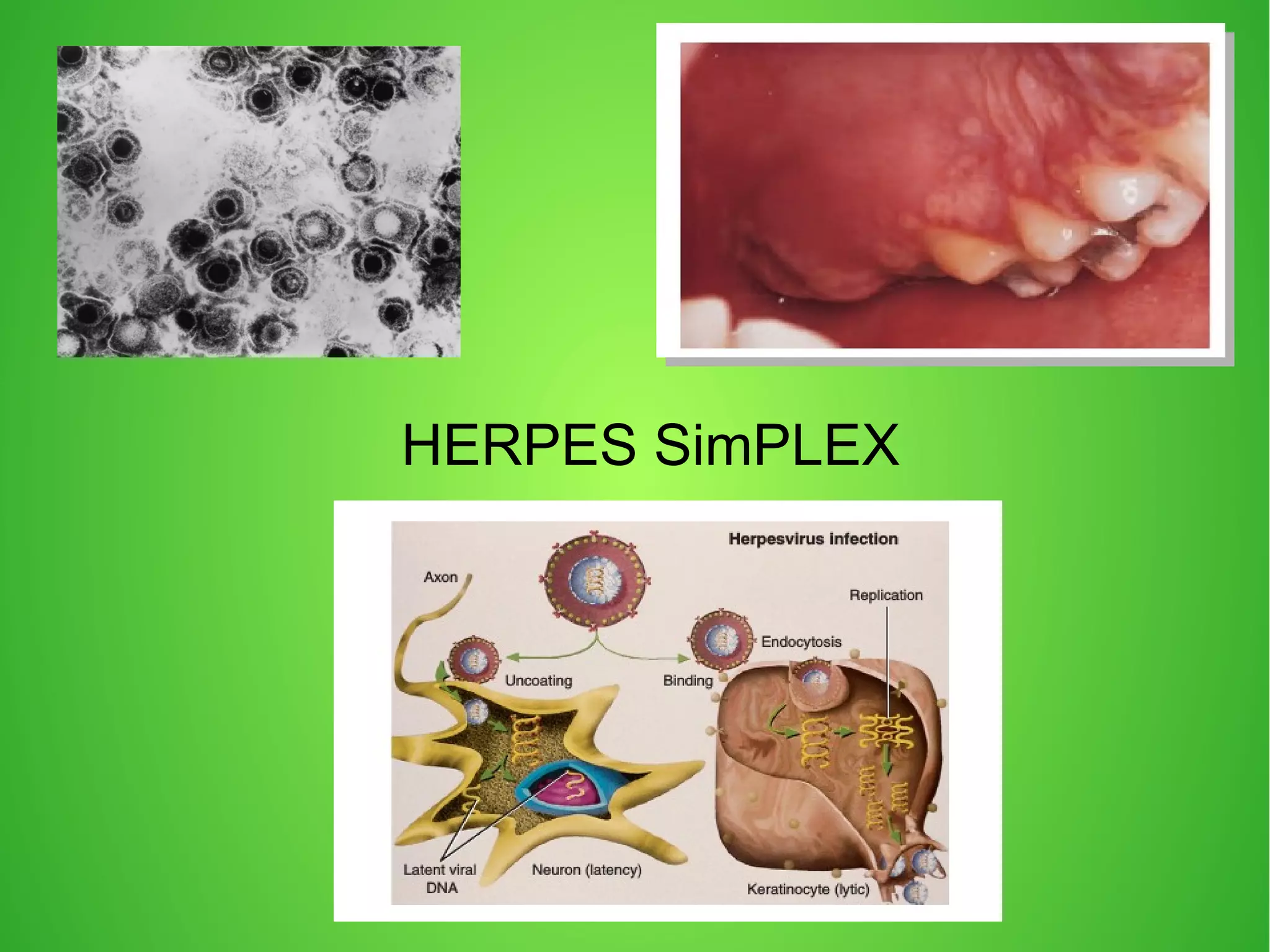
The herpes simplex virus (HSV) is a common, lifelong viral infection categorized into two primary strains: Herpes Simplex Virus Type 1 (HSV-1) and Herpes Simplex Virus Type 2 (HSV-2). While HSV-1 is traditionally associated with oral infections, such as cold sores, and HSV-2 is primarily linked to genital herpes, both strains can infect either region. Once acquired, the virus remains in the body indefinitely, frequently entering a dormant state in nerve cell ganglia. To determine whether an individual has been exposed to these pathogens, healthcare providers utilize specific serological assays. Among these, the herpes simplex virus IgG test stands out as the most reliable blood test for identifying historical exposure.
Navigating sexual health diagnostics can be complex, particularly when differentiating between active outbreaks and historical immunity. Unlike viral cultures or polymerase chain reaction (PCR) swabs, which require an active lesion to detect the virus's physical presence, blood tests look at the body's humoral immune response. Understanding what an IgG test measures, how it works, and what its results imply is essential for anyone seeking clarity on their HSV status. This comprehensive guide explores the mechanics of HSV IgG testing, clinical interpretations, preparation steps, limitations, and frequently asked questions to provide a thorough overview of the diagnostic process.
What is Immunoglobulin G (IgG)?
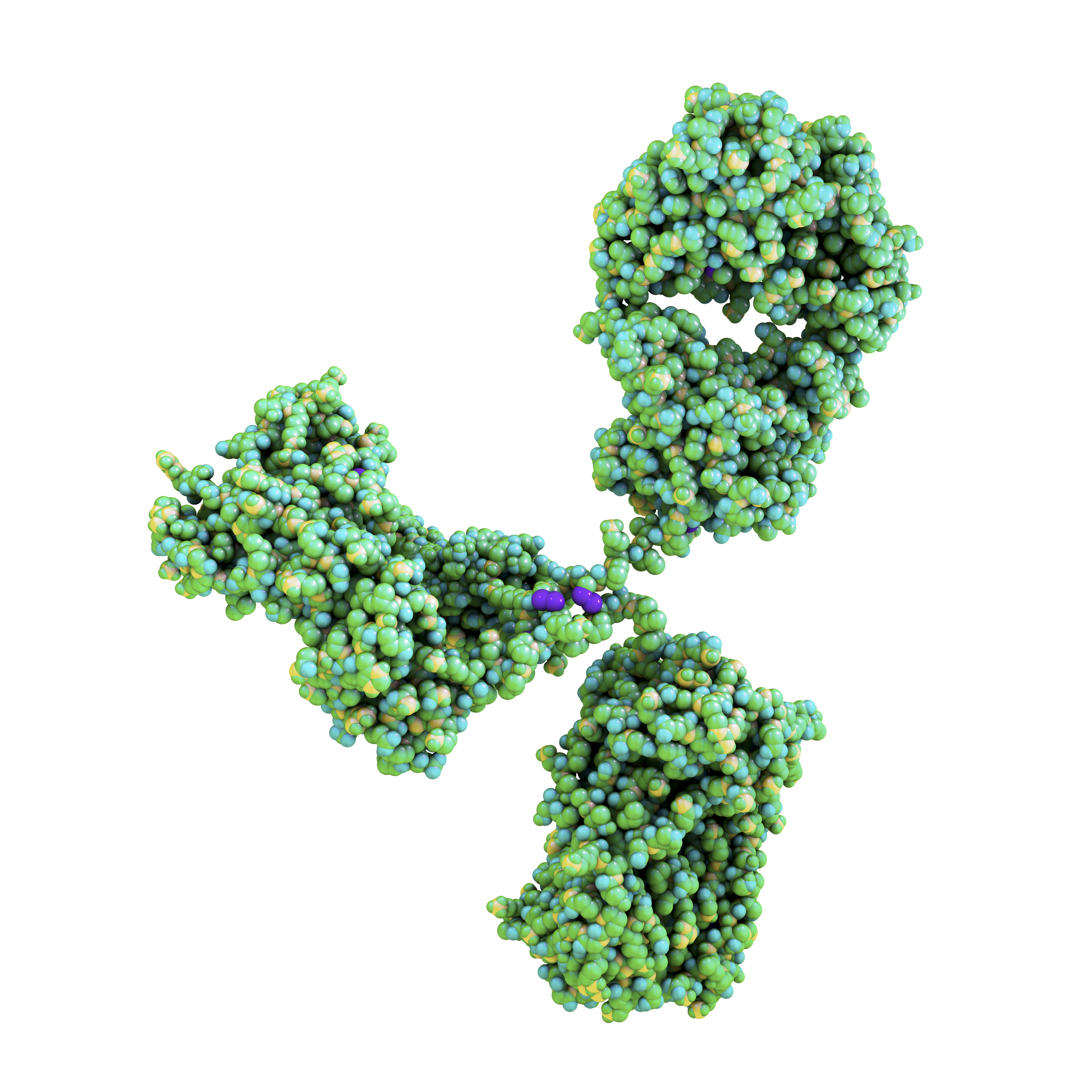
Immunoglobulin G, commonly referred to as IgG, is the most abundant type of antibody found in blood circulation and extracellular fluid. It plays a foundational role in the human adaptive immune system. When a pathogen such as the herpes simplex virus enters the body for the first time, the immune system mounts a primary response. Initially, it produces a short-term antibody called immunoglobulin M (IgM). IgM levels rise sharply during the acute phase of an infection and eventually fade away within a few weeks or months.
As the immune response matures, specialized B cells switch to producing IgG antibodies. These molecules are tailored specifically to recognize and bind to unique proteins—known as antigens—on the surface of the invading virus. IgG antibodies provide long-term immunological memory. Once an individual contracts HSV, their immune system continues to manufacture low levels of HSV-specific IgG antibodies indefinitely. Consequently, detecting these antibodies in a blood sample indicates that the person has been infected with the virus at some point in the past, even if they have never experienced noticeable symptoms.
How the HSV IgG Blood Test Works
The herpes simplex virus IgG test is a simple serological procedure performed using a standard blood draw (venipuncture) or, less commonly, a finger-prick capillary sample. A healthcare professional draws a small vial of blood from a vein in the arm, which is then sent to a clinical laboratory for analysis.
Modern laboratories predominantly use an Enzyme-Linked Immunosorbent Assay (ELISA) or a chemiluminescent immunoassay to evaluate the sample. These assays are specifically designed to differentiate between HSV-1 IgG antibodies and HSV-2 IgG antibodies. Because HSV-1 and HSV-2 share a significant amount of genetic material and surface proteins, early serological tests often struggled with cross-reactivity, frequently misidentifying one type as the other. Contemporary type-specific IgG assays target glycoprotein G (gG)—specifically gG1 for HSV-1 and gG2 for HSV-2. Because glycoprotein G possesses unique amino acid sequences that are distinct to each viral strain, modern tests can accurately distinguish between antibodies generated against HSV-1 versus HSV-2.
Understanding Test Results: Positive, Negative, and Equivocal
Interpreting the numerical values and qualitative outcomes of an HSV IgG test requires clinical context. Laboratories typically report results in one of three categories, often accompanied by an index value or a cutoff ratio.
- Negative Result: Indicates that no HSV-1 or HSV-2 IgG antibodies were detected in the blood sample. This usually means the individual has never been infected with that specific strain of the virus.
- Positive Result: Indicates the presence of HSV-1 or HSV-2 IgG antibodies. This signifies that the patient has been infected with the virus in the past. A positive result does not reveal when the infection occurred or whether the virus will cause recurrent symptoms.
- Equivocal Result: Represents an ambiguous or borderline finding. It means the antibody level is too high to be safely considered negative, but too low to meet the strict threshold for a definitive positive. In such cases, retesting after a few weeks or utilizing a secondary confirmatory test is usually recommended.
| Test Result Category | Index Value Range (Typical Lab Standard) | Clinical Interpretation | Recommended Next Steps |
|---|---|---|---|
| Negative | < 0.90 | No antibodies detected; likely no prior infection. | Retest if recent exposure (within window period) is suspected. |
| Equivocal | 0.90 – 1.09 | Borderline antibody concentration; unclear status. | Repeat the blood test in 2 to 4 weeks to observe trend. |
| Positive | > 1.09 | Antibodies detected; indicates prior HSV exposure. | Discuss management, symptom awareness, and partner testing with a provider. |
The Window Period and Seroconversion
A critical factor in interpreting any antibody-based test is understanding the concept of the window period. The window period refers to the duration of time that elapses between initial exposure to a pathogen and the point at which the body produces a measurable quantity of antibodies.
For the herpes simplex virus, the seroconversion window—the time it takes for the body to develop detectable IgG antibodies—typically ranges from three weeks to twelve weeks (approximately 2 to 3 months) following exposure. Testing too early in this window period can result in a false-negative outcome because the immune system has not yet synthesized enough IgG to cross the laboratory's detection threshold. Individuals who suspect they have been exposed to HSV should consider this timeline when scheduling diagnostic testing to ensure accurate results.
Limitations of the Herpes Simplex Virus IgG Test
While the HSV IgG test is a powerful epidemiological and diagnostic tool, it has several notable limitations that patients and clinicians must consider:
- Inability to Determine Infection Site: An HSV-1 IgG positive result indicates infection with the virus, but it cannot specify whether the virus is located orally (cold sores) or genitally. Because oral HSV-1 can be transmitted to the genital region via oral-genital contact, many new cases of genital herpes are actually caused by HSV-1.
- Lack of Timing Information: The test cannot determine when the acquisition occurred. A positive result could reflect an infection contracted weeks ago or decades ago.
- False-Negative Risks During Recent Infections: As noted during the discussion of the window period, testing during the initial weeks of infection may yield negative results due to insufficient antibody development.
- False-Positive Risks: In populations with a low prevalence of herpes, false-positive results can occur, particularly with certain older ELISA kits. Confirmatory testing, such as the Western blot test, is sometimes used in complex or discordant clinical scenarios.
Comparing HSV IgG Testing to Other Diagnostic Methods
Healthcare providers select diagnostic tests based on the patient's presentation. It is helpful to contrast the IgG antibody test with other standard methods used for herpes diagnostics.
- HSV PCR (Polymerase Chain Reaction) Swab: This is the gold standard for diagnosing an active outbreak. A clinician swabs an open sore or lesion to detect viral DNA. Unlike the IgG blood test, a PCR swab identifies the active presence of the virus and specifies the exact strain (HSV-1 or HSV-2). However, it is useless if the patient has no active lesions.
- Viral Culture: Historically common, viral culture involves taking a sample from a sore and attempting to grow the virus in a laboratory. While specific, viral cultures have lower sensitivity than PCR assays, especially as lesions begin to heal.
- HSV IgM Blood Test: Unlike IgG, IgM tests for short-term antibodies. However, commercial IgM assays are plagued by cross-reactivity and inconsistent accuracy, leading major health organizations (such as the Centers for Disease Control and Prevention) to advise against routine clinical use of HSV IgM testing.
Clinical Guidance and Next Steps
Deciding whether to undergo an HSV IgG test is a personal choice that should be discussed with a qualified healthcare provider, such as a primary care physician, gynecologist, or sexual health specialist. Routine HSV screening is not universally included in standard sexually transmitted infection (STI) panels for asymptomatic individuals unless specifically requested or indicated by specific risk factors.
For individuals who test positive, counseling is essential to address psychological concerns, management strategies, and transmission prevention. Antiviral medications (such as acyclovir, valacyclovir, or famciclovir) can reduce the frequency and severity of outbreaks and lower the risk of transmission to sexual partners, though they do not eradicate the underlying virus. For those who test negative, practicing safer sex measures and understanding transmission dynamics remain key components of preventive health.
Professional-advice limitation: The information provided in this article is for educational purposes only and should not be construed as medical advice, diagnosis, or treatment. Always consult a licensed healthcare professional for personalized medical guidance regarding infectious diseases or diagnostic testing.
Frequently Asked Questions
Does a positive HSV IgG test mean I have an active outbreak?
No. An IgG test detects antibodies that remain in the blood long-term after an initial infection. It signifies that your immune system has memory of the virus, but it provides no information about whether you are currently shedding the virus or experiencing an outbreak.
Can an HSV IgG test differentiate between oral and genital herpes?
No. The test identifies whether you have antibodies against HSV-1 or HSV-2, but it cannot determine the anatomical location of the infection. HSV-1 can cause oral or genital lesions, and HSV-2 can similarly infect either region, though it is predominantly found genitally.
How long after exposure should I wait to take an HSV IgG test?
You should typically wait between 12 to 16 weeks (about 3 to 4 months) following a potential exposure before taking an HSV IgG test. Testing too early can yield a false-negative result because your body may not have produced enough antibodies to cross the detection threshold.
Is the HSV IgG test included in a standard STI panel?
Generally, no. Standard sexually transmitted infection panels screen for conditions such as HIV, chlamydia, gonorrhea, and syphilis, but they do not routinely include herpes blood tests unless specifically requested by the patient or recommended by a clinician due to specific symptoms or risk factors.
What should I do if my test result is equivocal?
An equivocal result means your antibody level fell into a borderline zone. Your healthcare provider will likely recommend repeating the blood test in two to four weeks to see if your antibody levels shift into a clear positive or negative range.
Image Gallery