Understanding How to Treat Sleepwalking: Clinical Approaches and Safety Measures
Treating sleepwalking, clinically known as somnambulism, primarily involves addressing underlying sleep triggers, establishing rigorous sleep hygiene, and implementing environmental safety modifications. While most childhood cases reso...
Treating sleepwalking, clinically known as somnambulism, primarily involves addressing underlying sleep triggers, establishing rigorous sleep hygiene, and implementing environmental safety modifications. While most childhood cases resolve naturally, adults experiencing persistent episodes may require professional medical assessment to rule out sleep-related disorders, medication side effects, or secondary health conditions.
Contents
Defining Somnambulism and Its Triggers
Sleepwalking is a parasomnia, a type of sleep disorder that involves undesirable physical events or experiences that occur while falling asleep, during sleep, or while waking up. It occurs during the slow-wave sleep phase—often called deep sleep—typically during the first third of the night. Unlike behaviors in REM sleep, individuals who sleepwalk are often difficult to rouse and may exhibit partial consciousness, although they rarely remember the episode upon waking.
To effectively treat sleepwalking, one must first identify the potential triggers. Common factors include:
- Sleep Deprivation: Irregular sleep schedules or chronic lack of sleep significantly increase the likelihood of parasomnias.
- Stress and Anxiety: High levels of psychological stress or significant life changes can disrupt deep sleep cycles.
- Substance Use: Alcohol consumption and certain medications—particularly sedatives, hypnotics, or medications used to treat mental health conditions—can induce or exacerbate sleepwalking behaviors.
- Medical Comorbidities: Obstructive sleep apnea (OSA), restless leg syndrome, fever, and gastroesophageal reflux disease (GERD) are frequently linked to fragmented sleep, which can trigger arousal episodes in susceptible individuals.
Establishing Environmental Safety
Before pharmaceutical or specialized psychological interventions are considered, the priority for managing sleepwalking is preventing physical injury. Because sleepwalkers are not fully aware of their surroundings, they are at risk for falls, leaving the home, or engaging in dangerous activities.
Practical Safety Strategies:
- Bedroom Fortification: Keep the sleeping environment free of tripping hazards like loose rugs or electrical cords.
- Access Control: Install childproof locks on doors and windows. In more severe cases, some individuals use motion-activated alarms near the bedroom door to alert other household members if the sleeper exits the room.
- Bed Positioning: For individuals prone to frequent exits, placing the mattress on the floor or using specialized low-profile frames can reduce the risk of injury from falls.
- Removing Dangerous Objects: Ensure that tools, kitchen knives, or heavy objects are stored securely, particularly if the sleepwalking involves complex motor tasks.
Behavioral Interventions and Sleep Hygiene
For many, the most effective "treatment" is a commitment to rigorous sleep hygiene. By stabilizing the circadian rhythm and reducing the total amount of "sleep pressure" (the intensity of the drive to sleep), you can reduce the frequency of deep-sleep arousals.
- Consistent Scheduling: Going to bed and waking up at the same time every day, including weekends, helps regulate the sleep-wake cycle and reduces the instability that triggers parasomnias.
- Stress Reduction: Practices such as mindfulness, cognitive behavioral therapy (CBT), and routine relaxation techniques in the hour before bed can lower cortisol levels, facilitating a smoother transition into deep sleep.
- Anticipatory Awakening: For children or adults with a predictable sleepwalking schedule, "scheduled awakening" is often recommended. This involves waking the person approximately 15 to 30 minutes before their usual sleepwalking time and keeping them awake for a short period before allowing them to return to sleep. This shifts the sleep cycle and can break the pattern of arousal.
When to Seek Professional Medical Care
If sleepwalking leads to injury, causes significant daytime distress, or occurs frequently in an adult, a consultation with a sleep specialist is necessary. A physician may conduct a physical examination and, in some cases, order a polysomnography—an overnight sleep study—to monitor brain activity, oxygen levels, and heart rate.
This testing is crucial to distinguish sleepwalking from other disorders such as nocturnal seizures or REM sleep behavior disorder. Treatment plans in clinical settings may include:
| Intervention Type | Examples | Purpose |
|---|---|---|
| Pharmacotherapy | Benzodiazepines, SSRIs | Reduce sleep disruption and stabilize sleep cycles. |
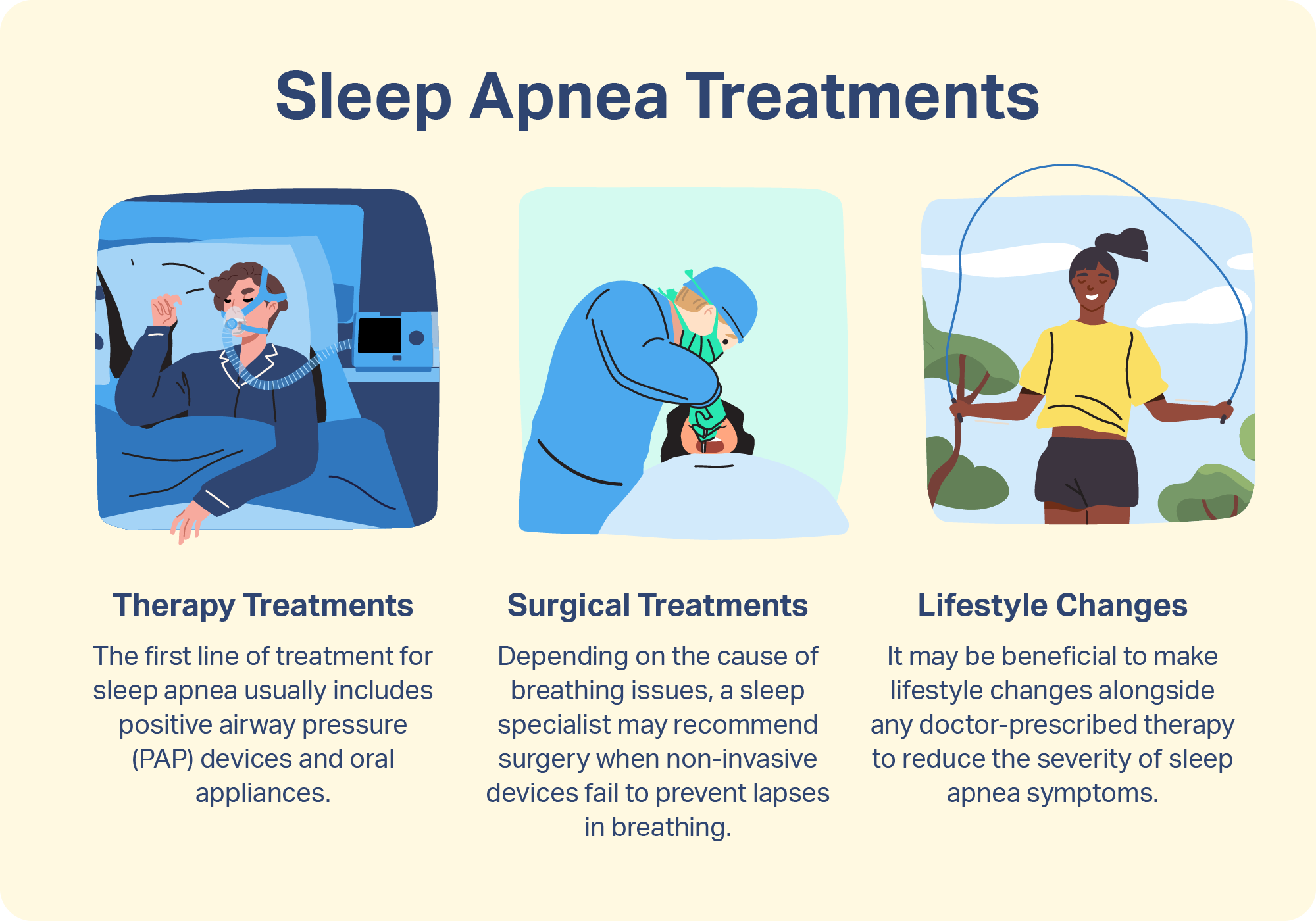
| Addressing Comorbidities | CPAP therapy | Treat sleep apnea to prevent nighttime arousals. |
| Psychotherapy | CBT for Insomnia (CBT-I) | Manage stress-related triggers and improve sleep architecture. |
| Medication Review | Dosage adjustment | Eliminate side effects of current prescriptions triggering parasomnia. |
Disclaimer: This information is for educational purposes and does not constitute professional medical advice, diagnosis, or treatment. Always seek the advice of your physician or a qualified health provider with any questions regarding a medical condition.
Understanding Medication and Sleep
If your doctor suspects that a medication you are taking is contributing to sleepwalking, do not stop taking the medication abruptly. Abrupt cessation can cause withdrawal or the return of the original condition. Instead, coordinate with your physician to evaluate the dosage, timing, or a potential switch to an alternative medication. Certain classes of sleep aids, particularly Z-drugs (non-benzodiazepine hypnotics), are known to increase the risk of complex sleep behaviors, including sleepwalking and even sleep-eating.
Frequently Asked Questions
Is it safe to wake a sleepwalker? Yes. While the popular myth suggests it is dangerous to wake a sleepwalker, the reality is that the person may be disoriented, confused, or potentially startled. It is generally safer to gently guide the person back to bed using verbal cues and soft physical redirection rather than attempting to startle them awake.
Does sleepwalking stop as you age? In most cases, sleepwalking is a developmental phase in children, often linked to the maturation of the central nervous system. Most children grow out of it by their teenage years. Adult-onset sleepwalking is less common and often points toward a specific underlying trigger, such as stress, medication, or an underlying sleep disorder, which may require professional management.
What is the role of genetics in sleepwalking? There is a strong hereditary component to somnambulism. Research indicates that if one parent has a history of sleepwalking, their child is significantly more likely to exhibit the same behavior. If both parents have a history, the statistical likelihood increases further.
Can diet affect sleepwalking? While no specific food causes sleepwalking, general dietary habits influence sleep quality. Alcohol is a major factor, as it suppresses REM sleep but can cause fragmented deep sleep, which increases the likelihood of parasomnias. Reducing stimulants like caffeine in the afternoon and evening is also recommended to ensure the sleep cycle is not artificially interrupted.
Moving Forward with Care
If you or a family member are struggling with persistent sleepwalking, start by logging the occurrences. Note the time of night the event happens, what occurred, and any potential factors like high stress or new medications. This documentation is invaluable for a sleep specialist. Focus initially on environmental safety and consistent sleep hygiene; these changes are often sufficient to mitigate the behavior without requiring medical intervention. If incidents continue, schedule an appointment with a neurologist or sleep medicine specialist to address the root causes systematically.
Image Gallery