What Naperville Mold Remediation Professionals Provide: A Comprehensive Guide to Professional Mitigation
When property owners in Naperville face fungal growth, professional mold remediation provides a scientific, systematic approach to containing, neutralizing, and removing contaminants while addressing the underlying moisture issues that...
When property owners in Naperville face fungal growth, professional mold remediation provides a scientific, systematic approach to containing, neutralizing, and removing contaminants while addressing the underlying moisture issues that allowed them to flourish. Unlike basic cleaning services, professional remediation involves precise environmental diagnostics, structural drying, and adherence to established industry safety protocols to ensure indoor air quality is restored to healthy levels.
Contents
The Scope of Professional Remediation in Naperville
Mold remediation in Naperville is guided by the climate conditions of Northern Illinois, where high seasonal humidity and the freeze-thaw cycles common in the Midwest often lead to basement and crawlspace moisture infiltration. Professionals in this field provide more than just the removal of visible mold; they provide a comprehensive recovery service designed to prevent the recurrence of fungal growth.
The primary services provided by reputable remediation experts include:
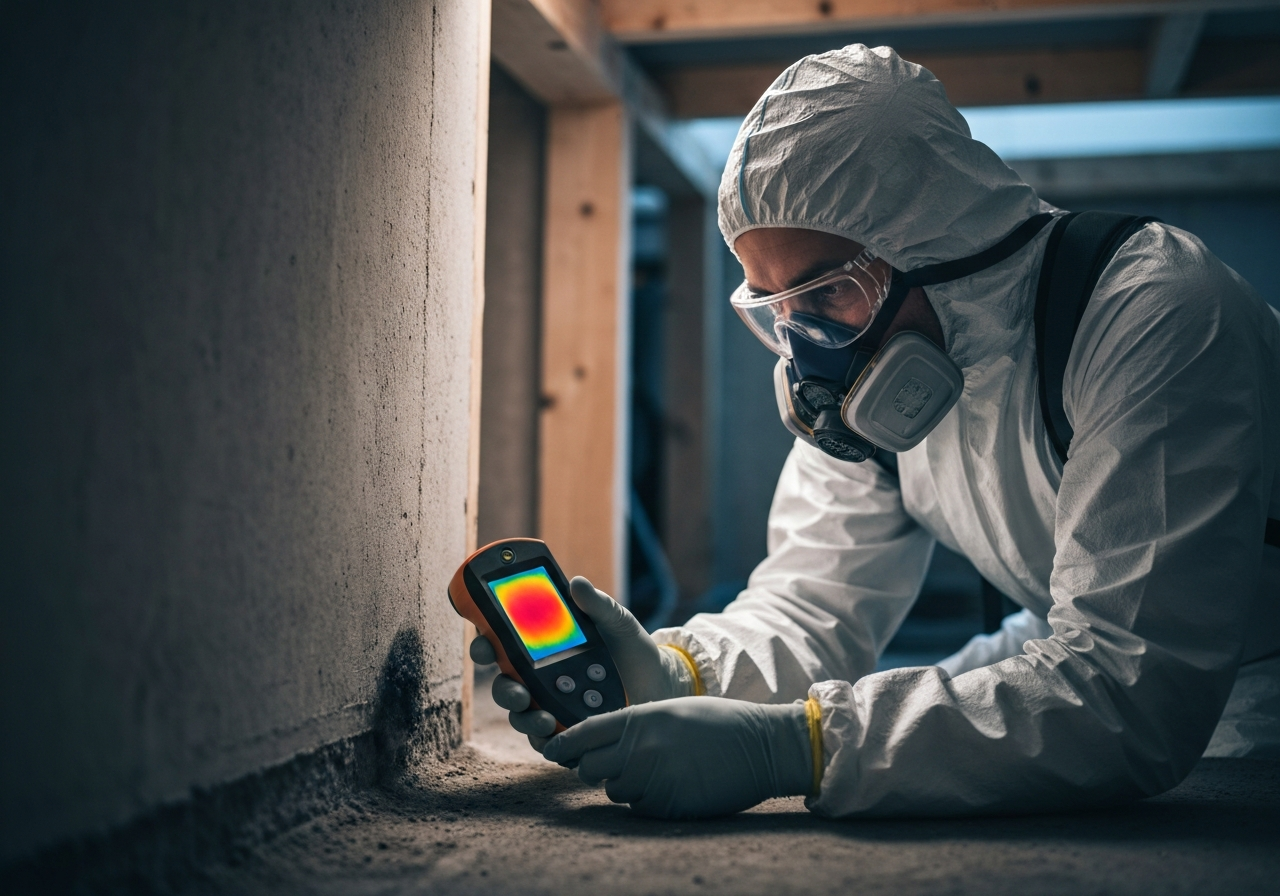
- Initial Site Assessment: Utilizing moisture meters, thermal imaging cameras, and air quality sampling to determine the extent of the infestation.
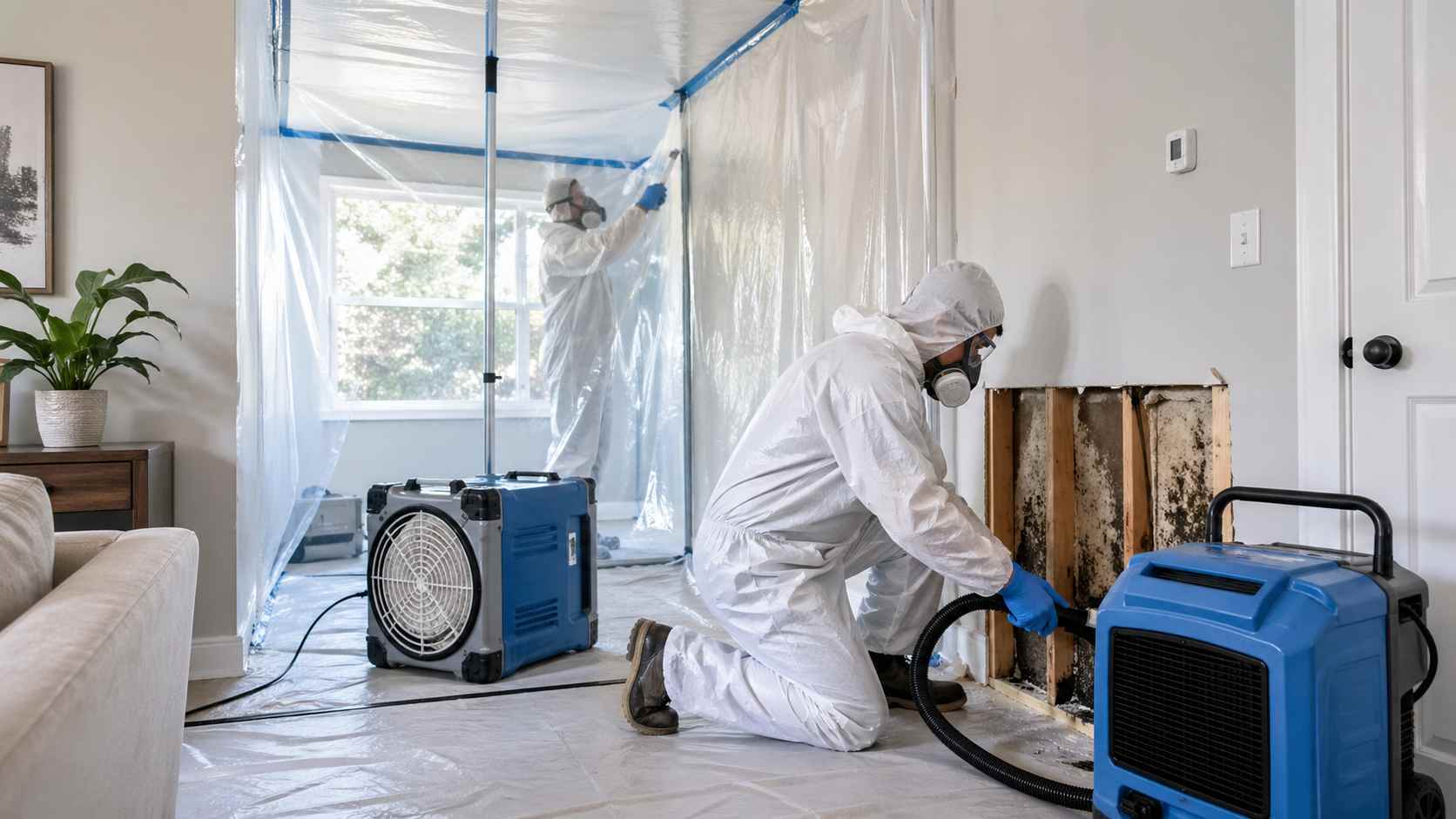
- Containment Installation: Deploying negative air machines and physical barriers (usually 6-mil polyethylene sheeting) to prevent the cross-contamination of unaffected areas.
- HEPA Filtration: Continuous use of High-Efficiency Particulate Air (HEPA) filtration to capture mold spores released into the air during the physical removal process.
- Material Removal and Disposal: Identifying non-porous materials that can be salvaged versus porous materials (such as drywall or insulation) that require professional disposal under containment protocols.
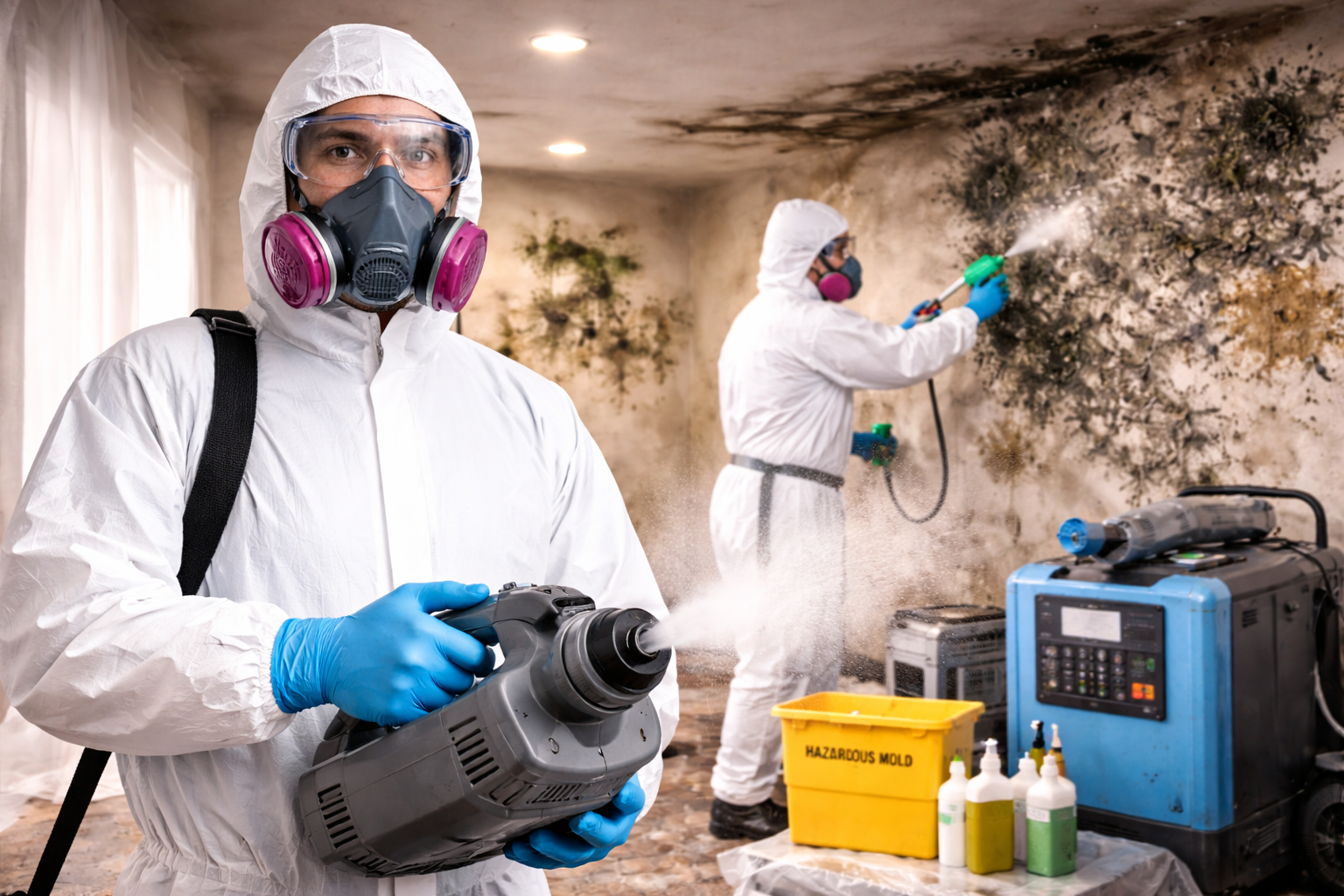
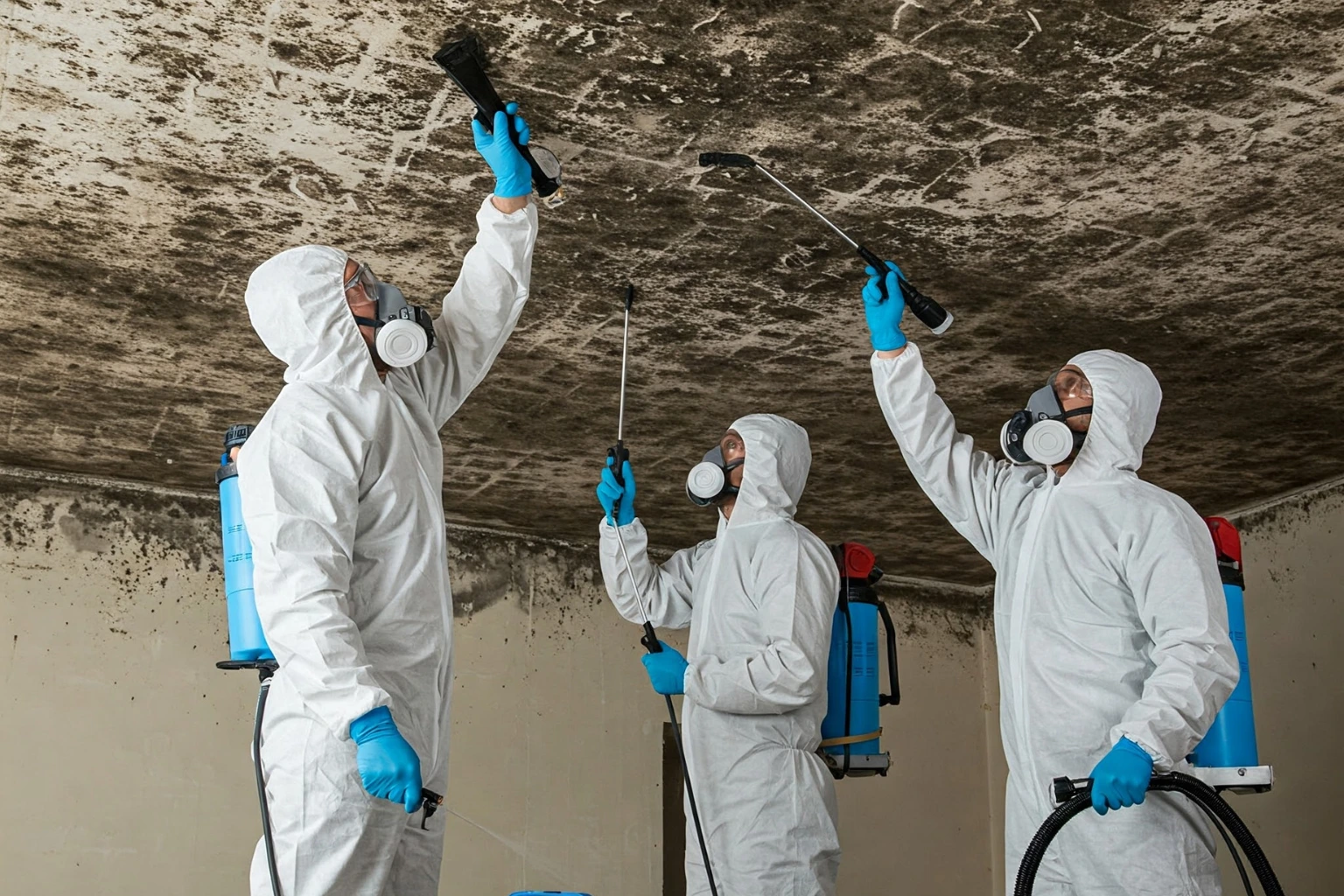
- Structural Cleaning and Sanitization: Applying EPA-registered antimicrobial treatments to non-porous surfaces to neutralize remaining spores.
- Moisture Control and Reconstruction: Identifying and mitigating the source of the water intrusion—whether it is foundation seepage, pipe leaks, or HVAC condensation—followed by the physical restoration of the structure to its pre-loss condition.
The Remediation Process: A Technical Breakdown
Professional remediation follows strict standards, most notably those established by the IICRC (Institute of Inspection, Cleaning and Restoration Certification) S520 Standard for Professional Mold Remediation. In a Naperville context, the sequence is non-negotiable to ensure the safety of building occupants.
Step 1: Diagnostics and Moisture Identification
Before any remediation begins, the professional must identify the moisture source. In Naperville, older homes in the downtown area or subdivisions near the DuPage River may face unique challenges related to high water tables or aging foundation materials. Technicians use hygrometers to measure relative humidity and moisture mapping to identify "hidden" mold behind walls or under flooring.
Step 2: Containment and Engineering Controls
The most dangerous phase of remediation is the physical disruption of mold colonies, which releases millions of spores into the air. Professionals establish "Negative Pressure" zones. By using air scrubbers that exhaust air outside the building, they ensure that the air pressure inside the contaminated zone is lower than the surrounding area, preventing spores from drifting into healthy rooms.
Step 3: Targeted Removal and Remediation
Hard surfaces like metal, glass, or plastic can often be cleaned. However, absorbent materials like drywall, ceiling tiles, and carpeting that have been impacted by significant mold growth are typically discarded. This is a critical distinction between "cleaning" and "remediation"—the latter requires the absolute removal of materials that cannot be sterilized.
Step 4: HEPA Vacuuming and Finishing
Once physical removal is complete, all surfaces within the containment zone undergo vacuuming with HEPA-rated equipment. Final sanitization is performed using antimicrobial biocides. Many professionals in the area also conduct post-remediation verification (PRV), which involves an independent third-party industrial hygienist testing the air to confirm that indoor spore counts have returned to normal, acceptable ranges.
Comparing Remediation vs. Standard Cleaning
| Feature | Professional Remediation | Standard Household Cleaning |
|---|---|---|
| Objective | Full eradication and prevention | Superficial removal |
| Safety Equipment | Full PPE, respirators, Tyvek suits | Household clothing or masks |
| Containment | Negative air pressure, barriers | None |
| Moisture Mitigation | Addressing the root cause | Ignoring the root cause |
| Verification | Third-party testing/PRV | Visual inspection only |
Common Mistakes and Misconceptions
One of the most frequent errors made by homeowners is attempting to use bleach as a primary remediation tool on porous surfaces. While bleach effectively kills surface mold, it does not penetrate porous materials like wood or drywall. In many cases, the water content in bleach may actually provide further hydration for the mold roots (mycelium) deep within the material, causing the growth to return even more aggressively.
Another oversight is the failure to remediate the "source." Even if the visible mold is scrubbed away, failing to fix a leaking foundation or a roof defect will result in a repeat infestation within weeks. Naperville professionals emphasize that remediation is a moisture-management project, not just a cosmetic one.
Selecting a Professional in Naperville
When hiring, residents should look for certifications from the IICRC. Companies should be able to explain their methodology clearly and provide documentation on how they will manage airborne particles during the job. It is standard to request a written estimate that details the scope of the containment, the chemical products being used, and the plan for third-party verification.
Frequently Asked Questions
1. Is mold remediation covered by homeowners insurance in Naperville? It depends entirely on the cause of the moisture. If the mold resulted from a sudden, accidental water event (like a burst pipe), it may be covered. If it resulted from long-term neglect or maintenance issues (like a slow seep through a foundation), it is typically excluded from most standard insurance policies. Always consult your specific policy declaration page.
2. Can I stay in my home during the remediation process? If the mold infestation is confined to a small, isolated area, you may be able to stay in the home, provided that area is properly sealed off. If the contamination is extensive or involves HVAC systems, professionals may recommend that occupants relocate temporarily to avoid exposure to high concentrations of spores.
3. What is the difference between "mold removal" and "mold remediation"? "Removal" is a layperson’s term that implies all mold can be removed. In reality, mold spores are present everywhere in the environment. "Remediation" is the industry-standard term for bringing the mold count down to a level that is normal for the specific geographic area and building type.
4. How long does the remediation process usually take? For small, contained areas, remediation might take two to three days. For larger, structural issues involving multiple rooms or major reconstruction, the process can take several weeks. Factors like the drying time of the building materials and the severity of the original contamination will influence the timeline.
5. Does a "mold-free" guarantee exist? No legitimate professional will guarantee that a building will be "mold-free" forever, as mold is a natural part of the outdoor environment and will always find a way to enter a building. Professionals provide a "remediation" service that returns the building to a sanitary state; maintaining that state is the responsibility of the building owner through humidity control and maintenance.
Recommended Next Actions
If you suspect you have a mold problem, the most critical step is to stop the moisture source immediately. Turn off any water lines that may be leaking or use a dehumidifier to keep indoor humidity levels below 50%. Contact a certified remediation specialist to perform a professional assessment before attempting to disturb or clean the area yourself, as premature disruption can cause spores to spread to previously unaffected areas of your home.
Image Gallery