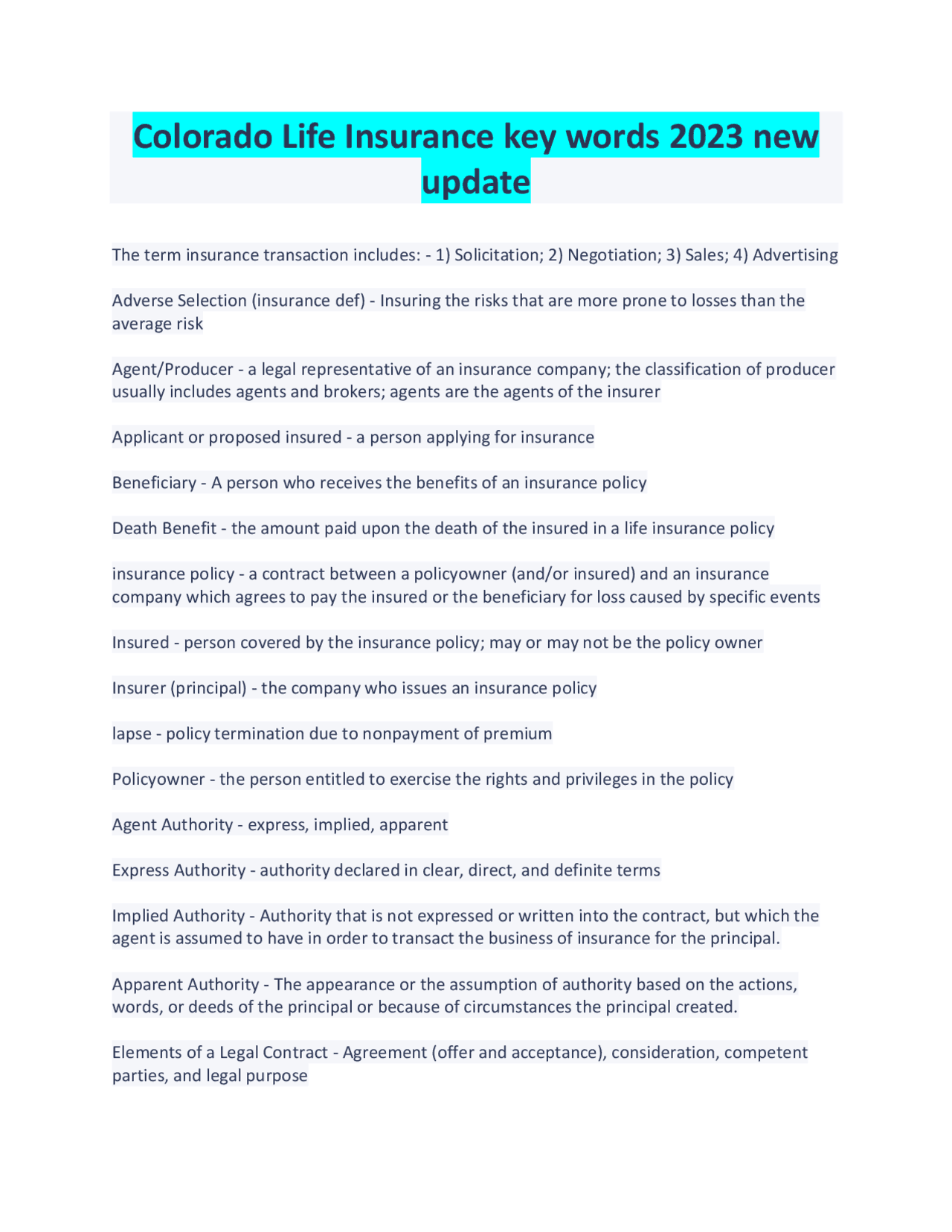
Colorado Life Insurance Handbook PDF: A Comprehensive Guide to Consumer Rights and Regulations (2026)
The Colorado Life Insurance Handbook is an essential regulatory and educational document published by the Colorado Division of Insurance (DOI), part of the Department of Regulatory Agencies (DORA). It serves as a definitive guide for c...
The Colorado Life Insurance Handbook is an essential regulatory and educational document published by the Colorado Division of Insurance (DOI), part of the Department of Regulatory Agencies (DORA). It serves as a definitive guide for consumers to understand policy types, mandatory state provisions, and the "Life Insurance Policy Locator" service. Residents can access the PDF directly through the official Colorado DORA website to ensure they are informed about their legal rights and policyholder protections.
Contents
Understanding the Role of the Colorado Division of Insurance
The Colorado Division of Insurance (DOI) functions as the primary regulatory body overseeing all insurance activities within the state. As we move through 2026, the DOI continues to prioritize consumer education through resources like the Life Insurance Handbook. This document is not merely a marketing brochure; it is a technical manual designed to bridge the gap between complex actuarial language and consumer understanding.
The DOI is headed by the Commissioner of Insurance, who is responsible for enforcing Title 10 of the Colorado Revised Statutes (C.R.S.). These statutes dictate how life insurance products are sold, how premiums are handled, and how claims must be settled. The handbook serves as a localized interpretation of these laws, providing a standard reference point for both policyholders and licensed insurance producers. By reviewing the handbook, consumers can verify if an agent's claims align with Colorado’s strict "Suitability in Annuity Transactions" and life insurance disclosure regulations.
How to Access and Use the Colorado Life Insurance Handbook PDF
Finding the correct version of the handbook is the first step toward informed financial planning. Because insurance regulations can undergo periodic adjustments due to legislative sessions, ensuring you have the most current PDF is vital.
Navigating the DORA Portal
To find the official PDF, visit the Colorado Department of Regulatory Agencies (DORA) website. Under the "Insurance" section, look for the "Consumer Resources" or "Life Insurance" tab. The handbook is typically updated to reflect any changes in the Colorado Life and Health Insurance Protection Association limits or new disclosure requirements.
Key Sections to Prioritize
When you download the PDF, focus on these critical technical sections:
- The Buyer’s Guide: A standardized section required by many states, including Colorado, which explains how to determine how much insurance you need and how to compare costs using the "Interest-Adjusted Cost Index."
- Required Policy Provisions: This lists the mandatory clauses every life insurance policy sold in Colorado must contain.
- The "Free Look" Period: Details your right to cancel a policy for a full refund within a specific timeframe.
- Replacement Regulations: Critical if you are considering canceling an existing policy to buy a new one, as Colorado has specific "Replacement of Life Insurance and Annuities" rules (Regulation 4-1-4) to prevent "churning."
Mandatory Colorado Life Insurance Policy Provisions
Colorado law provides several protections that are automatically included in life insurance contracts, regardless of the insurer. Understanding these provisions is a core goal of the official handbook.
The 31-Day Grace Period
In Colorado, life insurance policies must include a grace period of at least 31 days. If a policyholder misses a premium payment, the coverage does not terminate immediately. Instead, the policy remains in force for 31 days. If the insured individual passes away during this window, the insurer is still required to pay the death benefit, though they may deduct the overdue premium from the final payout. This provision is designed to prevent accidental lapses due to administrative errors or temporary financial hardship.
The 15-Day "Free Look" Period
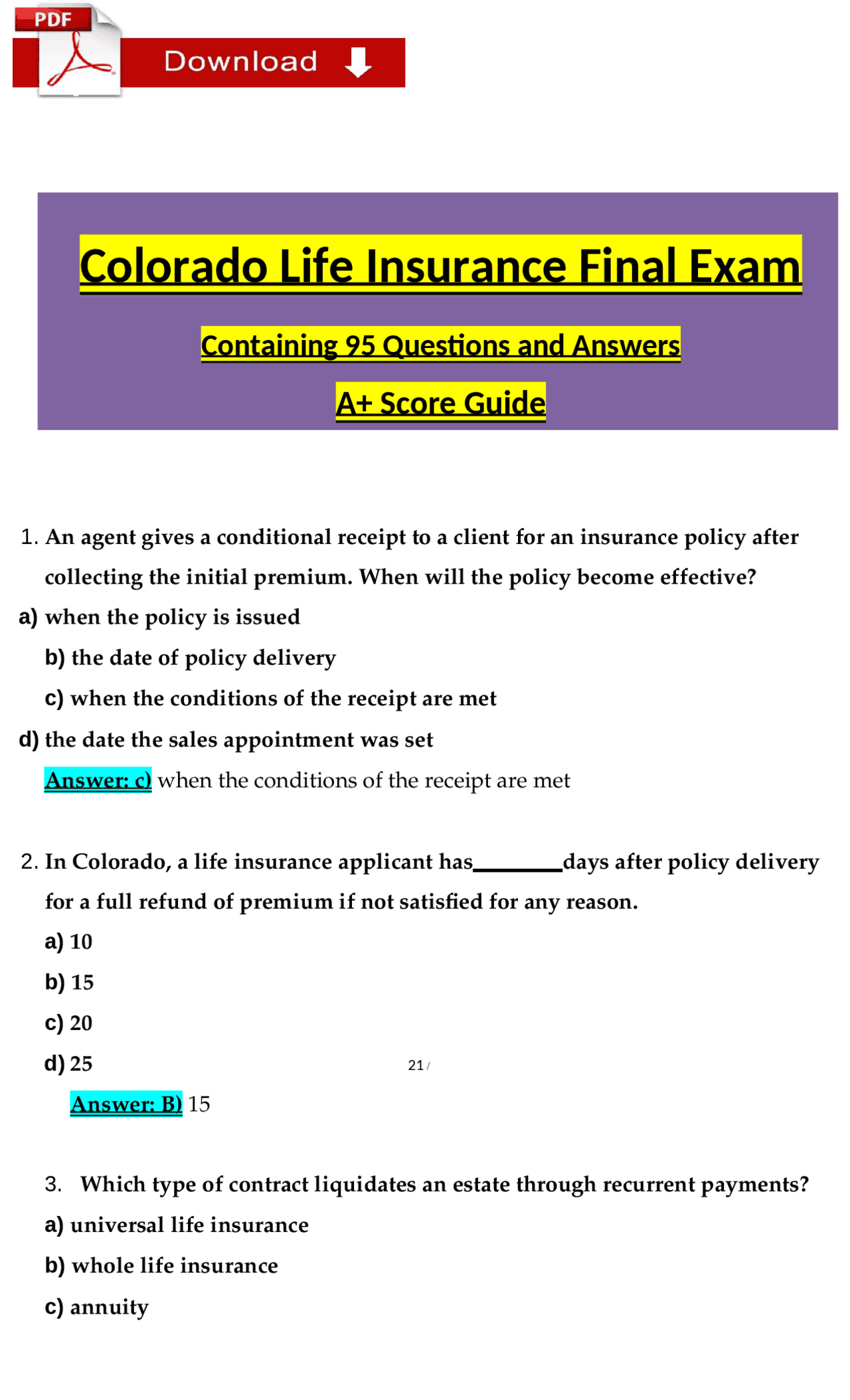
One of the most important consumer protections highlighted in the handbook is the "Free Look" period. For most life insurance policies in Colorado, consumers have 15 days from the date of policy delivery to review the contract. If the consumer is unsatisfied for any reason, they can return the policy for a full refund of all premiums paid. For replacement policies (where you are switching from one company to another), this period is often extended to 30 days to ensure the consumer has ample time to compare the new coverage with the old.
Contestability and Incontestability
Colorado law limits the timeframe during which an insurance company can "contest" a claim based on misstatements in the application. Generally, after a policy has been in force for two years during the lifetime of the insured, the insurer can no longer deny a claim based on errors or omissions in the original application, unless those errors constitute fraud. This provides long-term security for beneficiaries, ensuring that claims won't be denied decades later for minor, honest mistakes made during the underwriting process.
Using the Life Insurance Policy Locator Service
A primary reason consumers search for the Colorado Life Insurance Handbook PDF is to locate "lost" policies belonging to deceased relatives. The Colorado DOI works in conjunction with the National Association of Insurance Commissioners (NAIC) to provide a streamlined search tool.
The NAIC Life Insurance Policy Locator
As of 2026, the NAIC Life Insurance Policy Locator remains the primary method for Colorado residents to track down missing benefits. When a request is submitted, the NAIC notifies all participating insurance companies to search their records for policies matching the deceased individual's criteria.
Steps to Initiate a Search
- Gather Documentation: You will need a certified death certificate and the Social Security number of the deceased.
- Submit Request: Use the NAIC portal or the links provided in the Colorado DOI handbook.
- Review Period: Companies generally have 90 business days to respond if a match is found. Note that for privacy reasons, companies will only contact the designated beneficiaries or legal representatives.
Comparison of Life Insurance Types in Colorado
The handbook categorizes insurance into two main branches: Term and Permanent. Understanding the technical differences is crucial for selecting a policy that aligns with your financial goals.
| Policy Type | Coverage Duration | Cash Value Component | Premium Structure | Ideal Use Case |
|---|---|---|---|---|
| Term Life | 10, 20, or 30 years | No | Fixed for the term | Debt protection (mortgages), income replacement |
| Whole Life | Lifetime | Yes (Guaranteed) | Fixed for life | Final expenses, legacy planning, tax-advantaged growth |
| Universal Life | Lifetime | Yes (Variable) | Flexible premiums | Wealth transfer, those needing adjustable coverage |
| Variable Life | Lifetime | Yes (Market-linked) | Fixed or Flexible | Investors seeking higher growth potential with risk |
The Colorado Life and Health Insurance Protection Association
What happens if your insurance company goes bankrupt? This is a common concern addressed in the handbook. Colorado maintains the Colorado Life and Health Insurance Protection Association (CLHIGA).
If an insurer is declared insolvent by a court, CLHIGA provides a safety net for Colorado residents. As of 2026, the statutory limits for protection are generally:
- $300,000 in life insurance death benefits.
- $100,000 in net cash surrender or withdrawal values for life insurance.
- $250,000 in the present value of annuity benefits.
These protections ensure that even in the event of a corporate failure, policyholders are not left entirely without recourse. It is important to note that these limits apply per person, regardless of the number of policies held with the insolvent company. For more information, consumers can visit the CLHIGA official site.
Common Mistakes to Avoid When Purchasing Coverage
The Colorado DOI highlights several pitfalls in their educational materials that can lead to denied claims or financial loss.
- Material Misrepresentation: Withholding information about tobacco use, chronic illnesses, or hazardous hobbies can lead to a policy being voided during the two-year contestability period. Always be 100% honest on the application.
- Ignoring the "Replacement" Form: If you are replacing a policy, the agent must provide a "Notice Regarding Replacement." Failing to read this can result in losing valuable "grandfathered" benefits from an older policy.
- Lapse due to Address Change: Many policies lapse because the owner moved and forgot to update their address with the insurer, missing the premium notices. Always keep your contact information current.
- Naming "Estate" as Beneficiary: Unless specifically advised by a tax professional, naming your "estate" as the beneficiary can subject the death benefit to probate, delaying the payout to your loved ones.
Frequently Asked Questions
Is the Colorado Life Insurance Handbook updated annually?
While the core principles of life insurance remain stable, the Colorado Division of Insurance updates the handbook and its online resources whenever there are significant changes to the Colorado Revised Statutes or the Department of Regulatory Agencies (DORA) rules. In 2026, the handbook reflects the most current limits for the Guaranty Association and modern digital policy delivery standards.
How long does a company have to pay a life insurance claim in Colorado?
Under Colorado law, insurance companies are expected to pay claims promptly once they receive "due proof of death." If a company delays payment beyond 30 days of receiving all necessary documentation, they are typically required to pay interest on the death benefit proceeds from the date of death until the claim is settled.
Can an insurance company in Colorado cancel my policy if I get sick?
No. Once a life insurance policy is issued and the contestability period has passed, the insurer cannot cancel your coverage or increase your premiums based on a change in your health status. As long as you continue to pay the required premiums, the coverage remains in force.
What should I do if my insurance claim is denied?
If a claim is denied, the insurer must provide a written explanation citing the specific policy language or legal reason for the denial. You have the right to appeal this decision internally with the company. If the dispute remains unresolved, you can file a formal grievance with the Colorado Division of Insurance through their consumer complaint portal.
Are accelerated death benefits available in Colorado?
Yes. Many policies in Colorado offer "Accelerated Death Benefit" riders, which allow a terminally ill policyholder to access a portion of the death benefit while they are still alive. The handbook details that these benefits are typically triggered by a diagnosis of a terminal illness with a life expectancy of 12 to 24 months, depending on the policy terms.
Practical Recommendations
If you are currently reviewing your life insurance options or searching for a policy, your next step should be to download the latest Colorado Life Insurance Handbook PDF from the official DORA website. Use the handbook to cross-reference any quotes you receive from agents, ensuring that the "Free Look" and "Grace Period" terms match the state-mandated minimums. If you are a beneficiary trying to locate a policy, initiate a search through the NAIC Policy Locator immediately, as the process can take several months to finalize.
Image Gallery