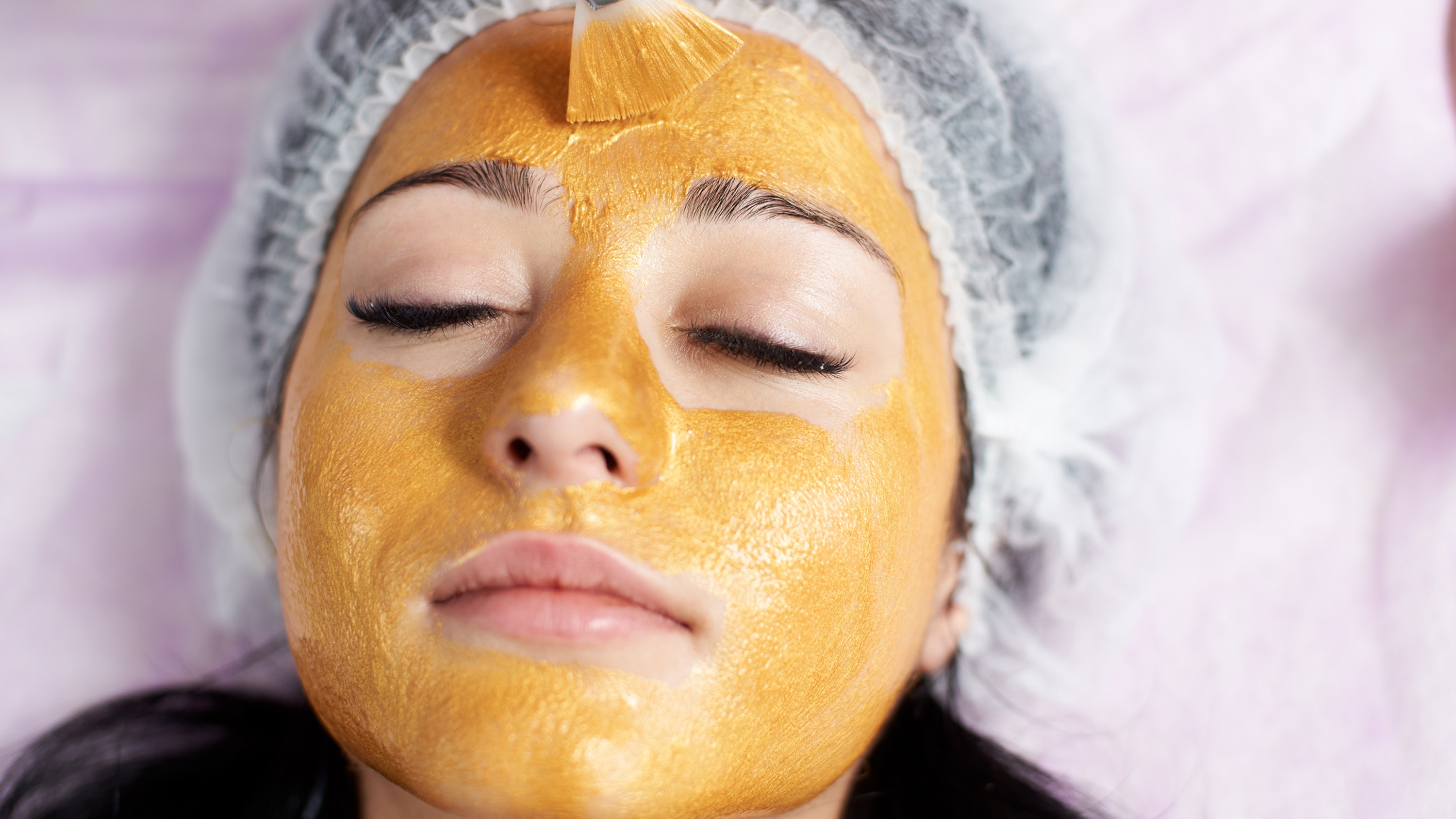
Gold Beauty Products and Their Cultural Significance: A Comprehensive Guide to Luxury and Ritual
Gold beauty products are cosmetic formulations infused with 24K gold leaf, colloidal gold, or gold heptapeptides, used to enhance skin radiance and reduce inflammation. Historically rooted in Egyptian, Chinese, and Indian civilizations...
Gold beauty products are cosmetic formulations infused with 24K gold leaf, colloidal gold, or gold heptapeptides, used to enhance skin radiance and reduce inflammation. Historically rooted in Egyptian, Chinese, and Indian civilizations, these products represent a fusion of status, spiritual divinity, and ancient medicinal belief systems that continue to influence luxury skincare in 2026.
Contents
Beyond its undeniable visual appeal, the use of gold in skincare is driven by a combination of physical properties and deep-seated cultural narratives. While modern science focuses on the element's ability to act as a carrier for active ingredients or its light-reflecting properties, the cultural significance of gold remains a primary driver for its persistence in the global beauty market.
The Cultural Heritage of Gold in Ancient Beauty Rituals
The association between gold and beauty is not a modern marketing invention; it is one of the oldest recorded aesthetic practices in human history. To understand why gold remains a staple in 2026 luxury skincare, one must examine the civilizations that first established its value.
Ancient Egypt: The Flesh of the Gods
In Ancient Egypt, gold was more than a precious metal; it was considered the "flesh of the gods," particularly the sun god Ra. Queen Cleopatra is famously, though perhaps apocryphally, credited with sleeping in a gold mask to preserve her youthful complexion. For the Egyptians, gold represented immortality and divine protection. Its use in burial masks and cosmetic unguents was intended to grant the wearer an eternal, radiant glow that mirrored the sun’s power.
Traditional Chinese Medicine (TCM)
The use of gold in China dates back thousands of years, where it was integrated into medicine and skincare for its perceived "cooling" properties. In the context of Traditional Chinese Medicine, gold was believed to harmonize the body’s energy (Chi) and promote blood circulation. Dynastic royalty utilized gold leaf massages to maintain the "Lustrous Skin of the Empress," a standard of beauty that prioritized a flawless, porcelain-like finish.
Ayurveda and the Vedic Tradition
In India, the tradition of Swarna Bhasma (calcined gold) has been a part of Ayurvedic practice for centuries. According to Vedic texts, gold was a powerful rejuvenator (Rasayana) capable of boosting immunity and slowing the aging process. It was often used in complex herbal pastes applied to the skin to detoxify and improve elasticity. This cultural foundation remains so strong that many modern Indian luxury brands continue to use Ayurvedic gold processing techniques in their 2026 product lines.
The Science of Gold in 2026 Skincare
In the current year of 2026, the gap between ancient ritual and modern dermatology has narrowed. While the "mystical" claims of the past are now viewed through a lens of chemistry, gold’s physical properties provide tangible benefits in high-end formulations.
Colloidal Gold vs. 24K Gold Leaf
It is essential to distinguish between the forms of gold used in products, as their functions vary significantly:
- Colloidal Gold: Consists of sub-microscopic particles of gold suspended in a liquid. Because these particles are so small, they can effectively penetrate the skin barrier. In 2026, colloidal gold is frequently used as a delivery system, "tethering" other active ingredients like peptides or antioxidants to ensure they reach deeper layers of the dermis.
- 24K Gold Leaf/Flakes: These are larger, visible fragments of gold. While they do not "absorb" into the skin in the traditional sense, they provide immediate optical benefits. They reflect light, which blurs the appearance of fine lines and gives the skin an instant, luminous glow.
- Gold Heptapeptides: A bio-engineered advancement where gold is chemically bonded to peptides. This helps stabilize the peptides, preventing them from breaking down before they can stimulate collagen production.
Anti-Inflammatory and Antioxidant Properties
Gold is chemically inert, meaning it does not react easily with other elements. However, in its nanoparticle form, it has shown the potential to neutralize free radicals. By reducing oxidative stress, gold helps mitigate the breakdown of collagen and elastin. Furthermore, gold’s anti-inflammatory properties make it a popular choice for calming redness and soothing sensitive skin types, a claim supported by research into the metal's historical use in treating rheumatoid arthritis.
Comparing Modern Gold Beauty Formulations
The following table outlines the primary categories of gold-infused products available in 2026 and their intended functions.
| Product Type | Primary Gold Form | Key Benefit | Ideal Skin Type |
|---|---|---|---|
| Luxury Serums | Colloidal Gold & Peptides | Deep hydration and cellular repair | Aging or dull skin |
| Sheet Masks | 24K Gold Leaf Coating | Heat retention and instant radiance | All types (pre-event) |
| Eye Patches | Nano-Gold Particles | Lymphatic drainage and depuffing | Tired or puffy eyes |
| Facial Oils | 24K Gold Flakes | Light reflection and moisture sealing | Dry or dehydrated skin |
| Body Luminizers | Mica-Gold Hybrid | Full-body glow and bronzing | All skin tones |
The Symbolic Weight of Gold in the Modern Consumer Experience
The "cultural significance" of gold beauty products in 2026 extends beyond historical facts; it is a psychological phenomenon. When a consumer applies a gold-infused cream, they are participating in a ritual of self-valuation.
Gold as a Marker of Self-Worth
The high price point of gold skincare acts as a psychological "prestige cue." In a global economy where wellness is the ultimate status symbol, using gold is an act of extreme self-care. It signals that the wearer’s body is a temple worthy of the world’s most precious metal. This is particularly prevalent in the "Quiet Luxury" movement of the mid-2020s, where visible branding is replaced by the intrinsic value of the ingredients themselves.
The "Glow" Culture and Digital Aesthetics
In the age of high-definition digital interaction, the "glow" has become the primary aesthetic goal. Gold products provide a physical solution to this digital demand. The light-refractive properties of gold flakes create a "filter-like" effect on the skin, making it a favorite for those who prioritize their appearance in both physical and virtual spaces.
Ethical and Sustainable Sourcing in 2026
As of 2026, the beauty industry has faced significant pressure regarding the ethics of gold mining. Consumers are no longer satisfied with luxury if it comes at a human or environmental cost.
- Fair-Mined Gold: High-end brands now frequently certify that their gold is sourced from artisanal and small-scale mines that provide fair wages and safe working conditions.
- Recycled Gold in Cosmetics: A growing trend involves using "circular gold"—gold reclaimed from the electronics industry and purified to medical-grade standards for use in skincare. This reduces the need for new mining operations.
- Lab-Grown Gold Nanoparticles: Technology now allows for the synthesis of gold particles in controlled laboratory environments, ensuring purity and eliminating the ecological footprint associated with traditional mining.
Potential Limitations and Safety Considerations
While gold is generally safe for most users, it is not without its drawbacks. As a senior technical editor, it is vital to address these limitations for a balanced perspective.
- Contact Dermatitis: Though rare, some individuals have a specific allergy to gold (gold sodium thiosulfate). This can manifest as a persistent rash or redness. It is always recommended to perform a patch test when using high-concentration gold products.
- The "Luxury Markup": In many cases, the amount of gold in a product is so small that its presence is more about marketing than molecular change. Consumers should look for products where gold is listed in the top half of the ingredient list or is paired with proven actives like hyaluronic acid or Vitamin C.
- Environmental Impact: Despite the rise in ethical sourcing, the processing of gold still requires significant energy. Users should weigh the aesthetic benefits against the environmental cost of the product's lifecycle.
Frequently Asked Questions
Does 24K gold actually absorb into the skin?
Pure 24K gold flakes do not absorb into the skin because the atoms are too large to pass through the epidermal barrier. Instead, they sit on the surface to reflect light and provide a radiant finish. However, colloidal gold (gold nanoparticles) is small enough to penetrate the skin and can help deliver other beneficial ingredients more effectively.
Is gold skincare suitable for acne-prone skin?
Gold has natural anti-inflammatory and antibacterial properties, which can theoretically help soothe acne-related redness. However, many gold-infused products are formulated in heavy, oil-based carriers to emphasize a "luxurious" feel. If you have oily or acne-prone skin, look for gold-infused serums or water-based gels rather than heavy creams or oils.
Why are gold beauty products so expensive?
The cost is driven by three factors: the raw price of the gold itself, the advanced technology required to create stable gold nanoparticles or peptides, and the "luxury positioning" of the brand. In 2026, you are also often paying for a premium in ethical sourcing and sustainable packaging.
Can I use gold products with Retinol or Vitamin C?
Yes, gold is chemically stable and generally does not react negatively with other skincare actives. In fact, some 2026 formulations use gold to help stabilize Vitamin C, which is notoriously prone to oxidation. Always introduce new products one at a time to monitor for sensitivity.
Is there a difference between "gold-colored" and "gold-infused"?
Significant difference. Many lower-priced products use synthetic mica or iron oxides to create a gold-colored shimmer. These provide an aesthetic glow but offer none of the potential antioxidant or anti-inflammatory benefits of actual elemental gold (listed as Aurum or Gold in the ingredients).
Final Recommendation: Integrating Gold into Your Routine
For those looking to explore the cultural and physical benefits of gold beauty products in 2026, the most effective approach is to prioritize colloidal gold serums. These provide the best balance of ancient ritual and modern delivery technology. If your goal is purely aesthetic—such as preparing for a high-profile event—a 24K gold leaf mask offers the most immediate visual "lift" and radiance.
When purchasing, verify the sourcing of the gold to ensure your beauty ritual aligns with modern ethical standards. Look for "Fair-mined" or "Recycled Gold" certifications to ensure that your pursuit of a timeless glow does not compromise the future of the planet.
Image Gallery