How to Choose the Right Prom Dress
Choosing the right prom dress involves evaluating your personal style, understanding your body shape, setting a realistic budget, and allowing enough time for crucial alterations. By balancing these practical factors with current trend...
Choosing the right prom dress involves evaluating your personal style, understanding your body shape, setting a realistic budget, and allowing enough time for crucial alterations. By balancing these practical factors with current trends and comfort, you can select a gown that makes you look and feel confident throughout the special night.
Contents
Understanding Your Personal Style and Vision
Before browsing racks or scrolling through online boutiques, defining your personal fashion identity prevents decision fatigue. Prom is a rare opportunity to wear formal attire, and your choice should reflect who you are rather than what a current trend dictates. Take time to look through mood boards, celebrity red-carpet looks, or past prom galleries to identify recurring themes you gravitate toward.
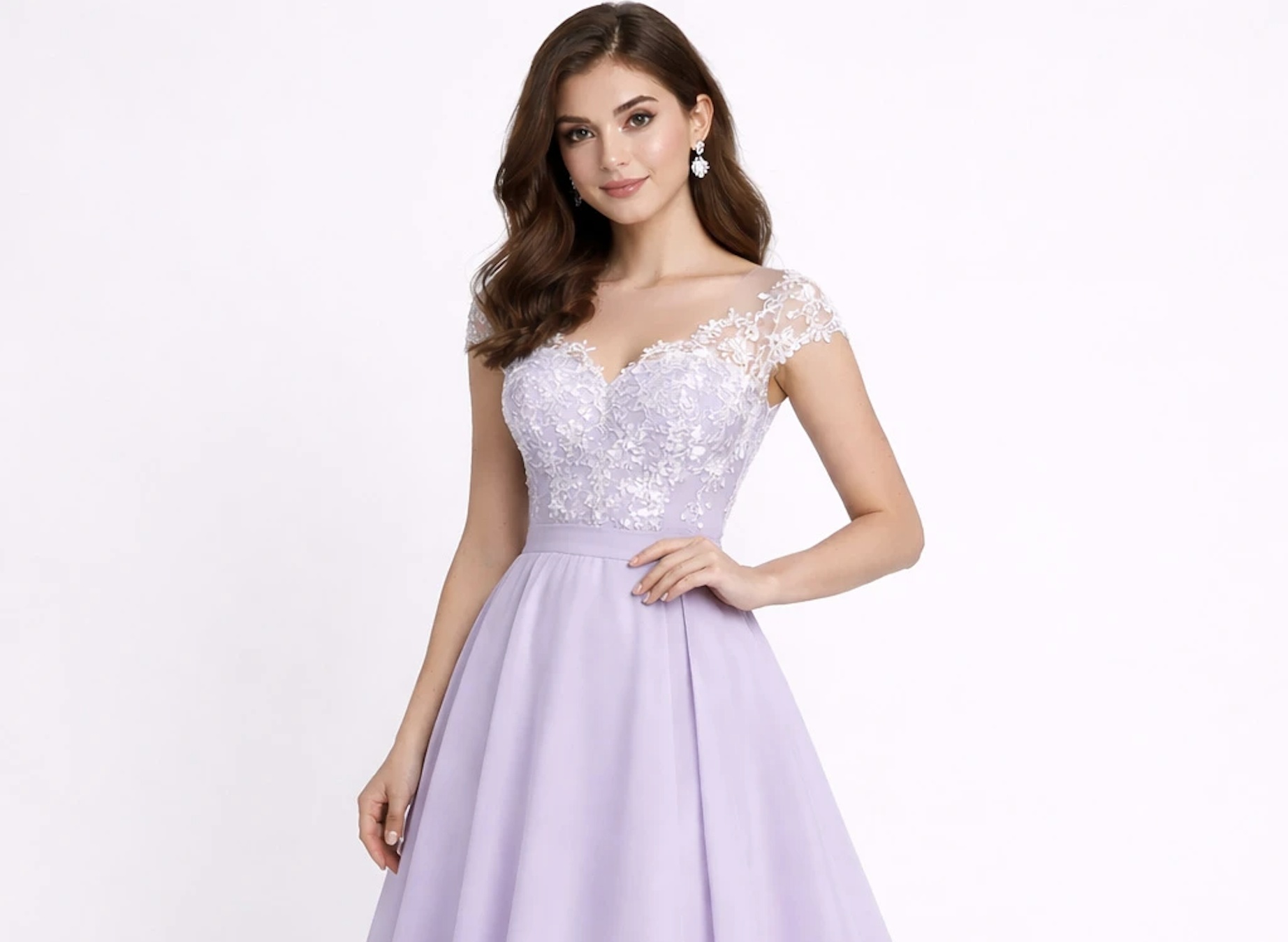
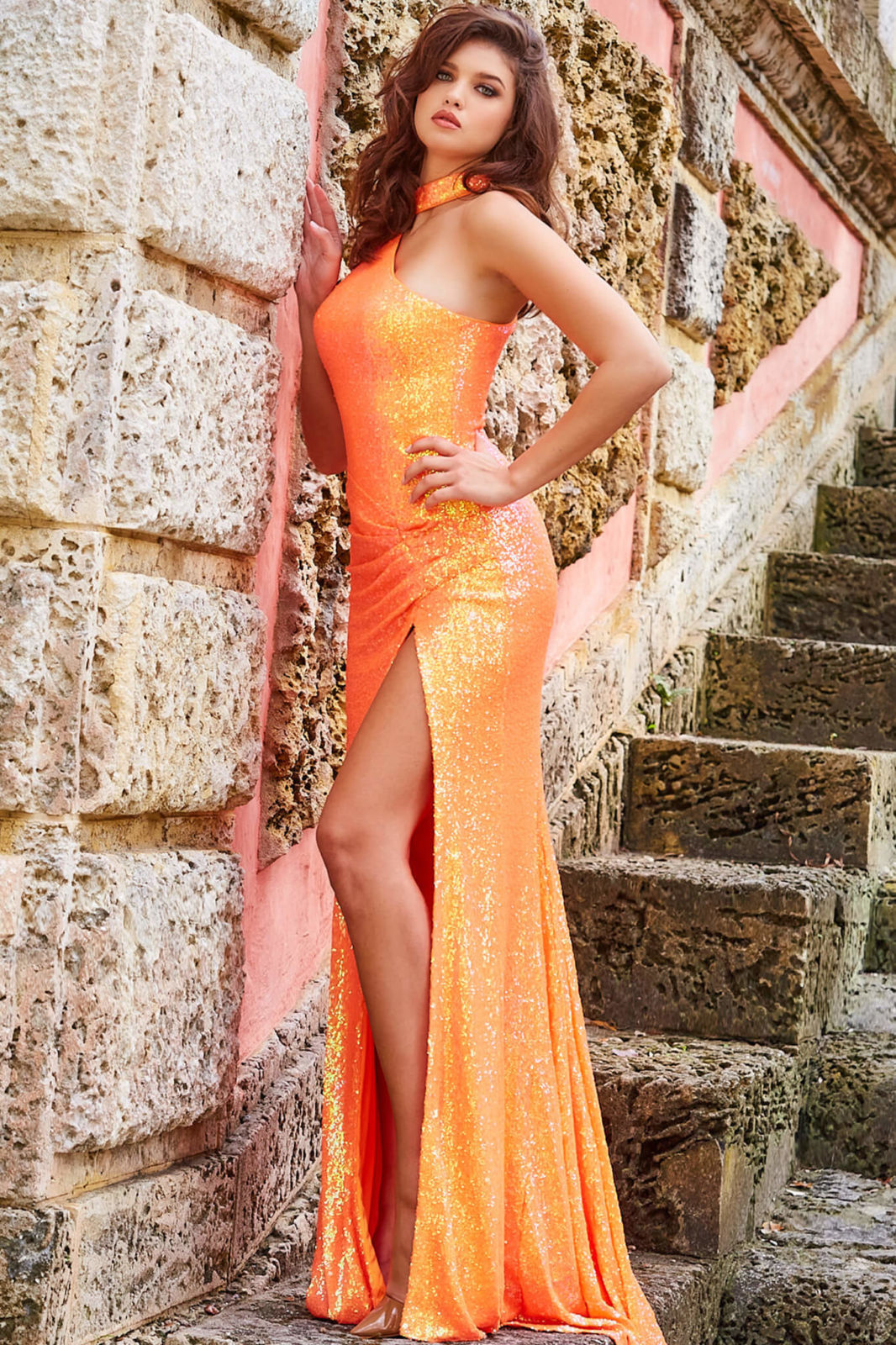
Are you naturally drawn to minimalist silhouettes with clean lines, or do you prefer dramatic ballgowns with layers of tulle and intricate beadwork? Consider the overall vibe you want to project. Some attendees prefer a classic, timeless look that will still feel elegant when looking back at photographs decades later, while others want a bold, modern, or edgy aesthetic featuring high slits, geometric cutouts, or vibrant metallic fabrics. Writing down three adjectives that describe your ideal look—such as "sophisticated," "bohemian," or "glamorous"—can act as a reliable compass when sorting through hundreds of dress options.
Evaluating Body Shapes and Silhouette Selection
Understanding how different silhouettes interact with various body proportions is one of the most effective ways to narrow down your choices. While fashion rules are ultimately meant to be broken in favor of personal preference, certain cuts naturally enhance specific features and provide superior structural comfort during long hours of sitting, dancing, and walking.
The following table outlines standard prom dress silhouettes, their structural characteristics, and the body types they most frequently complement:
| Silhouette | Description & Structure | Best Suited For | Key Considerations |
|---|---|---|---|
| A-Line | Fitted bodice that flares out gradually from the waist down in the shape of a capital "A." | Universally flattering on almost all body types. | Highly versatile; comfortable for dancing and sitting. |
| Ballgown | Fitted bodice paired with a very voluminous, full skirt supported by crinoline or petticoats. | Pear-shaped and hourglass figures; adds volume to lower or upper frames. | Can be heavy and difficult to maneuver in crowded spaces. |
| Mermaid / Trumpet | Form-fitting through the bodice, waist, and hips, flaring out dramatically at or below the knees. | Hourglass and athletic figures wanting to accentuate curves. | Restricts movement; ensure the flare starts high enough for comfortable walking. |
| Sheath / Column | Straight, narrow cut that drapes closely from the neckline to the hemline. | Tall, slender, or petite frames with balanced proportions. | Offers minimal room for error; requires seamless undergarments. |
| Empire Waist | High waistline that sits just below the bust, with a loose, flowing skirt falling below. | Petite figures and those wanting to elongate the lower body. | Can sometimes resemble maternity wear if the fabric lacks structure. |
Setting a Realistic Budget and Managing Hidden Costs
Finances play a pivotal role in the dress selection process, and establishing a firm budget early prevents unnecessary stress. Prom expenses extend far beyond the initial price tag of the garment itself. When calculating your total expenditure, you must account for several mandatory auxiliary costs that frequently catch buyers by surprise.
- Alterations: Rarely does an off-the-rack dress fit perfectly immediately. Professional tailoring for hems, bust adjustments, and strap shortening can range from $50 to over $200 depending on fabric layers and complexity.
- Undergarments: Specialty items such as backless bras, shapewear, or sewn-in cups are often necessary to support specific necklines and open-back designs.
- Footwear and Accessories: Shoes, evening bags, earrings, necklaces, and hair accessories can add a substantial amount to the final bill.
- Shipping and Taxes: Online orders frequently incur shipping fees, duties, or non-refundable return charges if the garment requires an exchange.
It is wise to communicate your maximum spending limit to boutique stylists or filter online search results strictly by price before trying anything on. Falling in love with a gown that sits outside your financial reach only complicates the shopping experience.
Timing Your Purchase and Managing Alterations
Timing is critical in the prom preparation timeline. Shopping too early can mean missing out on newly released seasonal collections, while shopping too late severely limits your options and leaves insufficient time for professional tailoring.
[Start Shopping: Jan–Feb] ➔ [Purchase Dress: Late Feb–Early Mar] ➔ [Book Tailor: 4-6 Weeks Before Prom] ➔ [Final Fitting: 1 Week Before]
The Tailoring Window
Most alterations require anywhere from two to six weeks, particularly during peak prom and wedding season in the spring. Schedule your first fitting at least four to six weeks before the event. Crucially, ensure you bring the exact shoes and undergarments you plan to wear to every fitting session, as even a half-inch difference in heel height dramatically alters the required hemline.
Shopping In-Store Versus Online
Both physical boutiques and online retailers offer distinct advantages and drawbacks. Understanding how to navigate each channel helps minimize the risk of receiving an ill-fitting or substandard garment.
Buying from a Local Boutique
Visiting a physical store allows you to assess fabric quality, test the weight of beadwork, verify color accuracy under natural lighting, and try on multiple sizes instantly. Many local boutiques maintain an exclusive registry system, ensuring they will not sell the exact same dress in the same color to another student from your high school. However, prices in brick-and-mortar stores can include higher markups, and selection is limited to current stock.
Ordering Online
Online shopping provides access to a global inventory, often at competitive price points. When buying online, always consult the retailer's detailed size chart rather than relying on standard retail sizing, as formalwear frequently runs smaller than everyday clothing. Review the return policy meticulously: verify whether refunds are permitted, how quickly returns must be initiated, and whether restocking fees apply. Be cautious of extremely discounted designer dresses on unverified marketplaces, as counterfeit replicas utilizing cheap synthetic fabrics and distorted silhouettes are common.
Frequently Asked Questions
How far in advance should I start looking for a prom dress?
You should begin browsing and researching styles in January or February, with the goal of purchasing your dress by late February or early March. This schedule leaves ample time for shipping, exchanges, and professional alterations without rushing.
What should I bring when trying on dresses at a boutique?
Bring a strapless nude bra, seamless underwear, and a pair of shoes with a similar heel height to what you plan to wear on prom night. It is also helpful to wear minimal makeup to avoid staining delicate gown fabrics.
Are alterations really necessary for a prom dress?
In most cases, yes. Standard dress sizes are manufactured to fit general body proportions, so professional adjustments to the straps, torso, or hem are almost always required to achieve a flawless, comfortable fit.
Can I wear a short dress to prom instead of a floor-length gown?
Yes. While floor-length gowns are traditional, modern prom fashion embraces high-low hemlines, cocktail dresses, and sophisticated two-piece sets. Always check if your school enforces a specific dress code regarding hem lengths.
How do I prevent my dress from wrinkling before the event?
Store your dress in a breathable garment bag hung upright in a cool, dry closet. If the fabric develops wrinkles, use a handheld fabric steamer rather than a traditional iron, which can easily melt delicate materials like tulle, chiffon, or satin.
Final Recommendations
Selecting the right prom dress comes down to striking a harmonious balance between personal expression, physical comfort, and logistical preparation. Prioritize a garment that allows you to move, dance, and celebrate freely without constant adjustment. Once you secure a dress that makes you feel radiant and confident, focus your energy on enjoying the milestone evening with your peers.
Image Gallery