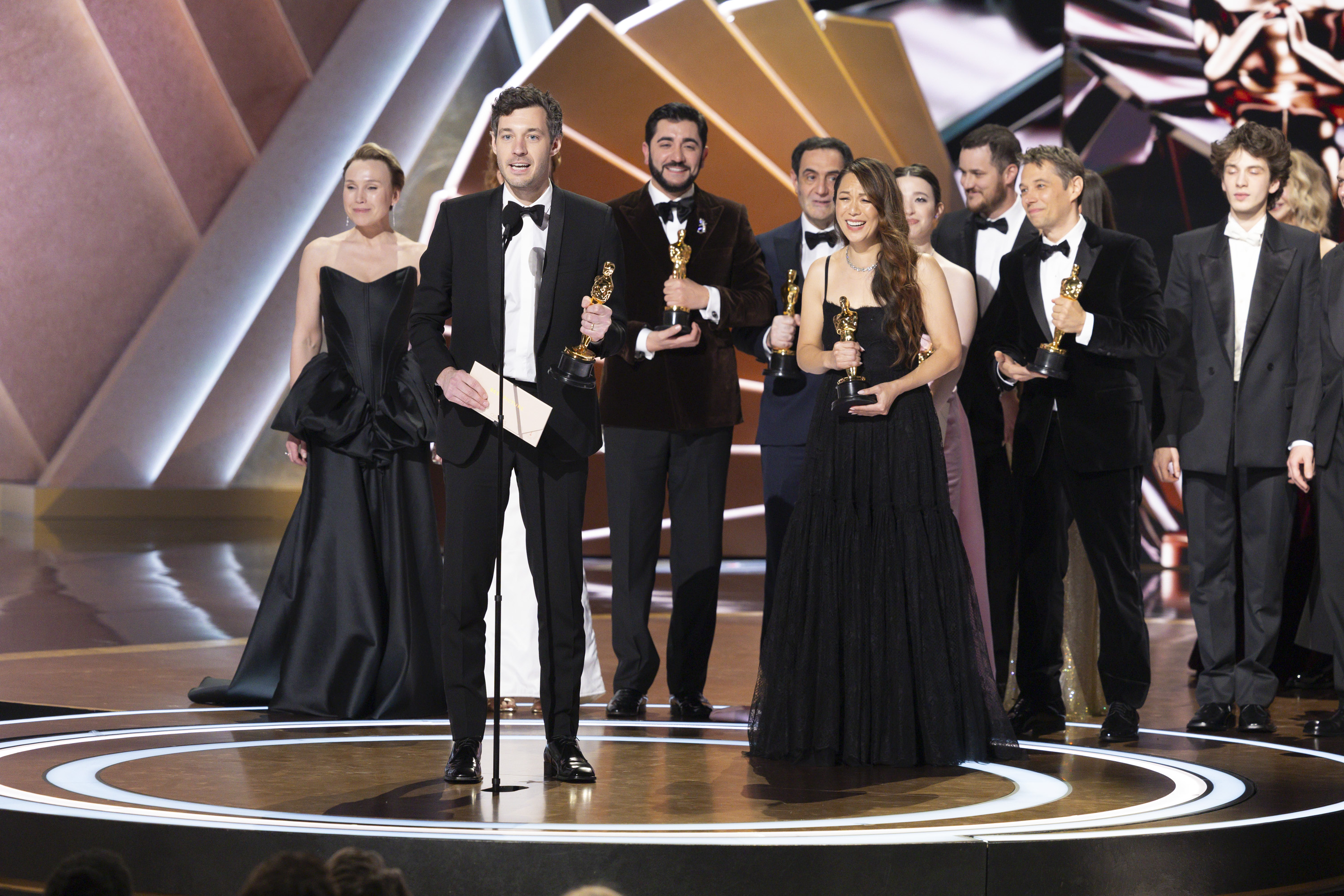
Analysis of the 2008 Best Picture Winner and the 80th Academy Awards Legacy
The Academy Award for Best Picture in 2008 was awarded to No Country for Old Men, a neo-Western crime thriller directed, written, and edited by Joel and Ethan Coen. The film secured this prestigious honor at the 80th Academy Awards cer...
The Academy Award for Best Picture in 2008 was awarded to No Country for Old Men, a neo-Western crime thriller directed, written, and edited by Joel and Ethan Coen. The film secured this prestigious honor at the 80th Academy Awards ceremony on February 24, 2008, prevailing over a highly competitive field that included There Will Be Blood and Atonement.
Contents
The Definitive Impact of the 2008 Best Picture Selection
As we evaluate the cinematic landscape from the perspective of 2026, the 80th Academy Awards remain a pivotal moment in film history. This ceremony honored the films of 2007, a year widely regarded by critics and scholars as one of the most significant for American cinema in the 21st century. The victory for No Country for Old Men marked a rare instance where the Academy of Motion Picture Arts and Sciences (AMPAS) favored a dark, nihilistic, and unconventional narrative over more traditional "Oscar bait" epics.
The selection of No Country for Old Men was not merely a recognition of the Coen Brothers' technical prowess but a validation of a specific type of filmmaking that eschewed traditional Hollywood tropes. The film’s lack of a musical score, its sudden and polarizing ending, and its relentless tension established a new benchmark for the thriller genre. In the years following 2008, the industry saw a shift toward grittier, more grounded storytelling, influenced heavily by the success of this production.
Deep Dive into the Winner: No Country for Old Men
Produced by Scott Rudin, Ethan Coen, and Joel Coen, No Country for Old Men was adapted from the 2005 novel of the same name by Cormac McCarthy. The narrative follows a welder and Vietnam War veteran, Llewelyn Moss (Josh Brolin), who stumbles upon a drug deal gone wrong and absconds with two million dollars. He is subsequently hunted by Anton Chigurh (Javier Bardem), a relentless hitman who represents an almost elemental force of chaos and violence.
Narrative and Thematic Complexity
The film operates on multiple levels, blending the Western genre with the "cat and mouse" thriller. However, its core lies in the existential crisis of Sheriff Ed Tom Bell (Tommy Lee Jones). Bell’s perspective provides the moral framework of the story, as he laments the changing nature of crime and the perceived loss of a simpler, more understandable world.
The title itself, taken from William Butler Yeats' poem "Sailing to Byzantium," underscores the central theme: the world is no longer a place where the aging and the righteous can find footing or justice. This thematic depth is what elevated the film in the eyes of the Academy voters in 2008, moving it beyond a standard pursuit narrative.
Technical and Directorial Achievements
The Coen Brothers utilized a minimalist approach that was technically revolutionary for its time. Working with cinematographer Roger Deakins, the directors used the vast, desolate landscapes of West Texas (shot largely in New Mexico) to create a sense of isolation and inevitability.
Director of Photography Insights
Roger Deakins' use of natural light and shadows in No Country for Old Men created a visual language that emphasized the predatory nature of the antagonist. The use of wide-angle shots to capture the horizon contrasted sharply with the claustrophobic interiors of motels and vehicles, heightening the tension without the need for traditional jump scares or a driving musical score.
The decision to omit a traditional orchestral score was a bold choice. Sound designer Skip Lievsay focused on ambient noises—the whistling wind, the metallic click of Chigurh’s captive bolt pistol, and the crunch of gravel—to build an immersive atmosphere that felt more threatening than any musical accompaniment could achieve.
The Formidable Nominees of 2008
The 80th Academy Awards featured one of the strongest Best Picture lineups in the history of the Oscars. Each nominee represented a high-water mark for their respective genres and directors.
There Will Be Blood
Directed by Paul Thomas Anderson, There Will Be Blood is often cited in 2026 as the primary rival to the Coen Brothers' masterpiece. Centered on the character of Daniel Plainview (Daniel Day-Lewis), a silver miner turned oilman, the film is a sprawling epic about greed, religion, and the American dream. Daniel Day-Lewis won the Best Actor award for his performance, which remains a cornerstone of method acting study.
Atonement
Atonement, directed by Joe Wright and based on Ian McEwan’s novel, represented the high-art period drama. It was praised for its intricate structure, lush cinematography, and a particularly famous five-minute tracking shot on the beach at Dunkirk. While it was a favorite for technical awards, it ultimately could not overcome the momentum of the more contemporary-feeling thrillers.
Michael Clayton
Michael Clayton, written and directed by Tony Gilroy, was a sophisticated legal thriller that focused on the moral compromises of corporate law. George Clooney’s performance as a "fixer" for a prestigious New York law firm received critical acclaim, and Tilda Swinton won the Best Supporting Actress award for her role as a ruthless corporate counsel.
Juno
Directed by Jason Reitman and written by Diablo Cody, Juno was the "indie" success story of the year. It brought a fresh, witty, and honest perspective to the topic of teenage pregnancy. Diablo Cody won the Oscar for Best Original Screenplay, and the film’s commercial success proved that low-budget, character-driven stories could still compete on the world’s largest stage.
2008 Academy Award Best Picture Nominee Comparison
| Film | Director | Primary Genre | Key Awards Won (Oscars) | Rotten Tomatoes Score (2026) |
|---|---|---|---|---|
| No Country for Old Men | Joel & Ethan Coen | Neo-Western / Thriller | Best Picture, Director, Supp. Actor, Adapted Screenplay | 93% |
| There Will Be Blood | Paul Thomas Anderson | Period Drama / Epic | Best Actor, Cinematography | 91% |
| Atonement | Joe Wright | Romantic War Drama | Best Original Score | 83% |
| Michael Clayton | Tony Gilroy | Legal Thriller | Best Supporting Actress | 91% |
| Juno | Jason Reitman | Indie Comedy-Drama | Best Original Screenplay | 94% |
Why No Country for Old Men Won: Expert Strategic Analysis
The victory for No Country for Old Men was the result of a "perfect storm" of critical consensus, industry respect, and timing. In the lead-up to the 2008 ceremony, the film swept the major guild awards, which are often the most reliable predictors of Academy success.
- The Producers Guild of America (PGA) Award: No Country for Old Men won the Darryl F. Zanuck Award for Outstanding Producer of Theatrical Motion Pictures. Since the PGA uses a preferential balloting system similar to the Academy’s Best Picture vote, this win was a critical indicator.
- The Directors Guild of America (DGA) Award: The Coen Brothers’ win at the DGA solidified their status as the frontrunners. Historically, the DGA winner and the Best Picture winner have a high correlation.
- The Screen Actors Guild (SAG) Awards: Javier Bardem’s win for Best Supporting Actor at SAG signaled deep support within the largest voting bloc of the Academy—the actors.
Beyond the awards circuit, the film benefited from its status as a "modern classic." While There Will Be Blood was equally acclaimed, some voters found it more alienating due to its intense focus on a single, unlikable protagonist. No Country for Old Men, despite its violence, offered a more visceral and engaging viewing experience that resonated with a broader cross-section of the Academy.
The Writers Guild Strike Context
The 80th Academy Awards almost did not happen in its traditional format. The 2007–2008 Writers Guild of America (WGA) strike caused significant disruption to the awards season. The Golden Globes ceremony was canceled and replaced with a press conference. However, the strike was resolved just weeks before the Oscars, allowing the ceremony to proceed on February 24, 2008.
This context is important because it influenced the industry’s mood. There was a sense of relief and a desire to celebrate the resilience of the film community. The high quality of the 2007 film slate, led by No Country for Old Men, provided the perfect justification for a grand, televised celebration of cinema.
Looking Back from 2026: The Legacy of 2008
Nearly two decades later, the 2008 Best Picture winner continues to influence modern filmmaking. We see its DNA in the "prestige" television boom of the 2010s and 2020s, where moral ambiguity and slow-burn pacing became the standard for high-end drama.
From a technical SEO and content perspective, "Best Picture Award 2008" remains a high-volume search term because it represents a specific peak in cultural production. Scholars and enthusiasts frequently compare No Country for Old Men and There Will Be Blood in a way few other years are scrutinized. This year serves as a case study for "The Great Year" theory in cinema, similar to 1939, 1974, or 1999.
Impact on the Coen Brothers' Career
Before 2008, the Coen Brothers were respected "auteur" filmmakers with a devoted cult following but limited Academy recognition (aside from their screenplay win for Fargo). Their Best Picture and Best Director wins for No Country for Old Men moved them into the top tier of Hollywood royalty. It allowed them to pursue even more ambitious projects like True Grit and Inside Llewyn Davis with significant studio backing and creative freedom.
Frequently Asked Questions
Which movie won the Oscar for Best Picture in 2008?
The winner of the Best Picture Oscar in 2008 was "No Country for Old Men," directed by Joel and Ethan Coen. It was the 80th Academy Awards ceremony, and the film beat out four other nominees: "There Will Be Blood," "Atonement," "Michael Clayton," and "Juno."
"No Country for Old Men" is recognized for its intense atmosphere and the portrayal of the villainous Anton Chigurh by Javier Bardem. The film’s victory was a significant moment for the Coen Brothers, who also took home awards for Best Director and Best Adapted Screenplay that same night.
Who was the villain in the 2008 Best Picture winner?
The primary antagonist in "No Country for Old Men" is Anton Chigurh, played by Javier Bardem. Chigurh is a hitman who uses a captive bolt pistol as his signature weapon and often decides the fate of his victims with a coin toss.
Javier Bardem’s performance earned him the Academy Award for Best Supporting Actor. The character has since been analyzed by psychologists and film critics as one of the most accurate portrayals of a clinical psychopath in cinematic history, contributing significantly to the film's enduring legacy.
Was 'There Will Be Blood' nominated for Best Picture in 2008?
Yes, "There Will Be Blood" was one of the five nominees for Best Picture at the 80th Academy Awards in 2008. While it did not win the top prize, it was a major contender and won two Oscars: Best Actor for Daniel Day-Lewis and Best Cinematography for Robert Elswit.
The competition between "There Will Be Blood" and "No Country for Old Men" is still debated by film fans in 2026. Many critics consider both films to be among the greatest of the century, and the fact that they were released in the same year is often cited as proof of the exceptional quality of 2007 cinema.
How many Oscars did 'No Country for Old Men' win in total?
"No Country for Old Men" won a total of four Academy Awards out of eight nominations. The categories won were Best Picture, Best Director (Joel and Ethan Coen), Best Supporting Actor (Javier Bardem), and Best Adapted Screenplay (Joel and Ethan Coen).
The film was also nominated for Best Cinematography, Best Film Editing, Best Sound Editing, and Best Sound Mixing. Its four wins made it the most successful film of the night at the 80th Academy Awards.
Why is 2007/2008 considered such a great year for movies?
The films released in 2007 and honored in 2008 are considered a "renaissance" for American cinema due to the simultaneous release of several masterworks from established and emerging directors. Along with the Oscar nominees, the year saw the release of "The Assassination of Jesse James by the Coward Robert Ford," "Zodiac," and "Ratatouille."
This period marked a shift toward more complex, adult-oriented storytelling that succeeded both critically and commercially. In 2026, film historians look back at this era as a time when the industry successfully balanced artistic ambition with mainstream appeal before the massive shift toward franchise-dominated slate programming.
Strategic Recommendation for Film History Researchers
For those conducting a deep-dive analysis of the 2008 awards season, it is essential to look beyond the Best Picture category. The technical achievements in cinematography and sound design during this year set the standard for the digital transition that occurred shortly thereafter.
Researchers should focus on the interplay between the Writers Guild strike and the eventual winners, as the labor dispute significantly shaped the narrative of the "struggling artist" that year. Furthermore, a comparative study of the "No Country for Old Men" screenplay versus the original McCarthy novel provides invaluable insights into the art of adaptation and the economy of dialogue in high-stakes filmmaking.
Image Gallery