Einans at Sunset: Capturing and Experiencing Coastal Twilight in 2026
Einans at sunset offers a mesmerizing coastal viewing experience, combining dramatic lighting, unique geographic sightlines, and serene environmental atmospheres. Whether you are planning a photography expedition or an evening coastal...
Einans at sunset offers a mesmerizing coastal viewing experience, combining dramatic lighting, unique geographic sightlines, and serene environmental atmospheres. Whether you are planning a photography expedition or an evening coastal walk, understanding the local lighting dynamics, optimal vantage points, and atmospheric conditions ensures a safe and rewarding experience.
Contents
Understanding the Phenomenon of Coastal Sunsets at Einans
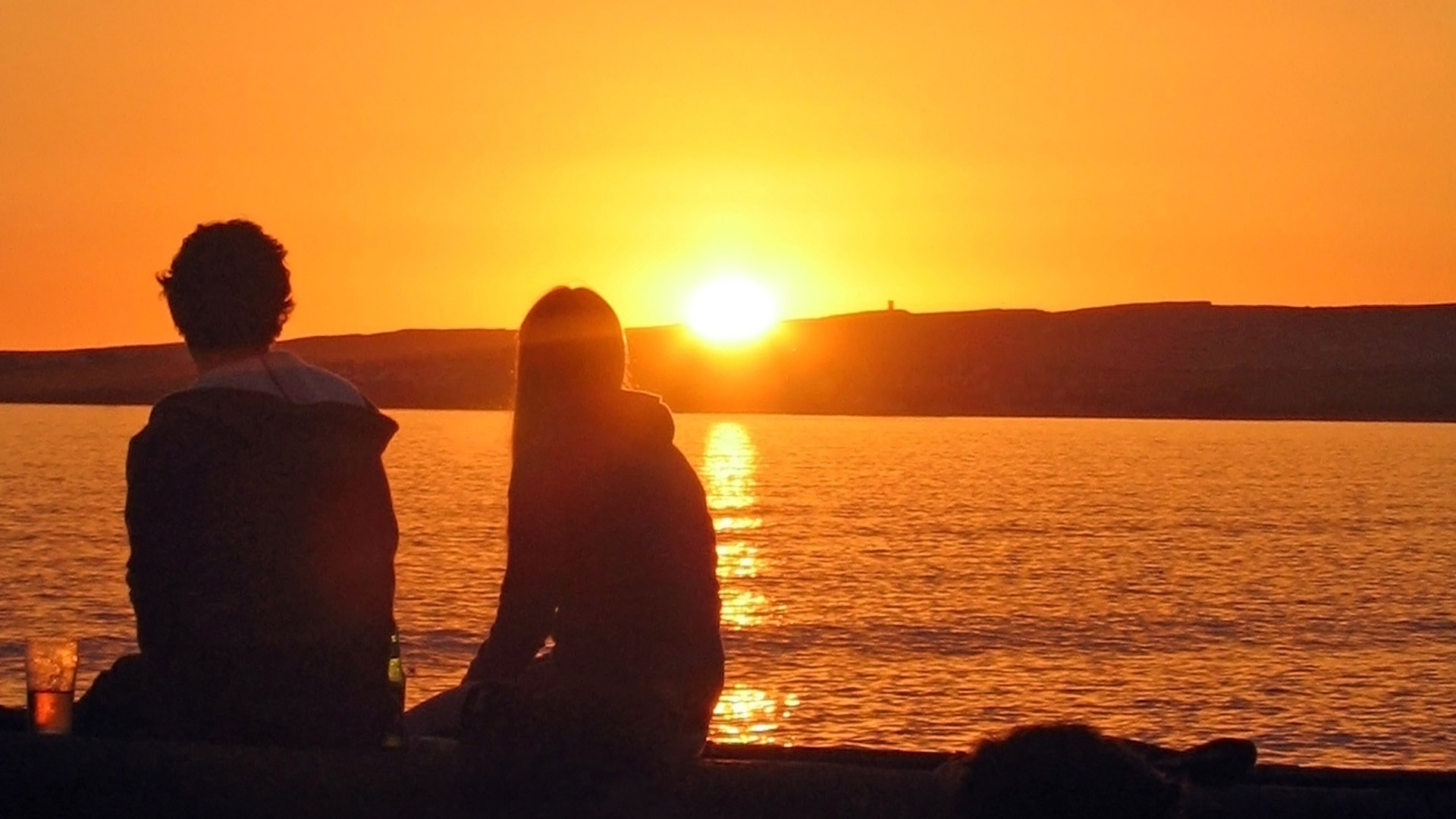
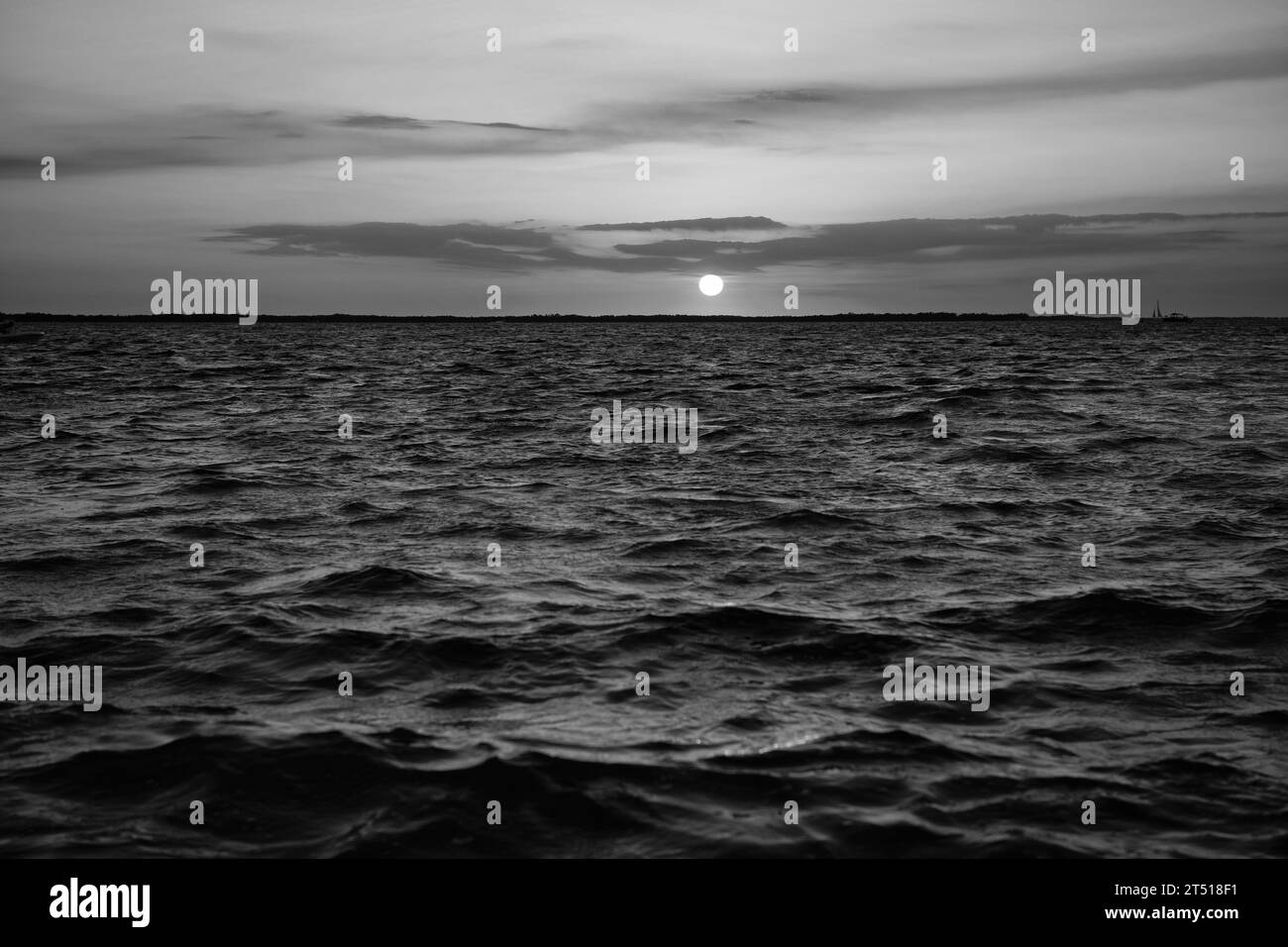
Coastal sun-down events are characterized by specific meteorological and geographical interactions. When the sun dips below the horizon near open water bodies, light scatters through moisture-laden marine air, producing rich spectra ranging from deep amber to violet. At Einans, this phenomenon is amplified by the unique topography of the coastline, which creates unobstructed western horizons.
The physics of marine twilight relies heavily on aerosol optical depth and low-level cloud formations. High concentrations of sea salt aerosols in the air refract shorter wavelengths of light while allowing longer red and orange wavelengths to pass through to the human eye. Photographers and nature enthusiasts frequent Einans during these transitional hours because the changing light angles provide exceptional contrast and shadow play across the rocky shorelines and sandy expanses.
Key Factors Influencing Twilight Quality
- Relative Humidity: Moderate humidity levels enhance color saturation without creating dense fog or obstructive mist.
- Wind Direction: Offshore winds typically clear the upper atmosphere, resulting in crisp, sharply defined color gradients.
- Tidal Movements: Low tides reveal reflective wet sand and exposed tidal pools, doubling the visual impact of the setting sun.
- Cloud Cover: A scattering of high-altitude cirrus clouds catches the residual sunlight long after the solar disc has fully submerged.
Optimal Vantage Points and Geographic Layout
Securing the best visual perspective requires navigating the specific layout of the Einans coastal corridor. The area features a mix of elevated cliffside overlooks, accessible beach access paths, and sheltered coves. Each location presents distinct advantages depending on whether your priority is wide-angle landscape photography, birdwatching, or peaceful contemplation.
- EINANS COASTAL CORRIDOR
- Northern Headlands: Elevated panoramic views, ideal for wide horizon shots and tracking solar descent.
- Central Cove: Protected shoreline, excellent for water reflection and tide pool photography.
- Southern Trail: Rugged pathways leading to secluded rocky outcrops away from heavy foot traffic.
Visitors should note that the terrain shifts dramatically between daytime accessibility and evening safety. As twilight deepens, shadows lengthen quickly across uneven rock formations, making structural landmarks and established trails essential for navigation.
Essential Preparation and Gear Checklist
Visiting coastal locations during twilight demands careful planning. Weather conditions can shift rapidly once the sun sets, bringing sudden drops in temperature and increased wind speeds off the water. Preparing an appropriate kit guarantees comfort and safety throughout your stay.
- Illumination Tools: Pack a reliable headlamp or flashlight with a red-light mode to preserve night vision while walking back along dark coastal paths.
- Thermal Layering: Bring a windproof outer shell and insulating layers, as marine breezes cause rapid cooling immediately after sunset.
- Footwear: Wear sturdy, slip-resistant hiking boots or water shoes capable of gripping wet, algae-covered rocks safely.
- Hydration and Nutrition: Carry sufficient water and lightweight energy snacks, particularly if you plan to hike the more remote southern trail systems.
- Equipment Stabilization: For photography enthusiasts, a sturdy tripod is non-negotiable for capturing sharp long-exposure images as ambient light levels drop.
Comparative Analysis of Viewing Zones
Choosing where to station yourself depends heavily on your activity goals and physical mobility. The following comparison highlights the primary zones available along the coastline.
| Zone Name | Accessibility | Primary Visual Feature | Ideal Activity | Safety Considerations |
|---|---|---|---|---|
| Northern Headlands | Moderate (Paved path + stairs) | Unobstructed ocean horizon | Landscape photography & sunset watching | High wind exposure |
| Central Cove | Easy (Direct beach access) | Wet sand reflections & tide pools | Casual walking & macro photography | Watch for incoming tide surges |
| Southern Trail | Difficult (Rugged terrain) | Dramatic rock formations & isolation | Solitary contemplation & hiking | Uneven footing in low light |
Step-by-Step Guide to Planning Your Evening Excursion
Executing a successful coastal evening trip requires a structured approach to timing and logistics. Follow these steps to maximize your experience at Einans.
Step 1: Check Local Astronomical Data
Verify the exact minute of sunset for your specific date. Plan to arrive at your chosen vantage point at least forty-five minutes prior to the official sundown time. This window allows you to set up equipment, secure parking, and observe the pre-sunset light shifts across the water.
Step 2: Assess Weather and Tide Charts
Consult marine weather forecasts and local tide tables. Low tide provides expanded walking areas along the shore, while high tide creates dynamic wave action against the cliffs. Ensure wind speeds and storm warnings do not pose risks to coastal visitors.
Step 3: Select and Test Your Route
Map out your entry and exit pathways before leaving home. Walking the trail in reverse during daylight or studying topographic maps prevents disorientation when navigating back in total darkness after civil twilight ends.
Step 4: Monitor the Golden and Blue Hours
Engage fully with the transition of light. The golden hour immediately precedes sunset, bathing the landscape in warm, soft tones. Following sunset, the blue hour commences, offering cool, moody indigo hues that contrast sharply with lingering orange tones on the western horizon.
Common Mistakes to Avoid During Coastal Twilight Visits
Many visitors encounter preventable issues when experiencing twilight in unfamiliar coastal zones. Recognizing these pitfalls ensures a smooth outing.
- Underestimating Darkness Rates: Twilight fades rapidly near large bodies of water. Relying on smartphone flashlights instead of dedicated headlamps leaves visitors struggling on uneven paths.
- Ignoring Tide Warnings: Setting up tripods or sitting on low-lying rocks without checking tide schedules can lead to gear damage or being temporarily stranded by incoming water.
- Inadequate Clothing: Assuming a warm afternoon guarantees a comfortable evening is a frequent error. Coastal winds drop apparent temperatures significantly within minutes of the sun setting.
- Disturbing Local Wildlife: Coastal areas serve as vital resting habitats for seabirds and marine mammals. Keeping a respectful distance protects fragile ecosystems during their evening routines.
Frequently Asked Questions
What is the best time of year to view sunsets at Einans?
While sunsets occur year-round, late spring through early autumn typically offers clearer skies and more stable atmospheric conditions. However, winter storms can create dramatic cloud formations for experienced landscape photographers.
Are dogs permitted on the coastal trails around Einans?
Yes, leashed pets are generally allowed on most public coastal access paths. Owners must clean up after their pets and keep them away from sensitive nesting wildlife areas along the cliffs.
Do I need a permit or parking pass to access the viewing areas?
Standard public parking areas are accessible without permits, though peak summer weekends may require early arrival to secure a space near the main trailheads.
Is professional photography equipment restricted?
Standard hand-held cameras, tripods, and lenses are fully permitted for personal and non-commercial use. Commercial film crews must check local municipal guidelines regarding permits and drone operation rules.
How long does the twilight phase last after sunset?
Civil and nautical twilight typically lasts between 45 to 60 minutes after the sun dips below the horizon, depending on the latitude and seasonal tilt of the Earth.
Conclusion and Next Steps
Experiencing the coastal twilight at Einans provides a tranquil and visually stunning connection with nature. By preparing appropriate gear, respecting local wildlife regulations, and timing your arrival to capture both the golden and blue hours, you ensure a safe and memorable excursion. Plan your next coastal trip by checking local marine forecasts and securing your travel route today.
Image Gallery