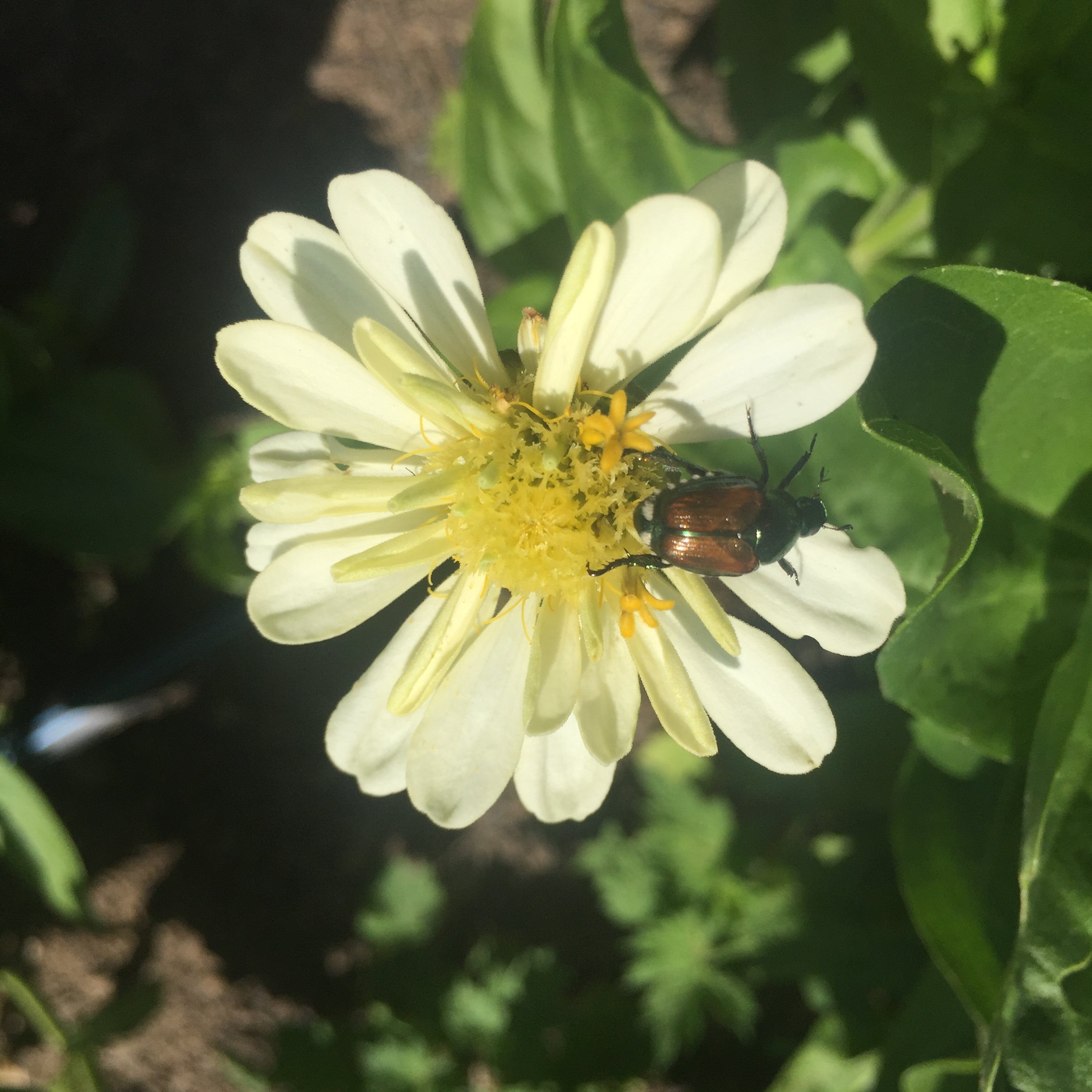
How to Work with Japanese Beetle Natural Predators: A Guide to Biological Pest Control
Working with Japanese beetle natural predators requires a strategic shift from immediate chemical eradication to long-term biological management. To succeed, you must foster a garden ecosystem that supports parasitoid wasps and flies,...
Working with Japanese beetle natural predators requires a strategic shift from immediate chemical eradication to long-term biological management. To succeed, you must foster a garden ecosystem that supports parasitoid wasps and flies, apply microbial agents like milky spore or beneficial nematodes to the soil, and maintain habitats for avian predators while strictly avoiding broad-spectrum insecticides.
Contents
The Japanese beetle (Popillia japonica) remains one of the most persistent invasive pests in North American landscapes. As of 2026, the reliance on heavy chemical interventions has shifted toward Integrated Pest Management (IPM), where natural predators play the starring role. Understanding how to work with these biological allies—ranging from microscopic soil organisms to specialized parasitic insects—is the most sustainable way to protect your roses, grapes, and turfgrass without compromising environmental health.
Understanding the Japanese Beetle Life Cycle for Predator Timing
Before deploying biological controls, you must align your efforts with the beetle's life cycle. In most temperate regions, Japanese beetles follow a one-year cycle. They spend approximately ten months of the year as white grubs (larvae) underground, feeding on the roots of grasses. They emerge as winged adults in early to mid-summer, skeletonizing foliage for about four to six weeks before returning to the soil to lay eggs.
To work effectively with natural predators, you must target two distinct phases:
- The Larval Stage (August–May): This is when soil-based predators, such as nematodes and bacteria, are most effective.
- The Adult Stage (June–August): This is when parasitic flies, wasps, and birds provide the most significant pressure on the population.
Microbial Allies: Milky Spore and Beneficial Nematodes
The most effective "invisible" predators are those that inhabit the soil. Unlike chemical "grub killers" that provide a temporary toxic barrier, microbial agents establish a living presence that can persist for years.
Milky Spore (Paenibacillus popilliae)
Milky spore is a naturally occurring bacterium that exclusively infects Japanese beetle grubs. When a grub ingests the spores while feeding on grass roots, the bacteria multiply within its body, turning the grub’s blood (hemolymph) a milky white. Once the grub dies, it decomposes and releases billions of new spores back into the soil.
How to work with it:
- Application: Apply the powder in a grid pattern across your lawn. Do not use a spreader; use a dispenser tube to drop the powder in concentrated spots.
- Environmental Needs: The soil must be warm (above 55°F) for the bacteria to be active.
- Patience is Key: Milky spore is not an "instant fix." It can take 2 to 3 years to build up a high enough concentration in the soil to provide total control, but once established, it can last for 15 to 20 years.
Beneficial Nematodes (Heterorhabditis bacteriophora)
Nematodes are microscopic roundworms that hunt beetle larvae. The species Heterorhabditis bacteriophora (Hb) is particularly effective because it actively seeks out grubs in the soil profile.
How to work with them:
- Storage and Handling: Nematodes are living organisms. They must be kept refrigerated until use and applied within their expiration date.
- Application Technique: Mix the nematodes with water and apply using a sprayer or watering can during the early morning or evening. UV light from direct sunlight can kill them instantly.
- Moisture Management: The soil must be kept moist for at least two weeks after application. Nematodes move through the film of water surrounding soil particles; if the ground dries out, they perish.
Working with Parasitoid Insects: Wasps and Flies
Several specialized insects have been introduced or encouraged in North America specifically to combat Japanese beetles. These are "parasitoids," meaning their larval stage eventually kills the host beetle.
The Spring Tiphia Wasp (Tiphia vernalis)
This small, black, stingless wasp (harmless to humans) is a formidable grub hunter. The female wasp tunnels into the soil, paralyzes a beetle grub, and lays an egg on it. When the egg hatches, the wasp larva consumes the grub.
How to attract them: Tiphia wasps rely on nectar for energy. To keep them in your yard, you must provide "nectar stations" during their active period in late spring. They are particularly fond of the honeydew produced by aphids on specific plants like Peonies and Forsythia. Maintaining these plants near your lawn provides the necessary fuel for the wasps to hunt your beetle population.
The Winsome Fly (Istocheta aldrichi)
This tachinid fly is a specialized predator of adult Japanese beetles. The female fly glues a small, white egg onto the thorax (neck area) of a beetle. The egg hatches, and the fly larva bores into the beetle’s body, killing it within days—often before the beetle can finish its egg-laying cycle.
How to attract them: These flies are attracted to small-flowered nectar plants. To encourage their presence, integrate the following into your landscape:
- Dill and Fennel: Let these herbs go to flower.
- Wild Carrot (Queen Anne’s Lace): A favorite for many tachinid species.
- Mint and Cilantro: Their small, accessible flowers are ideal for the fly’s mouthparts.
Avian Predators: Designing a Bird-Friendly Habitat
While many birds find Japanese beetles unpalatable, several species are voracious consumers of both the grubs and the adults. Starlings, grackles, and crows are known to dig for grubs, while cardinals, catbirds, and eastern kingbirds frequently catch the adults in flight or off foliage.
How to maximize avian impact:
- Avoid Tilling: Keeping the soil structure intact allows birds to better detect the movement of grubs near the surface.
- Provide Perches: Placing tall stakes or "T-posts" near susceptible plants like roses gives predatory birds a vantage point to spot and swoop down on beetles.
- Winter Cover: Planting evergreens and dense shrubs provides the year-round shelter necessary to maintain a resident bird population that will be ready to hunt as soon as the beetles emerge in June.
Comparison of Japanese Beetle Biological Control Methods
| Method | Target Stage | Speed of Results | Longevity | Best Application Time |
|---|---|---|---|---|
| Milky Spore | Grubs (Larvae) | Slow (1–3 years) | Very High (15+ years) | Late Summer/Early Fall |
| Nematodes (Hb) | Grubs (Larvae) | Fast (7–14 days) | Low (Seasonal) | Late August/Early September |
| Tiphia Wasps | Grubs (Larvae) | Moderate | Moderate (Self-sustaining) | May/June (Via Nectar Plants) |
| Winsome Fly | Adults | Fast | Moderate (Self-sustaining) | July (Peak Beetle Emergence) |
| Avian Predators | Grubs & Adults | Continuous | High (If habitat persists) | Year-round |
Avoiding Chemical Interference
The most common mistake when trying to work with natural predators is the use of broad-spectrum insecticides. Chemicals such as carbaryl, bifenthrin, or imidacloprid do not discriminate between the "bad" beetles and the "good" wasps, flies, and soil organisms.
If you must use a spray, opt for Bacillus thuringiensis galleriae (Btg). This is a strain of Bt specifically targeted toward beetles. It is effective against Japanese beetles but has a much lower impact on the beneficial insects and pollinators that you are trying to recruit into your garden's defense force. Furthermore, avoid using Japanese beetle pheromone traps. Research from the University of Kentucky Entomology Department has consistently shown that these traps often attract significantly more beetles to your yard than they actually catch, essentially overwhelming your natural predator population.
Frequently Asked Questions
Will Milky Spore harm my pets or children?
No. Paenibacillus popilliae is highly host-specific. It only affects the larvae of certain scarab beetles, primarily the Japanese beetle. It is non-toxic to humans, pets, birds, and beneficial insects like honeybees or earthworms.
Can I use nematodes and milky spore at the same time?
Yes, you can use both, but it is often unnecessary to apply them to the same exact patch of lawn simultaneously. Nematodes provide a quick "knockdown" of a heavy infestation, while Milky Spore is a long-term investment. If you have a severe problem, apply nematodes first to clear the current generation, then follow up with Milky Spore to establish long-term protection.
Why didn't the Winsome Fly kill the beetles on my roses immediately?
The Winsome Fly larva takes several days to kill its host. You may see beetles with white eggs on their backs still eating your plants. However, these beetles will stop feeding and die before they can successfully retreat to the soil to lay the next generation of eggs. Working with predators requires accepting a small amount of "cosmetic damage" in exchange for a collapsed pest population in the following years.
Do chickens and ducks help control Japanese beetles?
Domesticated poultry, especially ducks and Guinea fowl, are excellent at controlling Japanese beetles. If you have the space and local zoning permits, allowing poultry to forage in your garden during the beetle season can drastically reduce adult populations. Just be mindful that chickens may also scratch at the roots of your prized plants.
Recommendation for Next Actions
To successfully implement a predator-based strategy in 2026, start by assessing your soil. Ensure your lawn is not overly compacted, as this prevents both nematodes and Tiphia wasps from navigating the soil profile.
Begin by planting nectar-rich borders this spring to attract parasitoid flies and wasps. In late August, apply beneficial nematodes (Hb species) to your turf while the soil is still warm and moist. This dual-pronged approach—addressing both the airborne adults and the subterranean larvae—creates a self-sustaining cycle of suppression that reduces your reliance on manual removal and chemical intervention.
Image Gallery