Why the John Muir Walnut Creek Workers Compensation Case Matters
The John Muir Walnut Creek workers' compensation case matters because it highlights critical legal and operational intersections between healthcare facility safety, employer liability, and the complex statutory frameworks governing wor...
The John Muir Walnut Creek workers' compensation case matters because it highlights critical legal and operational intersections between healthcare facility safety, employer liability, and the complex statutory frameworks governing workplace injuries for medical professionals.
Contents
Understanding the mechanics, implications, and broader industry impact of workers' compensation disputes involving major medical centers requires looking closely at how California labor laws apply to healthcare environments. When a significant healthcare provider like John Muir Health becomes involved in high-profile workers' compensation litigation or administrative proceedings, the outcomes frequently set practical precedents for injury reporting, safety protocol enforcement, and institutional risk management.
Understanding the Legal Landscape of California Workers' Compensation
California operates under a no-fault workers' compensation system designed to provide prompt medical treatment, temporary disability benefits, and permanent disability indemnification to employees who sustain injuries or illnesses arising out of and in the course of their employment. For major employers like John Muir Health—which operates prominent medical centers in Walnut Creek and Concord—managing workplace injuries involves balancing strict regulatory compliance with the operational realities of a 24/7 acute-care environment.
In the healthcare sector, workers' compensation claims often present unique challenges. Employees face physical hazards ranging from patient-handling injuries and needle-stick incidents to biological exposures and workplace violence. When disputes arise regarding the compensability of an injury, the level of necessary medical care, or the existence of permanent impairment, cases proceed through the California Division of Workers' Compensation (DWC) and the Workers' Compensation Appeals Board (WCAB). Cases associated with large healthcare networks attract attention because their resolution influences how institutional safety policies and insurer defense strategies are structured statewide.
Key Operational and Legal Issues in Healthcare Workers' Compensation
Healthcare workers' compensation cases typically hinge on several recurring legal and medical disputes. Analyzing why specific cases matter requires examining these core elements:
- Causation and Course of Employment: Establishing whether an injury or chronic condition directly resulted from workplace duties rather than pre-existing conditions or non-occupational activities.
- Utilization Review (UR) and Independent Medical Review (IMR): Navigating California's strict statutory guidelines for approving or denying medical treatments prescribed by treating physicians.
- Apportionment: Determining what percentage of a worker's permanent disability is directly attributable to the industrial injury versus prior injuries, aging, or non-industrial health factors.
- Return-to-Work Programs: Implementing effective transitional work assignments to bring injured staff back safely while minimizing liability and operational disruption.
When institutional cases involve disputes over these mechanics, they often reveal systemic vulnerabilities or best practices within hospital administration. Legal practitioners, risk managers, and labor advocates monitor these proceedings to gauge how administrative law judges and the WCAB interpret statutory amendments and medical-legal evidence.
Comparison of Workers' Compensation Considerations in Healthcare vs. Standard Industries
To fully grasp the significance of complex medical-center workers' compensation cases, it is helpful to compare the healthcare sector with standard commercial environments across key operational parameters.
| Parameter | General Commercial / Office Environment | Healthcare Sector (e.g., Hospital Systems) |
|---|---|---|
| Primary Physical Hazards | Ergonomic strain, slips, trips, falls, sedentary stress | Patient lifting, biological hazards, needle sticks, security threats |
| Injury Frequency & Severity | Generally lower severity; moderate frequency for ergonomic issues | High frequency and varied severity, including acute trauma and chronic strain |
| Regulatory Oversight | OSHA general industry standards, standard labor codes | Cal/OSHA workplace violence standards, CDPH regulations, complex DWC guidelines |
| Medical Dispute Complexity | Straightforward treatment protocols and standard specialist care | Multi-specialty medical evaluations, complex causation analysis, extensive UR/IMR tracking |
This comparison illustrates why institutional workers' compensation cases carry heightened importance. The confluence of specialized medical treatments, stringent state health regulations, and high-risk physical tasks creates an environment where legal precedents have an outsized impact.
Broader Implications for Healthcare Employers and Employees
The significance of high-profile workers' compensation matters extends well beyond individual claim settlements. For employers operating large medical facilities, these cases serve as stress tests for internal compliance programs, injury illness prevention programs (IIPPs), and third-party administrator (TPA) claims management practices. A ruling that clarifies employer liability or redefines the boundaries of compensable workplace stress or physical trauma can prompt immediate revisions to hospital safety protocols.
For healthcare employees, these cases underscore the practical importance of timely injury reporting and adherence to documentation standards. Navigating the system effectively requires workers to understand their rights under California labor statutes, including the right to pre-designate a personal physician under specific conditions and the right to challenge unfavorable utilization review determinations through independent medical review.
Navigating Workers' Compensation Disputes: Practical Guidance
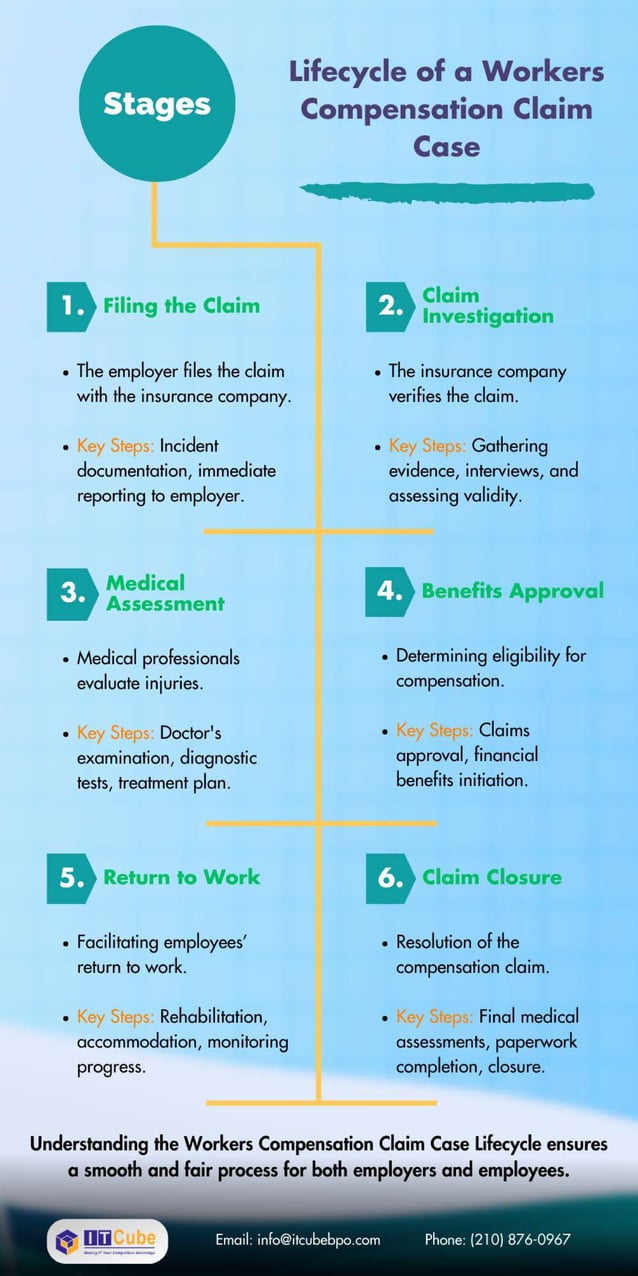
For individuals and organizations navigating similar legal territory, adhering to structured operational steps helps mitigate risk and ensures regulatory compliance.
- Immediate Reporting: Document and report any workplace injury or exposure to supervisory staff immediately in accordance with institutional protocols. Delays in reporting can complicate claim verification and benefit authorization.
- Seek Authorized Medical Evaluation: Obtain medical care through the employer's designated medical provider network (MPN) or utilize pre-designated physician options where legally permissible.
- Maintain Comprehensive Documentation: Keep detailed records of all medical appointments, treatment plans, correspondence with claims adjusters, and lost-time tracking.
- Engage Legal Counsel When Necessary: For complex disputes involving denied treatments, permanent disability ratings, or disputed causation, consulting an attorney specializing in California workers' compensation law is essential.
(Disclaimer: This article provides general educational information regarding workers' compensation concepts and legal frameworks. It does not constitute formal legal or medical advice. Individuals facing specific legal or medical challenges should consult qualified professionals licensed in their jurisdiction.)
Frequently Asked Questions
What makes workers' compensation cases involving large hospital systems significant?
Large hospital systems involve diverse occupational hazards, high employee headcounts, and complex regulatory requirements. Cases originating from major medical institutions often establish practical benchmarks for how insurers evaluate claims, handle medical-legal disputes, and manage return-to-work programs.
How does California handle disputed medical treatment in workers' compensation claims?
California utilizes a mandatory Utilization Review (UR) process through which employers or their insurers evaluate the medical necessity of requested treatments. If a treatment is modified or denied, injured workers can challenge the decision via Independent Medical Review (IMR), an independent administrative process managed by the state.
Can healthcare workers choose their own doctor for a work-related injury?
Generally, employees must receive treatment within their employer's approved Medical Provider Network (MPN) during the first 30 days following an injury. However, employees can pre-designate a personal physician before an injury occurs, provided specific statutory conditions and notification requirements are met.
What role does Cal/OSHA play in healthcare workplace safety?
Cal/OSHA enforces safety standards specific to healthcare settings, including rigorous requirements for bloodborne pathogen controls, ergonomic standards for patient handling, and comprehensive workplace violence prevention plans. Compliance with these standards interacts closely with workers' compensation liability determinations.
Where can I find official resources regarding California workers' compensation laws?
Official guidelines, administrative forms, and educational materials are maintained by the California Department of Industrial Relations (DIR) and the Division of Workers' Compensation (DWC) through their official state web portals.
Image Gallery