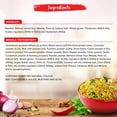
Understanding What Maggi Is Made Of: Ingredients, Composition, and Nutritional Profile
Maggi, a global brand synonymous with instant noodles and flavor-enhancing seasonings, is composed of a standardized base of refined wheat flour (maida), edible vegetable oils, and a concentrated seasoning mix. While regional formulati...
Maggi, a global brand synonymous with instant noodles and flavor-enhancing seasonings, is composed of a standardized base of refined wheat flour (maida), edible vegetable oils, and a concentrated seasoning mix. While regional formulations vary to suit local palates, the core structure of the product remains consistent, focusing on providing a shelf-stable, rapid-cooking meal solution that utilizes dehydrated ingredients and chemical flavoring agents.
Contents
The Anatomy of Maggi Noodles
The physical noodles found in a standard Maggi packet are typically processed through a mechanical extrusion and steaming method. Understanding what they are made of requires looking at the dry cake itself versus the accompanying tastemaker.
The Noodle Cake Composition
The primary ingredient in Maggi noodles is refined wheat flour, commonly referred to as maida. This flour is milled from hard wheat, providing the gluten network necessary for the noodles to maintain structural integrity during the steaming and frying process.
- Refined Wheat Flour: Provides the bulk and carbohydrate content.
- Edible Vegetable Oil: Used as a processing aid during the drying phase. Palm oil is the industry standard due to its high oxidative stability and neutral flavor profile.
- Salt: Acts as both a flavor enhancer and a preservative, helping to maintain shelf stability.
- Wheat Gluten: Often added to improve the "bite" or elasticity of the cooked noodle.
- Thickeners and Stabilizers: Ingredients such as guar gum or potassium/sodium carbonates are occasionally utilized to adjust the pH level and ensure the noodles do not become overly soft or mushy during boiling.
The Tastemaker (Seasoning Mix)
The iconic flavor of Maggi comes from the seasoning sachet included in the package. This is a complex mixture of dehydrated vegetables, spices, and synthetic flavoring agents.
- Hydrolyzed Vegetable Protein (HVP): Often derived from soy or corn, HVP provides a "meaty" savory depth, known as umami.
- Flavor Enhancers: Monosodium Glutamate (MSG) is the most prominent of these, serving to amplify the natural taste profiles of the spices included in the mix.
- Spices and Condiments: A proprietary blend of powdered onion, garlic, turmeric, coriander, ginger, and chili.
- Sugar and Acidifying Agents: Small amounts of sugar, citric acid, or vinegar powder are used to balance the savory notes, providing a slight tang that cuts through the fat content of the noodles.
Comparative Analysis: Key Components
The following table summarizes the primary categories of ingredients found across most standard Maggi instant noodle variants.
| Ingredient Category | Primary Purpose | Common Examples |
|---|---|---|
| Carbohydrates | Provides bulk and energy | Refined wheat flour (Maida) |
| Fats/Lipids | Texture, preservation, mouthfeel | Palm oil, vegetable oil |
| Umami Enhancers | Flavor intensification | MSG, Hydrolyzed vegetable protein |
| Spices/Aromatics | Flavor profile customization | Garlic, onion, turmeric, chili |
| Minerals/Salt | Preservation and electrolyte balance | Sodium chloride |
Regulatory Standards and Safety
In many jurisdictions, the safety of instant noodles is governed by food and drug authorities that set limits on the levels of additives such as MSG, lead, and leavening agents.
Maggi, manufactured by Nestlé, has historically faced scrutiny regarding its lead content in specific markets, such as India in 2015. Following rigorous independent testing and court-ordered reassessments, the company aligned its production processes to comply with the Food Safety and Standards Authority of India (FSSAI) regulations. Today, the composition is subject to strict quality control measures involving atomic absorption spectroscopy to monitor trace metal levels and ensure they remain well within the permissible limits set by global food safety standards.
Nutritional Considerations
From a nutritional standpoint, Maggi is classified as a processed food. It is energy-dense but typically lacks essential micronutrients unless they are added via fortification—a practice Nestlé has implemented in several regions to include iron, iodine, and vitamin A.
The main concern regarding the consumption of instant noodles is the high sodium content. A single serving can contain a significant portion of the recommended daily intake of sodium. Additionally, because the noodles are often pre-fried to facilitate rapid rehydration, they contain saturated fats. Readers seeking a healthier profile often look to supplement their consumption by adding fresh vegetables, lean proteins like chicken or tofu, and reducing the amount of the seasoning packet used to lower the overall sodium concentration.
Frequently Asked Questions
Does Maggi contain plastic or wax? No. This is a persistent urban legend. The "waxy" or elastic texture of the noodles is caused by the high gluten content in refined wheat flour and the addition of specific thickening agents like guar gum, which are standard food-grade ingredients used to prevent the noodles from dissolving into starch when boiled.
What is the purpose of MSG in Maggi? MSG is a flavor enhancer that provides the savory, umami taste. While it has been the subject of controversy, the World Health Organization (WHO) and various national food safety agencies consider MSG safe for consumption when used in moderation as a food additive.
Are there gluten-free versions of Maggi? Standard Maggi noodles are made from wheat and therefore contain gluten. Individuals with Celiac disease or gluten sensitivities should avoid the classic product. Some regional variations or competitor products may use rice flour, but one must always verify the label for the "certified gluten-free" designation.
How does Maggi stay shelf-stable for so long? The long shelf life is achieved through the combination of dehydration (removing moisture) and the addition of salt and specific antioxidants. By lowering the water activity within the product, bacterial and fungal growth is inhibited, allowing the noodles to remain safe to eat for several months when stored in a cool, dry place.
Should I drink the broth after cooking? Drinking the broth is a matter of personal preference, but it is important to note that the vast majority of the salt and flavoring agents from the tastemaker are concentrated in the liquid. If you are monitoring your sodium intake, it is advisable to use only half of the seasoning sachet or to avoid consuming the broth entirely.
Recommendations for Consumers
If you enjoy the convenience of Maggi but are concerned about its composition, consider the following best practices:
- Partial Sachet Usage: Use only 50–75% of the tastemaker packet to significantly reduce sodium intake.
- Vegetable Addition: Add fresh spinach, carrots, or peas to increase the fiber and vitamin content of the meal.
- Protein Pairing: Pair the noodles with an egg or pre-cooked protein to create a more balanced nutritional profile that stabilizes blood sugar responses.
- Storage: Keep packets in an airtight container away from direct sunlight to prevent the fats in the noodles from going rancid, which can alter the taste even before the expiration date.
By understanding that Maggi is a carefully engineered food product designed for shelf stability and taste, you can better manage how it fits into your overall dietary pattern.
Image Gallery