Understanding the Relationship Between GMC and GM: One Brand, One Parent
General Motors (GM) serves as the parent corporation for a portfolio of automotive brands, with GMC functioning as one of its specialized pillars. While GMC maintains a distinct market identity focused on premium trucks, SUVs, and comm...
General Motors (GM) serves as the parent corporation for a portfolio of automotive brands, with GMC functioning as one of its specialized pillars. While GMC maintains a distinct market identity focused on premium trucks, SUVs, and commercial vehicles, it operates entirely under the corporate umbrella, engineering standards, and supply chain infrastructure of the General Motors parent organization.
Contents
The Corporate Structure: General Motors as the Parent
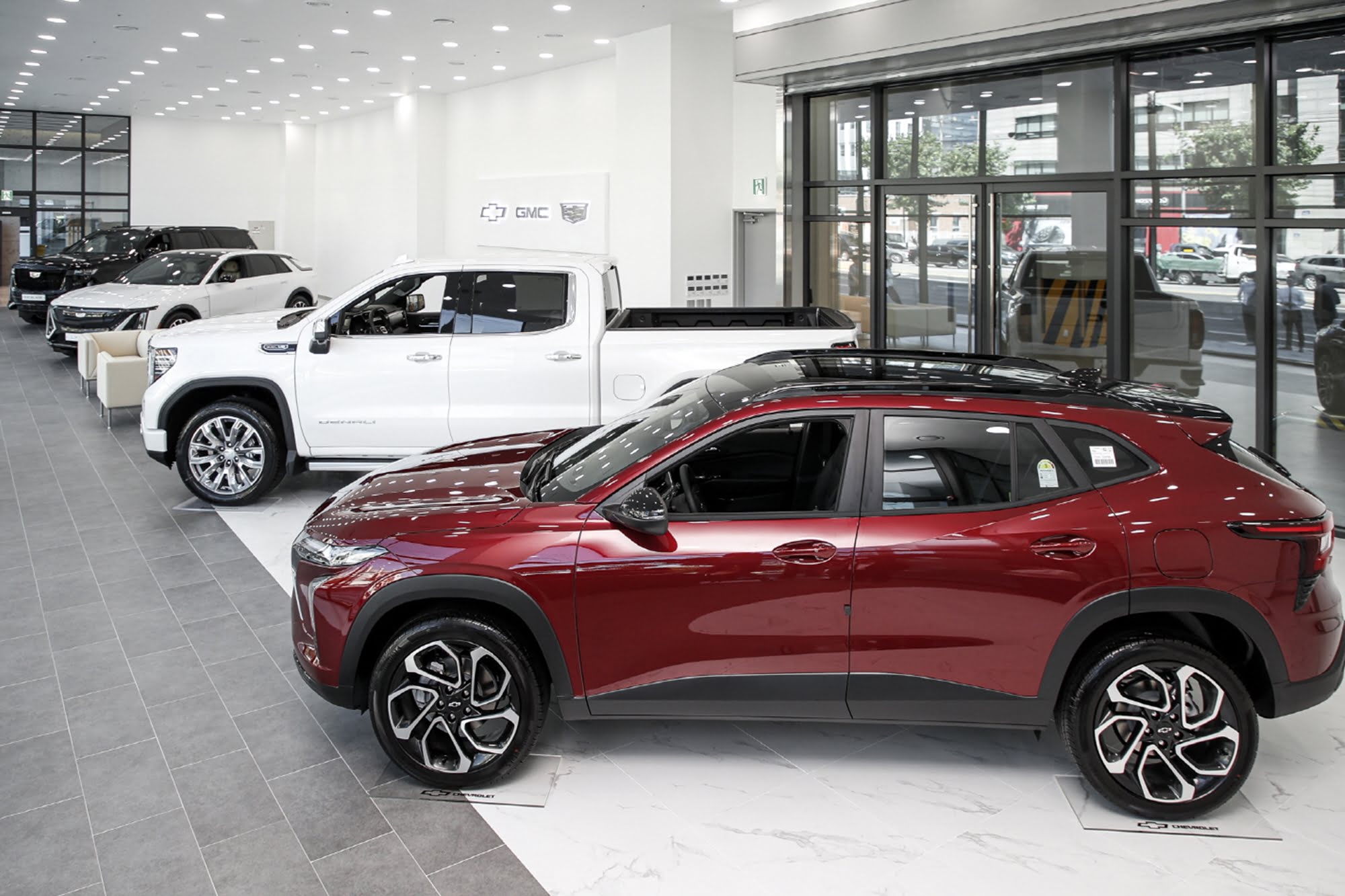
General Motors Company is a multinational corporation headquartered in Detroit, Michigan. As a global automotive entity, GM manages several distinct brands, including Chevrolet, Buick, Cadillac, and GMC. The relationship between GMC and GM is one of parent and subsidiary, meaning that while GMC markets its vehicles with a specific brand ethos, it does not exist as an independent company.
Every GMC vehicle—from the Canyon mid-size truck to the Yukon full-size SUV—is engineered, manufactured, and distributed using GM’s global resources. This structure allows GMC to leverage the massive R&D budget of the parent company while maintaining a brand focus on "Professional Grade" capabilities. This distinction is vital for consumers to understand; buying a GMC means accessing GM’s proprietary technology, such as the Ultium battery platform for electric vehicles or the Super Cruise driver-assistance system, while benefiting from the specific styling, interior appointments, and market positioning that define the GMC brand.
Brand Differentiation Within the GM Portfolio
The primary reason GM maintains separate brands is to cater to different segments of the automotive market. Within the GM family, Chevrolet is often positioned as the mass-market, high-volume brand. In contrast, GMC is positioned as a premium or "near-luxury" brand. GMC vehicles frequently share chassis, powertrain, and electrical architectures with Chevrolet models, but they are distinguished by unique exterior design, more refined cabin materials, advanced standard technology, and specific suspension tuning.
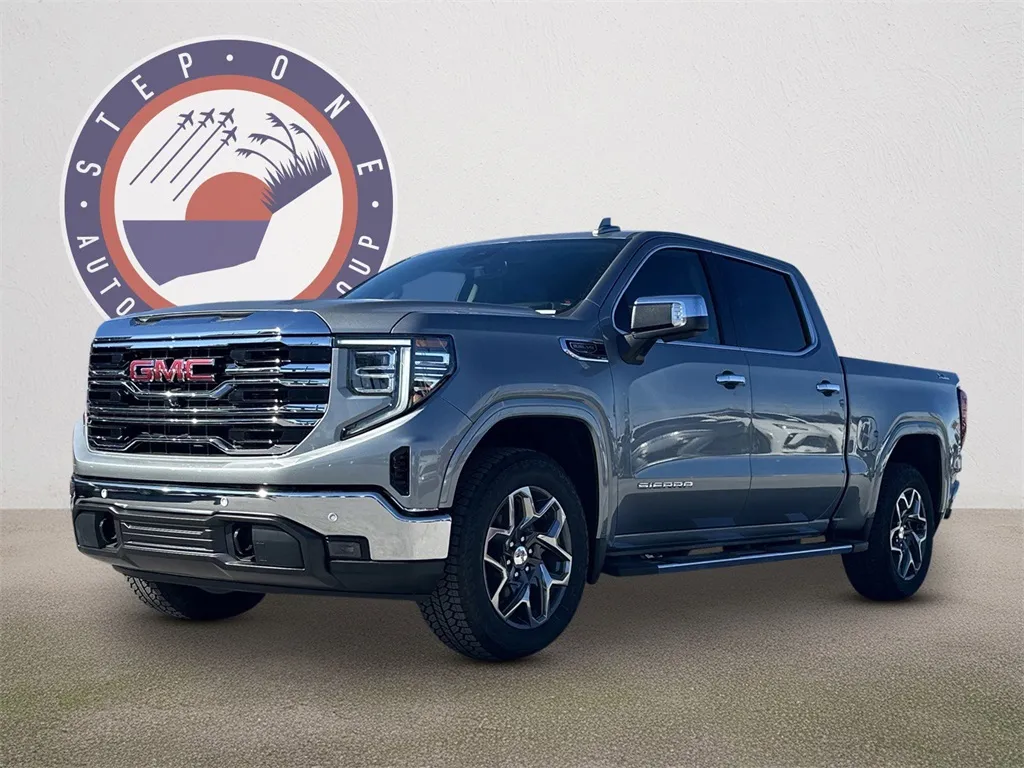
For instance, the GMC Sierra and the Chevrolet Silverado share the same structural platform. However, the market intent differs: the Silverado is marketed toward utility and variety, offering a vast array of trims for work and recreation, whereas the Sierra targets the premium truck segment, often featuring more luxurious materials and advanced features like the MultiPro tailgate or CarbonPro bed as standard or highly accessible options. This strategy allows GM to capture a broader range of consumers without cannibalizing the sales of its other brands.
Shared Engineering and Infrastructure
Operating under one parent provides GMC with significant operational advantages. When GM develops a new engine, such as the Duramax turbo-diesel or the Ecotec series of gasoline engines, these powerplants are optimized across multiple brands. This shared engineering reduces production costs, streamlines the procurement of parts, and creates a more efficient service and maintenance network for owners.
For the end user, this means that service centers and parts departments are integrated. A GMC owner can often utilize the same service network as other GM brand owners, ensuring a high level of parts availability and technical expertise across North America. This shared infrastructure is a cornerstone of the modern automotive business model, allowing a company like GM to scale its innovations across millions of vehicles annually.
| Feature Area | Chevrolet (Mass Market Focus) | GMC (Premium Focus) |
|---|---|---|
| Primary Market | High-volume, utility, economy | Premium, professional grade, luxury |
| Chassis/Platform | Shared with GM parent | Shared with GM parent |
| Design Language | Approachable, classic utility | Rugged, bold, premium aesthetic |
| Standard Features | Practical functionality | Enhanced comfort, advanced tech |
| Service Network | Global GM/Chevrolet dealers | Global GM/GMC dealers |
Strategic Advantages of the "One Parent" Model
The "one brand, one parent" structure serves several strategic purposes for GM. By centralizing management, GM can implement consistent safety standards, emissions compliance, and digital vehicle architecture across all brands.
- Economies of Scale: Developing a platform—the underlying foundation of a vehicle—is an incredibly expensive endeavor. By using the same platform for GMC, Chevrolet, and Cadillac, GM amortizes those development costs over a larger number of units.
- Technological Deployment: Innovations such as the "GM Energy" home charging ecosystem or "OnStar" connectivity are developed once and deployed across the brand portfolio. This ensures that a GMC customer receives the same high-tier digital services as a customer buying a Cadillac.
- Supply Chain Resiliency: In periods of global logistics disruption, being part of a larger parent organization allows GMC to tap into more robust supply chains than an independent boutique brand could sustain on its own.
Addressing Common Misconceptions
A frequent question among consumers is whether a GMC vehicle is merely a "rebadged" Chevrolet. While it is factually correct that many GMC and Chevrolet vehicles share the same "bones" or platforms, they are not identical products. The engineering team focuses on different performance characteristics. GMC vehicles are frequently tuned for higher towing capacities, specific payload requirements, or premium noise, vibration, and harshness (NVH) levels.
Furthermore, the design teams for GMC are distinct from those of Chevrolet. They follow a specific brand identity known as "Professional Grade," which emphasizes a bolder, more muscular front-end design and a distinct interior aesthetic that differentiates them from their siblings in the showroom.
Troubleshooting and Ownership Expectations
When considering the ownership of a GMC, it is important to understand the hierarchy of support. Because GMC is a division of GM, all warranty claims, recalls, and software updates are governed by General Motors’ corporate policies.
If you encounter a mechanical issue, you are dealing with a GM-certified technician. The parts used for repairs are Genuine GM parts, designed specifically for that architecture. This ensures that the vehicle remains within the original engineering specifications set by the parent company. For those interested in the longevity of their vehicle, this integration is a benefit; it ensures that even as GMC evolves its lineup toward electric and autonomous capabilities, the brand has the backing of one of the world's largest automotive research and development budgets.
Frequently Asked Questions
Does GMC have a different parent company than Chevrolet? No. Both GMC and Chevrolet are divisions of General Motors (GM). They operate under the same corporate leadership, engineering, and manufacturing standards, though they are marketed as separate brands targeting different consumer demographics.
Can I take my GMC to a Chevrolet dealer for service? While many dealerships are dual-branded (carrying both GMC and Chevrolet), you should check with your local service center. Many GM service departments are equipped to handle any brand under the GM corporate umbrella, but it is always best to confirm with the specific service location regarding their service manual access and parts availability for your specific year and model.
Are GMC parts interchangeable with Chevrolet parts? Many parts are interchangeable because the vehicles share platforms and powertrains. However, many exterior components, interior trims, and software configurations are unique to GMC. Always use the VIN (Vehicle Identification Number) to verify compatibility when ordering replacement parts.
Why are GMC vehicles generally more expensive than their Chevrolet counterparts? GMC is positioned as a premium brand. The higher price point reflects the inclusion of more upscale standard equipment, different interior materials, advanced suspension packages, and a specific brand marketing strategy focused on "Professional Grade" utility and style.
Is GMC moving toward electric vehicles like the rest of GM? Yes. GMC is fully integrated into the GM corporate transition to electric vehicles. Models like the GMC Hummer EV and the Sierra EV utilize the GM-developed "Ultium" battery platform, which is the same architecture powering electric vehicles across the entire GM brand portfolio.
Next Steps for Owners and Prospective Buyers
If you are evaluating a GMC vehicle, the most important step is to understand your specific needs regarding utility and comfort. Because GMC sits between mass-market utility and true luxury, it occupies a unique "sweet spot" for many buyers. To make an informed decision, visit the official General Motors consumer website to compare current model specifications across brands. If you are an existing owner, ensure your vehicle is registered via the MyGM mobile application to receive direct notifications regarding recalls, software over-the-air updates, and service reminders, which are centralized for all GM vehicles.
Image Gallery