Understanding Joint Universal Life Insurance Quotes
A joint universal life insurance quote provides an estimated cost and coverage structure for a policy covering two individuals—typically spouses or business partners—under a single contract. Unlike individual policies, these quotes ref...
A joint universal life insurance quote provides an estimated cost and coverage structure for a policy covering two individuals—typically spouses or business partners—under a single contract. Unlike individual policies, these quotes reflect the combined mortality risk of two lives, often featuring a "first-to-die" or "second-to-die" payout structure designed for specific estate planning or financial security goals.
Contents
The Mechanism of Joint Universal Life Insurance
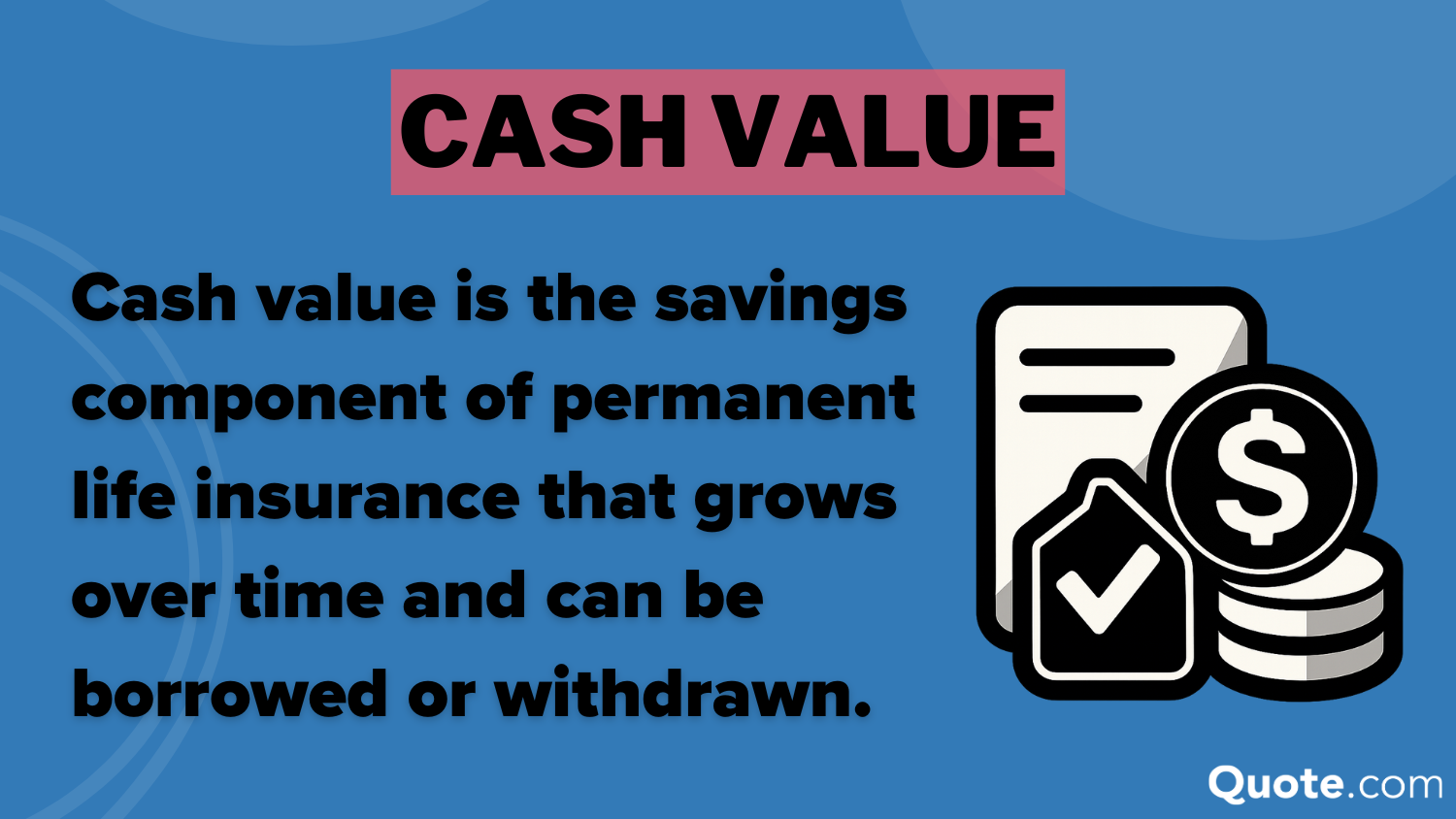
Universal life insurance is a form of permanent life insurance that combines a death benefit with a cash value component. When this is structured as a joint policy, the insurer evaluates the insurability of both participants. A joint universal life insurance quote is not merely a price tag; it is a financial projection based on complex underwriting criteria.
Unlike term life insurance, which expires after a set period, universal life is designed to remain in force as long as the policyholder maintains sufficient cash value to cover the cost of insurance and administrative fees. In a joint context, the policy stays active based on the terms established at inception—either paying out upon the first death (to support the survivor) or upon the second death (to provide liquidity for estate taxes or legacy transfers).
Types of Joint Payout Structures
When requesting a quote, the primary distinction you must understand is the difference between "first-to-die" and "second-to-die" (survivorship) policies.
- First-to-Die: This policy pays the death benefit immediately upon the death of the first insured person. This is frequently used by couples who both contribute to the household income, as the benefit provides immediate financial relief to the surviving spouse.
- Second-to-Die (Survivorship): This policy only pays the death benefit after both insured parties have passed away. These are highly efficient for estate planning, particularly for wealthy couples who want to leave a legacy or provide liquid funds to pay federal estate taxes without forcing the sale of assets like family businesses or real estate.
Factors Influencing Your Quote
Because universal life insurance relies on variable interest rates and administrative costs, the quote you receive is highly sensitive to several specific inputs.
- Underwriting Classes: Each person on the policy is assessed for health, age, lifestyle, and medical history. If one partner has a chronic condition, the quote for the entire policy will reflect the higher risk profile.
- Death Benefit Amount: The total payout requested. Higher death benefits require larger premiums or greater cash value accumulation.
- Accumulation vs. Protection: Universal life allows for flexible premiums. A quote might offer a "minimum premium" (to keep the policy alive) versus a "target premium" (to build cash value). The higher your premium payments, the more cash value the policy generates, which can later be used for loans or to offset future insurance costs.
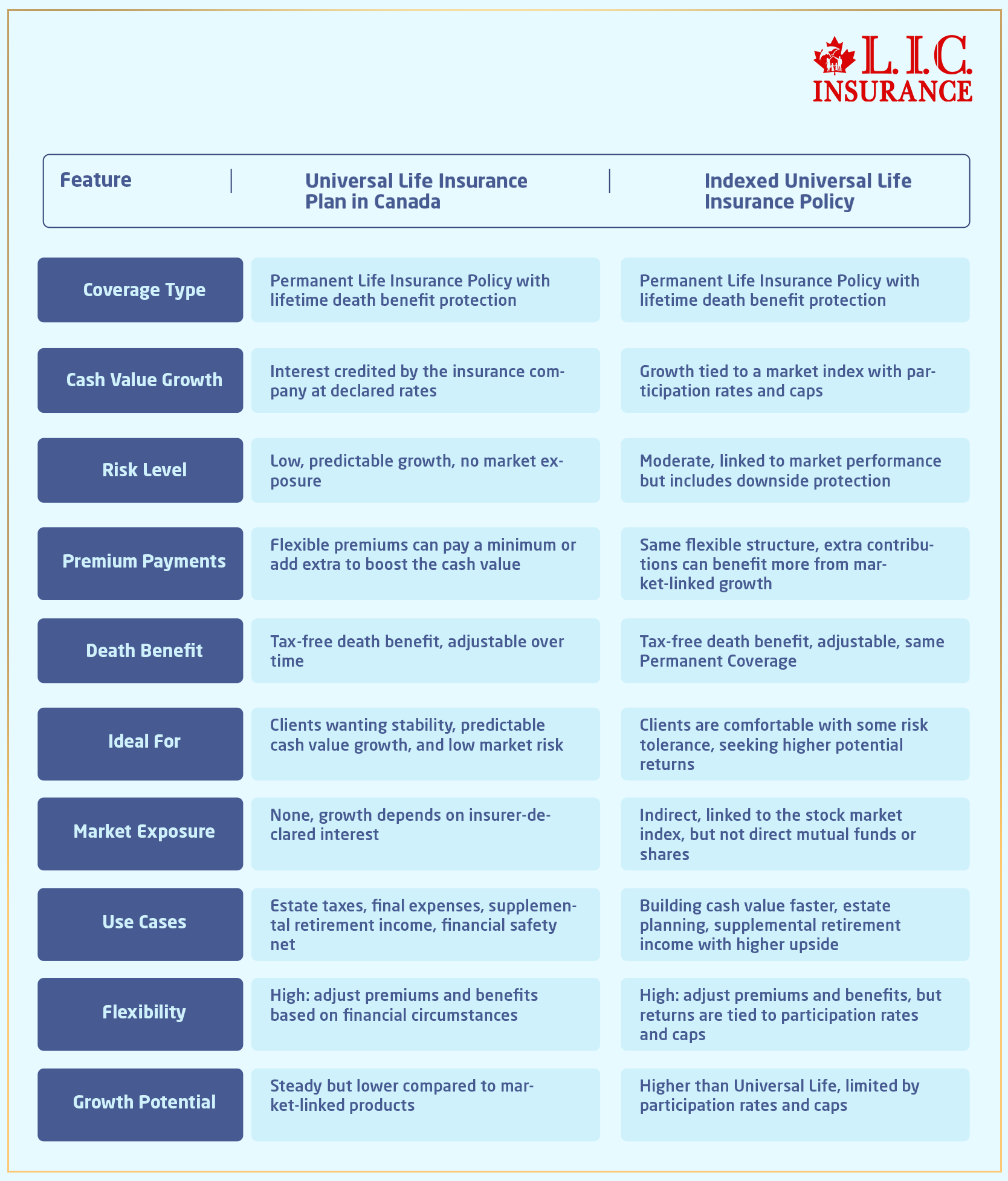
- Interest Rate Assumptions: Universal life policies earn interest based on the insurer's general account performance or market indices. Quotes are projections; it is essential to ask for "guaranteed" vs. "current" scale illustrations to understand the range of potential outcomes.
Comparison of Life Insurance Options
| Feature | Joint Universal Life | Individual Term Life | Survivorship Universal Life |
|---|---|---|---|
| Duration | Permanent | Fixed (10–30 years) | Permanent |
| Payout Trigger | First or Second Death | Death of Insured | Second Death only |
| Cash Value | Yes | No | Yes |
| Primary Use | Income replacement/Estate | Income replacement | Estate liquidity |
The Role of Underwriting in Your Quote
When you request a joint universal life insurance quote, you are essentially initiating the underwriting process. Insurance companies use "table ratings" to classify risks. If one individual is considered "Standard" and the other "Substandard" due to medical history, the insurer may price the policy based on the higher risk.
In some cases, insurers offer "joint underwriting," where they might slightly discount the overall cost because the policy covers two lives under one administrative umbrella. However, this is not universal, and you should always compare the joint quote against two individual policies to see if you are truly receiving a premium advantage.
Limitations and Risks to Consider
While joint universal life insurance offers flexibility, it is not without risks.
- Policy Lapse Risk: If the cash value is insufficient and the premiums are not paid, the policy can lapse. In a joint policy, this is particularly risky because you may lose coverage for both individuals simultaneously.
- Flexibility Complexity: While universal life allows you to change premium payments, reducing these payments without sufficient cash value can lead to the policy failing to support itself in later years.
- Ownership Structure: If a marriage ends in divorce, joint policies can become legally complex. You must verify if your policy has a "divorce rider" or the ability to split the policy into two individual contracts without requiring new medical exams (evidence of insurability).
How to Evaluate a Quote Illustration
When an agent provides a quote, they will attach an "illustration." Do not just look at the premium amount. You should review:
- The Guaranteed vs. Non-Guaranteed Columns: This shows you what happens if interest rates drop or administrative costs increase.
- Surrender Charges: These are fees if you cancel the policy in the early years.
- Premium Flexibility: Confirm the minimum payment required to keep the death benefit in place for your intended time frame.
Frequently Asked Questions
Does a joint universal life insurance quote include both people's health history? Yes. Both applicants must undergo medical underwriting. The final premium is calculated based on the combined risk profile, which often defaults to the rating of the individual with the higher health risk.
Can I convert an existing joint policy to an individual one later? It depends on the policy language. Some contracts include a "split-option" rider. Without this specific feature, you would likely need to surrender the joint policy and apply for new individual coverage, which may be significantly more expensive due to your older age at that time.
Is the death benefit of a joint policy taxable? Generally, life insurance death benefits are income-tax-free under current tax laws in the United States. However, the proceeds of a second-to-die policy are included in the gross estate of the decedent and could be subject to estate taxes if the policy is not held in an irrevocable life insurance trust (ILIT).
What happens if I stop paying premiums? Universal life policies use their cash value to pay monthly insurance costs. If your cash value is exhausted and you stop paying premiums, the policy will lapse, and coverage will cease. Always request an "in-force illustration" periodically to ensure your payments are on track.
Are there administrative savings for a joint policy? Often, yes. Because the insurer only issues one contract and performs one set of annual reports, there may be slight savings on policy fees compared to buying two separate policies. However, this is typically secondary to the strategic benefit of the second-to-die payout structure for estate liquidity.
Next Steps for Policy Seekers
To move forward with a joint universal life insurance quote, begin by identifying the primary objective: are you seeking income replacement for a spouse, or are you looking for tax-efficient liquidity for your estate? Once the objective is clear, gather the medical history and financial documentation for both insured individuals.
Contact a licensed insurance advisor or a chartered life underwriter (CLU) to request a "competitive illustration." Request that they run comparisons showing both guaranteed and non-guaranteed scenarios. Ensure that the quote is tailored to your specific liquidity needs and review the ownership clauses carefully to protect against future changes in marital or business partnerships. Always prioritize policy sustainability over low initial premiums to ensure the coverage remains active when it is needed most.
Image Gallery