Proven Strategies to Boost Your Credit Score Effectively
Boosting your credit score is a methodical process of managing your financial habits to improve your creditworthiness in the eyes of lenders. By consistently paying bills on time, lowering your total revolving debt, and strategically m...
Boosting your credit score is a methodical process of managing your financial habits to improve your creditworthiness in the eyes of lenders. By consistently paying bills on time, lowering your total revolving debt, and strategically managing your credit accounts, you can steadily increase your score over time. These practices rely on fundamental principles of credit scoring models, such as FICO and VantageScore, which prioritize reliable repayment behavior and responsible credit utilization.
Contents
Understanding Credit Scoring Fundamentals
Credit scores are three-digit numbers derived from the information contained in your credit reports held by the three major credit bureaus: Equifax, Experian, and TransUnion. In 2026, most lenders utilize variations of the FICO Score or VantageScore models. These models analyze five primary categories of data:
- Payment History (35%): This is the most critical factor. It tracks whether you make payments by the due date. A single missed payment can significantly lower your score.
- Amounts Owed (30%): This refers to your credit utilization ratio—the amount of revolving credit you are currently using compared to your total available credit limits.
- Length of Credit History (15%): The age of your oldest account, the age of your newest account, and the average age of all your accounts.
- Credit Mix (10%): A healthy credit profile demonstrates the ability to manage different types of credit, such as revolving accounts (credit cards) and installment loans (auto loans or mortgages).
- New Credit (10%): Frequent applications for new credit within a short timeframe can indicate financial distress and may negatively impact your score.
Establishing Consistent Payment Habits
The most effective way to protect and improve your credit score is to ensure every payment is made on time. Even a payment made 30 days past the due date can be reported to the credit bureaus, potentially causing a substantial drop in your score.
To automate this process, set up autopay for the minimum payment amount on all your credit accounts. This acts as a safety net if you forget a due date. If your cash flow fluctuates, manual payments are acceptable, but they must be tracked rigorously. Utilize calendar alerts or mobile banking notifications to stay ahead of billing cycles. If you have accounts that have already gone to collections, prioritize paying them off or negotiating a "pay-for-delete" agreement, though success in the latter is not guaranteed and depends entirely on the creditor’s policy.
Optimizing Your Credit Utilization Ratio
Your credit utilization ratio is calculated by dividing your total current credit card balances by your total credit limits. For example, if you have a total credit limit of $10,000 and a balance of $5,000, your utilization is 50%.
Financial experts generally recommend keeping your utilization below 30%, but keeping it under 10% is considered optimal for credit scoring. To lower this ratio:
- Pay down balances: If possible, pay off revolving debt entirely. If you cannot pay the full balance, focus on cards closest to their limits first.
- Request a credit limit increase: You can ask your credit card issuer to increase your limit. If they grant the increase without a "hard inquiry" on your credit report, your utilization ratio will drop automatically because your total available credit has increased.
- Use multiple cards sparingly: Spreading small purchases across multiple cards can keep individual card utilization low, provided you pay off the balances in full every month.
Managing Credit Accounts Strategically
Maintaining the longevity of your accounts is essential for your "Length of Credit History." Many people mistakenly close old credit cards they no longer use, but doing so can inadvertently lower their score by reducing their total available credit and shortening their average account age.
Unless an old card carries an annual fee that outweighs its benefit, keep the account open. If you do not use the card, consider making a very small purchase on it once every six months to prevent the issuer from closing the account due to inactivity. Furthermore, avoid opening multiple new credit accounts in a short period. Each application often triggers a "hard pull" (or hard inquiry), which can temporarily dip your score by a few points.
Comparing Credit Improvement Methods
Not all actions have the same impact on your credit. The following table highlights common strategies and their relative effectiveness.
| Strategy | Impact Level | Primary Benefit |
|---|---|---|
| On-time payments | High | Primary driver of scoring models |
| Reducing balances | High | Directly lowers utilization ratio |
| Limiting new applications | Medium | Protects against multiple hard inquiries |
| Requesting limit increases | Medium | Improves utilization without new debt |
| Keeping old accounts open | Low to Medium | Maintains credit age and total limit |
| Consolidating debt | Medium | Streamlines payments, reduces utilization |
Addressing Errors on Your Credit Report
Sometimes, a low credit score is the result of inaccurate information. Under the Fair Credit Reporting Act (FCRA), you have the right to dispute any information on your credit report that you believe is inaccurate, incomplete, or unverifiable.
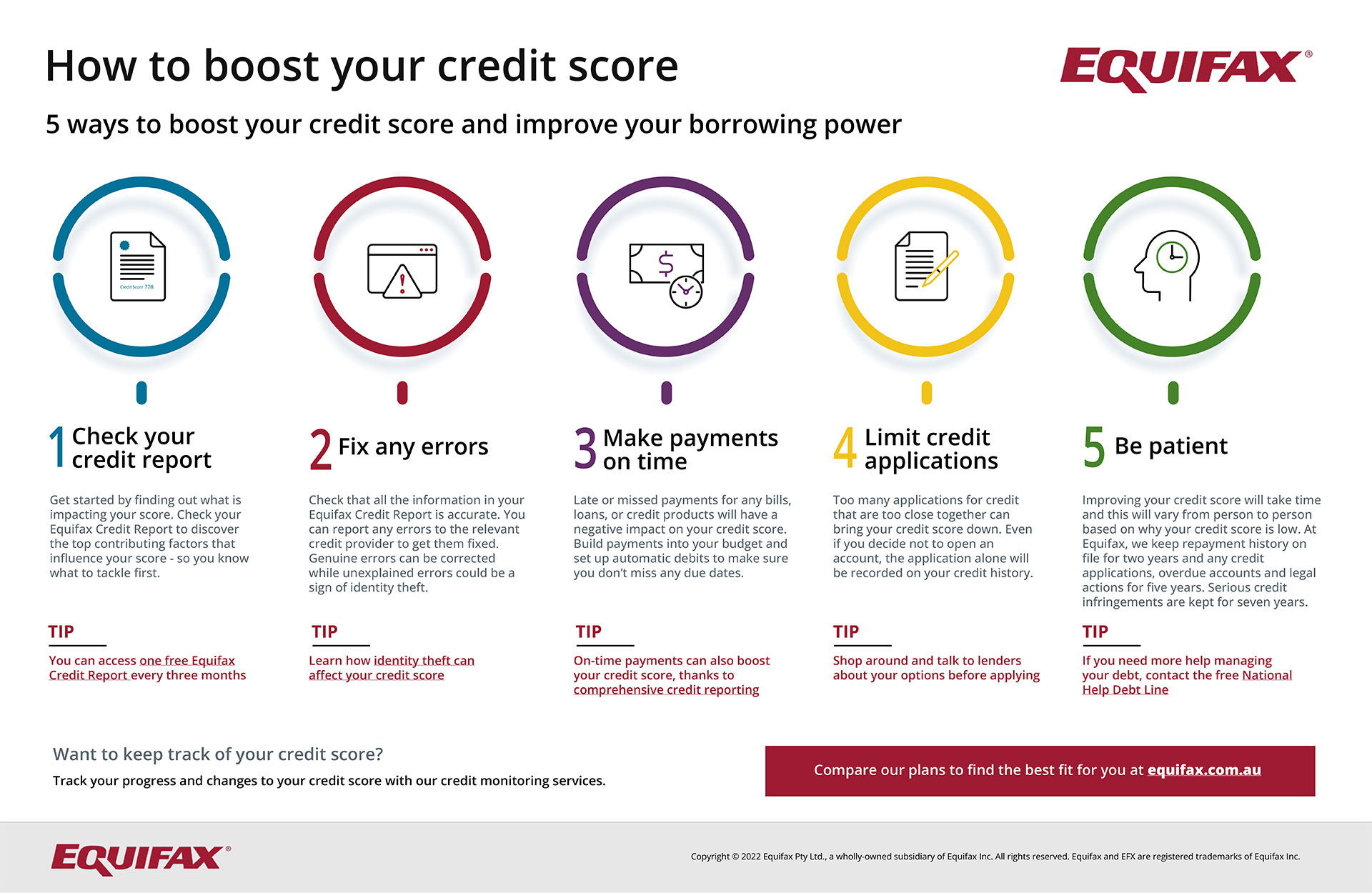
You can obtain a free copy of your credit report from each of the three major bureaus once every 12 months through AnnualCreditReport.com. Review these reports carefully for:
- Accounts you did not open.
- Payments marked as late that were actually on time.
- Debts that were already paid but are still listed as active.
- Incorrect personal information.
If you find an error, file a dispute directly with the bureau that is reporting the incorrect data. The bureaus are legally required to investigate your dispute, usually within 30 days.
Frequently Asked Questions
Does checking my own credit score hurt it? No. Checking your own credit score—often called a "soft inquiry"—does not affect your score at all. You can monitor your own credit as frequently as you like without any negative impact.
How long does it take to boost a credit score? Credit improvement is not instantaneous. If you pay off a high balance, your score may improve within 30 to 45 days, which is the time it typically takes for issuers to report updated balances to the bureaus. More structural improvements, like fixing your payment history, may take several months or years.
Should I use a credit repair company? Most actions a credit repair company takes can be performed by you for free. If you are struggling with complex legal issues or identity theft, you may consult an attorney, but be wary of companies promising "guaranteed" score increases, as these are often signs of predatory practices.
Will closing a credit card improve my score? Generally, no. Closing a card reduces your total available credit, which increases your utilization ratio if you have balances elsewhere. It also removes the account’s history from your "average age of accounts" calculation over time.
What is the fastest way to get a 700+ score? There is no "fast" trick. The most effective route is to automate payments to ensure perfect history and keep all credit card balances below 10% of their respective limits.
Next Steps for Your Financial Health
Start by pulling your official credit reports to identify your current standing. Prioritize paying off any past-due balances, and then focus on lowering your credit utilization below 30% across all accounts. If you find errors, submit a dispute to the relevant bureau immediately. Consistency is the only reliable "trick" to building and maintaining a strong credit profile. Monitor your progress periodically, but remain patient, as credit scoring reflects long-term habits rather than short-term maneuvers.
Image Gallery