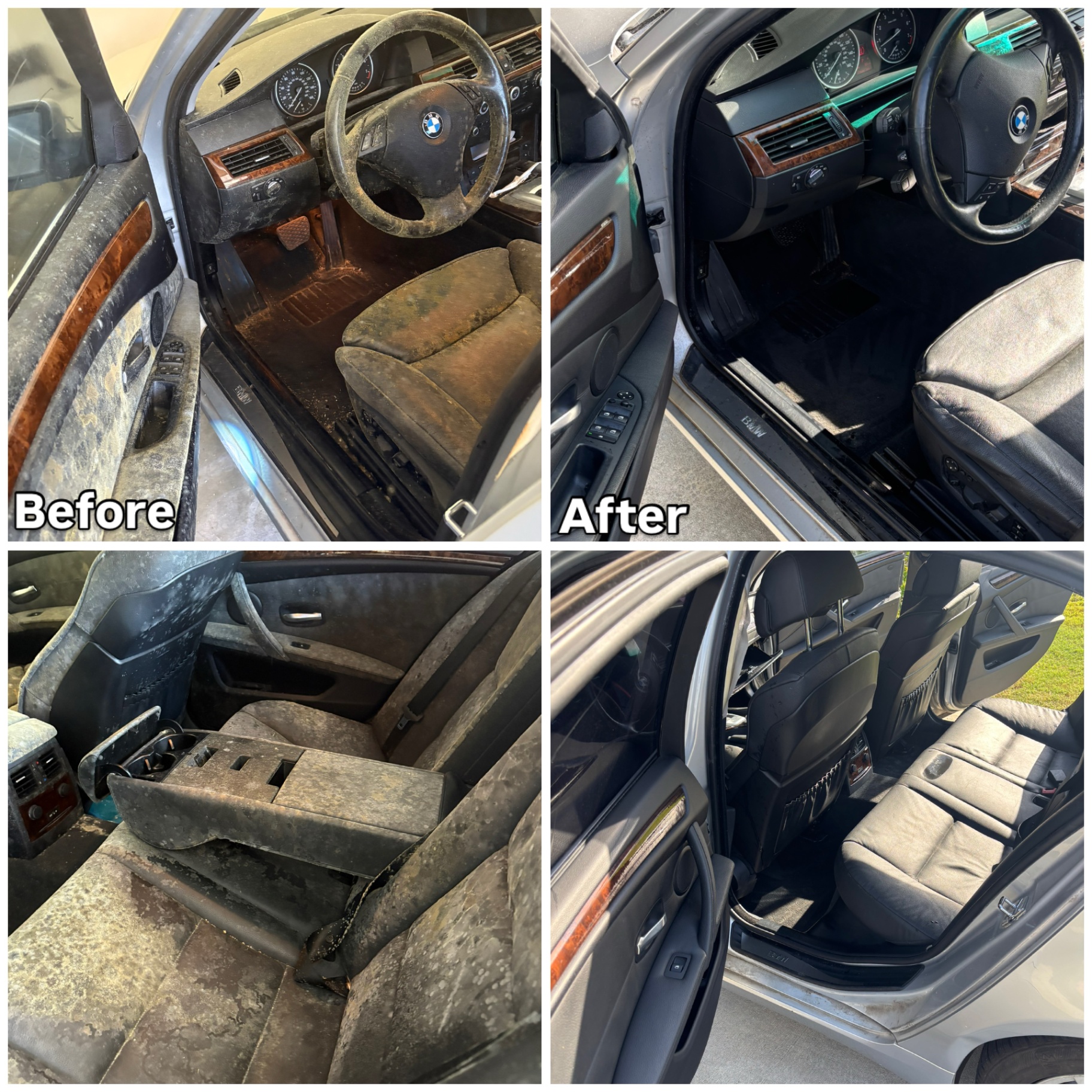
How to Get Mold Remediation for a Car: A Comprehensive Guide to Restoration
Mold remediation for a car involves professional inspection, mechanical drying, deep antimicrobial cleaning, and the restoration of upholstery to ensure the vehicle is safe for use. Because automotive mold is a health hazard that can l...
Mold remediation for a car involves professional inspection, mechanical drying, deep antimicrobial cleaning, and the restoration of upholstery to ensure the vehicle is safe for use. Because automotive mold is a health hazard that can lead to structural damage and respiratory issues, successful remediation requires identifying the source of moisture and neutralizing spores rather than simply masking odors.
Contents
Understanding Automotive Mold
Mold growth inside a vehicle is never an isolated event; it is a symptom of a persistent moisture issue. Whether caused by a leaking sunroof, a clogged A/C evaporator drain, a flooded floorboard, or a spilled beverage left to sit, mold thrives when organic materials (like fabric seats, carpet backing, and headliners) remain damp in an enclosed, humid environment.
When mold is present in a vehicle, it is rarely limited to the surface. Spores can migrate deep into the seat foam, behind plastic trim panels, and into the HVAC (Heating, Ventilation, and Air Conditioning) system. Attempting to clean the surface of a seat or carpet while neglecting the underlying padding or the ventilation ducting often leads to the mold returning within days. Remediation is a technical process that focuses on moisture removal, air filtration, and chemical stabilization.
Prerequisites: Assessing the Damage
Before seeking professional remediation or attempting a DIY intervention, you must determine the scope of the contamination.
- Safety First: If you suffer from respiratory issues, asthma, or mold allergies, do not attempt to clean the vehicle yourself. Wear an N95 respirator, nitrile gloves, and eye protection if you must handle a contaminated vehicle.
- Moisture Identification: Check the carpets by pressing a paper towel firmly into the floorboard. If the towel comes up soaked, you have standing water. Inspect the headliner for water stains, which often indicate a leak in the sunroof tracks or windshield seals.
- Professional vs. DIY Threshold: If the mold covers more than 10 square feet or has infiltrated the vehicle’s ventilation system, professional remediation is the only viable path to safety.
The Professional Remediation Process
Professional car detailers who specialize in mold remediation follow a rigorous, step-by-step protocol that goes beyond standard automotive detailing.
1. Source Elimination
The first step is always stopping the moisture. If the leak is not repaired, the mold will return regardless of how much cleaning is performed. This may involve unclogging sunroof drains, replacing door weather-stripping, or addressing a cracked windshield.
2. Mechanical Extraction and Disassembly
Professionals remove seats, center consoles, and carpeting. By removing the upholstery, they can access the metal floor pan, which is often where mold colonies originate. The floor is vacuumed using HEPA-filtered equipment to capture airborne spores rather than blowing them back into the air.
3. Antimicrobial Treatment
Technicians apply EPA-registered antimicrobial agents specifically designed for porous automotive materials. Unlike household cleaners, these solutions are formulated to penetrate the fibers and foam to neutralize the mold at the root.
4. Ozone or Chlorine Dioxide Treatment
Once the physical cleaning is complete, the car is treated with an oxidizing agent. Ozone machines generate gas that fills the cabin, reaching deep into the dashboard and the internal workings of the HVAC system to kill remaining spores. This process requires that the vehicle be completely vacant of humans, pets, and plants.
5. Drying and Reassembly
The interior components are placed in a humidity-controlled environment with industrial air movers. Ensuring the interior is bone-dry before reassembly is the final, critical step in preventing a recurrence.
Comparison of Remediation Methods
| Method | Best For | Pros | Cons |
|---|---|---|---|
| HEPA Vacuuming | Dry spore removal | Removes bulk allergens | Does not kill the root |
| Antimicrobial Spray | Surface disinfection | Kills active mold colonies | Requires saturation of fabrics |
| Ozone Generator | HVAC & odor deep-reach | Reaches inaccessible areas | Potential damage to some plastics |
| Steam Cleaning | Deep fabric extraction | High heat kills spores | Can increase moisture levels |
Common Mistakes to Avoid
Many vehicle owners inadvertently make the situation worse by employing ineffective or harmful methods:
- Using Bleach: While bleach kills surface mold, it often ruins automotive fabrics and leaves behind harsh, toxic residues. It is also ineffective on porous surfaces like seat foam.
- Masking with Air Fresheners: Strong scents do not kill mold. They simply overwhelm the smell, leading the owner to believe the problem is solved while the spores continue to proliferate.
- Sunlight Alone: While UV light can hinder mold growth, the heat trapped inside a car during the day can actually accelerate the growth of mold if the humidity remains high inside the cabin.
FAQ: Addressing Common Concerns
How do I know if the mold is inside my HVAC system? If you notice a musty, damp odor immediately upon turning on the car’s fan or air conditioning, the mold is likely on the evaporator core or inside the ducting. This requires a professional technician to perform a specialized chemical flush of the system.
Is my car totaled if it has significant mold? In many cases, if a vehicle has been submerged in flood water, it is deemed a total loss by insurance companies due to the sheer cost of replacing the entire interior and electronic components. If the mold is limited to the interior fabric, it is generally cost-effective to remediate.
How long does professional mold remediation take? Expect the vehicle to be out of service for 3 to 7 days. This allows for the removal of components, the drying process, chemical treatments, and the required aeration time after the ozone process is finished.
Can I stop mold by just keeping the windows open? Leaving windows cracked can help if the humidity is low, but it is not a cure for an active mold colony. If the leak is persistent, you are essentially providing the mold with a steady supply of fresh air to grow.
Does insurance cover mold remediation? Coverage depends on your policy. If the mold is the result of a covered event (e.g., a storm-damaged window that leaked), it may be covered. If it is caused by general wear and tear or owner neglect (e.g., leaving a window open), it is typically excluded.
Next Steps and Recommendations
If you discover mold in your vehicle, the most important action is to stop the moisture source immediately. Dry the carpet as much as possible using towels or a wet-dry shop vacuum. Avoid sitting in the vehicle for extended periods until it has been inspected by a professional who has access to an ozone machine and deep-extraction equipment.
Request a written quote from an automotive detailing service that explicitly lists "mold remediation" and "HEPA-filtration," rather than standard interior detailing. Finally, ensure that the provider guarantees their work; a reputable shop will stand behind their cleaning process and confirm the neutralization of the odor and mold evidence before returning the vehicle to you.
Image Gallery