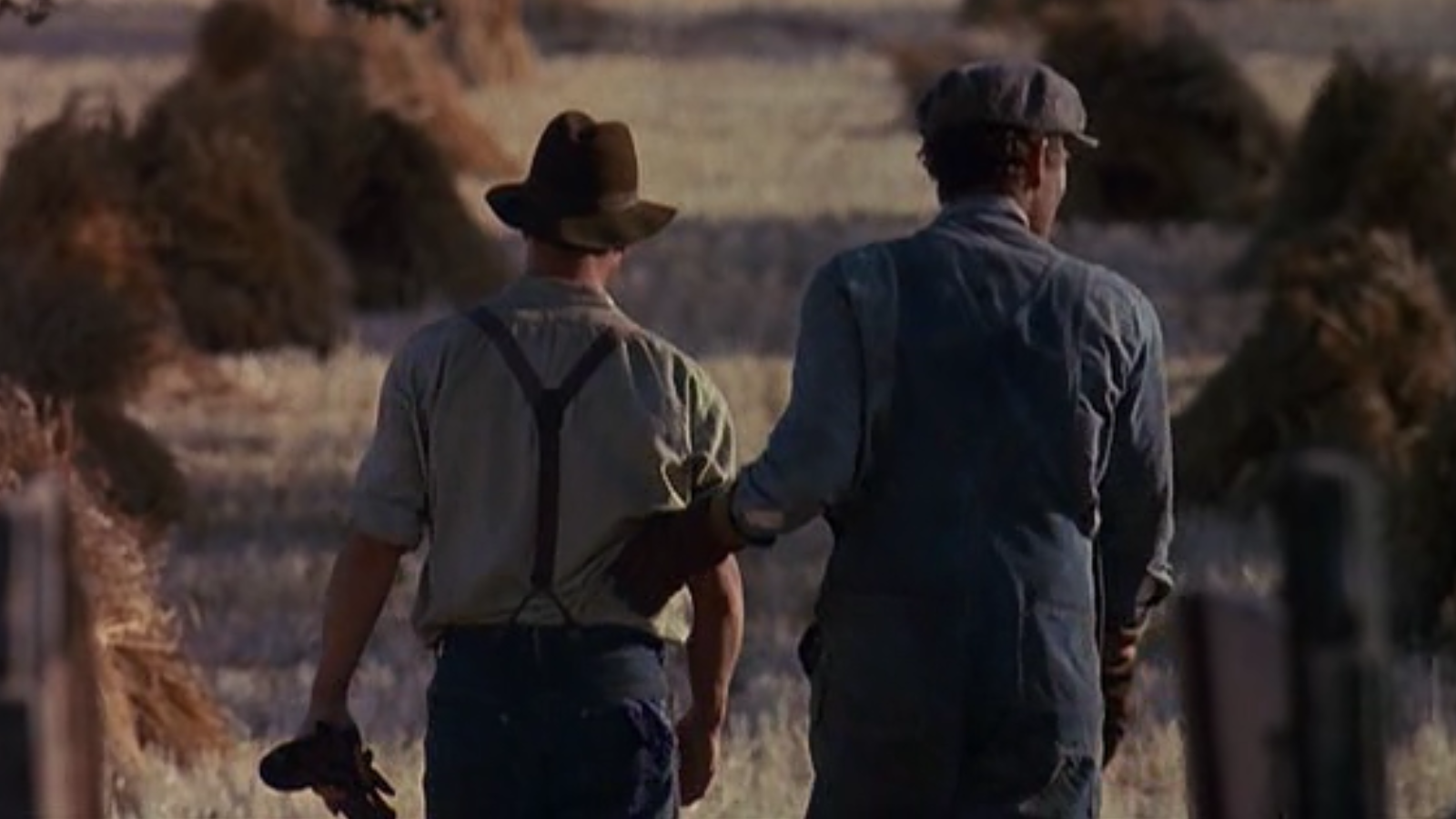
The Film of Of Mice and Men Characters Explained
In the cinematic adaptations of John Steinbeck’s Of Mice and Men, characters are brought to life through nuanced performances that often expand upon the novella's themes of loneliness, the American Dream, and the cruelty of economic de...
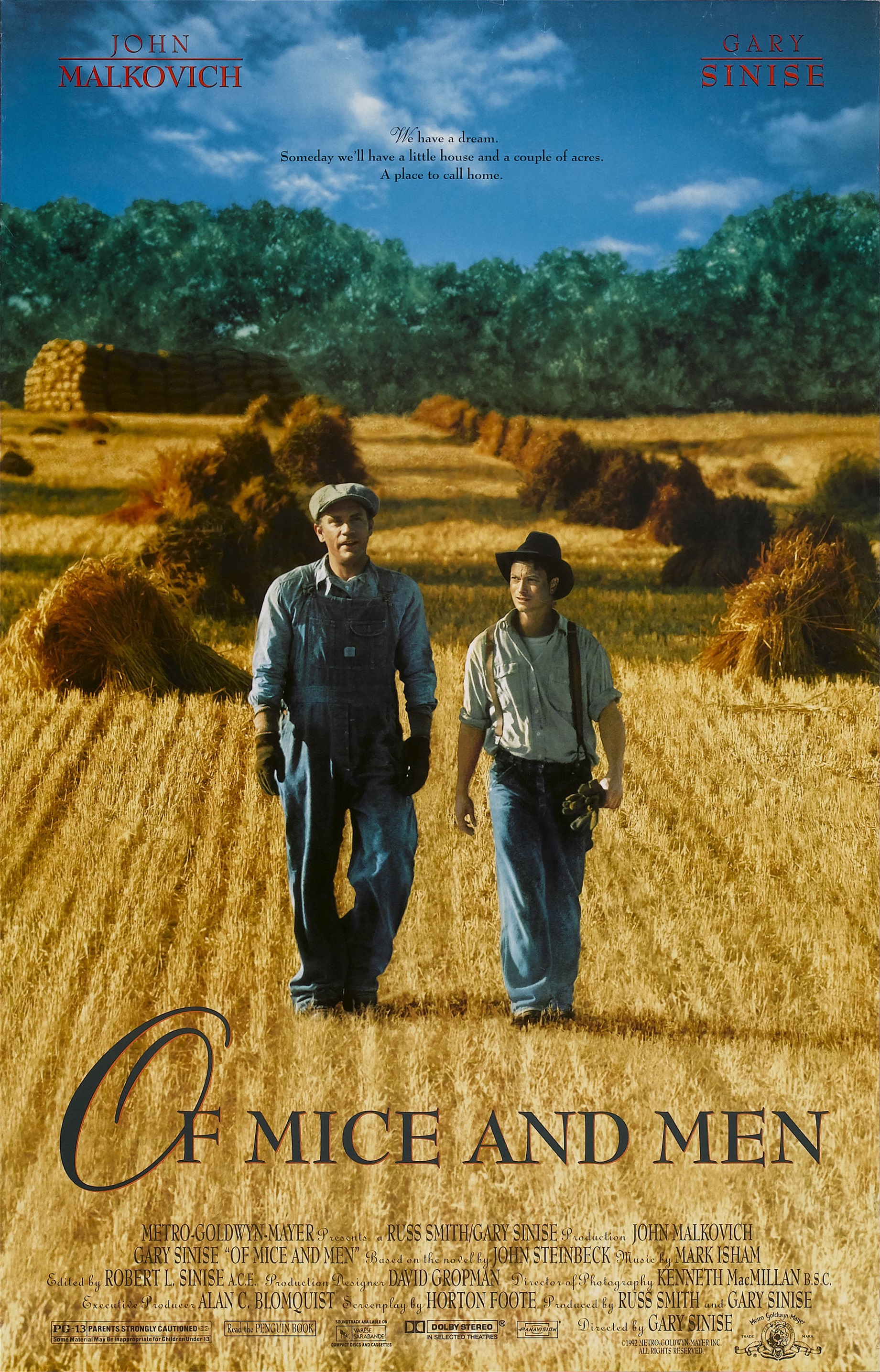
In the cinematic adaptations of John Steinbeck’s Of Mice and Men, characters are brought to life through nuanced performances that often expand upon the novella's themes of loneliness, the American Dream, and the cruelty of economic desperation. Most notably in the 1992 Gary Sinise version and the 1939 Lewis Milestone classic, these characters serve as archetypes of the Great Depression-era social hierarchy.
Contents
The Central Partnership: George Milton and Lennie Small
The relationship between George Milton and Lennie Small is the emotional foundation of every film adaptation. While the book provides the internal monologue, the films rely on visual chemistry and dialogue to explain the complex bond between a sharp-witted protector and a physically powerful but mentally disabled man.
George Milton: The Burden of Protection
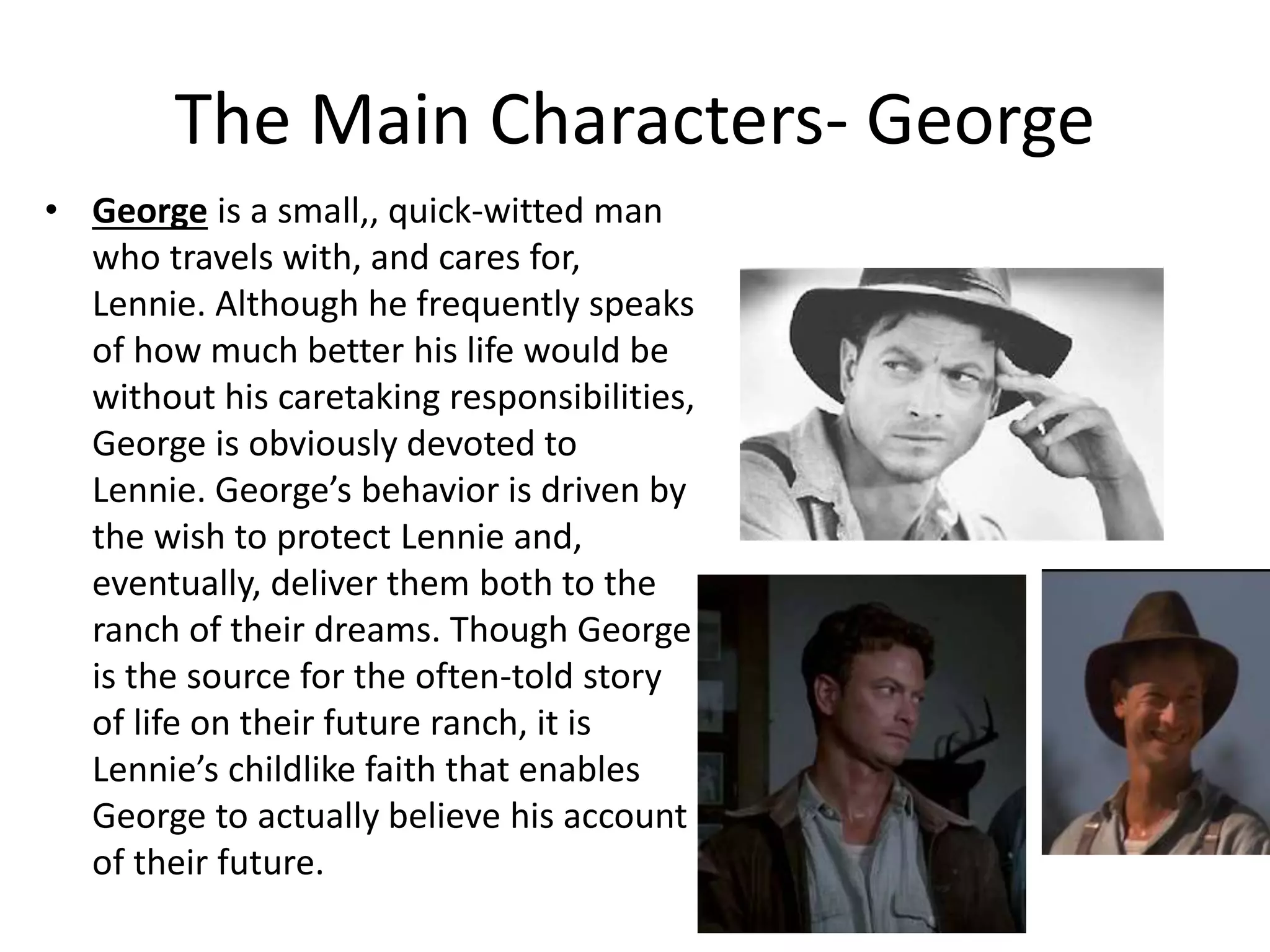
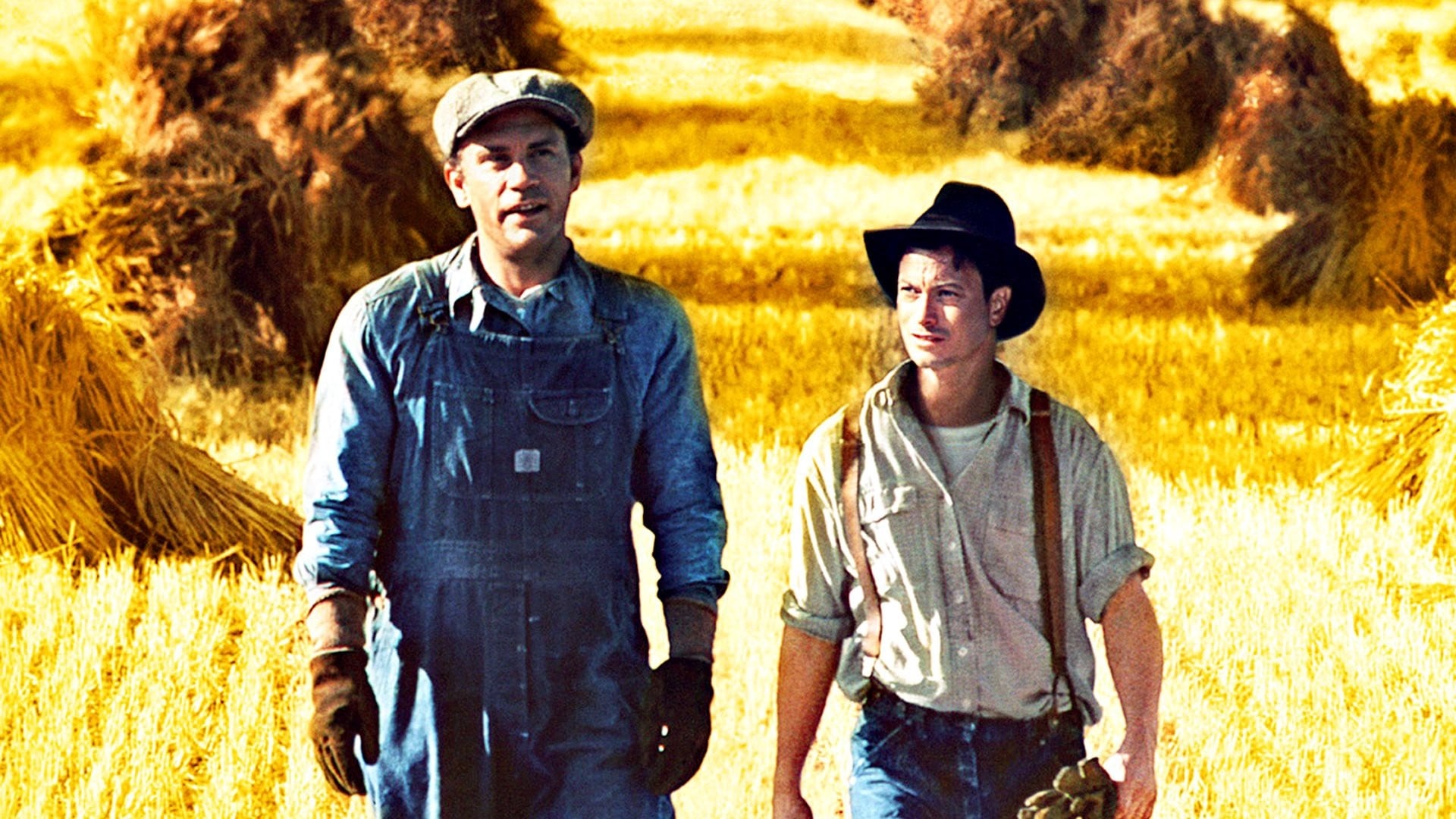
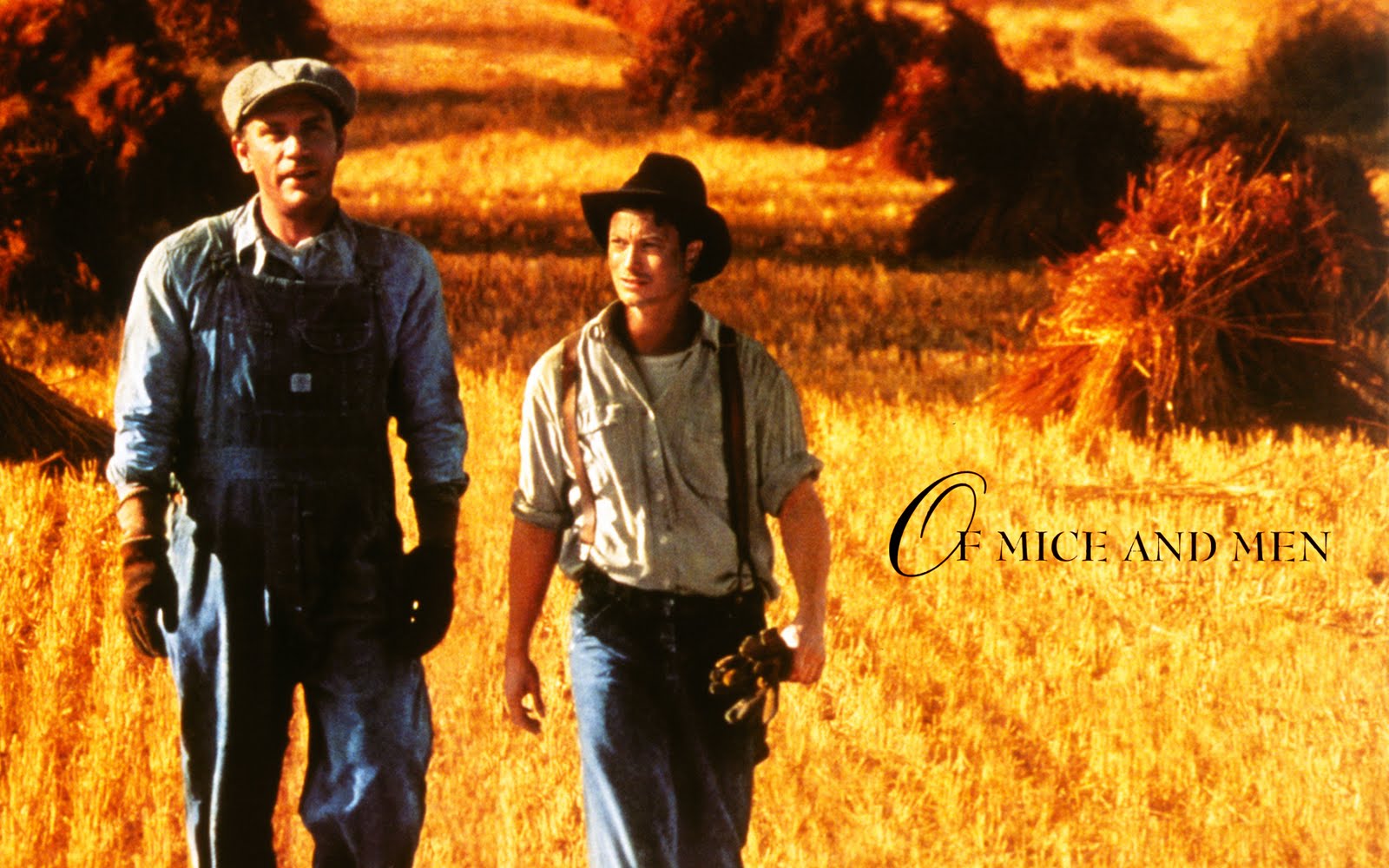
In the films, George is portrayed as the "everyman" who has sacrificed his own individual freedom to care for Lennie. In the 1992 version, Gary Sinise plays George with a palpable sense of weary frustration. Unlike a simple friendship, George’s character represents the moral weight of responsibility. He is the architect of their shared "dream"—the farm where they will "live off the fatta the lan’."
George’s character explanation in the film highlights his duality: he is both a cynic who knows the world is harsh and a dreamer who needs the hope of the farm to keep moving. His ultimate action at the end of the film is presented not as a crime, but as a final, tragic act of mercy, emphasizing the theme that true companionship often requires the most painful sacrifices.
Lennie Small: The Innocent Catalyst
Lennie is arguably the most difficult character to translate to screen. Whether played by Lon Chaney Jr. (1939) or John Malkovich (1992), Lennie represents pure, unfiltered innocence coupled with uncontrollable physical strength. In the film, his character is explained through his tactile obsessions—soft things like mice, rabbits, and fabric.
Lennie serves as the catalyst for the story's tragedy. He is not malicious; he simply lacks the cognitive capacity to understand his own power or the social consequences of his actions. Cinematic portrayals focus on his wide-eyed wonder and his total dependence on George, which heightens the pathos when his accidental violence leads to his inevitable downfall. Malkovich’s interpretation, in particular, emphasizes Lennie’s detachment from the "real" world, making his eventual death feel like the extinguishing of a light rather than the punishment of a criminal.
The Ranch Hierarchy: Curley and His Wife
The ranch setting functions as a microcosm of 1930s society, and the characters of Curley and his wife represent the friction between power, insecurity, and gender roles.
Curley: The Embodiment of Insecurity
Curley is the primary antagonist in the films, and his character is defined by a Napoleon complex. As the boss’s son, he holds inherited power but lacks the respect of the men. The films often emphasize his physical stature—small, aggressive, and always looking for a fight—to explain his need to dominate those larger than him, specifically Lennie.
His character is further complicated by his relationship with his wife. His gloved hand (rumored to be kept soft for her) and his constant, jealous searching for her reveal a man who is deeply insecure about his masculinity. In the films, Curley represents the systemic cruelty of the time; he is a bully who uses his social standing to compensate for his personal failings.
Curley’s Wife: The Tragic Outsider
Perhaps the most significant difference between the novella and the film adaptations is the treatment of Curley’s Wife. While Steinbeck’s text often views her through the suspicious eyes of the ranch hands (calling her a "tart" or "jailbait"), the films—especially the 1992 version—give her significantly more humanity.
Actress Sherilyn Fenn portrays her not as a temptress, but as a lonely, bored woman whose dreams of Hollywood stardom were crushed by a restrictive marriage. The film explains her character by showing her isolation; she is the only woman on a ranch full of men who are forbidden from talking to her. Her fatal encounter with Lennie is framed as a desperate attempt at human connection gone wrong. By humanizing her, the film transforms her from a plot device into a tragic figure of lost potential.
The Voices of Experience: Slim, Candy, and Crooks
Supporting characters on the ranch provide the social context necessary to understand the harsh realities of the era.
Slim: The Moral Authority
Slim is the "prince of the ranch." In every film adaptation, he is portrayed as a figure of quiet dignity and immense skill. Unlike Curley, who demands respect, Slim earns it through his competence and his "god-like" eyes. He is the only character who truly understands the nature of George and Lennie’s bond.
Slim serves as the moral compass of the story. When George is forced to make his final decision regarding Lennie, it is Slim’s validation—"You hadda, George. I swear you hadda"—that provides the audience with a sense of tragic necessity. He represents the ideal of the American worker: strong, fair, and grounded in reality.
Candy: The Fear of Uselessness
Candy, the aging swamper with one hand, represents the fate of all workers in a capitalist system that has no use for the elderly or the disabled. His character is explained through his relationship with his old dog. The film draws a direct parallel between the dog, which is shot because it is no longer "useful," and Candy’s own fear of being "canned" (fired) once he can no longer work.
Candy’s desperate investment in George and Lennie’s dream is a highlight of the film. It isn't just about owning land; it’s about securing a place where he can belong and die with dignity. His heartbreak at the end of the film is not just for Lennie, but for the death of his own last hope.
Crooks: The Isolation of Racism
Crooks, the black stable hand, is a character whose film presence is vital for explaining the racial dynamics of the 1930s. Isolated in a separate room in the barn because of his race, Crooks is the most cynical of all the characters.
In the films, his scene with Lennie and Candy is a powerful exploration of the "philosophy of loneliness." He explains that a man needs someone to be near him to know he isn't "crazy." Though he briefly entertains the idea of joining the farm, he quickly retracts the offer, reminded of his "place" by the harsh threats of Curley’s wife. He represents the ultimate outsider, whose isolation is enforced by law and custom.
Comparison of Character Dynamics in Film vs. Novella
The following table outlines how the film adaptations typically emphasize specific character traits compared to the original 1937 novella.
| Character | Primary Film Focus | Novella Emphasis | Key Cinematic Interpretation |
|---|---|---|---|
| George | Emotional exhaustion & moral burden | Quick-wittedness & impatience | 1992 film adds depth to his internal conflict. |
| Lennie | Childlike innocence & physical danger | Animal-like instincts | Visual focus on his "gentle giant" tragedy. |
| Curley's Wife | Loneliness & lost Hollywood dreams | Danger to the men ("Tramp") | Films humanize her to increase tragic irony. |
| Candy | Fear of aging/obsolescence | Physical handicap & regret | His dog’s death is a visual foreshadowing. |
| Slim | Natural leadership & wisdom | Skilled mule driver ("Prince") | Acts as the "voice of reason" for the audience. |
| Curley | Insecurity & class-based bullying | Physical aggression & boxing skill | His "gloved hand" is a recurring visual motif. |
Symbolic Explanations of Film Characters
In cinema, characters are often used as symbols to convey the film’s deeper messages.
- Lennie as the "Unfit": In the context of 1930s social Darwinism, Lennie represents those who are "unfit" for a society that only values productivity. His character explains the failure of a system that cannot accommodate the vulnerable.
- George as the "Protector": George symbolizes the human impulse toward companionship and the "brother's keeper" ideology, which is ultimately defeated by the harsh economic reality of the Depression.
- The Farm as the "Eden": While not a character, the "dream of the farm" acts like one, driving the motivations of George, Lennie, and Candy. It represents the unattainable American Dream that keeps the characters moving toward an inevitable cliff.
Frequently Asked Questions
Why is Curley’s Wife not given a name in the film?
Staying true to the source material, she remains nameless to emphasize her lack of identity and status on the ranch. In the 1920s and 30s, women were often defined solely by their relationship to men. By not giving her a name, the film underscores her role as a "possession" of Curley rather than an autonomous individual.
Is Lennie portrayed as a villain in the film?
No. Film adaptations go to great lengths to show that Lennie’s "crimes" are accidents born of a lack of understanding. The lighting and musical scores during his scenes typically evoke sympathy rather than fear, framing him as a victim of his own biology and the environment around him.
How does the 1992 film change the ending for George?
While the events remain the same, the 1992 film adds a framing device of George on a train, looking back in a series of flashbacks. This explains his character as someone perpetually haunted by the past, suggesting that while he "escaped" the ranch, he will never escape the memory of Lennie.
What does Slim’s reaction to the ending signify?
Slim’s reaction is meant to reassure the audience that George did the "right" thing. In a world without social safety nets or mental health care, Slim recognizes that Lennie would have faced a far more brutal death at the hands of Curley’s lynch mob. Slim’s character explains the grim pragmatism of the era.
Summary of Character Impact
The film adaptations of Of Mice and Men succeed by transforming Steinbeck’s stark, objective prose into visceral, empathetic performances. By focusing on the characters' shared isolation, the films provide a timeless explanation of why the "best laid schemes of mice and men" so often go awry. For modern viewers in 2026, these characters remain relevant as symbols of the ongoing struggle for dignity and connection in an indifferent world.
Recommendation: For the most comprehensive understanding of these characters, viewers should watch the 1992 version directed by Gary Sinise for its emotional depth, followed by the 1939 version to see how the historical context of the Great Depression was captured by those who lived through its aftermath.
Image Gallery