Biltmore Mansion Pool Painting: Preservation, History, and Maintenance Standards
The Biltmore Mansion, located in Asheville, North Carolina, features an iconic indoor swimming pool located in the basement of George Vanderbilt's historic home. While historical preservation practices generally restrict the applicatio...
The Biltmore Mansion, located in Asheville, North Carolina, features an iconic indoor swimming pool located in the basement of George Vanderbilt's historic home. While historical preservation practices generally restrict the application of modern paint over original pool surfaces, ongoing maintenance requires specialized coatings, waterproofing agents, and meticulous historic conservation protocols to protect the 19th-century tile and masonry from moisture degradation.
Contents
Architectural Significance and the Biltmore Basement Pool
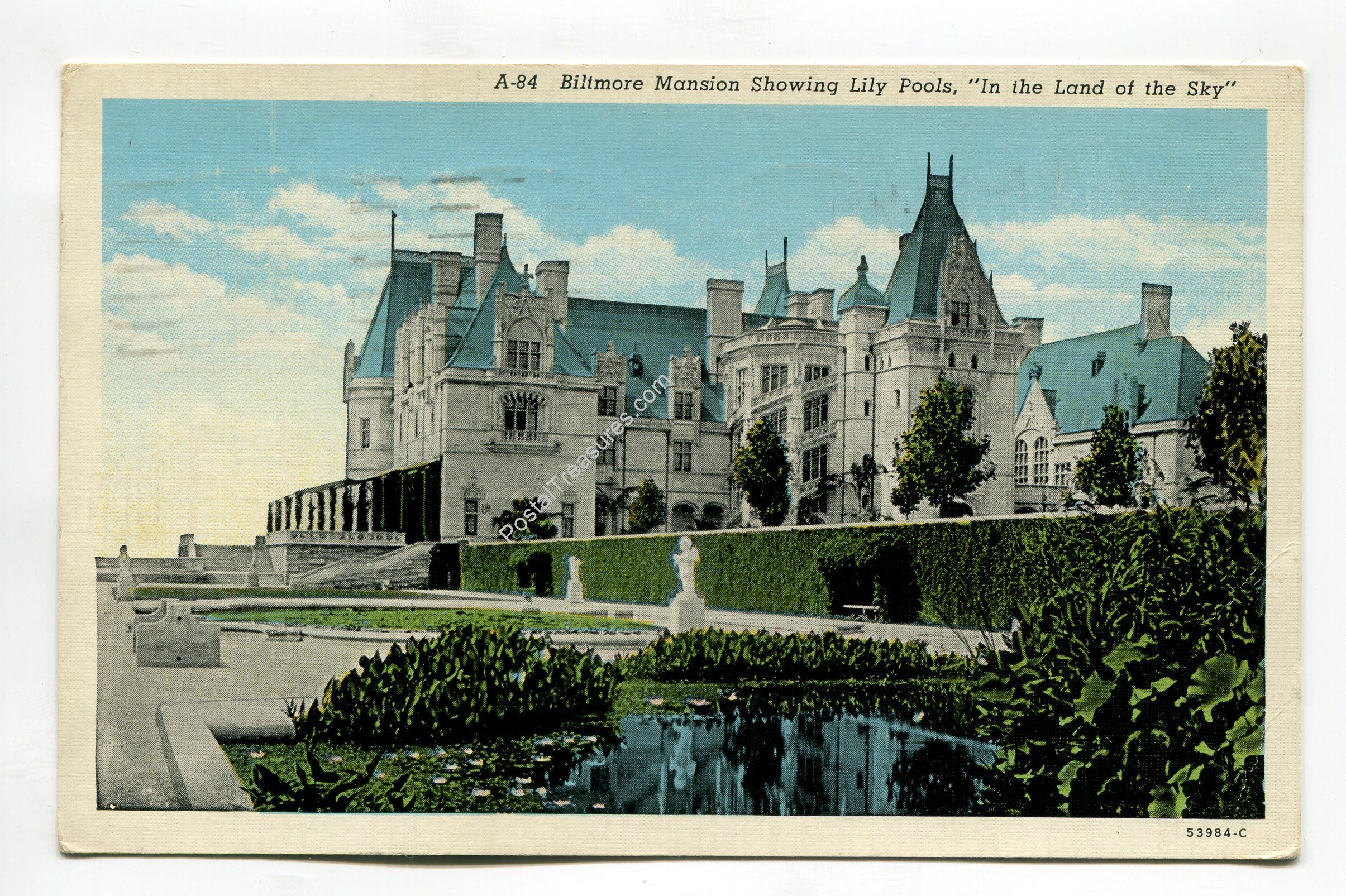
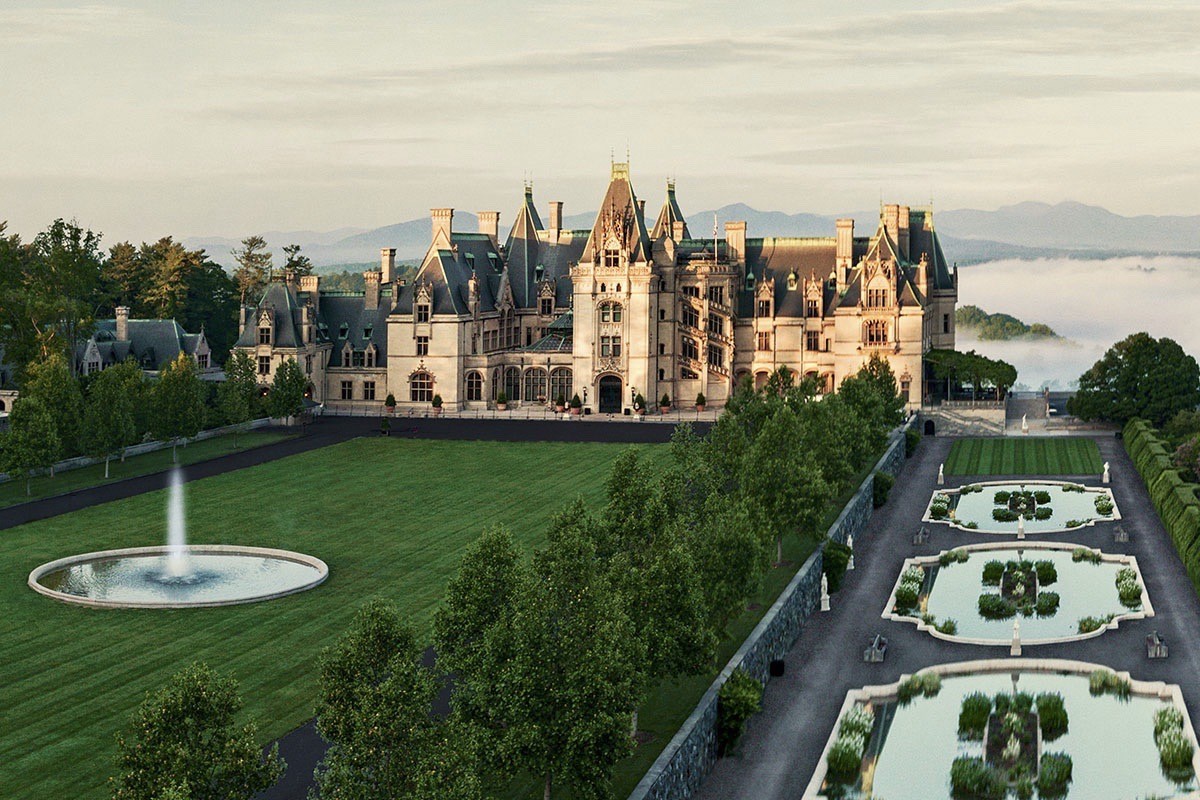
Commissioned by George Washington Vanderbilt II and designed by architect Richard Morris Hunt, the Biltmore Estate represents the pinnacle of Gilded Age architecture. Completed in 1895, the mansion spans 175,000 square feet and includes engineering marvels well ahead of its time, such as a gymnasium, bowling alley, and a heated indoor swimming pool.
The pool area was designed with luxurious amenities, including underwater lighting, changing rooms, and an advanced heating and ventilation system for its era. Structurally, the pool basin relies on heavy masonry, reinforced concrete, and specialized waterproof mortars common to late 19th-century construction. Over the decades, maintaining this subterranean aquatic feature has presented unique preservation challenges due to shifting foundations, hydrostatic pressure, and high humidity levels inherent to underground spaces.
Historic Preservation Standards Versus Modern Pool Coatings
When discussing pool painting in the context of a historic landmark like the Biltmore Estate, standard residential or commercial pool painting techniques do not apply. The governing bodies of historic preservation, along with the estate's in-house curatorial and facilities maintenance teams, must adhere to strict conservation guidelines.
| Feature / Factor | Modern Commercial Pools | Biltmore Mansion Historic Pool |
|---|---|---|
| Surface Material | Gunite, bare concrete, or fiberglass | Historic masonry, custom-glazed tile, and heritage grout |
| Coating Objective | Chlorinated rubber, epoxy, or acrylic paint for aesthetics and chemical resistance | Breathable mineral-based sealants, lime-wash formulations, or clear consolidants |
| Intervention Level | Frequent stripping, acid washing, and complete repainting cycles | Minimal intervention, reversible treatments, and structural stabilization |
| Moisture Management | Synthetic waterproof membranes and modern main drains | Historic vapor pressure management and modern dehumidification retrofits |
Applying conventional epoxy or chlorinated rubber paint directly onto historic Biltmore surfaces would violate preservation charters, such as the Secretary of the Interior’s Standards for the Treatment of Historic Properties. These modern films trap moisture within the porous historic masonry, leading to spalling, efflorescence, and irreversible damage to the underlying substrate.
Common Conservation Challenges in Subterranean Pools
Subterranean indoor pools face environmental stressors that accelerate material breakdown. For a historic structure like the Biltmore Mansion, these challenges require continuous engineering oversight.
- Hydrostatic Pressure: Underground water tables exert constant inward and upward pressure against basement walls and pool basins, threatening structural integrity.
- Relative Humidity: Indoor evaporation creates a moisture-laden microclimate that attacks metallic fixtures, unsealed wood, and porous wall surfaces.
- Chemical Degradation: Decades of water treatment chemicals (chlorine, bromine, and pH balancers) gradually erode historic grout lines and ceramic glazes.
- Thermal Expansion: Temperature fluctuations between the surrounding earth and the heated pool water cause microscopic shifting in the masonry joints.
Technical Protocols for Historic Masonry and Surface Maintenance
When conservation teams address the surfaces surrounding or comprising the Biltmore pool environment, they follow a rigorous step-by-step methodology designed to protect the historic fabric of the estate.
- Environmental Assessment: Utilizing non-destructive testing methods, such as thermography and moisture meters, to map dampness and identify hidden structural cracks.
- Micro-Cleaning: Removing biological growth, mineral deposits, and surface grime using deionized water, ultra-low pressure washing, and pH-neutral biological inhibitors rather than harsh chemical strippers or abrasive sandblasting.
- Mortar Analysis: Analyzing original mortar samples to replicate the exact lime-to-sand ratios and aggregate sizes for repointing deteriorated joints around the pool deck and basin.
- Consolidation: Applying approved ethyl silicate or lime-based consolidants to stabilize friable stone and prevent further crumbling without sealing the substrate against vapor transmission.
- Vapor-Permeable Sealing: Where protective coatings are deemed strictly necessary by structural engineers, utilizing specialized breathable mineral coatings that allow internal moisture to escape freely.
Pros and Cons of Applying Protective Coatings to Historic Pools
Maintaining a historic pool requires balancing modern safety and waterproofing needs with historical authenticity.
Advantages of Specialized Protective Treatments
- Prevents water infiltration into the structural foundation of the mansion.
- Extends the lifespan of original masonry and historic tile work.
- Reduces active mold and mildew growth in enclosed basement environments.
- Maintains structural stability against shifting ground pressures.
Disadvantages and Risks of Improper Coating
- Risk of permanently altering or obscuring original surface textures and colors.
- Potential trapping of moisture behind impervious paint films, causing catastrophic spalling.
- Incompatibility between modern synthetic resins and 19th-century building materials.
- High labor costs associated with hand-applied, museum-grade conservation techniques.
Frequently Asked Questions
Can the Biltmore Mansion pool still be used for swimming today?
No, the indoor pool at the Biltmore Mansion is currently closed to the public and guests. It is preserved strictly as a historic exhibit within the basement tour route, as operational and structural preservation priorities preclude regular recreational use.
What kind of paint was originally used on historic indoor pools?
In the late 19th century, indoor pools often relied on glazed ceramic tiles, natural stone, or exposed waterproof mortars rather than synthetic paints. When coatings were applied, they typically consisted of early mineral washes or linseed oil-based mixtures, though bare masonry and tile were preferred.
How does the Biltmore manage humidity in the basement pool area?
The estate employs advanced, climate-controlled HVAC and dehumidification systems discreetly integrated into the historic architecture. These systems maintain strict relative humidity thresholds to protect both the pool chamber and adjacent display rooms from moisture damage.
Are modern swimming pools painted differently than historic structures?
Yes, modern commercial and residential pools utilize advanced epoxy, acrylic, or chlorinated rubber paints designed for chemical immersion and high-pressure water retention. These synthetic formulas are chemically aggressive and completely inappropriate for historic preservation contexts.
Who oversees the maintenance of the Biltmore Mansion's interior features?
A dedicated team of historic preservationists, curators, structural engineers, and facilities technicians manage the continuous upkeep of the Biltmore Estate. They operate under strict adherence to national historic landmark preservation guidelines to ensure every intervention is reversible and historically accurate.
Preserving Gilded Age Engineering for Future Generations
The management of the Biltmore Mansion pool area stands as a masterclass in historic preservation and structural engineering. By prioritizing breathable masonry treatments, non-destructive diagnostic testing, and rigorous environmental controls, conservation specialists ensure that George Vanderbilt's historic subterranean oasis remains structurally sound. Whether evaluating the chemical makeup of 19th-century mortar or monitoring basement humidity levels, the ongoing care of the Biltmore pool safeguards an irreplaceable piece of American architectural history for decades to come.
Image Gallery