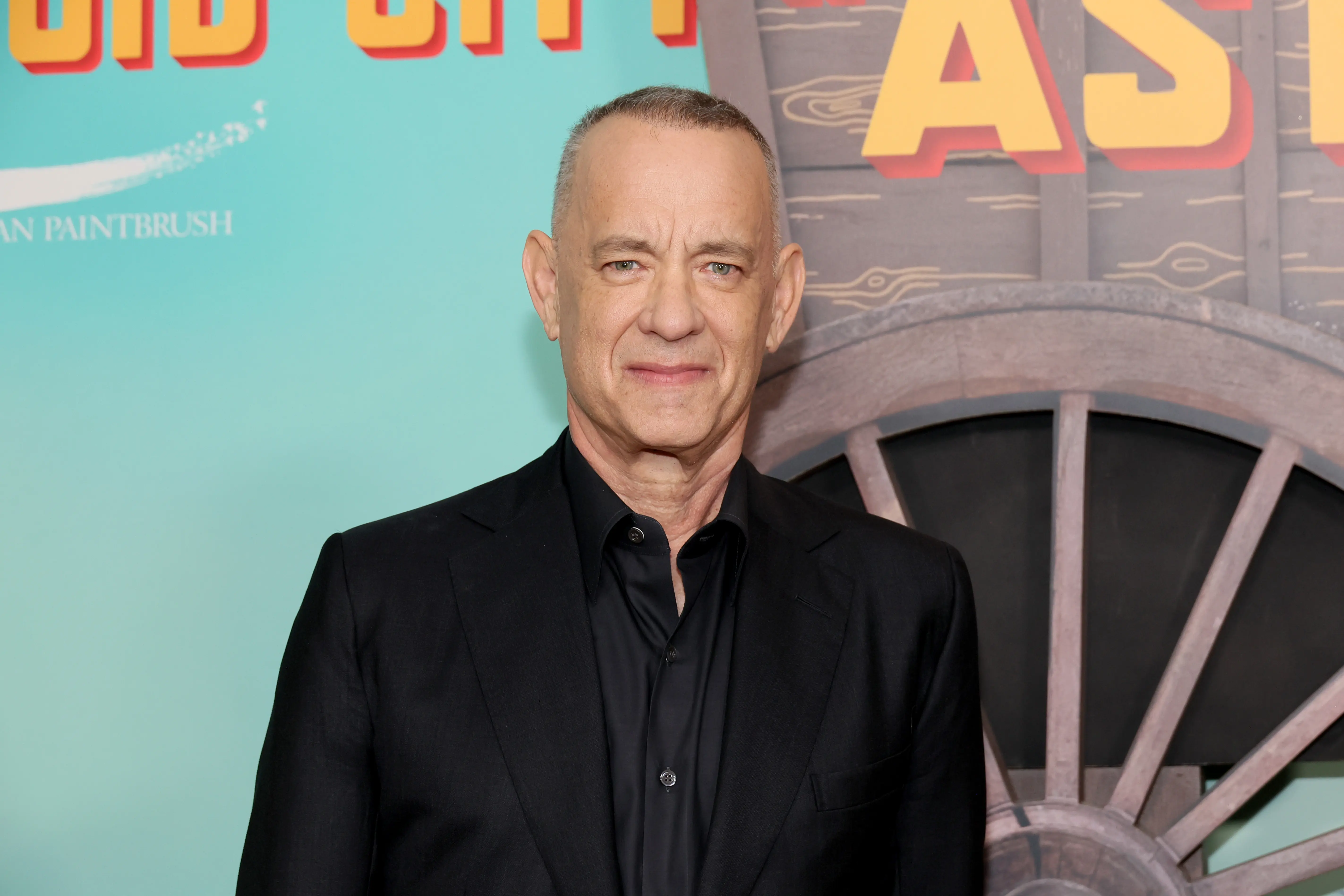
Decoding the Phenom: Examining Public Perceptions of Tom Hanks and the "Dead Eyes" Phenomenon
The phrase "Tom Hanks dead eyes" refers to a recurring public and internet culture observation regarding specific photographs, red carpet appearances, or film promotional stills where the actor's expression appears unusually fatigued,...
The phrase "Tom Hanks dead eyes" refers to a recurring public and internet culture observation regarding specific photographs, red carpet appearances, or film promotional stills where the actor's expression appears unusually fatigued, detached, or devoid of his characteristic energetic warmth. This phenomenon intersects with modern celebrity scrutiny, viral social media commentary, and the complex psychological mechanics of how audiences read human emotion through facial expressions.
Contents
Understanding the "Dead Eyes" Phenomenon in Celebrity Culture
In the digital era, high-resolution photography, rapid-fire social media commentary, and endless red-carpet obligations subject public figures to unprecedented microscopic examination. The term "dead eyes" is a colloquialism used across platforms like TikTok, X (formerly Twitter), and Reddit to describe a flat, unresponsive gaze. When applied to a universally beloved figure like Tom Hanks—known for his affable, expressive on-screen persona—such observations often trigger widespread public curiosity and debate.
Rather than indicating a medical condition or a permanent shift in personality, these viral moments typically highlight the immense physical and mental toll of modern celebrity junkets. Actors promoting major motion pictures endure grueling schedules involving back-to-back interviews, international travel, sleep deprivation, and relentless flashing lights. When a photograph catches an actor in a micro-second of distraction, fatigue, or neutral relaxation, the lack of an active, performative smile is frequently misinterpreted by online observers as emotional vacancy or underlying distress.
The Intersection of Facial Recognition and Public Expectations
Human beings possess an innate evolutionary mechanism known as pareidolia and facial affect recognition, which compels us to read emotional states into the faces of others. Audiences hold parasocial relationships with film stars, projecting deep-seated emotional investments onto them. When a beloved actor fails to project the expected warmth, the cognitive dissonance can spark viral speculation.
| Factor | Public Perception | Reality of Celebrity Press Tours |
|---|---|---|
| Expression | Emotional detachment or fatigue | Neutral muscle relaxation between active engagement |
| Context | Supposed personal crisis or shift in demeanor | Standard exhaustion from 12-hour press days |
| Medium | Filtered, cropped, or isolated single frames | Continuous video feeds showing dynamic range of emotion |
Examining these instances requires distinguishing between a carefully cultivated cinematic performance and a candid, unscripted moment captured out of context. Tom Hanks's extensive filmography demonstrates an extraordinary capacity for emotional range, making static, isolated photographs an unreliable metric for his overall well-being or professional engagement.
Analyzing Context: Press Tours, Fatigue, and Aging
To understand why public figures occasionally exhibit flat affect in public appearances, one must examine the logistics of contemporary entertainment marketing. A standard press tour for a blockbuster release involves:
- Intense Scheduling: Days routinely stretch across twelve to fourteen hours of continuous speaking, posing, and performing for various media outlets.
- Sensory Overload: Constant exposure to high-intensity studio lighting, camera flashes, and persistent questioning demands high levels of sustained adrenaline.
- Natural Aging: As public figures age, natural changes in facial musculature, skin elasticity, and resting facial tension alter how expressions appear at rest.
When an actor is caught between interviews or during a quiet moment of introspection, the absence of an intentional "red carpet smile" often results in the appearance of tired or hooded eyes. Critics and casual observers frequently mistake this natural physiological response to exhaustion for psychological detachment.
Psychological and Sociological Implications of Viral Speculation
The obsession with dissecting minor physical cues in celebrities reflects broader cultural habits regarding digital consumption. Internet culture thrives on hyperbole, turning momentary lapses in public presentation into grand narratives. When memes surrounding phrases like "Tom Hanks dead eyes" gain traction, they demonstrate how quickly digital communities can detach an image from its reality.
Furthermore, this phenomenon underscores the changing nature of privacy and public ownership. Famous actors are expected to maintain an unyielding standard of approachability and vibrant energy, regardless of external stressors, jet lag, or personal circumstances. Any deviation from this idealized standard becomes fodder for speculation, transforming a simple tired glance into a viral talking point.
Frequently Asked Questions
What does the phrase "dead eyes" mean in celebrity culture?
In internet culture, "dead eyes" is a colloquial term used to describe a photograph or video clip where a person's gaze appears neutral, tired, or lacking emotional animation. It is frequently applied to celebrities during high-pressure events to suggest fatigue or detachment.
Is there any medical concern behind Tom Hanks's appearance in these viral images?
No reliable medical or personal evidence suggests any underlying health condition related to these specific viral photographs. Media analysts and cultural commentators attribute these moments to standard physical exhaustion caused by rigorous press schedules and natural aging.
Why do internet users scrutinize celebrity facial expressions so closely?
High-definition media, social platforms, and parasocial relationships encourage audiences to analyze micro-expressions. When a public figure's resting face does not match their expected on-screen persona, it frequently attracts viral commentary and speculation.
How do press tours impact actors physically and mentally?
Global press tours require actors to maintain continuous enthusiasm across multiple time zones, high-stress interviews, and exhaustive travel itineraries. This environment routinely leads to acute fatigue, which visibly affects facial expressions during downtime.
Final Recommendations for Media Consumers
When encountering viral claims or memes concerning celebrity appearances, consumers should exercise critical media literacy. Single photographs and isolated video frames rarely provide an accurate representation of an individual's state of mind or overall health. Recognizing the physical realities of high-pressure public professions helps contextualize fleeting moments of fatigue, separating sensationalized internet commentary from everyday human experience.
Image Gallery